
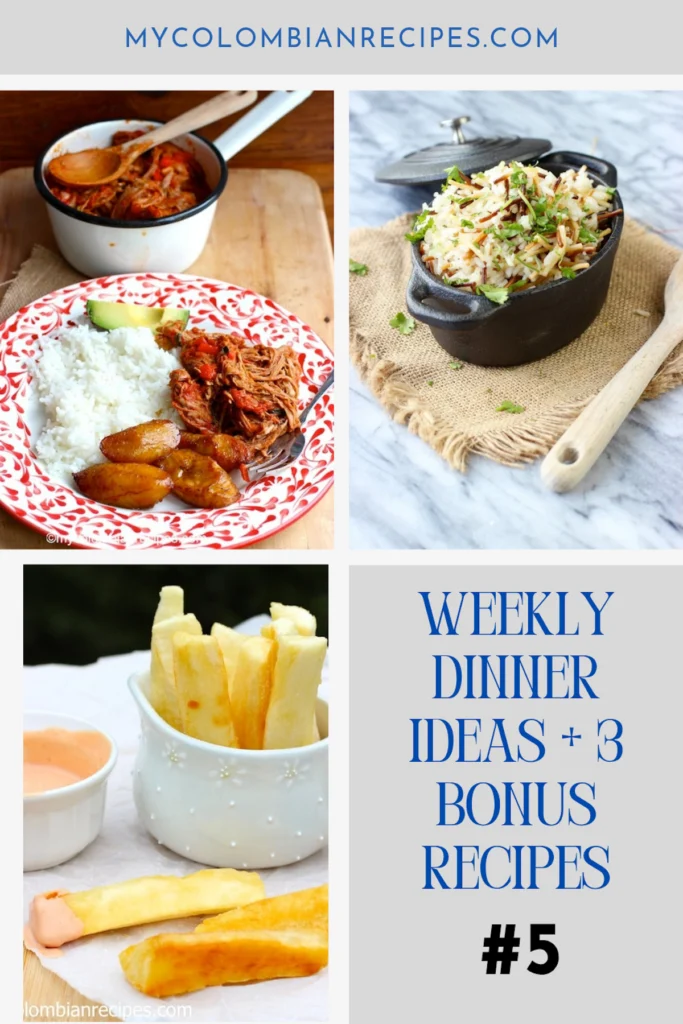
The Evolution of Home Meal Planning
The launch of the Weekly Dinner Ideas series comes at a time when home cooking trends have shifted significantly. According to data from the U.S. Department of Agriculture (USDA) and various food industry analysts, the post-2020 landscape has seen a permanent uptick in home meal preparation. While the initial surge was driven by necessity, modern trends indicate a continued preference for "semi-homemade" meal planning—a method where home cooks seek organized, reliable templates to reduce the cognitive load associated with grocery shopping and daily cooking.
The introduction of Weekly Dinner Ideas 5 is part of a broader, long-term strategic effort to digitize and preserve traditional culinary practices. By transitioning from individual recipe posts to a systematic weekly plan, the platform seeks to provide a comprehensive user experience that caters to busy professionals and families who struggle to balance nutritional needs with the desire for authentic, flavorful meals.
Chronology and Development of the Initiative
The project began as an experimental response to reader feedback requesting more structure in recipe distribution. Initially, the blog focused on standalone recipes highlighting Colombian staples such as arepas, sancocho, and empanadas. However, as the readership grew, so did the demand for practical application.
The weekly meal plan format was officially introduced in the final quarter of 2026. Since its inception, the series has evolved from simple lists into a more robust resource that includes:
- Week 1-4 (Pilot Phase): Testing the balance between complex traditional dishes and time-efficient weeknight variations.
- Week 5 (Current Expansion): The implementation of a standardized format including Monday through Saturday dinner schedules, with the addition of three supplementary "bonus" recipes per cycle.
Structural Framework of Weekly Dinner Ideas 5
The methodology behind the Week 5 plan is built on the principle of variable complexity. The schedule is intentionally designed to align with the typical domestic work week, where Monday and Tuesday feature faster, assembly-style meals, while mid-to-late week slots allow for more involved cooking processes.
By providing a cohesive menu, the platform addresses a critical gap in home economics: the lack of time-efficient, culturally diverse meal plans. The inclusion of bonus recipes—which may span breakfast, appetizers, or beverages—serves to diversify the culinary repertoire of the audience without requiring an extensive expansion of the grocery budget.
Nutritional and Economic Implications
Beyond the convenience of scheduling, there are broader implications for the average household’s food consumption patterns. Nutritional experts often cite meal planning as a primary driver for reducing reliance on ultra-processed convenience foods. By providing a structured plan that incorporates whole-food ingredients, the series acts as a tool for improved dietary management.
From an economic perspective, structured meal planning is recognized as a key strategy for mitigating the impact of food inflation. By organizing meals in advance, consumers are better positioned to practice bulk purchasing and minimize food waste—a significant issue in American households, where, according to the Environmental Protection Agency (EPA), nearly 30% of the food supply is discarded annually. By aligning specific ingredients across multiple recipes in the weekly plan, the initiative encourages efficiency, allowing for the cross-utilization of staples like fresh produce, legumes, and proteins.
The Role of Cultural Preservation
Erica Dinho’s work serves as a bridge between traditional Colombian culinary heritage and the contemporary American lifestyle. In the context of culinary journalism, this project is viewed as a form of cultural stewardship. By simplifying the preparation of traditional dishes, the platform ensures that younger generations or those living in the diaspora can maintain a connection to their heritage without the barrier of excessive time investment.
In interviews regarding her approach, Dinho has emphasized the influence of her grandmother, Mamita, noting that traditional cooking was never meant to be exclusionary or overly difficult. The translation of these traditional techniques into a modern, weekly planning format represents a significant shift in how ethnic cuisine is disseminated in the digital age.
Industry Reception and Reader Engagement
The series has garnered a positive reception, evidenced by the high engagement rates across the platform’s social media channels and email newsletter. Analytics suggest that readers are not merely browsing the content but are actively utilizing the provided lists for grocery preparation. The shift toward a "subscription-first" model for these meal plans indicates a high level of user retention and an increasing reliance on the platform as a daily culinary resource.
For the culinary industry, the success of such initiatives highlights a shift in consumer behavior. Users are moving away from monolithic, static cookbooks toward interactive, ongoing series that offer flexibility and community interaction. The ability to "pin" these plans via platforms like Pinterest, as integrated into the site’s architecture, further underscores the importance of visual discovery and social sharing in modern food media.
Future Projections for the Series
Looking forward, the expansion of the Weekly Dinner Ideas series is expected to incorporate more sophisticated features, such as automated grocery list generation and ingredient substitution guides. As the database of weekly plans grows, the platform is creating an archive that functions as a repository of seasonal eating patterns.
The sustainability of the project relies on its ability to keep the menus fresh while adhering to the core identity of the brand. Future iterations may explore thematic weeks—such as "Vegetarian-Forward Colombian" or "Budget-Friendly Family Favorites"—to further cater to specific dietary and economic needs.
Conclusion: The Impact of Organized Home Cooking
Weekly Dinner Ideas 5 serves as a microcosm of a broader trend: the digitization of home economics. By combining the emotional resonance of family-based recipes with the logistical rigor of a weekly calendar, the initiative provides a blueprint for sustainable, culturally rich home cooking.
The implications are clear: when households are equipped with organized, accessible plans, the barrier to entry for cooking from scratch is lowered significantly. As the platform continues to publish these installments, it reinforces the necessity of structured culinary planning in maintaining a healthy, diverse, and budget-conscious household. For those seeking to integrate more traditional, home-cooked elements into their busy schedules, the fifth installment of this series provides a practical, replicable, and culturally informed framework that continues to resonate with a diverse audience across the northeastern United States and beyond.





0 Komentar
Sampaikan opini dan diskusi yang membangun dengan bahasa yang santun.
Belum Ada Komentar
Jadilah yang pertama memberikan tanggapan mengenai berita ini.