
Chicken Wild Rice Soup I

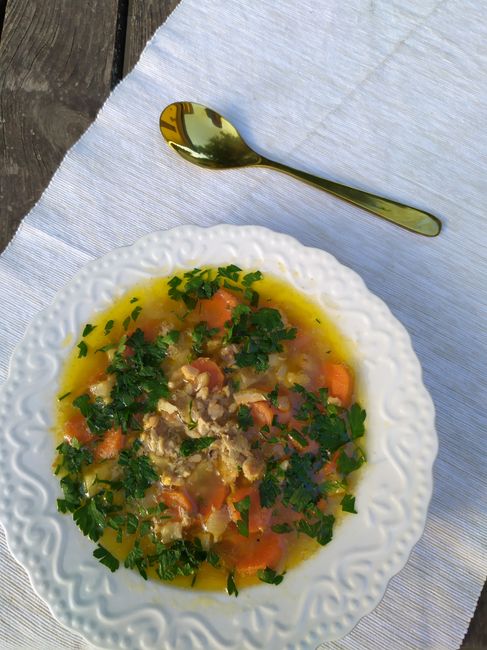
The Ultimate Guide to Crafting Perfect Chicken Wild Rice Soup
Chicken wild rice soup is a hearty, flavorful, and incredibly satisfying dish, a staple in many homes and a welcome presence on restaurant menus. Its appeal lies in the comforting combination of tender chicken, toothy wild rice, and a rich, creamy broth, often elevated with aromatic vegetables and herbs. This comprehensive guide will delve into every aspect of creating a truly exceptional chicken wild rice soup, from selecting the finest ingredients to mastering the cooking techniques that will yield a deeply flavorful and texturally delightful experience. Understanding the nuances of each component is key to transforming a simple soup into a culinary masterpiece.
The foundation of any great soup is its broth. For chicken wild rice soup, a homemade chicken broth is paramount. While store-bought options can suffice in a pinch, they often lack the depth and complexity that a homemade broth provides. To create an exceptional chicken broth, begin with good quality chicken bones, preferably roasted for an added layer of roasted flavor. A combination of backs, necks, and wings offers a good balance of collagen and flavor. Simmer these bones in cold water with aromatic vegetables like carrots, celery, onions, and a few sprigs of parsley and thyme. The slow, gentle simmer allows the collagen to break down, creating a rich mouthfeel and infusing the broth with savory notes. A tablespoon of apple cider vinegar added to the pot can also help to extract minerals from the bones, further enhancing the broth’s nutritional profile and flavor. Skim off any impurities that rise to the surface to ensure a clear and pure broth. Strain the broth thoroughly through a fine-mesh sieve lined with cheesecloth for ultimate clarity. This homemade broth will be the soul of your chicken wild rice soup, imbuing it with an unparalleled richness.
Wild rice, the star ingredient alongside chicken, is not technically rice but the seed of an aquatic grass. It boasts a distinct nutty flavor, a chewy texture, and a beautiful dark hue. The quality of your wild rice will significantly impact the final dish. Look for 100% pure wild rice, not a blend that often contains cultivated rice varieties. While 100% wild rice is more expensive, its superior flavor and texture are well worth the investment. Rinsing wild rice thoroughly before cooking is essential to remove any dust or grit. The cooking method for wild rice is crucial. It requires a longer cooking time than conventional rice and should be cooked separately from the soup base to achieve the optimal texture. A general guideline is to cook one part wild rice with three parts water or broth, bringing it to a boil, then reducing the heat and simmering for approximately 45-50 minutes, or until the kernels have "split" open and are tender but still retain a slight chew. Avoid overcooking, as this will result in mushy grains. Properly cooked wild rice adds a delightful textural contrast to the creamy soup.
Chicken is the other primary protein. While any cooked chicken can be used, rotisserie chicken offers a convenient and flavorful shortcut. The pre-cooked meat is often seasoned and tender, and its meat is usually a mix of white and dark meat, providing a good balance of flavor and moisture. If you are starting from scratch, poaching or roasting chicken breasts or thighs are excellent options. Poaching chicken gently in seasoned water or broth ensures tender, moist meat that shreds easily. Roasting chicken imparts a deeper flavor. Whichever method you choose, ensure the chicken is cooked through before shredding or dicing it into bite-sized pieces. The size of the chicken pieces should be in proportion to the grains of wild rice and the vegetables, creating a harmonious bite.
The mirepoix, a foundational aromatic base in French cuisine, is essential for building flavor in chicken wild rice soup. This trio of finely diced onions, carrots, and celery, sautéed until softened and slightly caramelized, releases its sweet and savory essences into the soup. The ratio of these vegetables is typically 2:1:1 (onion, carrot, celery), but this can be adjusted to personal preference. The key is to cook them slowly and patiently over medium-low heat. This gentle cooking process coaxes out their natural sugars without burning them, developing a depth of flavor that pre-made vegetable blends cannot replicate. Fresh, firm vegetables will yield the best results.
For the creamy element, a roux is the traditional and most effective method for thickening chicken wild rice soup. A roux is a cooked mixture of equal parts fat (typically butter) and flour. Melting butter in a heavy-bottomed pot over medium heat and whisking in an equal amount of all-purpose flour creates a paste. This paste is then cooked for a few minutes, allowing the raw flour taste to dissipate. A pale roux, cooked for only a couple of minutes, is sufficient for thickening soup without imparting a strong cooked-flour flavor. Gradually whisking in the warm chicken broth into the roux prevents lumps and creates a smooth, velvety base. The starch in the flour absorbs the liquid, thickening the soup to your desired consistency. The amount of roux used will determine the final thickness; start with a conservative amount and add more if needed.
While the core ingredients form the backbone of chicken wild rice soup, various additions can elevate its flavor profile. Mushrooms, particularly cremini or shiitake, add an earthy umami dimension that beautifully complements the nutty wild rice and savory chicken. Sautéing them separately before adding them to the soup concentrates their flavor and prevents them from becoming watery. Herbs play a crucial role in infusing the soup with freshness and aroma. Thyme, rosemary, and bay leaves are classic choices that pair exceptionally well with chicken and wild rice. Fresh herbs are always preferred for their vibrant flavor, but dried herbs can be used in a pinch, remembering that dried herbs are more potent and require less quantity. A pinch of dried thyme or a sprig of fresh thyme added during the simmering process will release its aromatic oils, enhancing the overall complexity of the soup.
The simmering process is where all the flavors meld and mature. Once the roux has been incorporated with the broth and the mirepoix has softened, introduce the cooked chicken, cooked wild rice, and any additional vegetables or herbs. Bring the soup to a gentle simmer, then reduce the heat to low, cover the pot, and allow it to cook for at least 30 minutes, or preferably longer, to allow the flavors to fully develop. A longer simmer, even up to an hour, will result in a more deeply flavored and cohesive soup. Stir occasionally to prevent sticking. Taste and adjust seasoning with salt and freshly ground black pepper. A splash of heavy cream or half-and-half stirred in towards the end of the simmering process adds a luxurious richness and silky texture. Be careful not to boil the soup after adding cream, as it can curdle.
For optimal SEO, consider the following keywords: "chicken wild rice soup recipe," "creamy chicken wild rice soup," "homemade chicken wild rice soup," "best chicken wild rice soup," "easy chicken wild rice soup," "hearty chicken wild rice soup," "how to make chicken wild rice soup," "chicken and wild rice soup ingredients," and "savory chicken wild rice soup." Incorporating these terms naturally throughout the article will improve its visibility in search engine results.
When it comes to presentation and serving, a bowl of chicken wild rice soup is often garnished with fresh parsley, chives, or a swirl of cream. It is best served hot, its comforting warmth a welcome embrace. It pairs wonderfully with crusty bread for dipping, a simple side salad, or a light sandwich. The soup’s inherent heartiness makes it a complete meal on its own. Reheating chicken wild rice soup is best done gently over low heat, stirring frequently. Adding a splash of broth or water can help to loosen the soup if it has thickened considerably during storage.
The nutritional profile of chicken wild rice soup can be quite impressive. It is a good source of protein from the chicken, fiber from the wild rice and vegetables, and various vitamins and minerals. While the creamy base does add calories and fat, it can be adjusted by using lower-fat dairy alternatives or a lighter broth base if desired. The use of whole, unprocessed ingredients contributes to its wholesome nature.
Variations on the classic chicken wild rice soup abound. For a dairy-free version, coconut milk or cashew cream can be used in place of dairy for creaminess. Adding a touch of smoked paprika can impart a subtle smoky undertone. Some recipes incorporate leeks in addition to onions for a milder, sweeter onion flavor. Other additions might include diced celery root for an extra layer of earthy flavor or a hint of lemon zest for brightness. The versatility of this soup allows for endless customization based on individual preferences and available ingredients.
The process of making chicken wild rice soup, from meticulously crafting the broth to the patient simmering of ingredients, is a labor of love that rewards with an exceptionally delicious and comforting result. Each step, from selecting quality wild rice to mastering the roux, contributes to the final symphony of flavors and textures. The inherent appeal of chicken wild rice soup lies in its ability to nourish both the body and the soul, making it a timeless and cherished dish. Understanding the science behind flavor development, the importance of texture, and the impact of each ingredient empowers home cooks to achieve restaurant-quality results. This detailed exploration aims to equip readers with the knowledge and confidence to create their ultimate chicken wild rice soup, a testament to the power of simple, wholesome ingredients prepared with care and attention. The resulting soup is more than just a meal; it’s an experience, a warm embrace in a bowl.


