The Evolution of Convenience-Based Home Cooking
The rise of "Million Dollar Spaghetti" mirrors broader trends in domestic culinary practices, which have shifted significantly toward meal-planning and batch-cooking over the last decade. As the pace of professional and personal life has accelerated, the demand for high-yield, freezer-friendly comfort foods has increased. Traditional lasagna, while universally appreciated, often requires significant labor, including the par-boiling of sheets, the careful layering of delicate ingredients, and an extended baking time.
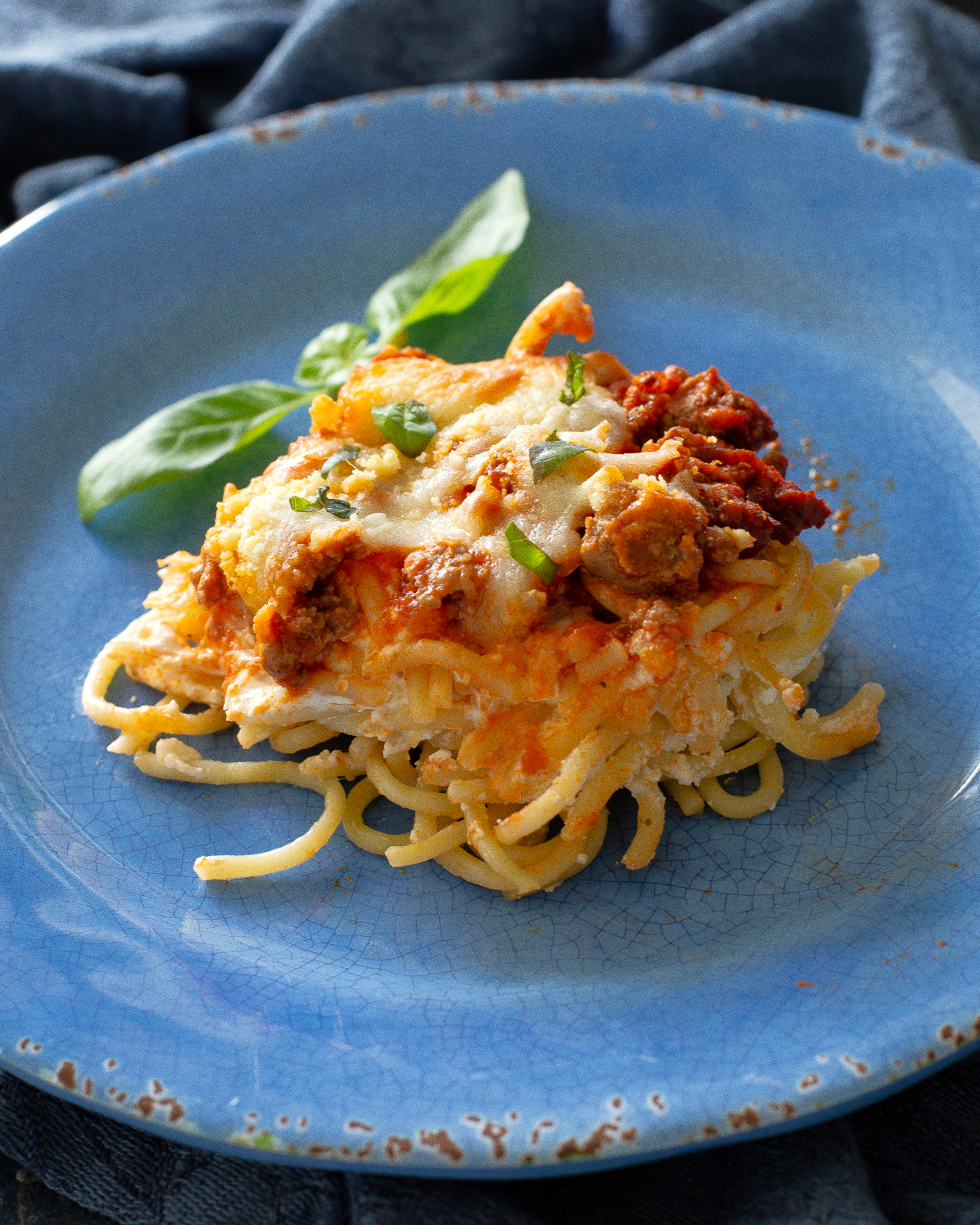
The "Million Dollar" variation optimizes this process by utilizing spaghetti—a pantry staple available in most households—as the structural base. The "million-dollar" moniker is widely believed to refer to the perceived richness of the dish rather than its actual cost, as the ingredients—cottage cheese, sour cream, and cream cheese—create a decadent, velvety texture that mimics the mouthfeel of a high-end restaurant entree. Culinary experts note that this technique effectively bypasses the labor-intensive assembly of traditional pasta-based casseroles while retaining the essential components of Italian-American comfort food: acidity from tomato-based sauces, fat from dairy, and carbohydrates for satiety.
Chronology and Culinary Methodology
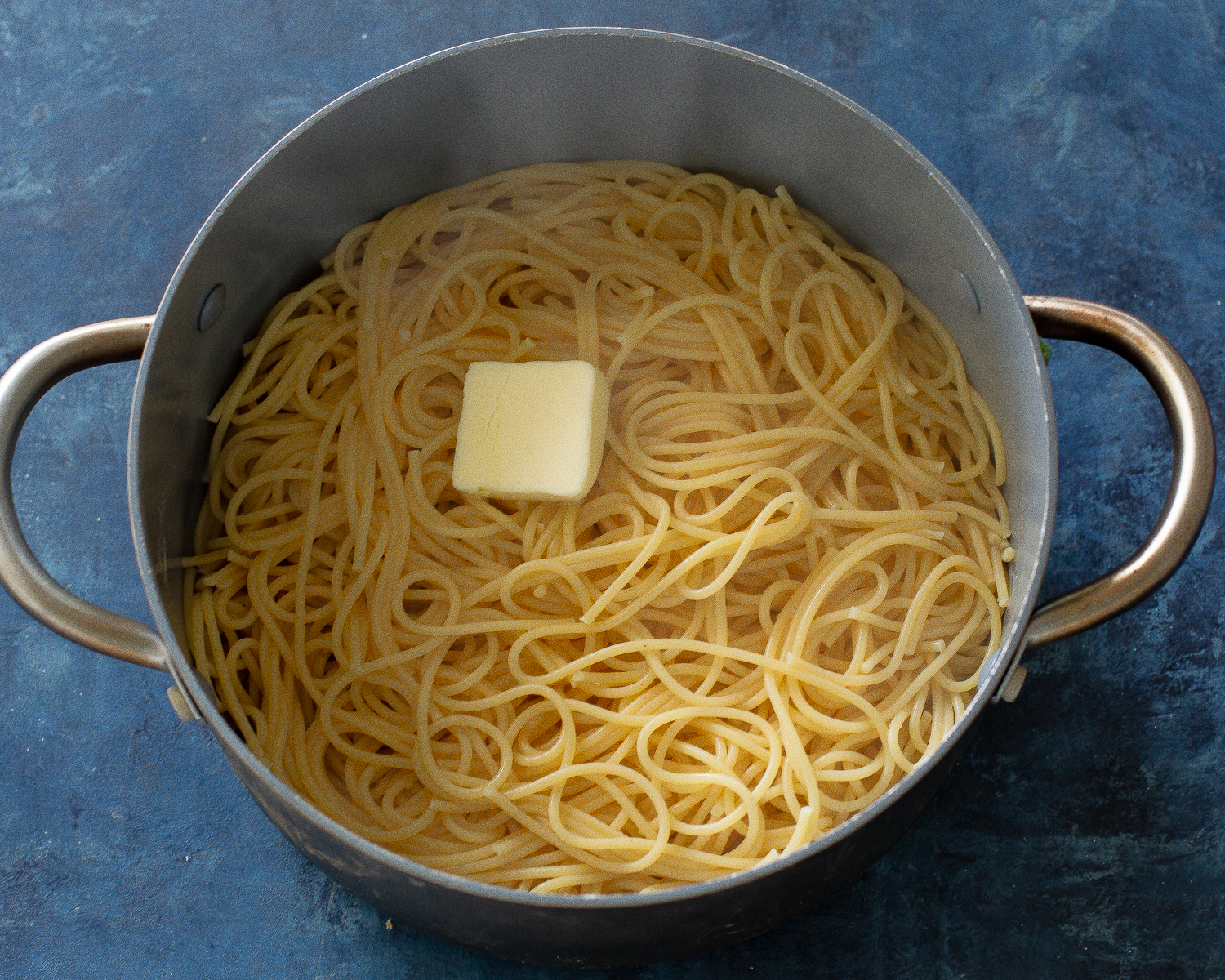
The preparation of Million Dollar Spaghetti typically follows a standardized sequence designed to maximize flavor development. The process begins with the preparation of a robust meat sauce, often utilizing ground beef browned to a specific consistency. Culinary guidelines for the dish suggest that browning the protein in advance is a critical step, as it allows for the rendering of fats and the development of Maillard reaction-driven flavors, which are then enhanced by the addition of aromatic herbs and tomato-based liquids.
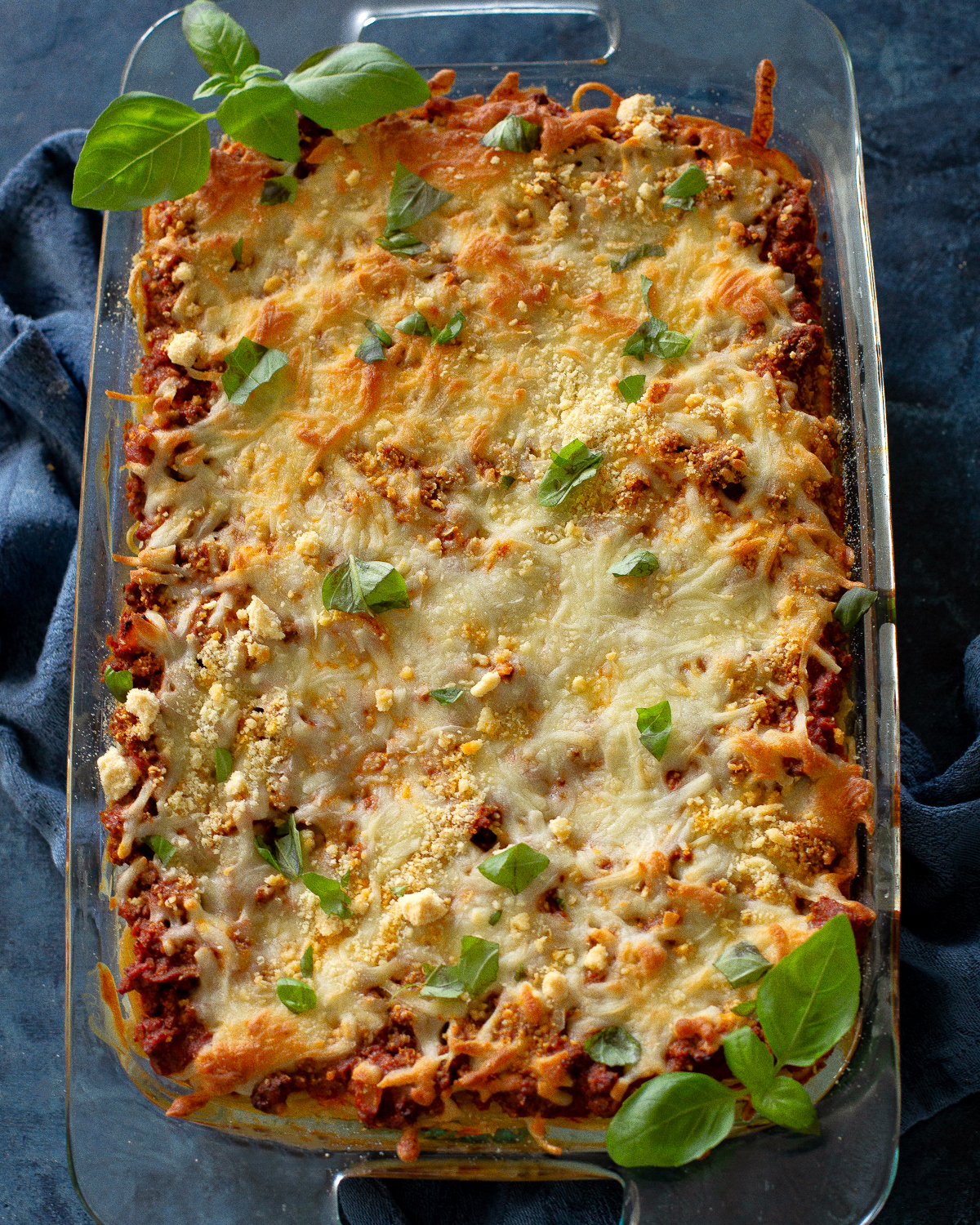
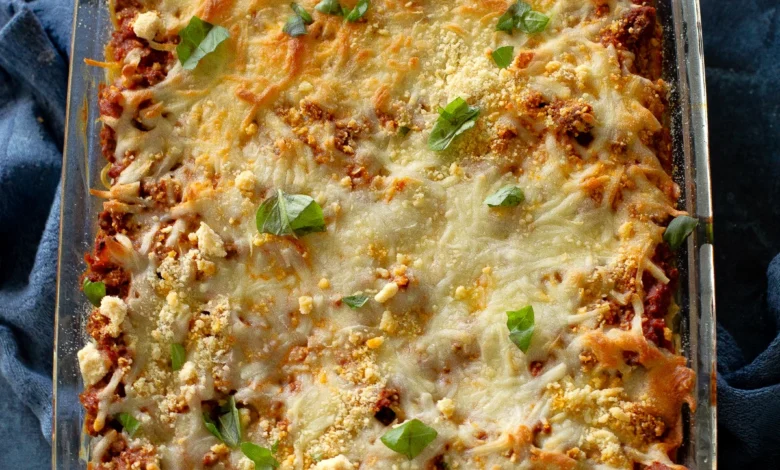
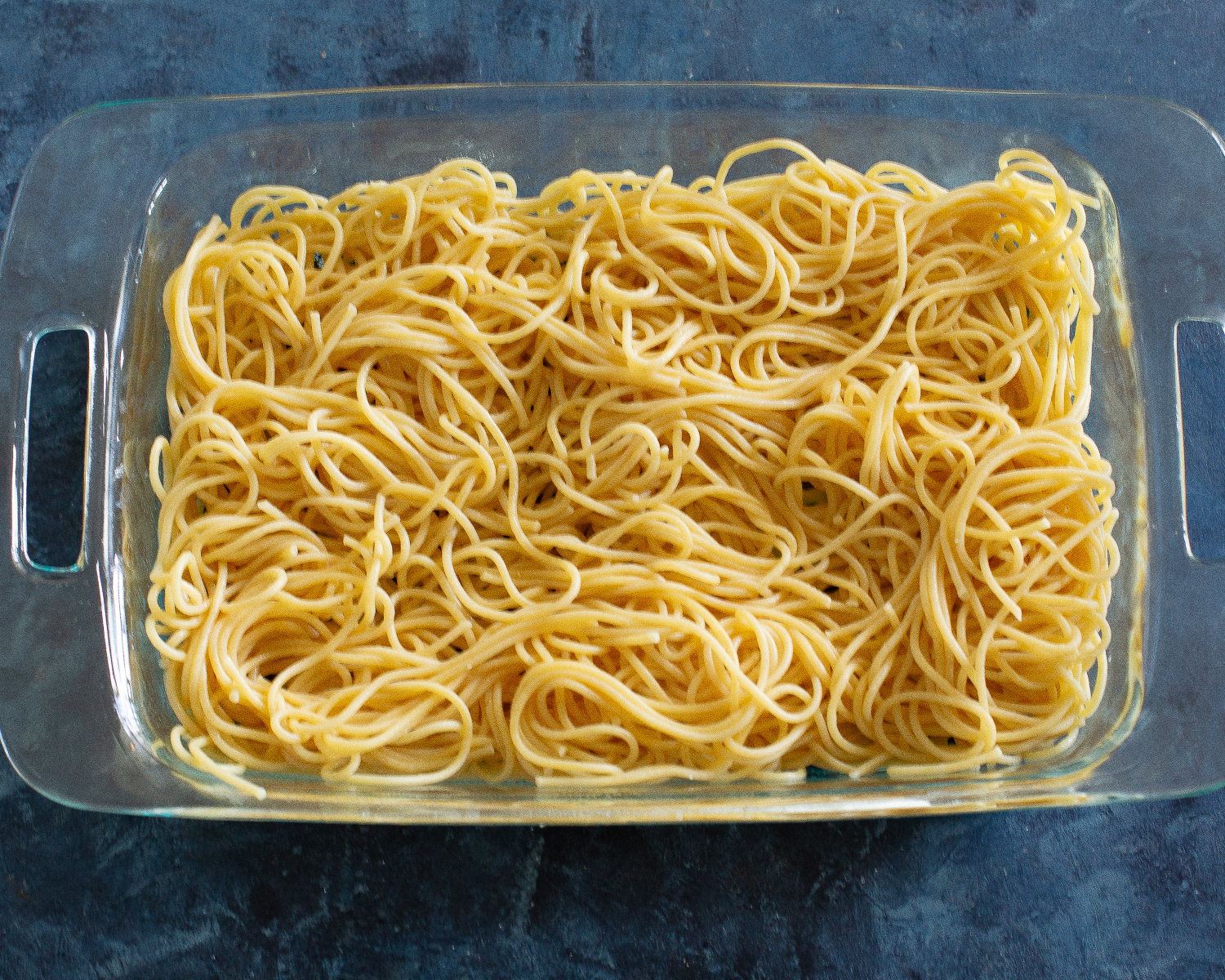
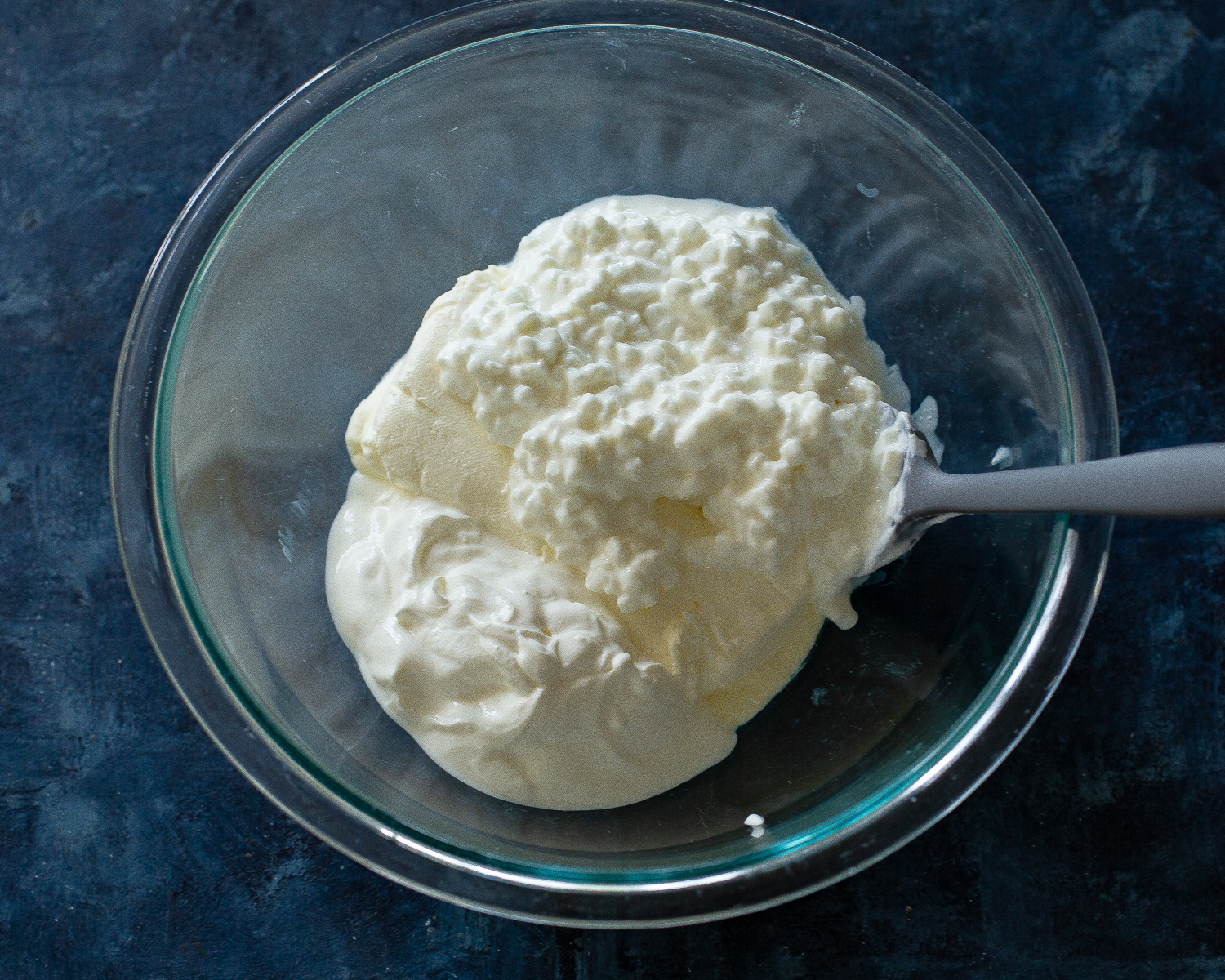
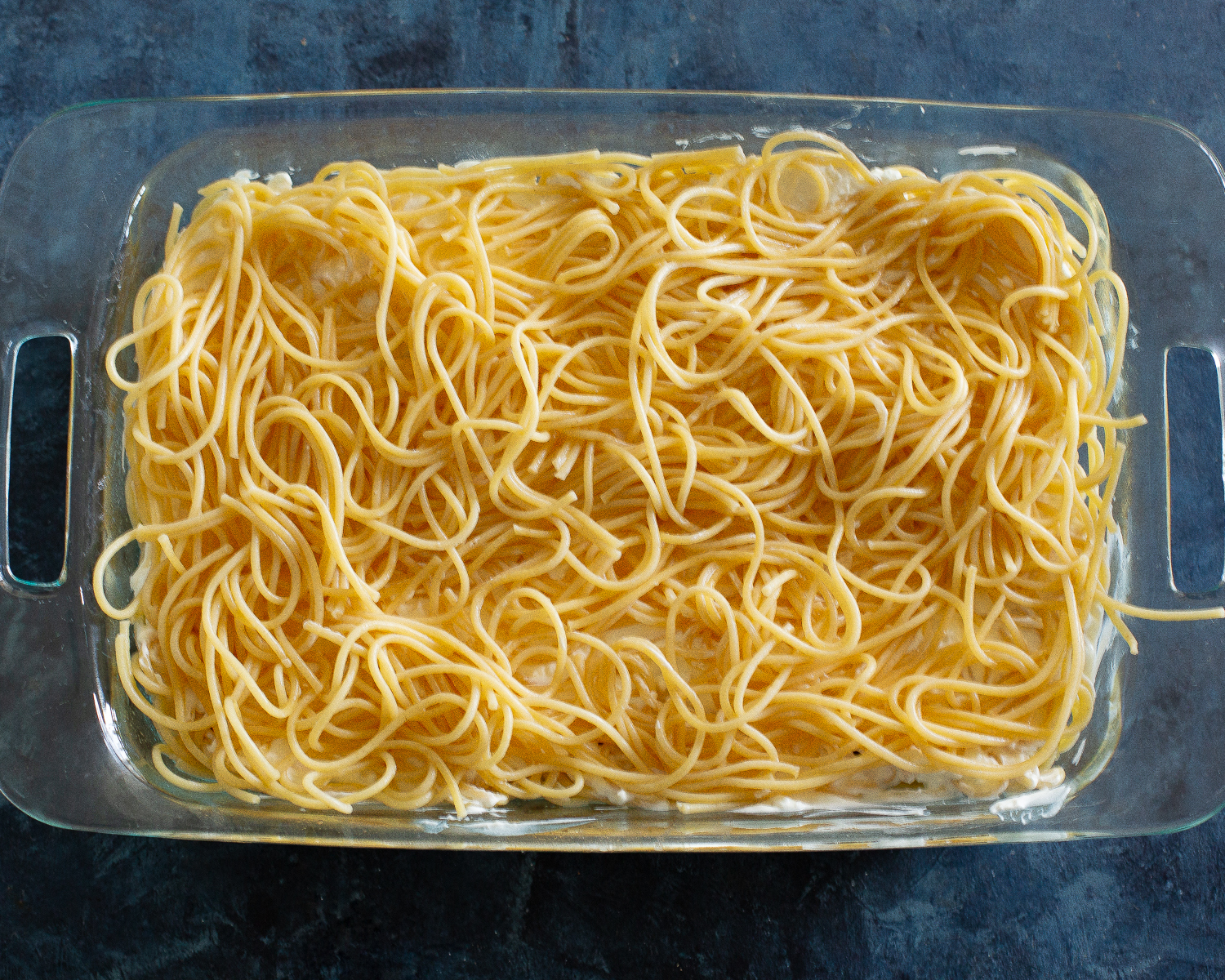
The secondary, and perhaps most distinct, component of the dish is the white layer. This is composed of a proprietary blend of cottage cheese, cream cheese, and sour cream. While the inclusion of cottage cheese often draws skepticism from those unfamiliar with the dish, food science indicates that it acts as a stabilizing agent that provides protein and moisture without the structural collapse often seen with softer cheeses. When baked, these ingredients integrate into the pasta, creating a cohesive, cream-infused structure. The final assembly involves the layering of the meat-laden pasta with the dairy mixture, followed by a generous topping of shredded cheese, which, when baked, creates a browned, savory crust.
Supporting Data on Freezer-Friendly Nutrition and Storage
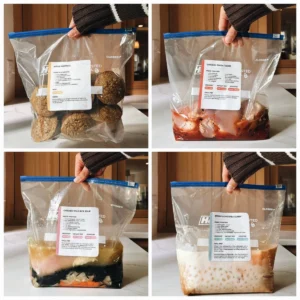
Data regarding consumer kitchen habits suggests that freezer-friendly meals, such as Million Dollar Spaghetti, have become essential for households managing strict schedules. Freezing, when executed correctly, serves as a natural preservative that maintains the integrity of the pasta and sauce. Nutritional analysts observe that by freezing the dish before the final bake, the ingredients remain protected from excessive moisture loss, ensuring that the pasta retains an "al dente" texture even after being reheated.
A key advantage of this dish is its scalability. A standard recipe, often designed to serve 12 individuals, allows for significant cost-efficiency in ingredient procurement. By purchasing bulk quantities of ground beef, cheese, and dry pasta, households can reduce the per-serving cost of the meal to a fraction of the cost of dining out or ordering takeout. Furthermore, the ability to store the casserole in aluminum or glass vessels makes it an ideal candidate for logistical distribution, whether for charitable purposes or for long-term family food security.
Expert Perspectives on Culinary Simplification
Professional chefs and food historians who study the trajectory of home cooking have noted that dishes like Million Dollar Spaghetti represent the democratization of complex flavors. The simplification of the lasagna-making process does not necessarily equate to a sacrifice in quality. On the contrary, the use of a cream-cheese-and-sour-cream binder is viewed by some as an evolution of the traditional Béchamel sauce used in classic Lasagna alla Bolognese. While the latter requires a precise roux and milk reduction, the "million-dollar" method achieves similar viscosity through the direct application of pre-thickened dairy products.
"What we are seeing is an emphasis on efficiency without the abandonment of flavor," says Sarah Jenkins, a consultant in the food service industry. "The dish is a classic example of modern ‘hacking’—taking the conceptual framework of a difficult dish and translating it into a format that is accessible to a busy parent or a student. It respects the palate of the consumer while acknowledging the reality of a 21st-century kitchen."
Broader Impact and Social Implications
The popularity of this dish extends beyond the kitchen, influencing how families interact during mealtime. As food prices fluctuate, the emphasis on high-volume, low-cost casseroles has become a focal point for those looking to manage household budgets without sacrificing the quality of their evening meals. The "Million Dollar" label, while colloquial, reflects the high value assigned to the dish by those who rely on it for consistent, reliable nourishment.
Furthermore, the dish has become a staple of community support. Because it is designed to be prepared in bulk and frozen, it is frequently utilized in "meal trains"—a practice where friends and neighbors provide food to families during periods of transition, such as the birth of a child, recovery from illness, or bereavement. The fact that the dish can be thawed in a refrigerator overnight and baked at the recipient’s convenience adds a layer of logistical utility that makes it a preferred option for those looking to provide meaningful, tangible support to others.
Challenges and Future Considerations
While the dish is widely praised, critics of the "faux" approach argue that it deviates from the culinary traditions of Italy. Purists often point to the texture of the cottage cheese or the lack of authentic layered pasta sheets as a departure from the "true" lasagna experience. However, the prevailing sentiment in the broader food media is that the dish occupies a distinct space in the American culinary canon—one that prioritizes comfort, utility, and shared experience over strict adherence to regional European traditions.
Looking ahead, as more households adopt the practice of batch-cooking, the importance of recipes like Million Dollar Spaghetti is expected to grow. Future iterations may see the incorporation of plant-based protein substitutes or alternative dairy-free binders to accommodate shifting dietary preferences, demonstrating the inherent flexibility of the dish’s design. As long as the core requirements of the modern lifestyle—time management, affordability, and the desire for high-quality, flavorful food—remain, this casserole will likely remain a fixture in homes across the country.
The enduring legacy of the dish is found in its simplicity. By effectively bridging the gap between the effort required to make a gourmet meal and the realities of a busy life, it serves as a testament to the idea that culinary excellence is not always defined by the complexity of the process, but by the satisfaction of the result. Whether served with a side of garlic bread and a crisp green salad or enjoyed as a standalone meal, Million Dollar Spaghetti provides a reliable, comforting, and highly efficient solution to the daily question of what to provide for dinner. Through its continued adaptation and adoption, it proves that with the right combination of ingredients, one can indeed achieve "million dollar" results in a fraction of the time.