
Maja Blanca Coconut Pudding

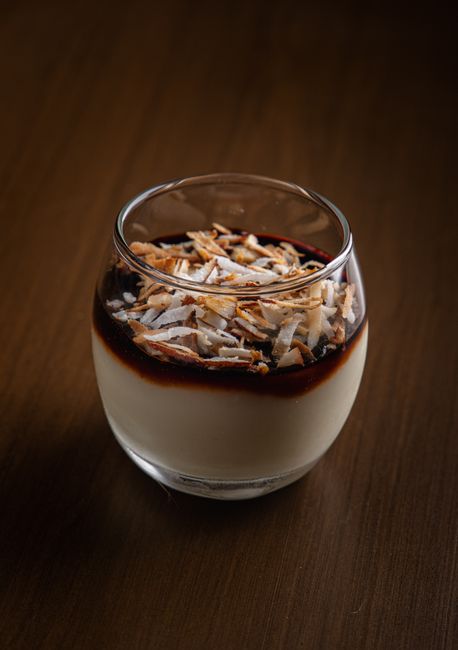
Maja Blanca Coconut Pudding: A Comprehensive Guide to this Beloved Filipino Dessert
Maja Blanca, a quintessentially Filipino dessert, stands as a testament to the country’s rich culinary heritage. This creamy, sweet pudding, primarily made from coconut milk and corn, offers a delightful texture and a comforting, subtly sweet flavor profile. Its popularity spans across generations and occasions, from humble family gatherings to grand fiestas. Understanding the nuances of its preparation, variations, and cultural significance provides a deeper appreciation for this iconic treat. This comprehensive guide delves into the heart of Maja Blanca, exploring its ingredients, cooking techniques, popular adaptations, and why it continues to hold such a special place in Filipino cuisine.
The foundational ingredients for Maja Blanca are remarkably simple, yet their interaction yields a complex and satisfying dessert. The star ingredient is, undoubtedly, coconut milk. High-quality, freshly squeezed coconut milk is preferred for its rich flavor and creamy texture. Canned coconut milk can be used as a substitute, but it’s crucial to select full-fat varieties to achieve the desired consistency. The other primary component is corn. Sweet corn kernels, whether fresh, canned, or frozen, provide sweetness and a pleasing chewiness that contrasts beautifully with the smooth pudding base. In its most classic form, the corn is often blended into the mixture, creating small, tender pieces throughout. Agar-agar or gelatin serves as the gelling agent. Agar-agar, derived from seaweed, is the traditional choice in many Filipino households, resulting in a firmer set. Gelatin offers a softer, more jiggly texture. Sugar, typically white granulated sugar, is added to sweeten the pudding to taste. Finally, a pinch of salt is often included to balance the sweetness and enhance the overall flavor profile. The beauty of Maja Blanca lies in this minimalist approach, allowing the natural flavors of coconut and corn to shine.
The preparation of Maja Blanca is a straightforward process, primarily involving simmering and setting. The first step often involves preparing the corn. If using fresh corn, the kernels are typically scraped off the cob and then processed. Some recipes call for blending a portion of the corn with some coconut milk to create a smoother base, while reserving some kernels for texture. For canned or frozen corn, it can be used directly, though some cooks still prefer to blend a portion for a smoother consistency. In a saucepan, a portion of the coconut milk is heated gently. The corn, along with any blended corn mixture, is added to the saucepan. Sugar and salt are then incorporated, and the mixture is brought to a simmer, allowing the flavors to meld and the sugar to dissolve completely. As the mixture simmers, the gelling agent, either agar-agar powder or dissolved gelatin, is gradually whisked in. If using agar-agar, it’s typically dissolved in a small amount of water or coconut milk before being added to the simmering mixture. This ensures it disperses evenly and activates its gelling properties. The mixture is cooked for a few minutes until it thickens slightly, coating the back of a spoon. This simmering process is crucial for developing the pudding’s characteristic creamy texture and ensuring all ingredients are fully incorporated.
Once the mixture has thickened, it is carefully poured into a mold or serving dish. Traditionally, square or rectangular molds are used, allowing for easy slicing later. However, individual ramekins or serving glasses can also be utilized. The surface of the pudding is often smoothed with a spatula. The Maja Blanca is then left to cool at room temperature for a short period before being transferred to the refrigerator to set completely. This setting process typically takes at least two to three hours, or until the pudding is firm to the touch. Rushing this step can result in a soft, unset Maja Blanca. Once fully set, it is ready to be served. The simplicity of the cooking process makes Maja Blanca an accessible dessert for home cooks of all skill levels.
The classic Maja Blanca, often referred to as Maja Blanca de Leche, is the most widely recognized version. Its primary components are coconut milk, corn, and sugar. However, the inherent versatility of this dessert has led to numerous popular variations, each offering a unique twist on the original. One of the most beloved adaptations is Maja Blanca with Latik. Latik refers to the toasted coconut milk residue, a flavorful and aromatic topping. To make latik, coconut milk is simmered until the water evaporates, leaving behind solids that are then browned and toasted. This crunchy, nutty topping adds an irresistible texture and depth of flavor to the Maja Blanca. Another popular variation incorporates ube, a purple yam, into the pudding. Maja Blanca de Ube is a vibrant and visually stunning dessert, its bright purple hue making it a favorite for celebrations. The ube is typically grated and simmered with the coconut milk and sugar, imparting its distinct flavor and color.
Other noteworthy variations include Maja Blanca with cheese. A sprinkle of grated cheddar cheese on top before serving adds a surprising and delightful savory note that complements the sweetness of the pudding. This combination is particularly popular in regions where cheese is a staple ingredient. Maja Blanca with Pandan is another aromatic variation. Pandan extract or pandan leaves are infused into the coconut milk during the simmering process, lending the pudding a fragrant, floral aroma that is distinctly Southeast Asian. For those seeking a richer dessert, Maja Blanca with condensed milk offers an extra layer of sweetness and creaminess. The condensed milk replaces some of the granulated sugar, creating a more decadent pudding. The options are almost endless, reflecting the creativity and adaptability of Filipino cooks. Each variation, while distinct, retains the core creamy, sweet, and comforting essence that defines Maja Blanca.
The cultural significance of Maja Blanca in the Philippines cannot be overstated. It is more than just a dessert; it is a symbol of hospitality, celebration, and community. Its humble origins, utilizing readily available ingredients like coconut and corn, make it a dessert that is accessible to all, regardless of socioeconomic status. This egalitarian nature has cemented its place as a staple at almost every Filipino gathering. During fiestas and holidays, platters of Maja Blanca are a common sight, shared among neighbors and friends. The act of preparing and sharing Maja Blanca is often a communal effort, with family members coming together to cook and set the pudding. This shared experience further deepens its cultural importance.
Furthermore, Maja Blanca is often associated with special occasions like birthdays, weddings, and anniversaries. Its appealing texture and sweet flavor make it a crowd-pleaser, a dessert that is almost guaranteed to be enjoyed by guests of all ages. The vibrant colors of variations like Maja Blanca de Ube also make it a visually festive addition to any celebration. The dessert’s adaptability also speaks to its cultural resonance. As Filipino communities have spread globally, Maja Blanca has traveled with them, becoming a beloved taste of home for those living abroad. This ability to evoke nostalgia and connect people to their roots underscores its enduring cultural significance.
Optimizing Maja Blanca content for search engines requires a strategic approach to keywords and content structure. The primary keyword, "Maja Blanca," should be prominently featured throughout the article, including in the title, headings, and body text. Related keywords such as "coconut pudding," "Filipino dessert," "maja blanca recipe," "ube maja blanca," "maja blanca latik," and "how to make maja blanca" should also be naturally integrated. Using these terms in descriptive subheadings can improve readability and SEO. For instance, subheadings like "The Essential Ingredients of Authentic Maja Blanca," "Step-by-Step Maja Blanca Preparation Guide," and "Popular Maja Blanca Variations to Try" are effective.
The article’s comprehensive nature, covering ingredients, preparation, variations, and cultural significance, addresses a wide range of user search queries. This depth of information signals to search engines that the content is authoritative and valuable. Incorporating internal links to related recipes or culinary articles on a website can also enhance SEO by keeping users engaged and improving site navigation. External links to reputable sources, if applicable, can further bolster credibility. The use of clear, concise language and a logical structure ensures that both users and search engine crawlers can easily understand and process the information. Ensuring the article is mobile-responsive and loads quickly are also critical technical SEO factors. The inclusion of a detailed recipe within the article, or a clear call to action to a recipe page, will be highly beneficial for users actively searching for instructions on how to make Maja Blanca.
In conclusion, Maja Blanca is a dessert that embodies the heart and soul of Filipino cuisine. Its simple yet elegant preparation, reliance on fundamental ingredients like coconut milk and corn, and its ability to be endlessly adapted have secured its status as a beloved classic. From the traditional Maja Blanca de Leche to the vibrant Maja Blanca de Ube and the textural delight of Maja Blanca with Latik, this pudding offers a spectrum of sensory experiences. Beyond its delicious taste and texture, Maja Blanca holds a deep cultural significance, representing hospitality, celebration, and the enduring bonds of community. As a cornerstone of Filipino culinary tradition, Maja Blanca continues to enchant palates and foster connections, proving that sometimes, the most profound culinary experiences are born from the simplest of ingredients. Its enduring popularity is a testament to its timeless appeal, making it a dessert that will undoubtedly continue to be cherished for generations to come.


