
Roasted Sausage And Sauerkraut

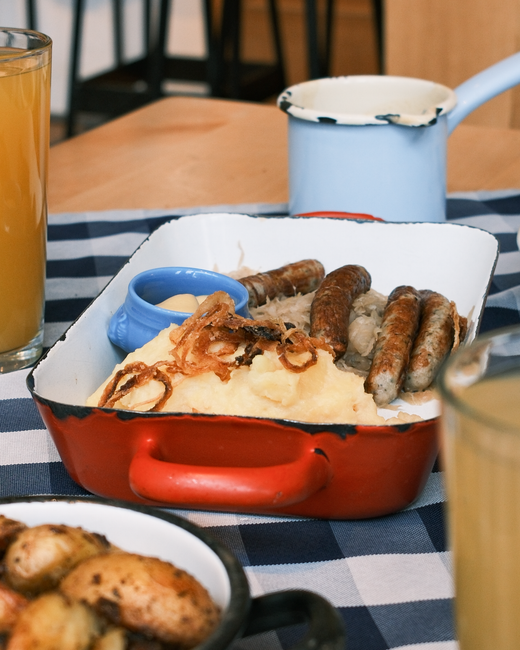
The Ultimate Guide to Roasted Sausage and Sauerkraut: A Flavorful Pairing
Roasted sausage and sauerkraut represent a classic culinary partnership, a symphony of savory, smoky, and tangy flavors that has captivated palates for generations. This seemingly simple dish, rooted in Central and Eastern European traditions, offers a depth of taste and a satisfying heartiness that makes it perfect for weeknight meals, hearty brunches, or even casual entertaining. The magic lies in the synergy between the rich, often spiced sausage and the fermented tang of sauerkraut, amplified by the Maillard reaction that occurs during roasting. This article will delve deep into the world of roasted sausage and sauerkraut, exploring its history, the best sausage and sauerkraut varieties, preparation techniques, complementary flavors, and tips for achieving a truly memorable culinary experience. We will uncover why this dish remains a perennial favorite and how to elevate it beyond its humble origins.
The historical roots of sausage and sauerkraut are deeply intertwined, reflecting centuries of agricultural practices and food preservation techniques. Sausage, in its myriad forms, has been a staple of human diets since prehistoric times, a practical method for preserving meat. Early methods involved salting, smoking, and drying, with spices and herbs added for flavor and further preservation. Sauerkraut, a fermented cabbage dish, also boasts an ancient lineage. Its origins are often traced back to China, where fermented vegetables were consumed thousands of years ago, eventually making their way to Europe through trade routes. The German word "Sauerkraut" literally translates to "sour herb" or "sour cabbage," highlighting its defining characteristic. In regions with cold winters, where fresh produce was scarce, sauerkraut offered a vital source of vitamins and a welcome tangy counterpoint to otherwise monotonous diets. The combination of sausage and sauerkraut likely arose organically in peasant households, where readily available ingredients were combined to create a filling and flavorful meal. The fermentation process of sauerkraut not only preserved the cabbage but also developed complex, probiotic-rich flavors that beautifully cut through the richness of roasted meats. This natural pairing, born out of necessity and tradition, has endured due to its inherent deliciousness and nutritional benefits.
Selecting the right sausage is paramount to achieving an exceptional roasted sausage and sauerkraut dish. The spectrum of sausage varieties is vast, each bringing its own unique flavor profile and texture to the table. For a classic German-inspired experience, consider bratwurst, a finely ground pork sausage seasoned with marjoram and nutmeg. Its mild spice and juicy interior make it an ideal canvas for the sauerkraut. Another excellent choice is kielbasa, a semi-firm, smoked sausage of Polish origin. Its smoky notes and robust flavor stand up well to the tang of sauerkraut. For those seeking a bit more heat, a spicy Italian sausage or a chorizo can introduce an exciting dimension. The key is to choose a sausage that is meant to be cooked through, rather than a cured, ready-to-eat variety. Look for sausages with a good fat content, as this contributes to juiciness and prevents them from drying out during roasting. Fresh, uncured sausages will absorb the flavors of the roasting pan and the sauerkraut, becoming incredibly tender and flavorful. Consider regional specialties as well; explore local butcher shops for artisanal sausages that might incorporate unique spice blends or locally sourced meats. The casing of the sausage also plays a role; a natural casing will provide a satisfying “snap” when bitten into, while a synthetic casing may offer a more consistent texture. When roasting, the rendered fat from the sausage will mingle with the sauerkraut, infusing it with savory goodness and creating a delightful richness.
The type and preparation of sauerkraut are equally crucial. While pre-packaged sauerkraut is widely available, the quality can vary significantly. For optimal flavor, seek out "live" or "raw" sauerkraut from the refrigerated section of your grocery store or farmers’ market. These varieties are unpasteurized and contain beneficial probiotics, contributing to a more vibrant and complex taste. They typically have a crisper texture and a more pronounced tangy flavor. If using jarred, pasteurized sauerkraut, rinsing it briefly under cold water can temper some of its intensity, making it more palatable for those unaccustomed to its assertive tang. However, be mindful that rinsing also removes some of the flavorful brine. When preparing roasted sausage and sauerkraut, the sauerkraut is often incorporated into the roasting pan with the sausage. This allows it to warm through, soften slightly, and absorb the rendered sausage fat and juices. Some recipes call for caramelizing the sauerkraut further by roasting it on its own for a period before adding the sausage, or by adding a touch of sugar or honey to balance the acidity. The key is to achieve a tender yet slightly crisp texture, avoiding a mushy or overly sour result.
The roasting process itself is where the alchemy happens, transforming simple ingredients into a harmonious dish. Preheat your oven to a moderately high temperature, typically between 375°F (190°C) and 425°F (220°C). This high heat is essential for achieving a beautiful sear on the sausages and for caramelizing the sauerkraut. Arrange the sausages in a single layer in a roasting pan or a heavy-bottomed oven-safe skillet. If using a roasting pan, you can place a bed of sliced onions or apples beneath the sausages to add sweetness and moisture. Scatter the sauerkraut around and amongst the sausages. Ensure the sauerkraut isn’t packed too tightly, allowing for even heating and browning. For added flavor, consider drizzling a tablespoon or two of apple cider or beer over the sauerkraut before roasting. These liquids will steam the sauerkraut, adding moisture and a subtle flavor complexity. Roasting times will vary depending on the thickness of your sausages and the heat of your oven, but generally, expect 25-40 minutes. The sausages should be cooked through and nicely browned, with some charred edges. The sauerkraut should be tender, slightly crisped in places, and infused with the sausage drippings. Periodically, you can baste the sausages and sauerkraut with the pan juices to enhance their flavor and moisture. For an even deeper flavor, some chefs like to brown the sausages on the stovetop in the roasting pan before transferring it to the oven to finish cooking with the sauerkraut.
While roasted sausage and sauerkraut are a delightful pairing on their own, they can be further enhanced with complementary flavors and ingredients. The inherent acidity of sauerkraut makes it a perfect foil for rich, fatty meats, but introducing aromatics can elevate the dish even further. Sliced onions, whether yellow, red, or sweet varieties, caramelize beautifully alongside the sausage and sauerkraut, adding a natural sweetness and depth. Garlic cloves, either whole or minced, will soften and mellow during roasting, lending a subtle pungency. Apples, particularly tart varieties like Granny Smith, offer a delightful sweet and tart contrast that complements both the sausage and the sauerkraut. Sliced and scattered amongst the other ingredients, they become tender and slightly caramelized. Herbs such as thyme, rosemary, and caraway seeds are classic companions. Caraway seeds, in particular, have a natural affinity for sauerkraut, adding their distinct earthy, slightly peppery flavor. A splash of apple cider vinegar or a good quality mustard, stirred into the sauerkraut before roasting, can further amplify its tang and complexity. For a touch of sweetness to balance the acidity, a drizzle of honey, maple syrup, or even a tablespoon of brown sugar can be incorporated. Consider adding a splash of white wine or beer to the roasting pan to deglaze the bottom and create a flavorful sauce. The rendered fat from the sausage can also be used to create a quick pan sauce, thickened with a little flour or cornstarch and seasoned to taste.
Serving roasted sausage and sauerkraut is an exercise in comfort food perfection. The dish is inherently hearty, so traditional accompaniments are often simple and straightforward, allowing the main flavors to shine. Mashed potatoes are a classic partner, their creamy texture a soothing contrast to the tangy sauerkraut and savory sausage. Crusty bread, such as a hearty rye or a simple baguette, is essential for sopping up any leftover pan juices. A dollop of whole-grain mustard or a side of spicy brown mustard provides a zesty kick that complements the dish. For a lighter touch, a simple green salad with a vinaigrette can offer a refreshing counterpoint. Pickled vegetables, such as dill pickles or pickled red onions, can add another layer of tang and crunch. Some regions also serve roasted sausage and sauerkraut with a side of boiled potatoes or a simple potato salad. The key is to choose accompaniments that don’t overpower the star of the show. The visual appeal of roasted sausage and sauerkraut is also undeniable. The golden-brown sausages, the glistening sauerkraut, and the caramelized edges of the onions and apples create a rustic and inviting presentation.
Beyond the traditional preparation, there are numerous ways to adapt and innovate with roasted sausage and sauerkraut. Consider using different types of sausages for a diverse flavor profile. A spicy Italian sausage with fennel can create a Mediterranean-inspired twist, while a smoky Andouille sausage can introduce a Creole flair. For a vegetarian option, plant-based sausages can be roasted alongside sauerkraut, though they may require slightly different cooking times and seasoning adjustments. Incorporating vegetables like bell peppers, Brussels sprouts, or sweet potatoes into the roasting pan can add color, texture, and nutritional value. A sprinkle of smoked paprika or a pinch of red pepper flakes before roasting can introduce a smoky or spicy element. For a truly decadent experience, consider topping the finished dish with a dollop of sour cream or a scattering of fresh chives. The possibilities are as diverse as the ingredients themselves. Experimentation is encouraged to discover your personal favorite variations. The fundamental principle remains the same: the harmonious interplay of savory sausage, tangy sauerkraut, and the caramelization achieved through roasting.
The nutritional aspects of roasted sausage and sauerkraut, while perhaps not its primary draw, are worth noting. Sauerkraut, as a fermented food, is rich in probiotics, which are beneficial bacteria that support gut health. It is also a good source of vitamin C and vitamin K. Sausage, of course, provides protein and essential nutrients like B vitamins and iron. However, it’s important to acknowledge that sausages can also be high in sodium and saturated fat, depending on the type. Choosing leaner sausage varieties and enjoying this dish in moderation can help balance its nutritional profile. The fermentation process of sauerkraut can also increase the bioavailability of certain nutrients, making them easier for the body to absorb. When preparing the dish, opting for less added oil and focusing on the natural rendered fats from the sausage can also contribute to a healthier preparation.
In conclusion, roasted sausage and sauerkraut is more than just a simple meal; it’s a testament to the power of combining humble ingredients to create something truly extraordinary. Its rich history, the versatility of its components, and the depth of flavor achieved through roasting make it a culinary experience that resonates with a wide audience. Whether you’re a seasoned home cook or just beginning your culinary journey, mastering this classic dish offers a rewarding and delicious outcome. From selecting the perfect sausage and sauerkraut to understanding the nuances of roasting and complementary flavors, this comprehensive guide provides the tools to create an unforgettable roasted sausage and sauerkraut experience. The enduring popularity of this dish speaks volumes about its inherent appeal and its ability to bring comfort and satisfaction to the table. Embrace the simplicity, experiment with variations, and savor the robust, tangy, and savory magic of roasted sausage and sauerkraut.


