The traditional Caribbean comfort food landscape is undergoing a quiet culinary evolution, driven by modern kitchen technology and an increasing consumer demand for healthier preparation methods. A prime example of this shift is the growing popularity of air fryer mofongo, a lighter adaptation of the classic Dominican and Puerto Rican plantain-based dish. Developed by culinary creator Clara Gonzalez, this innovative recipe successfully replicates the savory, garlic-infused profile of traditional mofongo while eliminating the deep-frying process that has historically characterized the dish. By replacing immersion frying with air convection heating, home cooks can reduce the heavy oil absorption and tedious cleanup typically associated with preparing the beloved staple.
Main Facts of the Air Fryer Adaptation
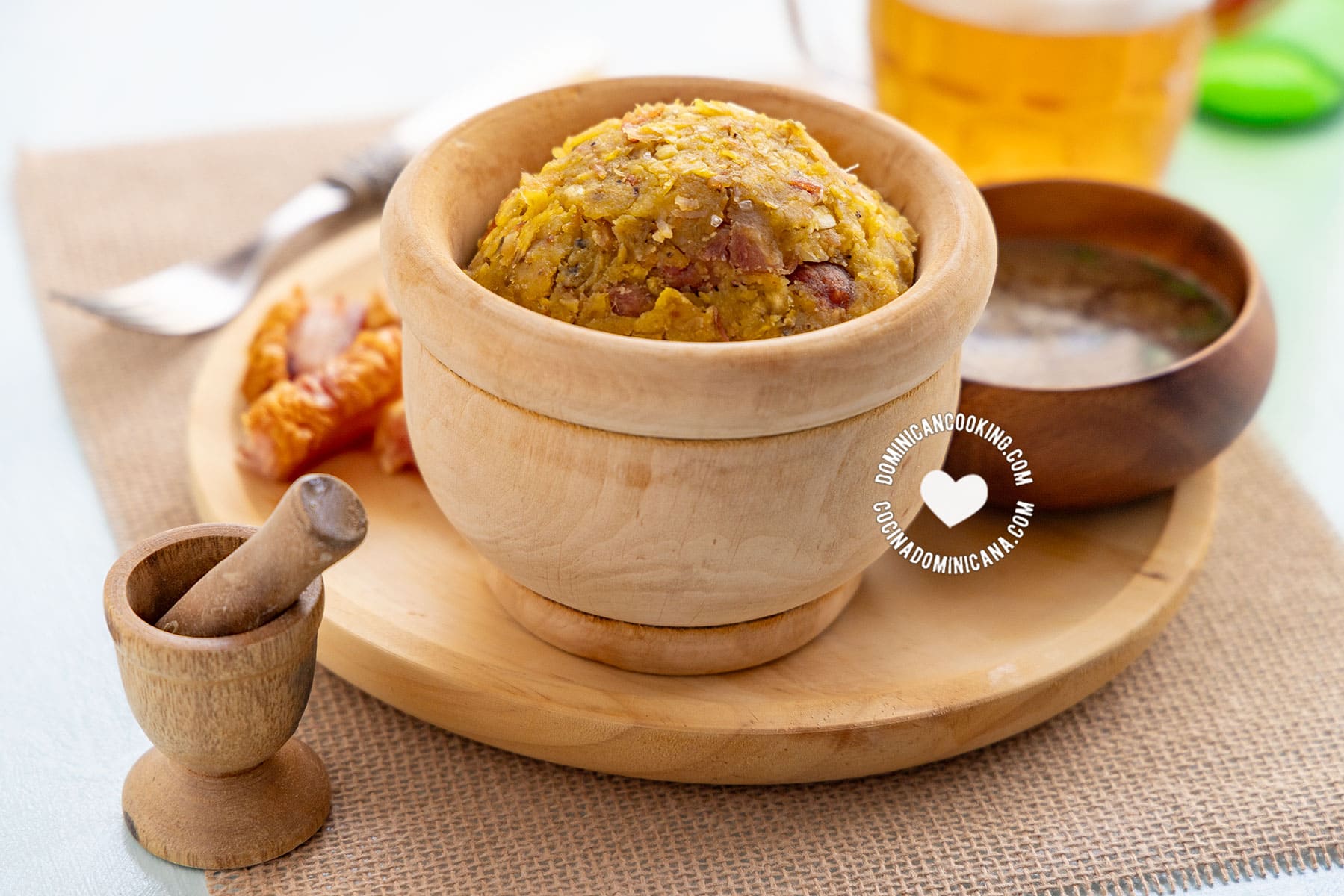
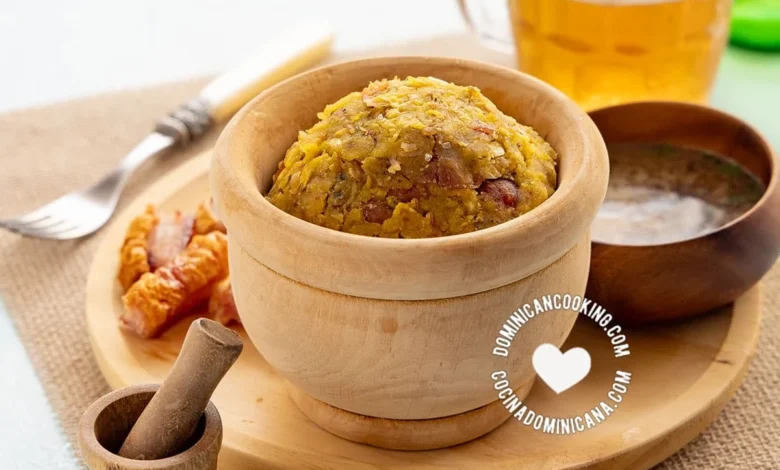
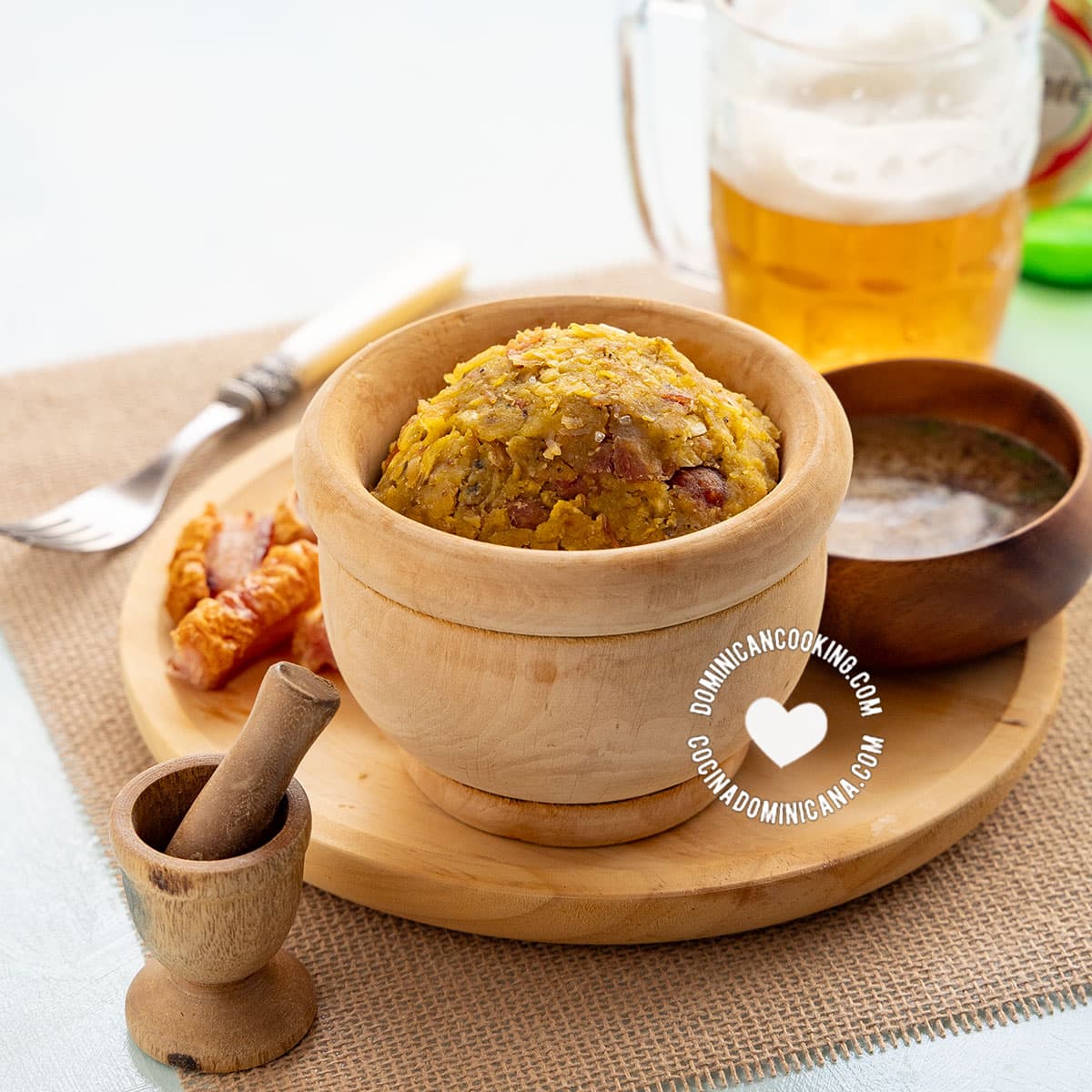
Mofongo is traditionally crafted from green plantains that are peeled, sliced, fried until tender yet firm, and subsequently mashed in a wooden mortar—known as a pilón—alongside garlic, salt, olive oil, or pork cracklings (chicharrón). While the classic preparation yields a rich, dense texture and a distinct umami flavor profile, it also results in a high-calorie count and considerable kitchen maintenance due to oil splatters and post-cooking waste.
The newly popularized air fryer version retains the core components of the dish—green plantains, aromatic garlic, and savory pork elements—while modifying the cooking phase. In Gonzalez’s formulation, the plantains undergo an air-frying process that achieves the necessary softening and exterior crispness without submerging the produce in boiling fat. This adaptation aligns with broader culinary trends across Latin America, where home cooks increasingly utilize countertop air fryers to modernize criollo cuisine without sacrificing cultural authenticity or flavor integrity.
Chronology and Evolution of Mofongo Preparation

The origins of mofongo trace back centuries, rooted in the culinary traditions of the Caribbean, heavily influenced by African cooking techniques brought to the region during the colonial era. Enslaved Africans applied traditional mashing and roasting techniques used for root vegetables in their homelands to the abundant local plantains of the Antilles.
Historically, before deep-frying became the dominant method in commercial establishments and modern households, early iterations of mofongo frequently relied on roasting plantains over open flames or hot coals, a method chemically and texturally comparable to preparing roasted sweet potatoes (batata asada). Over time, commercialization and restaurant practices popularized the deep-fried variation for its speed and decadent mouthfeel.
The introduction of the electric air fryer in the early 2010s, followed by its mass market saturation in the 2020s, provided a technological bridge back to these earlier roots. By utilizing rapid air circulation, home cooks could simulate the dry-heat transformation of traditional roasting combined with the efficiency of modern frying, bridging a historical gap between ancestral roasting practices and contemporary convenience.
Supporting Data and Nutritional Profile
From a nutritional standpoint, traditional deep-fried mofongo is exceptionally dense, often exceeding 800 to 1,000 calories per serving depending on the quantity of oil absorbed during the double-frying process and the inclusion of animal fats.
According to standard nutritional metrics provided for Gonzalez’s air-fried formulation, a single four-serving recipe yields approximately 690 kilocalories per portion, alongside 58 grams of carbohydrates, 37 grams of protein, and 36 grams of fat. While the dish remains a substantial main course, the reduction in total lipid absorption marks a measurable improvement in dietary profile compared to its deep-fried counterpart.
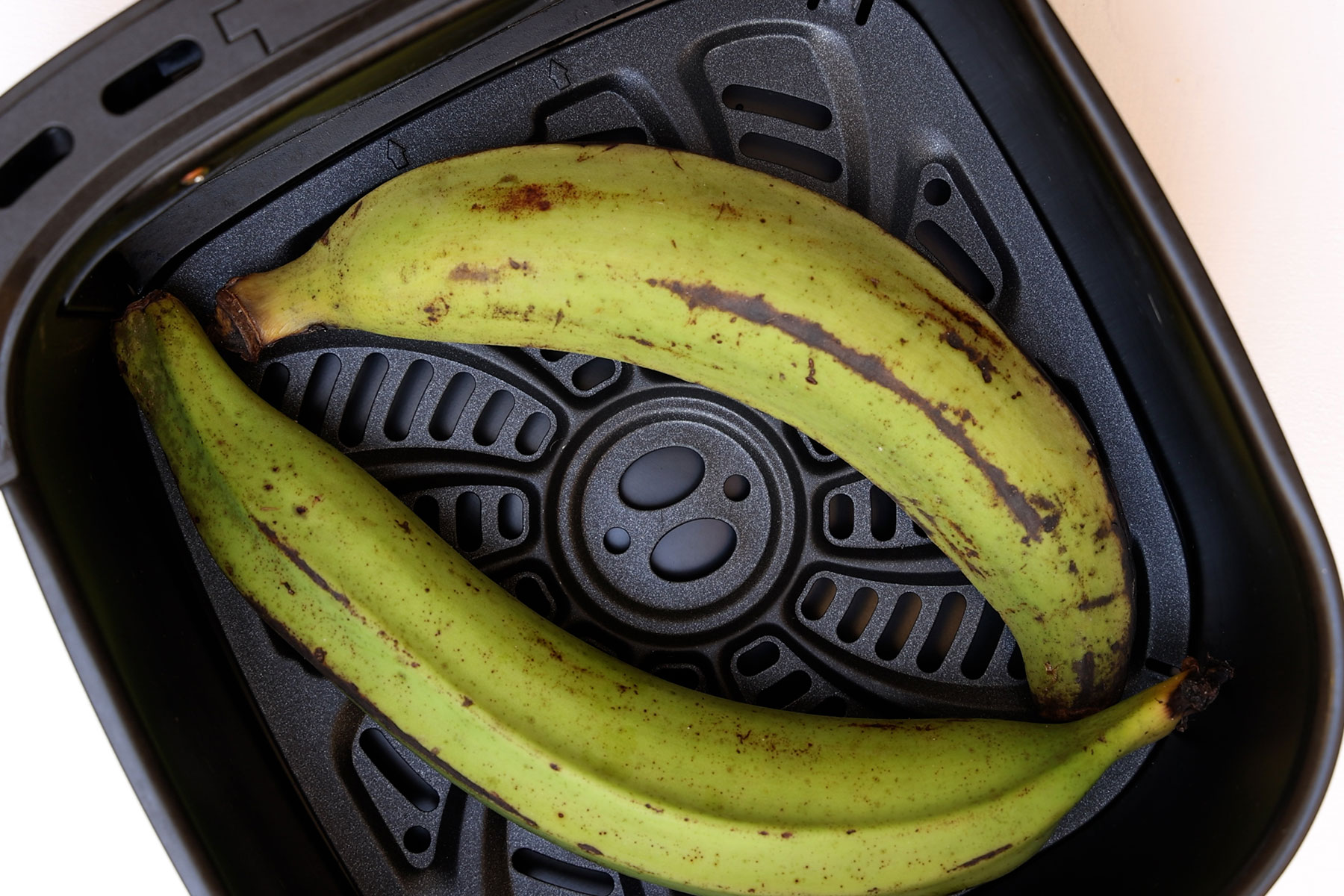
Furthermore, the recipe’s macronutrient distribution highlights the plantain’s role as a complex carbohydrate source, contributing 3 grams of dietary fiber and nearly 900 milligrams of potassium per serving, alongside significant micronutrients such as Vitamin C and iron derived from the fresh garlic and plantain base.
Culinary Analysis and Cultural Implications
The rise of appliance-specific adaptations for traditional ethnic dishes reflects a broader movement in global gastronomy: the democratization and preservation of heritage recipes through modern health-conscious lenses. Culinary historians note that as diaspora communities and food enthusiasts seek to integrate traditional diets into contemporary, fast-paced, and health-focused lifestyles, adaptation becomes a necessity rather than a compromise.
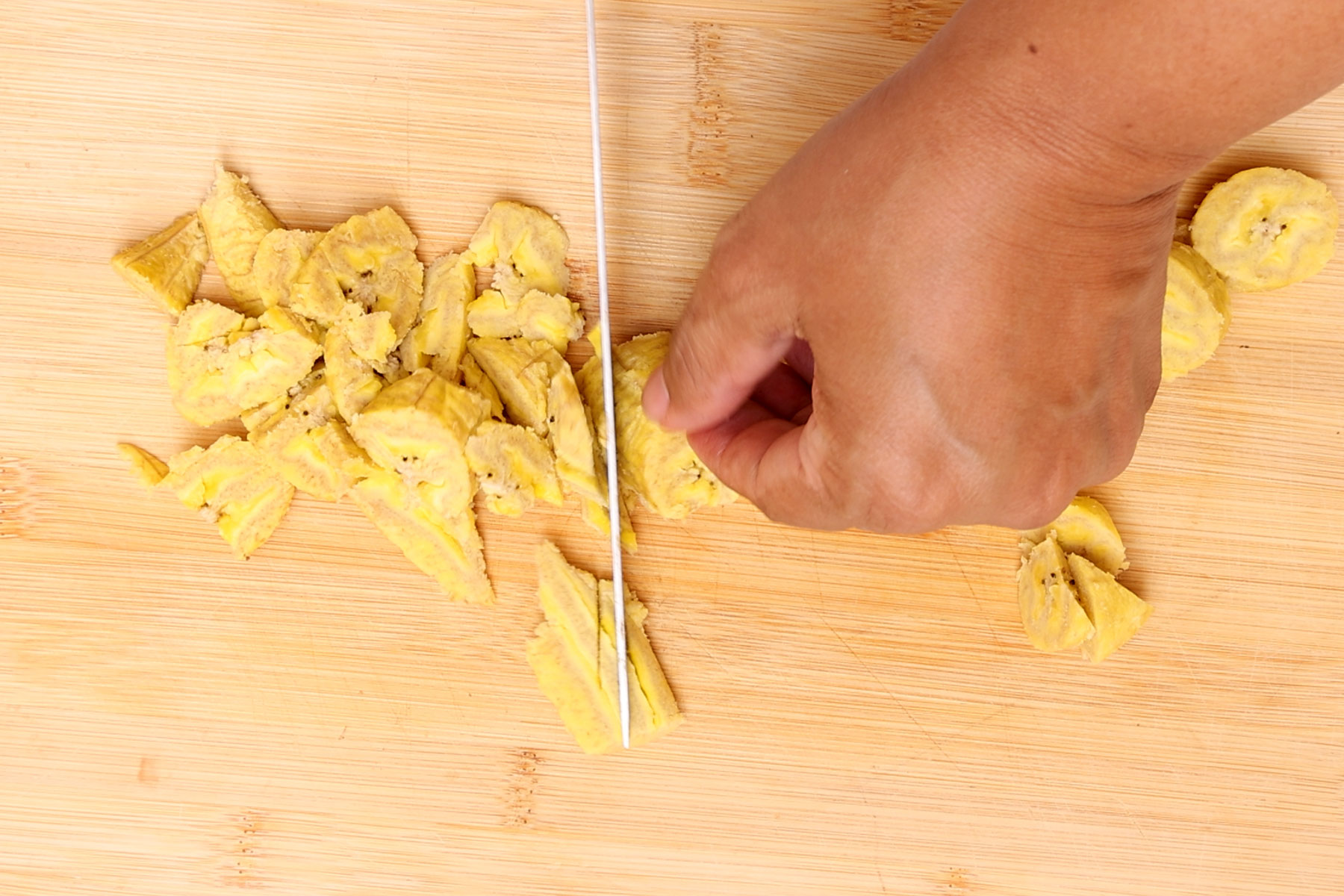
By lowering the barrier to entry—specifically the intimidation factor of managing hot oil and extensive kitchen cleanup—recipes like the air fryer mofongo encourage younger generations and non-traditional cooks to experiment with Caribbean cuisine at home. This accessibility helps sustain cultural culinary traditions in a modern digital landscape where quick video tutorials and appliance-specific guides dominate culinary media consumption.
Broader Impact on Caribbean Cuisine and Appliance Cooking
The integration of air fryers into Caribbean households and diaspora kitchens is part of a larger, ongoing shift in home economics across Latin America and the United States. Manufacturers report sustained double-digit growth in small kitchen appliance sales in urban and suburban markets across the region, with multi-functional air fryers frequently ranking as top-tier purchases.
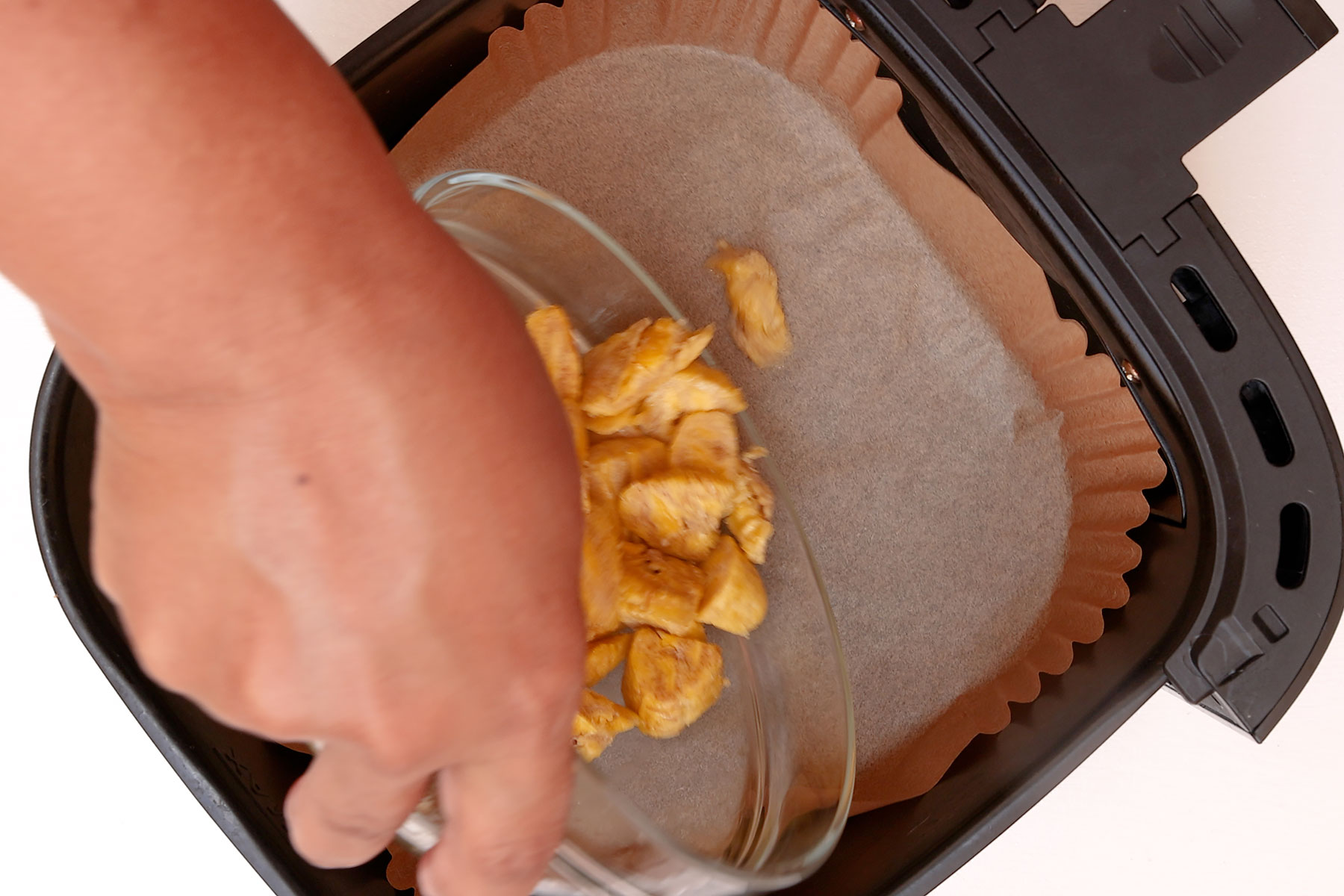
Food safety experts and culinary analysts point out that minimizing open-vessel hot oil cooking significantly reduces the risk of kitchen burns and indoor air pollution caused by smoke and aerosolized grease droplets. For staple dishes like mofongo, tostones, and maduros, the transition to air frying represents a rare intersection where public health advisories regarding cardiovascular wellness align seamlessly with consumer desires for convenience and ease of maintenance.
As content creators and traditional cookbook authors continue to release appliance-tailored variations of heritage recipes, the definition of authenticity is evolving to encompass not just the ingredients used, but the spirit of resourcefulness that originally birthed the cuisine. Whether prepared in a traditional wooden mortar or a modern digital convection drawer, dishes like mofongo continue to serve as a central pillar of Caribbean cultural identity, adapting successfully to the demands of the twenty-first-century kitchen.