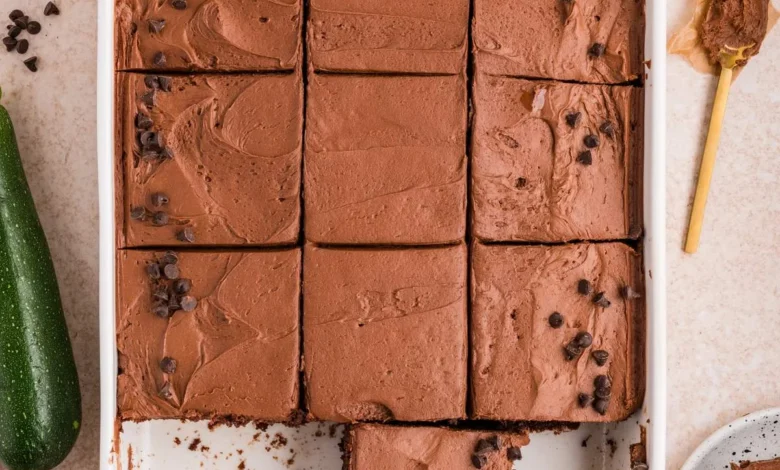
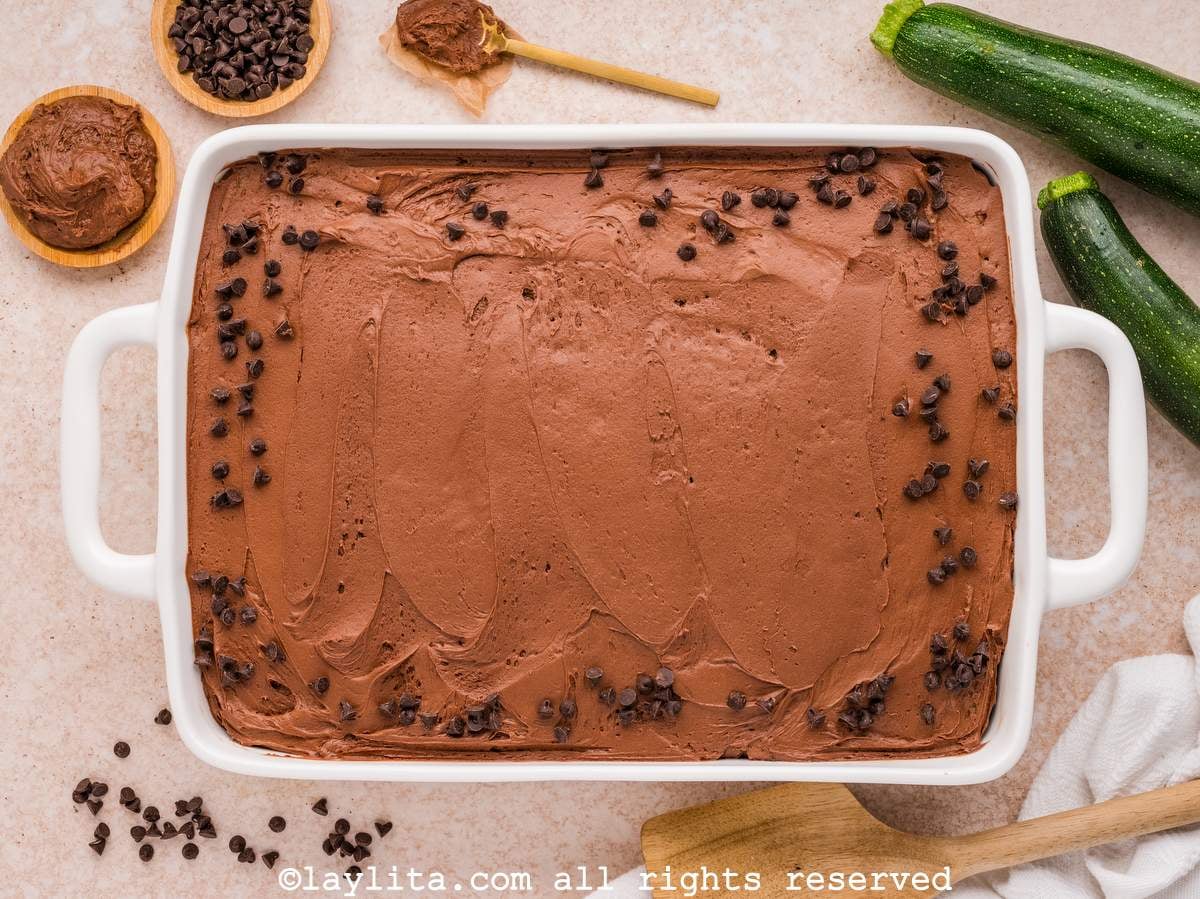
The culinary integration of garden-fresh vegetables into traditional confectionery items has gained substantial momentum within domestic households and commercial bakeries alike. At the forefront of this trend is the introduction of a uniquely moist and nutrient-dense dessert: the chocolate zucchini cake. Combining an abundance of seasonal squash with deep cocoa profiles, this recipe addresses a common horticultural surplus while offering an innovative approach to texture management in baking. Culinary experts and home bakers continue to embrace squash and root vegetables, such as carrots and sweet potatoes, as functional ingredients that enhance moisture retention without altering the primary flavor profile.
Background Context and Nutritional Chemistry in Baking
The practice of incorporating vegetables into sweet baked goods dates back centuries, rooted primarily in periods of resource scarcity such as the Great Depression, when sugar, butter, and eggs were heavily rationed. During these eras, home economists discovered that grated vegetables—most notably carrots, beets, and later zucchinis—provided structural integrity and moisture to cakes that would otherwise turn dense and dry.
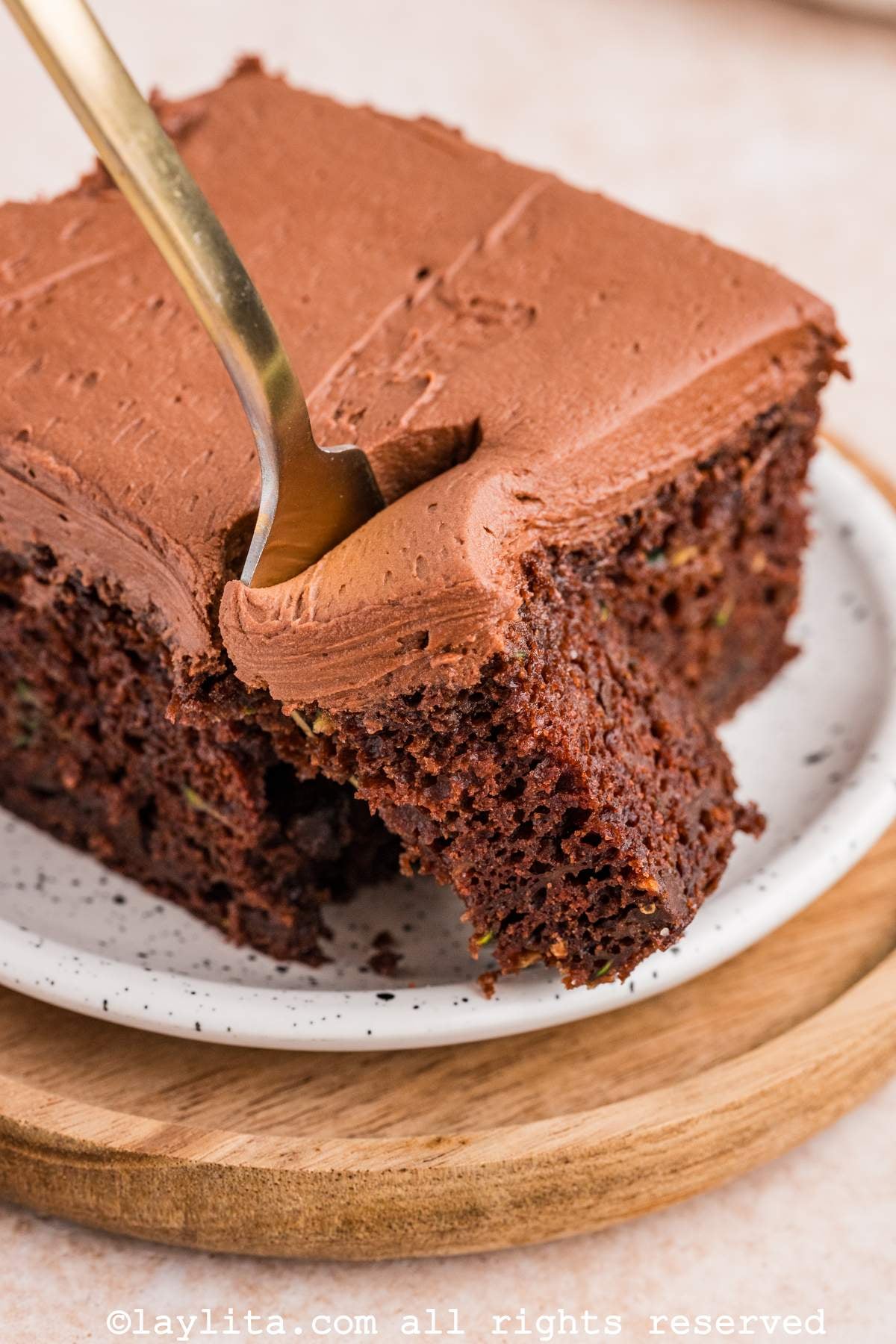
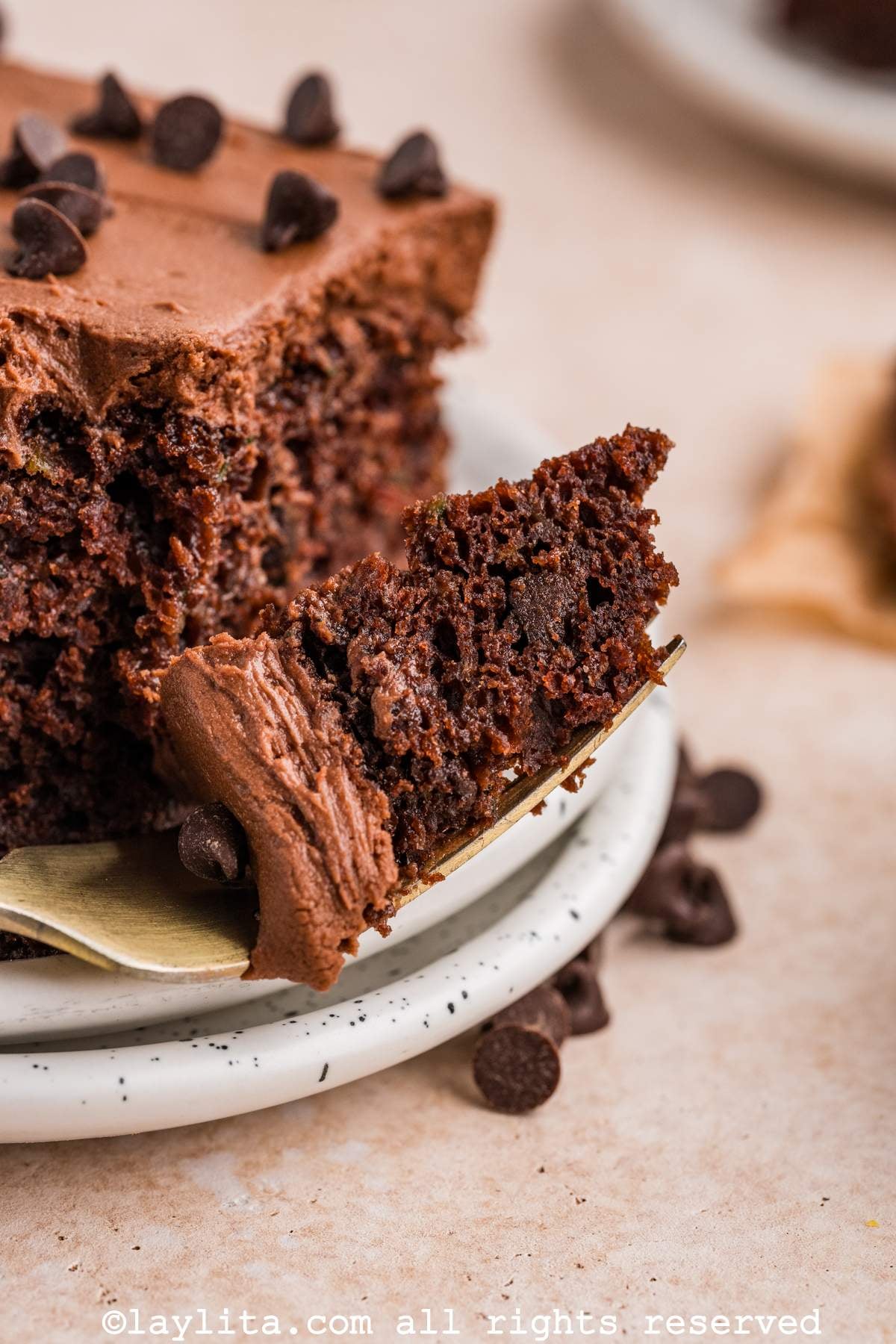
From a chemical perspective, zucchini is composed of approximately 95 percent water. When grated and integrated into a flour-based batter, the vegetable releases its moisture slowly during the baking process. This enzymatic and thermal release creates a tender crumb structure and prevents the starches in the flour from over-gelatinizing, resulting in a distinctly fudgy texture. Furthermore, the neutral flavor profile of green zucchini allows it to be completely masked by strong flavor agents such as Dutch-processed cocoa powder and dark chocolate chips. Consequently, consumers—including children and individuals averse to vegetables—frequently consume the dessert without detecting the presence of fresh produce.
Chronology and Culinary Evolution
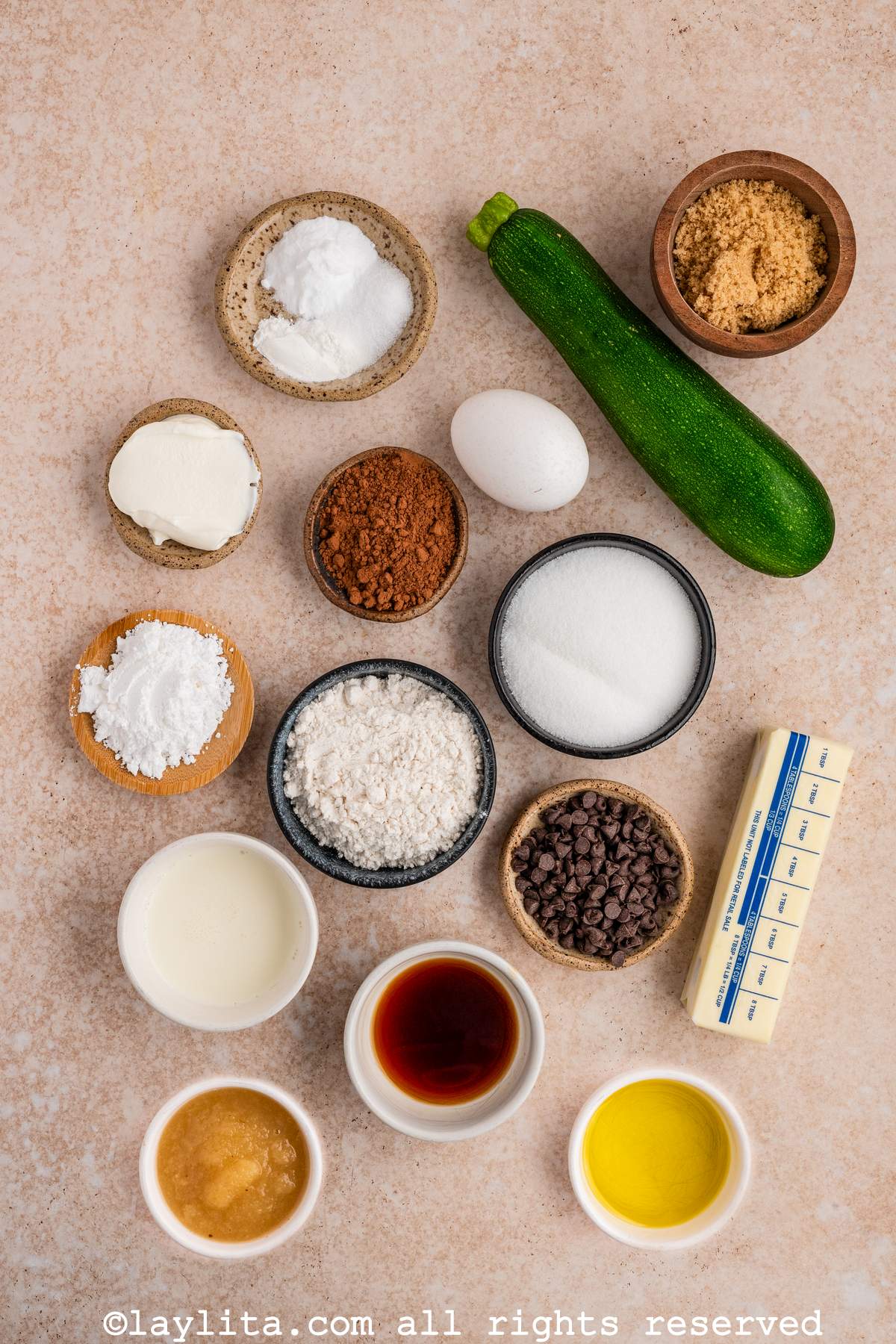
The widespread adoption of zucchini cakes in North American and European home kitchens accelerated significantly during the mid-20th century, coinciding with the popularization of suburban home gardening. Backyard gardeners frequently faced an overabundance of summer squash, prompting a search for innovative preservation and consumption methods.
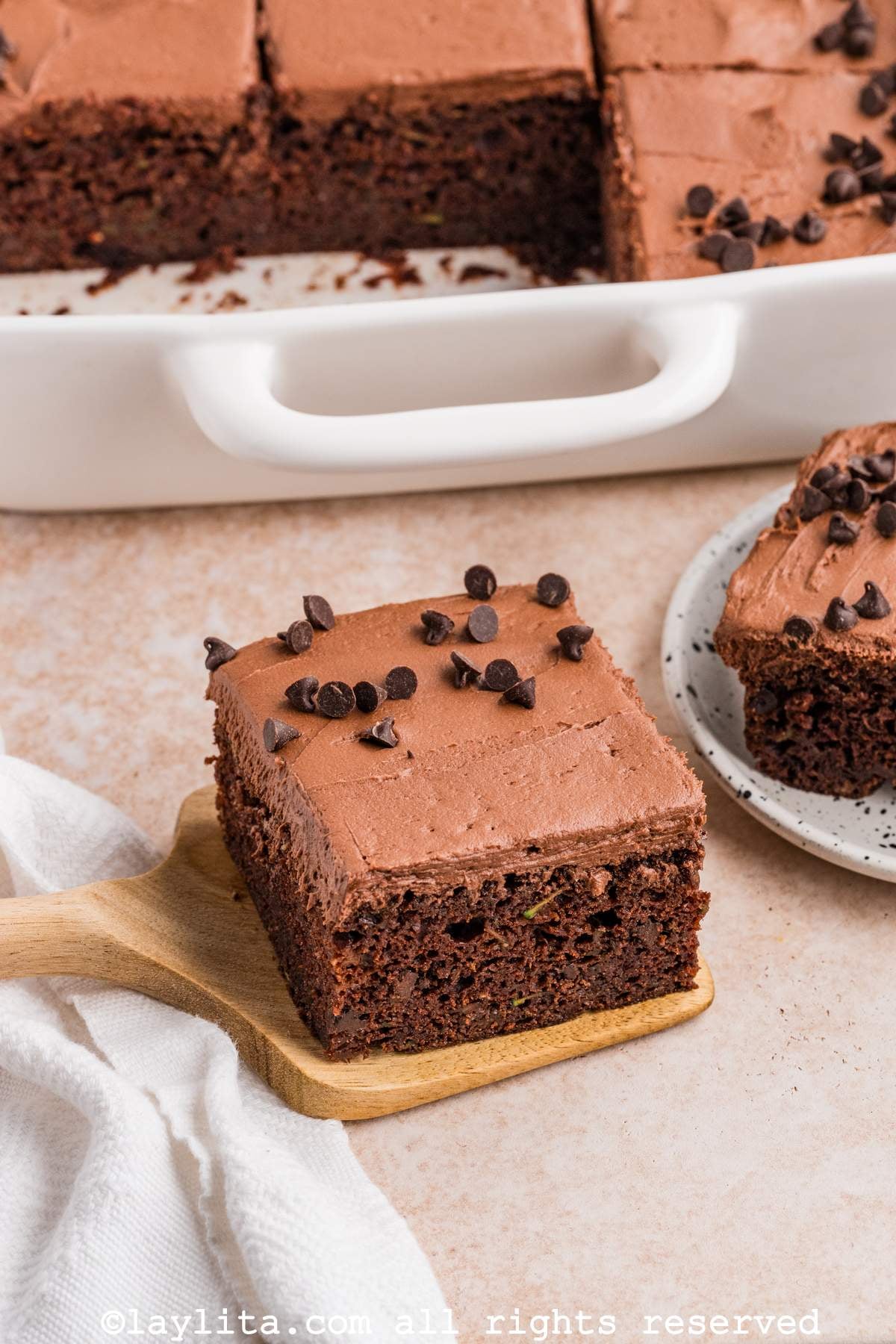
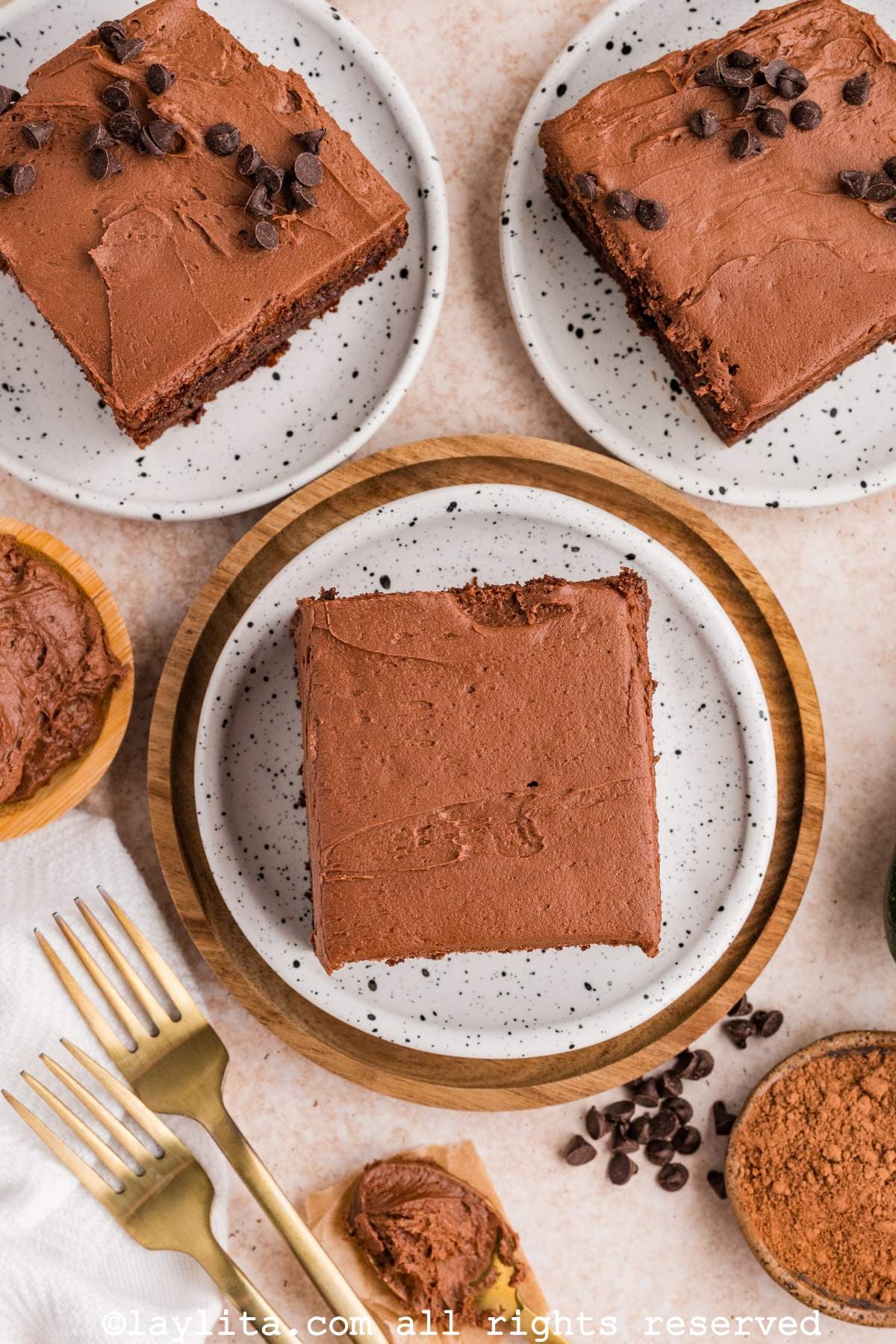
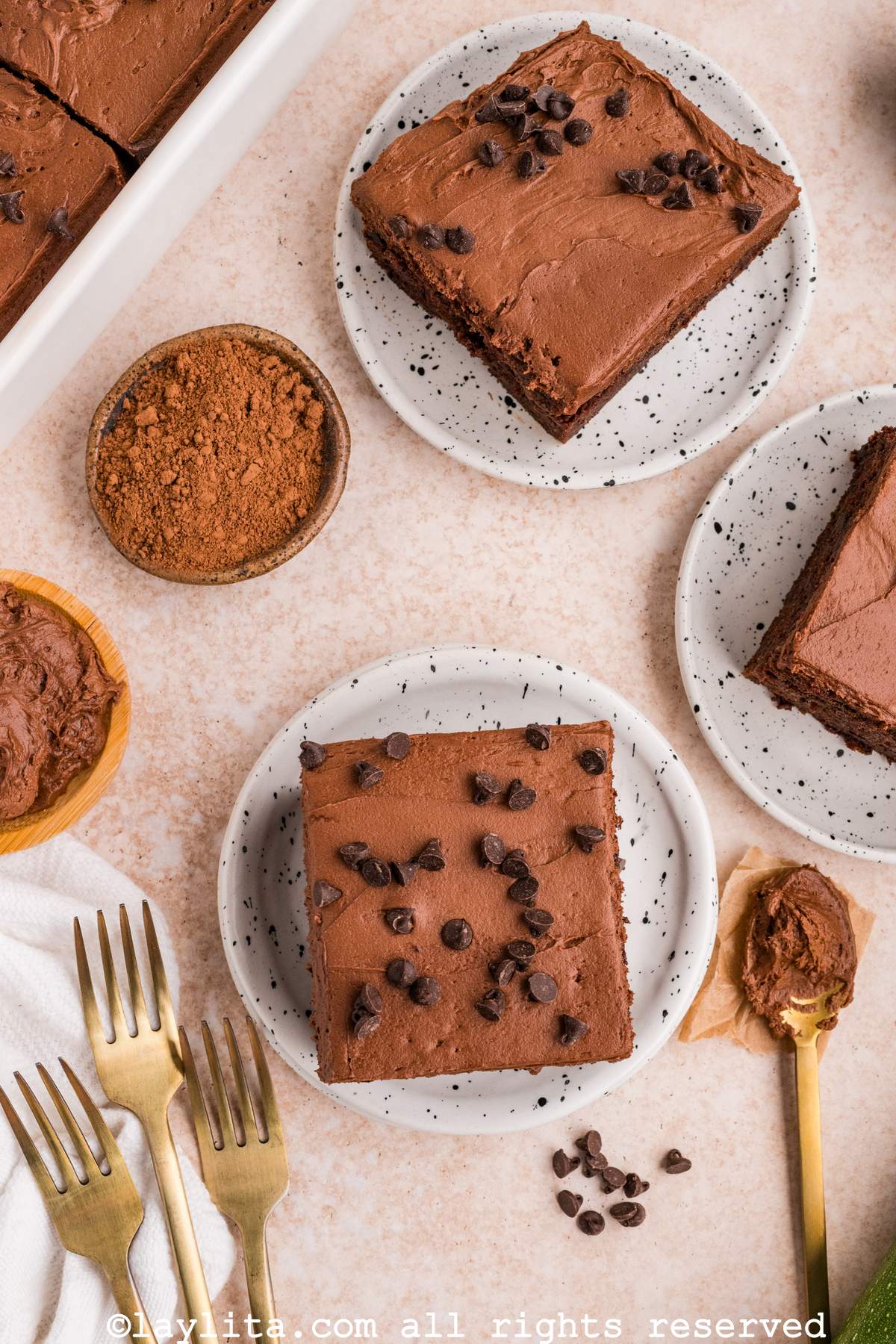
By the late 1970s and 1980s, culinary magazines and community cookbooks began featuring chocolate-infused variations of zucchini bread and cake. The addition of rich chocolate frostings and mini chocolate chips transformed a rustic, utilitarian quick bread into a sophisticated dessert suitable for formal gatherings and family celebrations. Modern adaptations of the recipe have since expanded globally, inspiring variations in Spanish-speaking regions and across international baking blogs under localized names such as "pastel de chocolate con zucchini."
Preparation Methodology and Expert Recommendations
Achieving optimal results in chocolate zucchini baking requires specific adherence to preparation protocols, particularly regarding moisture management. Culinary instructors emphasize that while zucchini provides necessary hydration, excessive liquid can compromise the structural integrity of the cake.
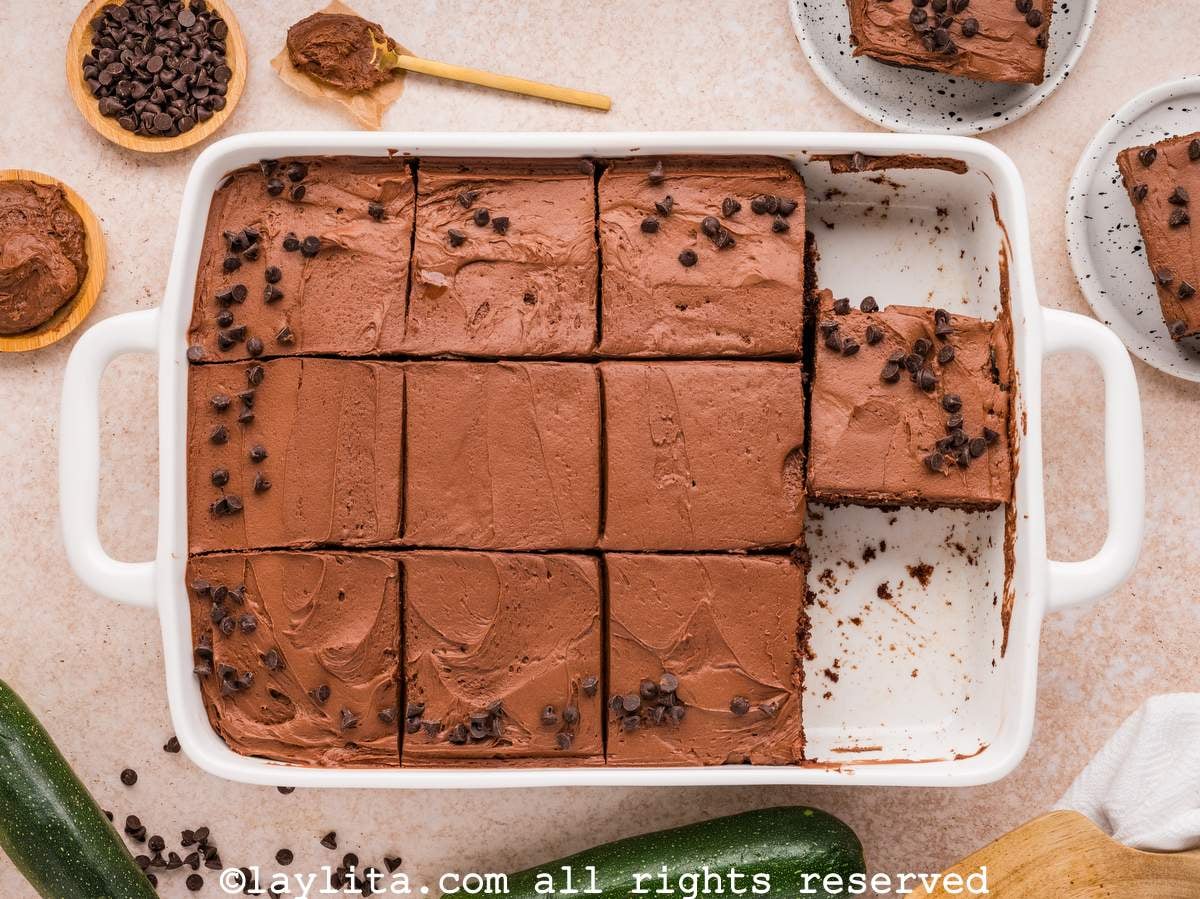
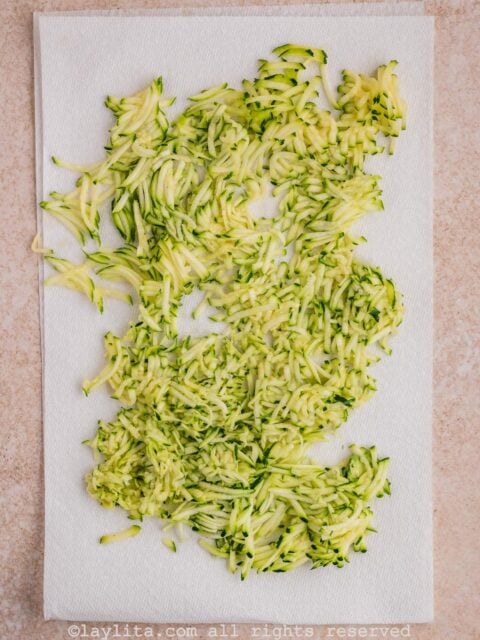
- Grating and Squeezing: Standard preparation involves utilizing a box grater to shred fresh zucchini. For standard recipes, peeling is unnecessary as the tender skin breaks down during baking; however, overgrown late-season specimens with tough, fibrous rinds require peeling and seed removal.
- Thawing Frozen Alternatives: When utilizing frozen grated zucchini—a popular method for preserving summer harvests—thorough thawing and manual expression of excess liquid through a cheesecloth are mandatory to prevent a soggy crumb.
- Fat and Acid Balance: The incorporation of high-fat dairy components, such as Greek yogurt or sour cream, alongside neutral vegetable oils works synergistically with the zucchini’s natural water content, yielding an ultra-moist texture.
Economic and Agricultural Implications
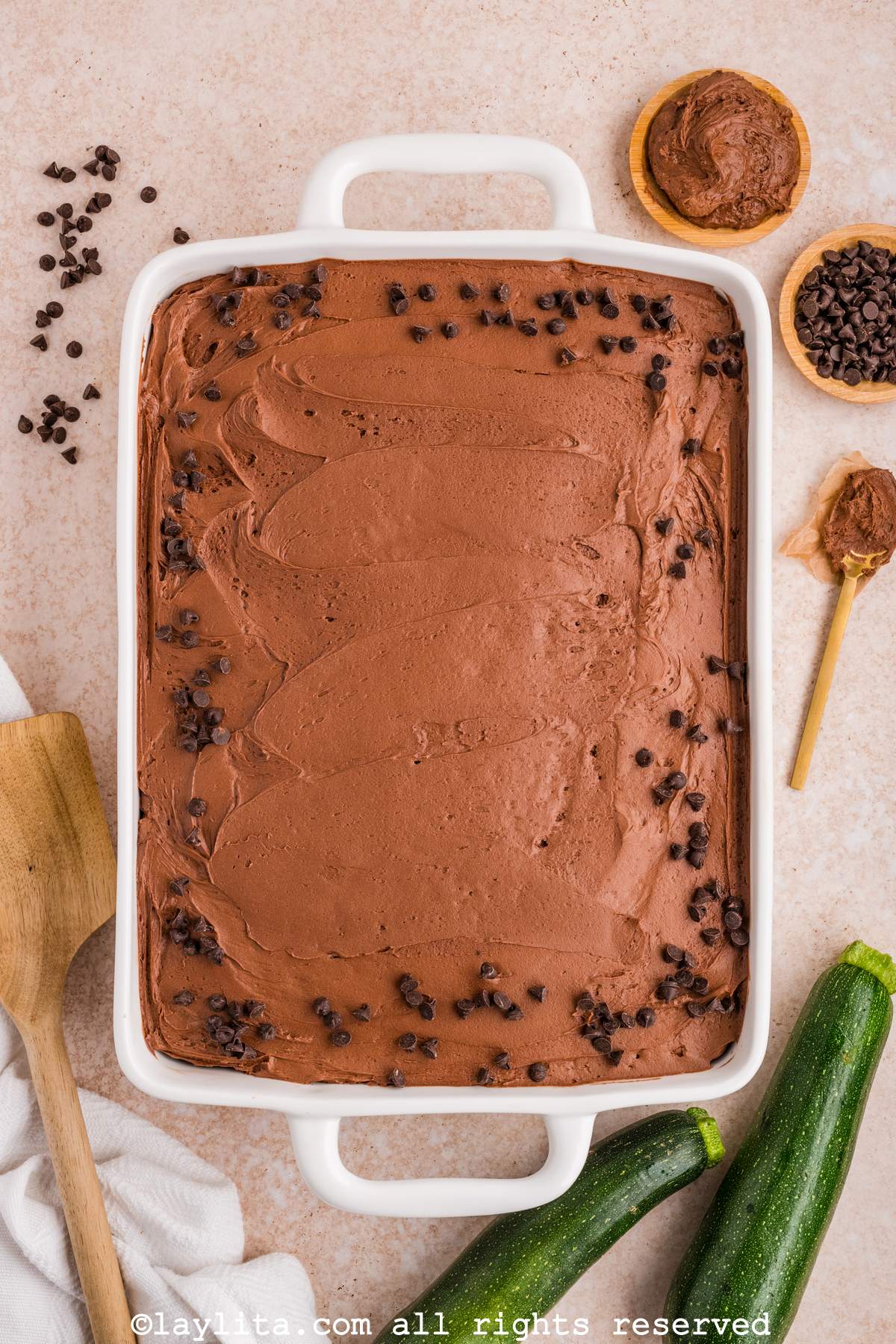
The popularity of vegetable-based baking reflects broader consumer trends toward sustainable food utilization and waste reduction. Agricultural economists note that home gardens and local farmers’ markets frequently experience peak harvest periods where supply vastly exceeds immediate table consumption. Recipes that utilize bulk produce like zucchini mitigate food waste at the household level.
Additionally, nutritional analysts point out that incorporating whole vegetables into desserts marginally increases dietary fiber intake and reduces the total reliance on processed fats. While chocolate zucchini cake remains a discretionary indulgence due to its sugar and caloric content, it serves as a bridge for introducing whole foods into dietary repertoires where traditional vegetables might otherwise be rejected.
Storage, Preservation, and Commercial Outlook
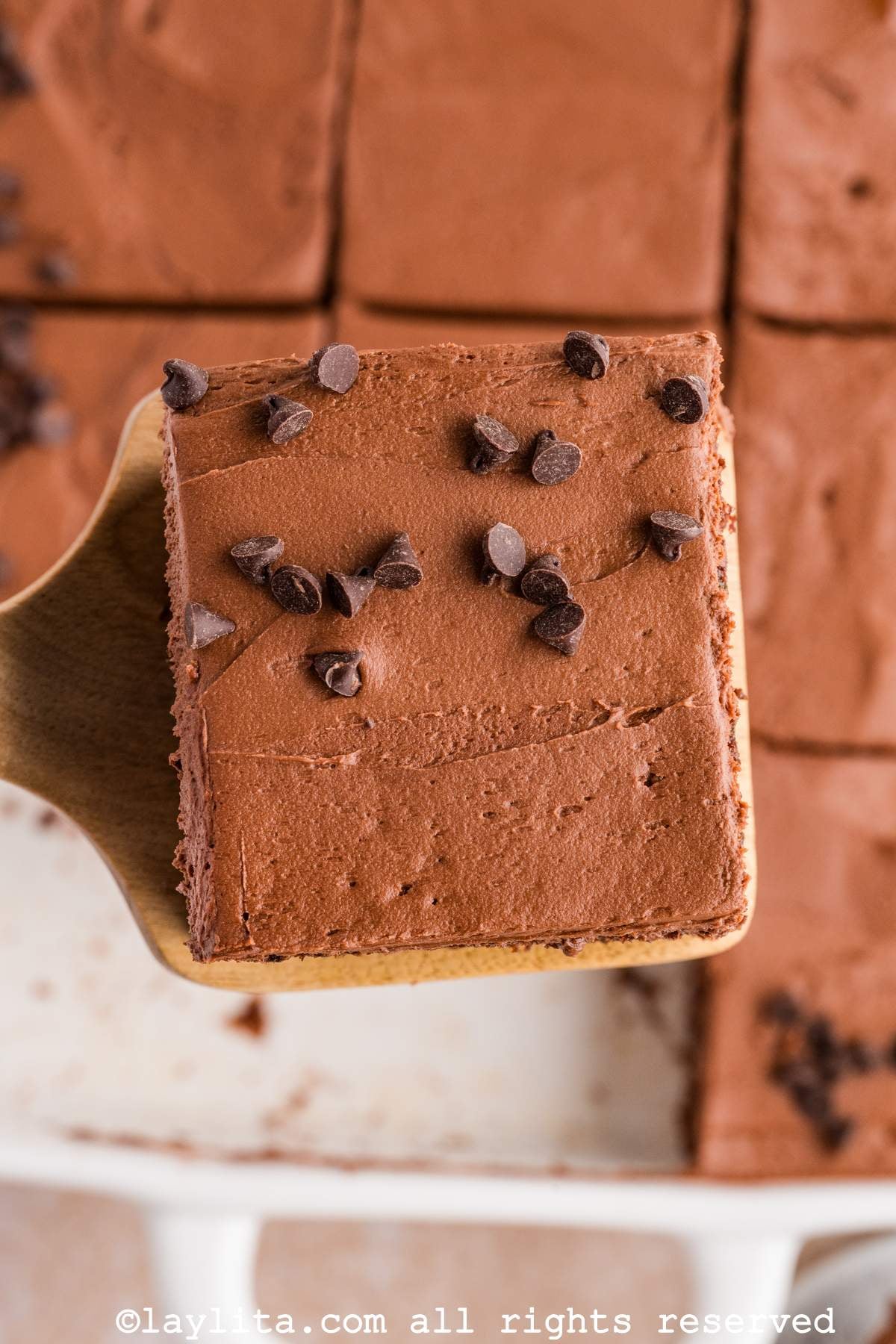
Proper storage protocols are essential for maintaining the quality of frosted chocolate zucchini cakes. Because the traditional preparation features a cream- or dairy-based chocolate frosting, food safety guidelines recommend refrigeration in airtight containers for up to five days. To restore optimal texture, chilled slices should be tempered at room temperature for approximately fifteen minutes prior to consumption. For long-term preservation, unfrosted cake layers can be wrapped in moisture-barrier materials and frozen for up to three months, ensuring year-round access to a seasonal favorite.
As consumer interest in heritage baking, zero-waste kitchens, and innovative flavor pairings continues to grow, recipes that bridge the gap between fresh agriculture and classic confectionery will retain a prominent place in contemporary gastronomy.