The Evolution of Plant-Based Comfort Food
The shift toward vegetable-centric comfort food is not merely a transient fad but a reflection of evolving dietary priorities in the modern kitchen. Historically, macaroni and cheese has served as a staple of North American comfort food, characterized by high caloric density and simple carbohydrates. However, the rise of veganism and the increasing prevalence of dietary restrictions such as gluten intolerance have necessitated a reevaluation of these classic recipes.

Culinary researchers have identified that cauliflower’s structural integrity and mild flavor profile make it an ideal candidate for high-heat cooking methods. When steamed or roasted, cauliflower florets mimic the bite and mouthfeel of cooked pasta, allowing for the integration of rich, dairy-free sauces that cling to the surface of the vegetable. This adaptation allows for a reduction in total carbohydrate content while simultaneously increasing the intake of vitamins C, K, and B6, as well as essential dietary fiber.

Chronology of Preparation and Implementation
The preparation of this dish involves a systematic approach to ensure optimal texture. The process begins with the careful cleaning and segmentation of the cauliflower head into bite-sized florets. The following timeline outlines the standard culinary procedure for achieving the desired consistency:

- Preparation Phase (0–15 minutes): The cauliflower is segmented and prepared for heat application. Simultaneously, a base of potatoes is boiled; these serve as the foundation for the "cheesy" sauce, providing a starch-based viscosity that mimics the creaminess of dairy-based béchamel or cheddar sauces.
- Flavor Infusion (15–30 minutes): Aromatics such as onions and garlic are sautéed to create a flavor base. The inclusion of these ingredients is critical, as they provide depth and complexity to the sauce, masking the inherent mildness of the plant-based ingredients.
- Emulsification (30–45 minutes): The boiled potatoes, spices, and other liquid components are blended until the mixture achieves a smooth, velvety consistency. This emulsion is the technological heart of the dish, ensuring that the cheese-alternative sauce adheres to the cauliflower rather than pooling at the bottom of the vessel.
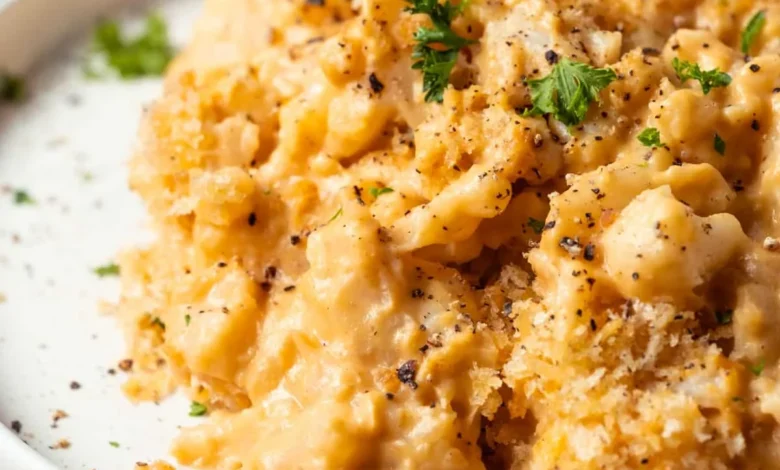
- Final Assembly (45–60 minutes): The cauliflower and sauce are combined and transferred to an oven-safe dish. A panko breadcrumb topping, often combined with vegan butter, is applied to introduce a contrasting crunch, mirroring the texture of a traditional baked pasta gratin. The dish is then baked until the topping is golden and the sauce is bubbling.
Nutritional Data and Dietary Implications
Analysis of the nutritional profile of this vegan cauliflower mac and cheese highlights its viability as a lower-calorie alternative to conventional recipes. A standard serving typically contains approximately 219 kilocalories. This significantly contrasts with traditional pasta-based dishes, which can often exceed 500 calories per serving.

The macronutrient breakdown is equally noteworthy. With 26 grams of carbohydrates and 6 grams of dietary fiber, the dish provides a slower glycemic response compared to refined wheat pasta. The 7 grams of protein, while modest, are sourced primarily from the vegetable and nut or legume-based elements typically found in the sauce base. Furthermore, the inclusion of sodium at roughly 455 milligrams per serving suggests that while it remains a savory indulgence, it allows for better control over mineral intake than many pre-packaged, processed convenience meals.

Broader Impact on Dietary Accessibility
The development of this recipe has broader implications for inclusive dining. By providing a clear framework for a gluten-free and vegan-friendly dish, home cooks can accommodate a wider range of dietary needs during social gatherings, such as potlucks or holiday family events.

The modification of this recipe for those with celiac disease is straightforward, requiring only the substitution of standard soy sauce with liquid aminos or tamari, and the use of certified gluten-free breadcrumbs. This level of versatility ensures that the dish remains accessible across various socioeconomic and health-based demographics, marking a shift toward more inclusive culinary standards in private domestic settings.

Challenges in Preservation and Storage
While the dish offers significant health benefits, it presents specific challenges regarding shelf life. Due to the high water content of cauliflower, the structural integrity of the vegetable degrades more rapidly than wheat-based pasta when subjected to freezing and subsequent thawing. The release of excess moisture during the freezing process can dilute the sauce, compromising the overall mouthfeel.

Consequently, culinary professionals recommend refrigeration as the optimal storage method, with a consumption window of three to four days. This limitation suggests that the dish is better suited for immediate preparation and service rather than long-term meal prep, reinforcing its status as a fresh, home-cooked meal.

Industry and Expert Perspectives
Nutritionists and culinary experts have noted that the success of such recipes relies heavily on the "mimicry factor." The ability to replicate the sensory experience of a classic dish is the primary driver of adoption for plant-based diets. By focusing on the texture of the cauliflower and the viscosity of the potato-based sauce, this recipe effectively satisfies the psychological cravings associated with traditional comfort food.

The ongoing innovation in vegan ingredient technology—such as the improvement of plant-based cheeses and butter alternatives—has allowed home cooks to achieve results that were previously only possible in high-end, specialized restaurant kitchens. As these ingredients become more widely available in standard supermarkets, the barrier to entry for preparing high-quality, plant-based comfort food continues to decline.

Future Implications for Home Cooking
As the trend toward vegetable-forward eating continues to expand, the integration of traditional cooking techniques with modern dietary requirements will likely become the standard for the average household. The success of this vegan cauliflower mac and cheese serves as a case study for how simple, whole-food ingredients can be manipulated to satisfy the requirements of modern health-conscious consumers.

In summary, this dish represents a confluence of traditional culinary comfort and modern nutritional science. By prioritizing nutrient density and dietary accessibility, it provides a template for future developments in the plant-based sector. As consumers continue to demand meals that are both satisfying and health-conscious, recipes that successfully bridge this gap will remain essential fixtures in the evolving landscape of domestic cooking.