Vegan Nutella Ice Cream Set to Take Center Stage as Plant-Based Dessert Innovation Surges

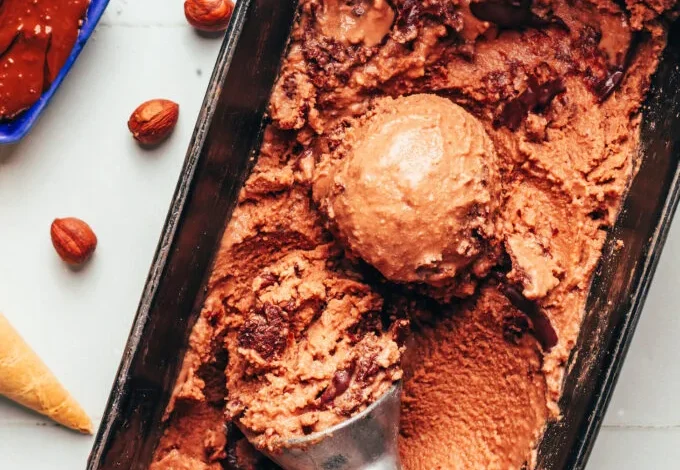
The global market for plant-based frozen desserts has reached a significant milestone with the introduction of a six-ingredient, dairy-free hazelnut and chocolate confection that is capturing the attention of culinary professionals and home cooks alike. Developed as a direct response to the rising consumer demand for allergen-friendly, premium sweet treats, this formulation bridges the gap between traditional Italian gelato craftsmanship and modern vegan dietary preferences.
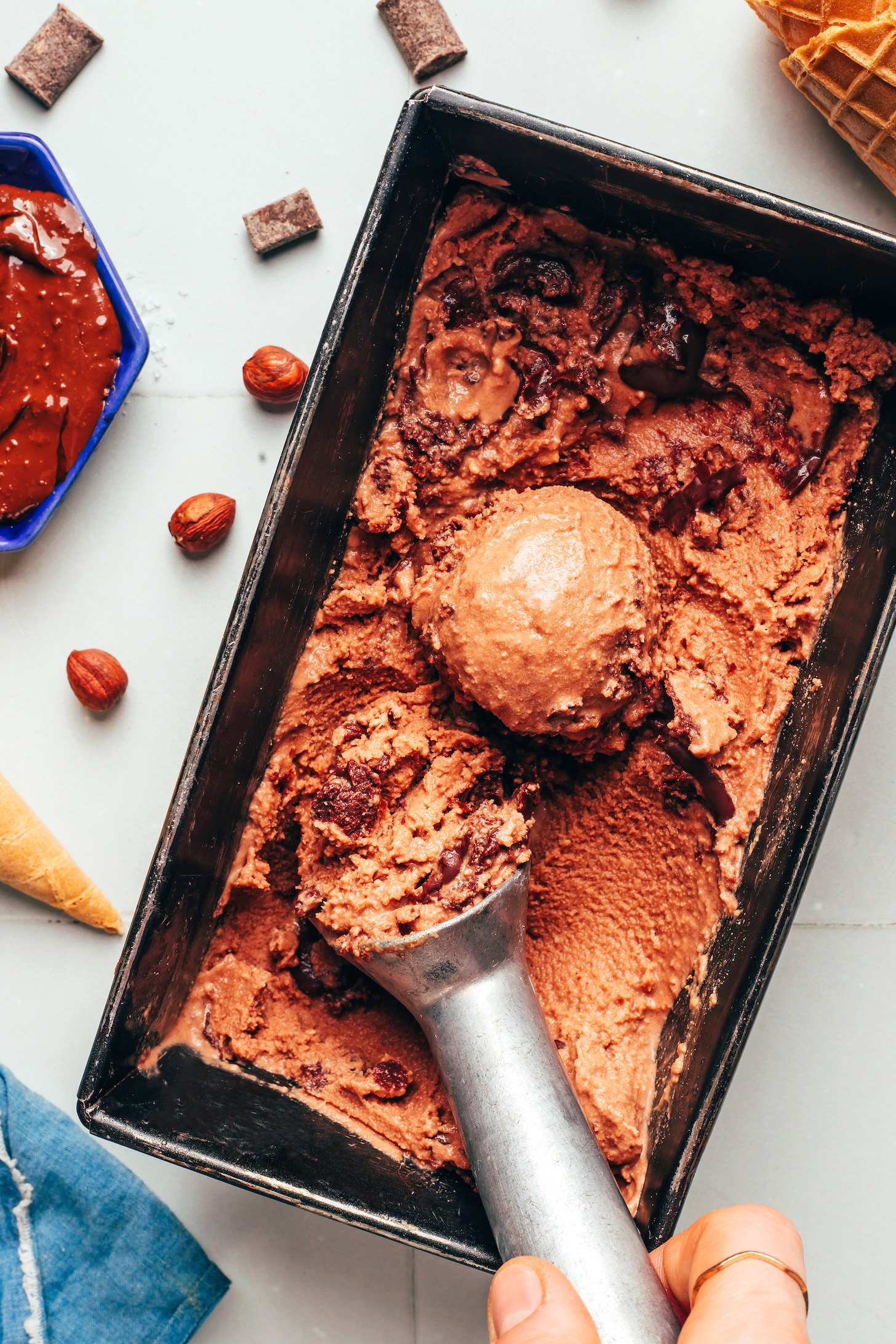
The introduction of this recipe arrives at a time when the plant-based food sector is experiencing robust expansion. According to recent market research data from industry analysts, the global vegan ice cream market is projected to surpass multi-billion-dollar valuations within the decade, driven by increased lactose intolerance awareness, environmental concerns, and a shift toward ethical consumption. Concurrently, consumer interest in artisanal, whole-food-based sweets has heightened the demand for simplified ingredient lists that prioritize natural components over heavily processed substitutes.
Crafting the Formulation: The Scientific Approach to Dairy-Free Ice Cream
Historically, recreating the rich, velvety texture of traditional dairy-based ice cream without animal fats presented significant culinary challenges. Plant-based alternatives often struggled with crystal formation, resulting in an icy texture rather than the desired creaminess. However, modern culinary techniques leverage high-fat plant milks and purposeful nut-butter bases to achieve the necessary mouthfeel.
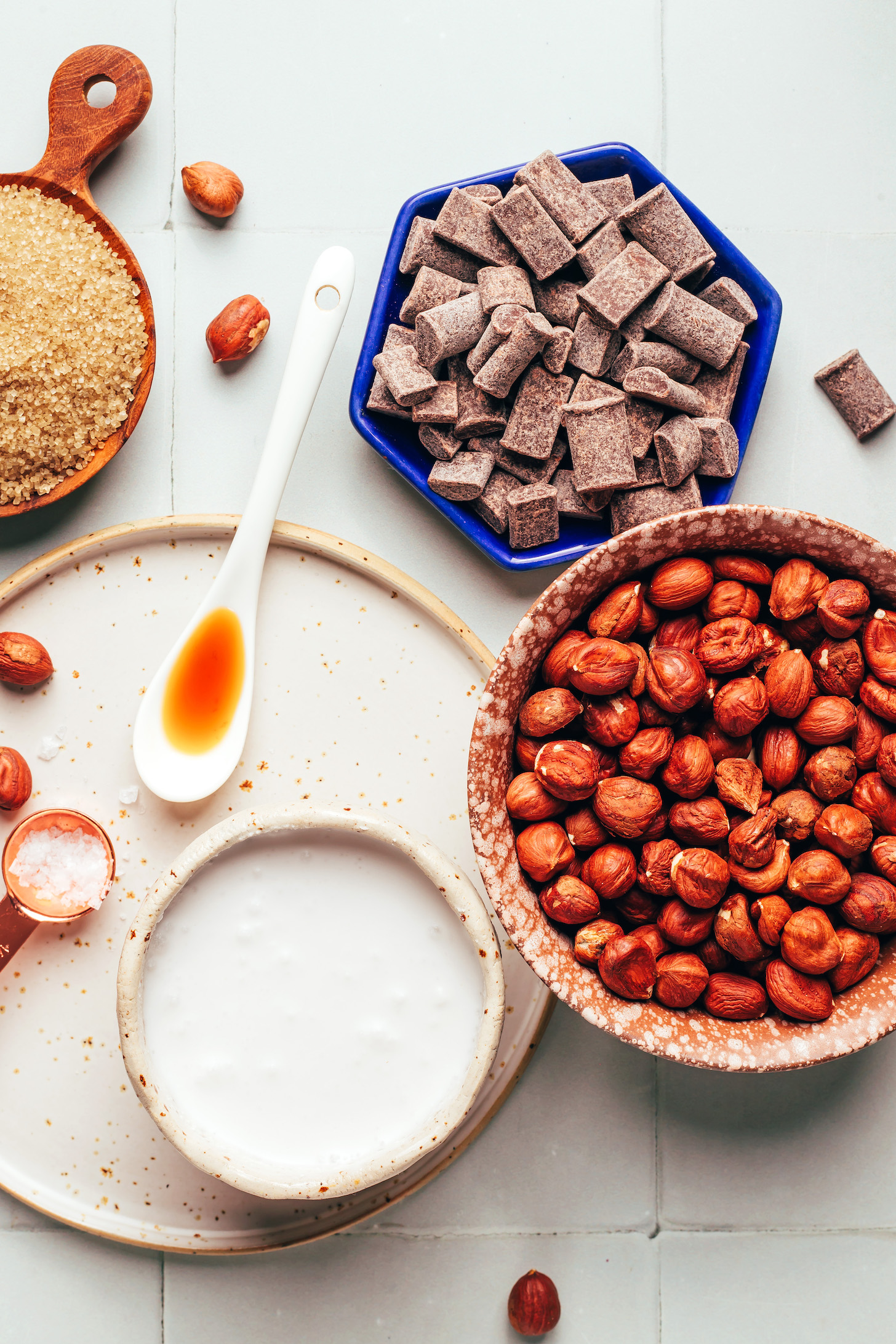
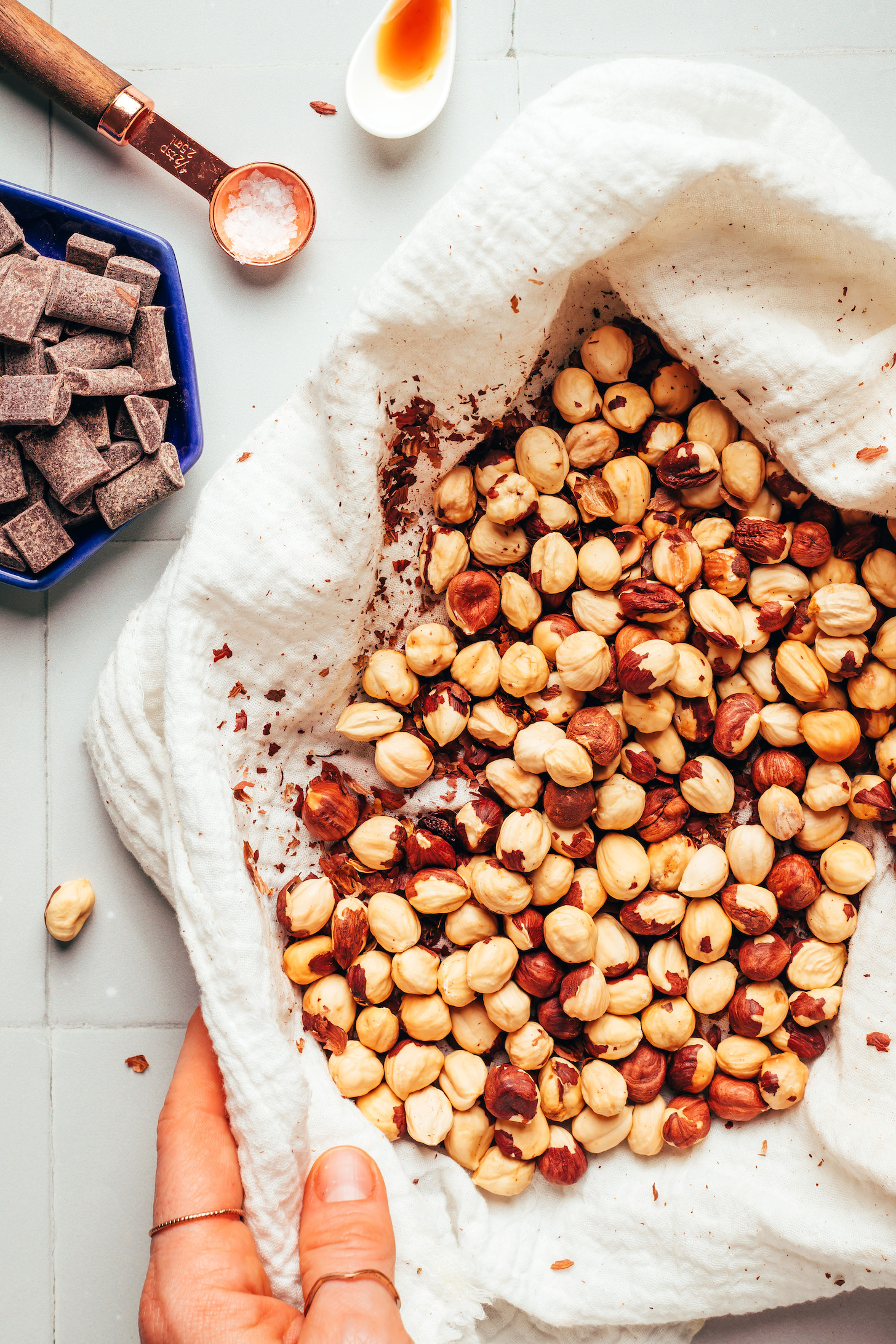
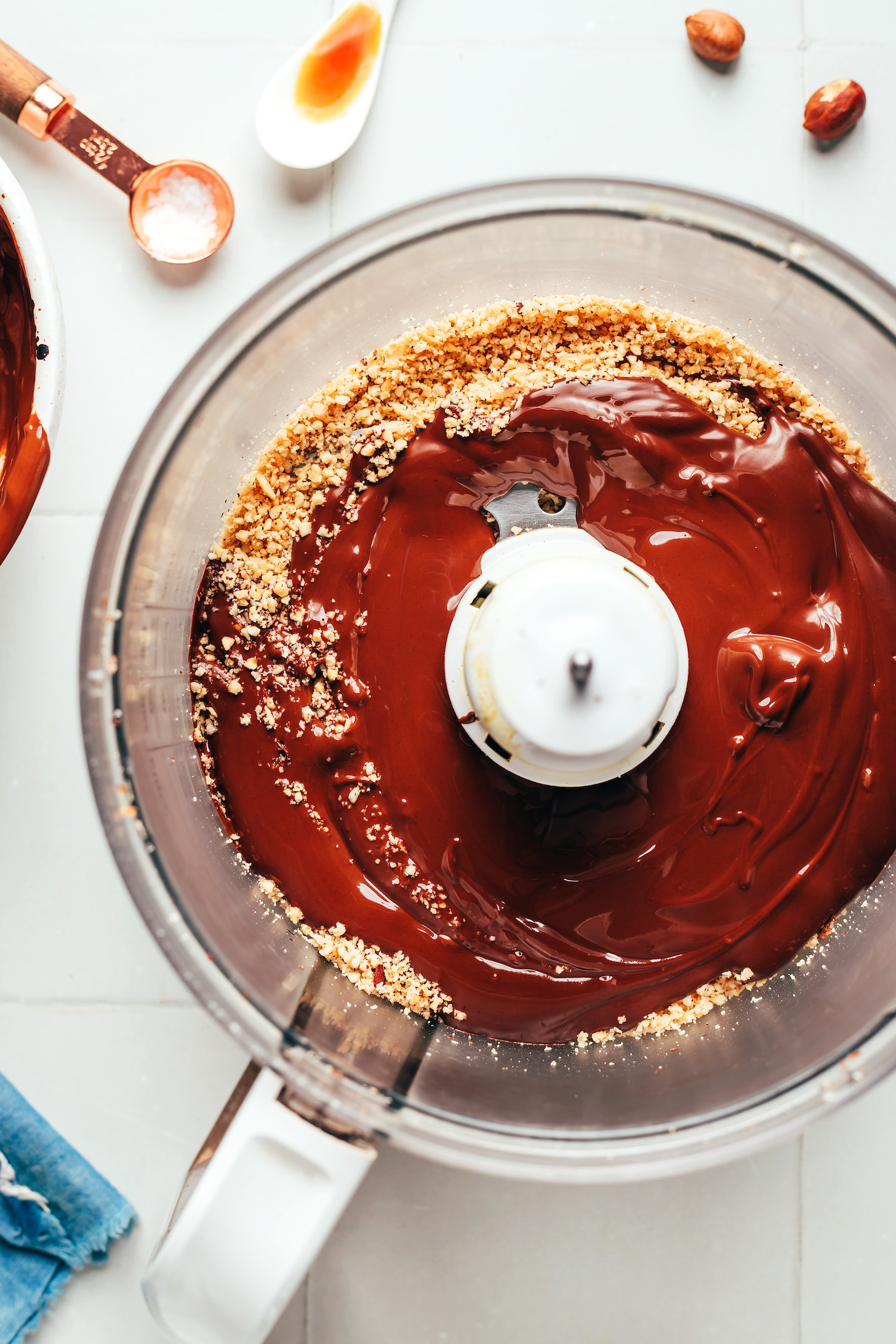
The foundation of the newly detailed recipe relies on a meticulous preparation method. The process begins with roasting raw hazelnuts, a thermal procedure that activates the nuts’ natural oils, loosens their bitter skins, and deepens the aromatic profile. Once the skins are removed, the toasted hazelnuts are blended directly with melted dark chocolate, yielding a homemade, clean-label chocolate-hazelnut spread.
To transform this spread into a functional ice cream base, the mixture is combined with canned light coconut milk, cane sugar, pure vanilla extract, and a precise quantity of salt. Food scientists note that the inclusion of canned coconut milk—specifically brands containing natural emulsifiers such as guar gum—plays a critical chemical role. These emulsifiers stabilize the fat and water molecules during the churning process, preventing the separation that often plagues homemade dairy-free ice cream and ensuring a smooth, scoopable consistency.
Chronology and Preparation Timeline
Unlike commercial ice cream production, which utilizes rapid industrial freezing and aeration equipment, home-scale preparation requires specific thermal management steps to achieve optimal results. The recommended preparation timeline spans approximately three hours, structured to maximize both flavor infusion and structural integrity:
- Roasting and Blending Phase (Minutes 0–30): Hazelnuts are oven-roasted at moderate heat, manually de-skinned, and immediately blended with melted chocolate to form the core flavor paste. A portion of this mixture is reserved for post-churn swirling.
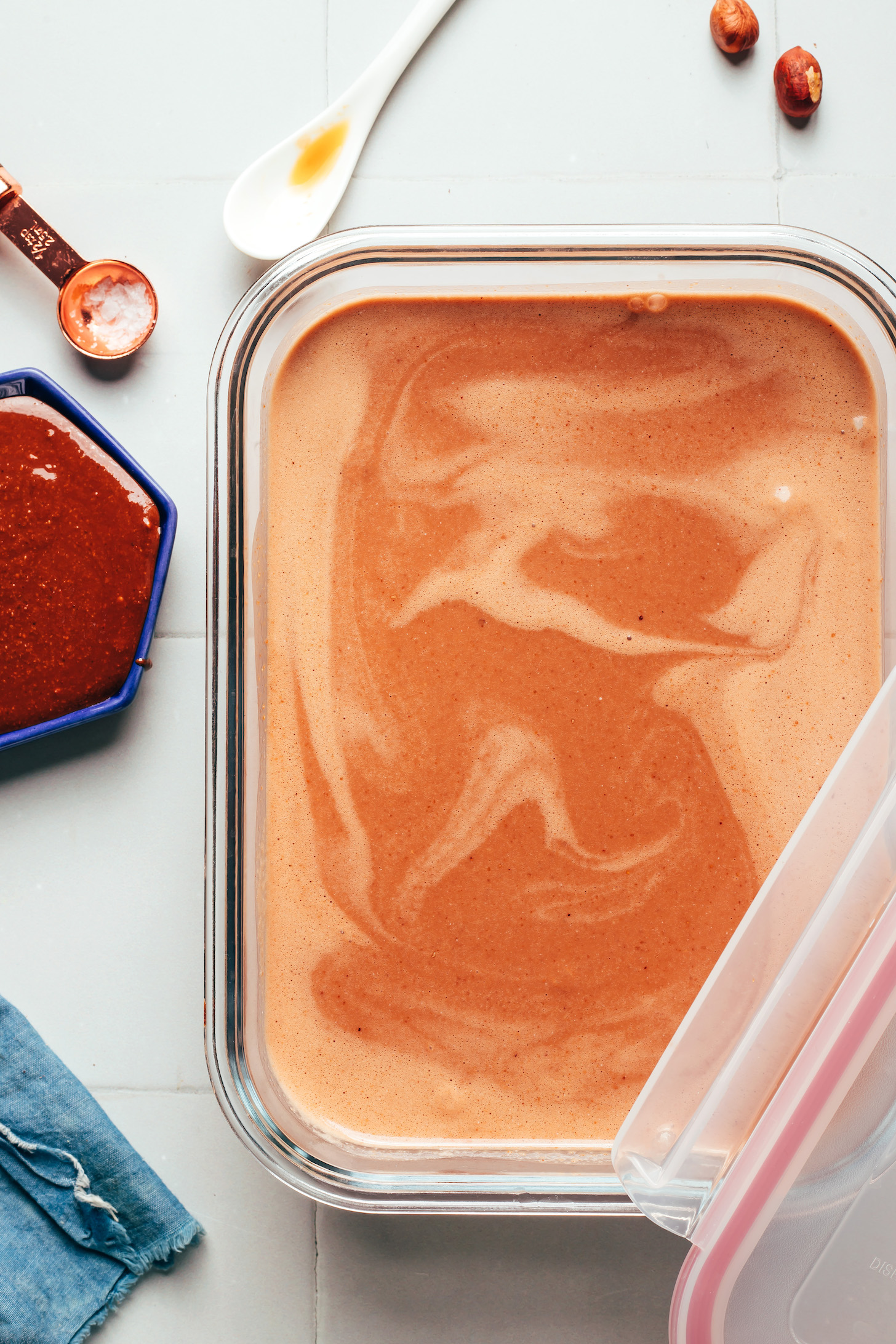
- Emulsification Phase (Minutes 30–45): The remaining hazelnut-chocolate paste is integrated with coconut milk, sugar, vanilla, and salt in a high-speed blender until completely homogeneous.
- Chilling Phase (Hours 1–3): The liquid base is transferred to a refrigerator to cool down to optimal churning temperatures. Culinary experts emphasize that this resting period allows the sugar to fully dissolve and the proteins and fats to hydrate properly, which is essential for preventing ice crystals.
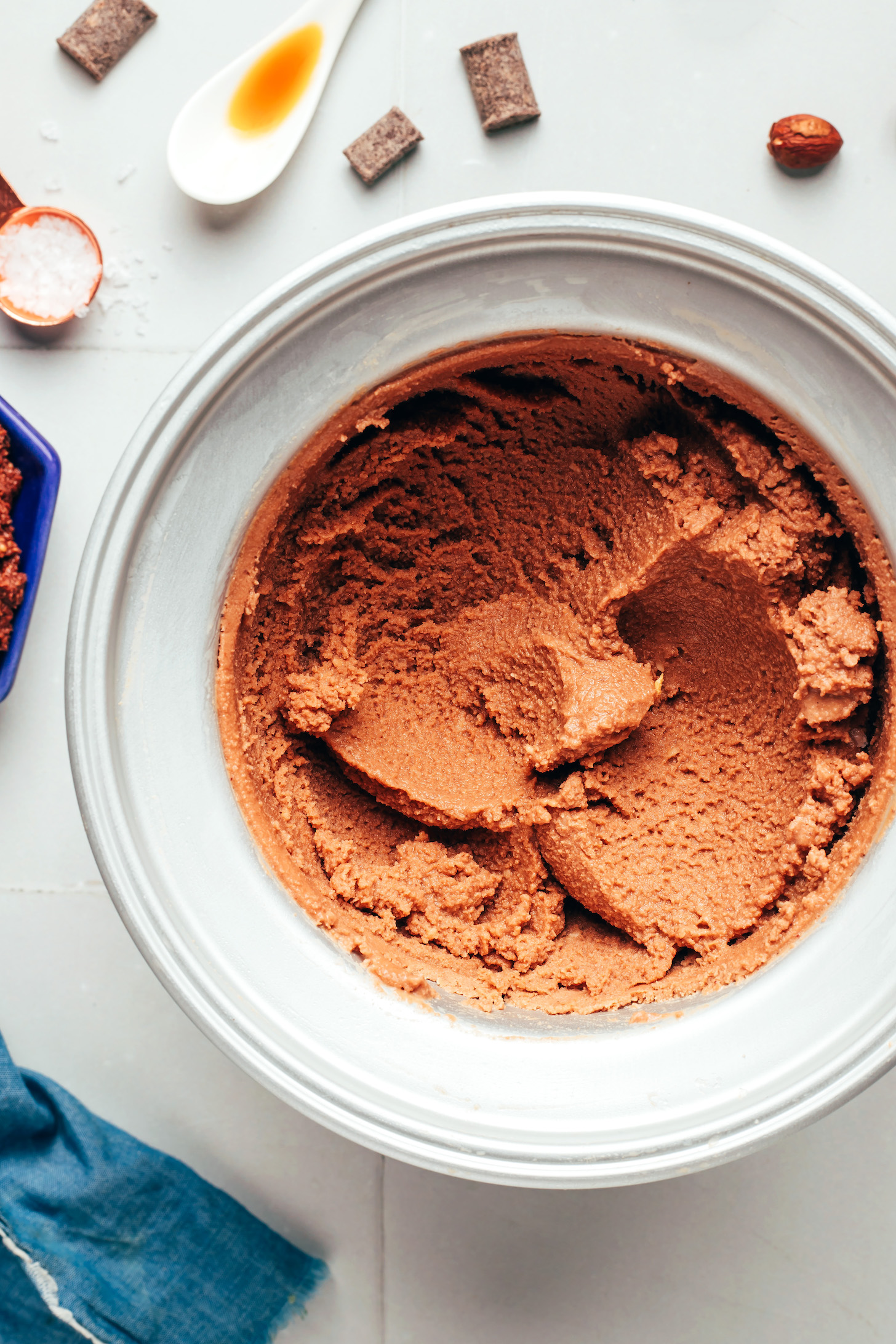
- Churning and Swirling Phase (Hours 3 to 3.5): The chilled mixture is processed in an automated ice cream maker for approximately 30 minutes. In the final moments of operation, the reserved chocolate-hazelnut spread is gently folded in to create distinct ribbons of flavor throughout the dessert.
Nutritional Profile and Dietary Implications
Nutritional evaluations of the finished product indicate a calorie count of approximately 277 kilocalories per standard half-cup serving. The macronutrient breakdown reveals a fat content of 21.2 grams—primarily derived from the monounsaturated and polyunsaturated fats naturally present in hazelnuts and the medium-chain triglycerides found in coconut milk. Saturated fats account for 9.4 grams of the total, while cholesterol remains at zero milligrams, aligning with heart-healthy plant-based dietary guidelines.
Furthermore, the recipe is naturally free of gluten and dairy, making it suitable for individuals with celiac disease, lactose intolerance, or dairy allergies. Dietary specialists have noted that the inclusion of whole hazelnuts provides a modest boost in dietary fiber (2.8 grams per serving) and plant-based protein (3.6 grams), distinguishing it from conventional desserts that rely heavily on refined sugars and isolated syrups.
Industry Context and Related Innovations
This recipe reflects a broader trend within the culinary community toward democratizing gourmet pastry techniques for home kitchens. The growing popularity of DIY plant-based spreads—such as homemade nut milks, vegan cheeses, and alternative butter spreads—demonstrates a consumer desire for transparency and control over food sourcing.
Culinary historians note that the marriage of chocolate and hazelnuts dates back to 19th-century Piedmont, Italy, where the invention of gianduja helped stretch scarce cocoa supplies during economic blockades. Adapting this historic flavor profile into a modern, allergen-conscious format highlights the enduring appeal of the combination while showcasing the adaptability of contemporary vegan gastronomy.
Broader Economic and Environmental Impact
The shift toward plant-based desserts also carries implications for agricultural supply chains. Hazelnuts, predominantly cultivated in regions such as Turkey and the Pacific Northwest of the United States, require significantly less water resources to produce compared to dairy farming operations. By utilizing whole nuts and plant-based milks, recipes of this nature contribute to a lower overall carbon footprint within the dessert sector.
As home-cooking enthusiasts and professional chefs continue to experiment with whole-food ingredients, recipes that successfully balance indulgence with dietary consciousness are expected to remain prominent. The continued dissemination of these formulations via digital culinary platforms ensures that plant-based cooking will continue to evolve, offering accessible, high-quality alternatives for mainstream consumers worldwide.