
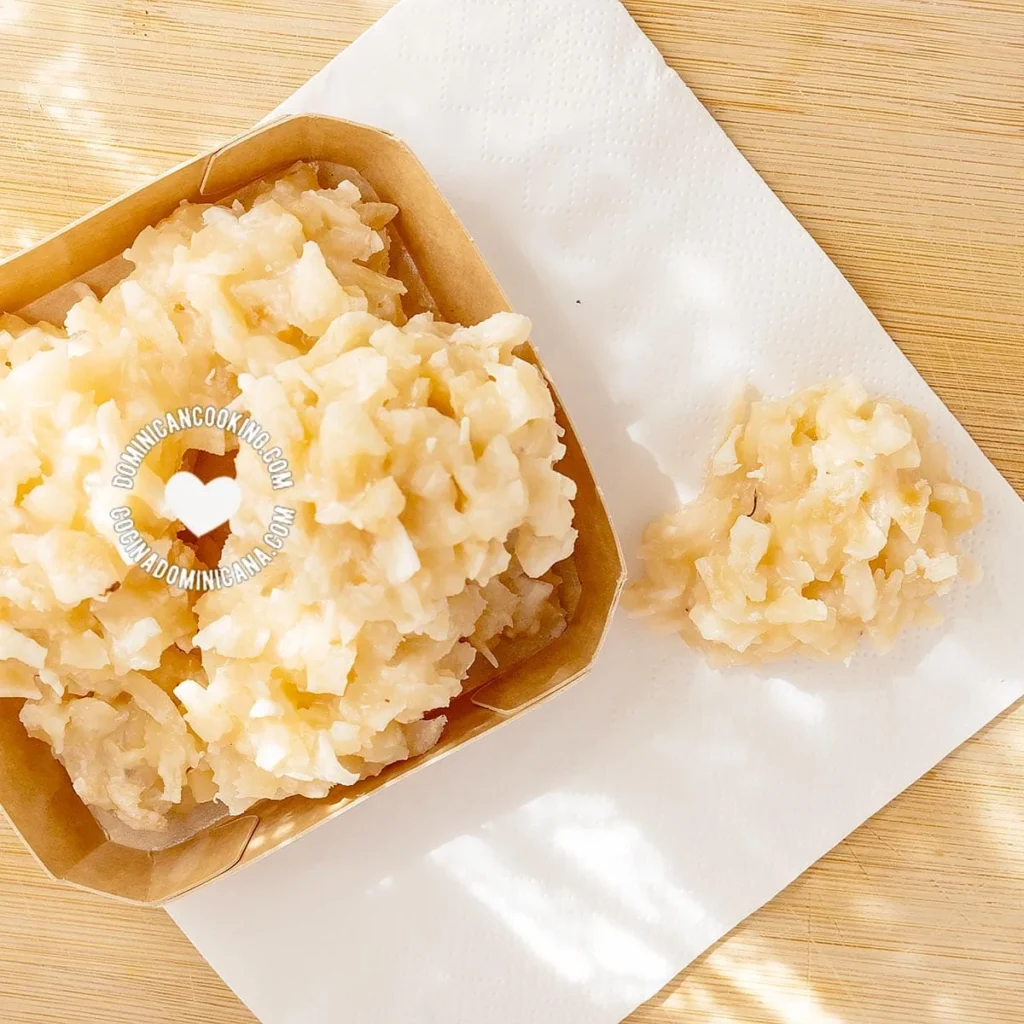
The culinary traditions of the Caribbean have increasingly found a prominent space within the global digital landscape, with traditional recipes being archived, modernized, and shared across international borders. Among the cultural mainstays experiencing a renaissance is the traditional Dominican cocada—a classic, flourless coconut candy deeply rooted in the island’s history. Culinary historian and digital content creator Clara Gonzalez, widely known to her followers as "Tía Clara," has recently released a definitive video recipe and comprehensive guide detailing the preparation of these iconic sweets, bridging the gap between local island commerce and the global home-cooking community.
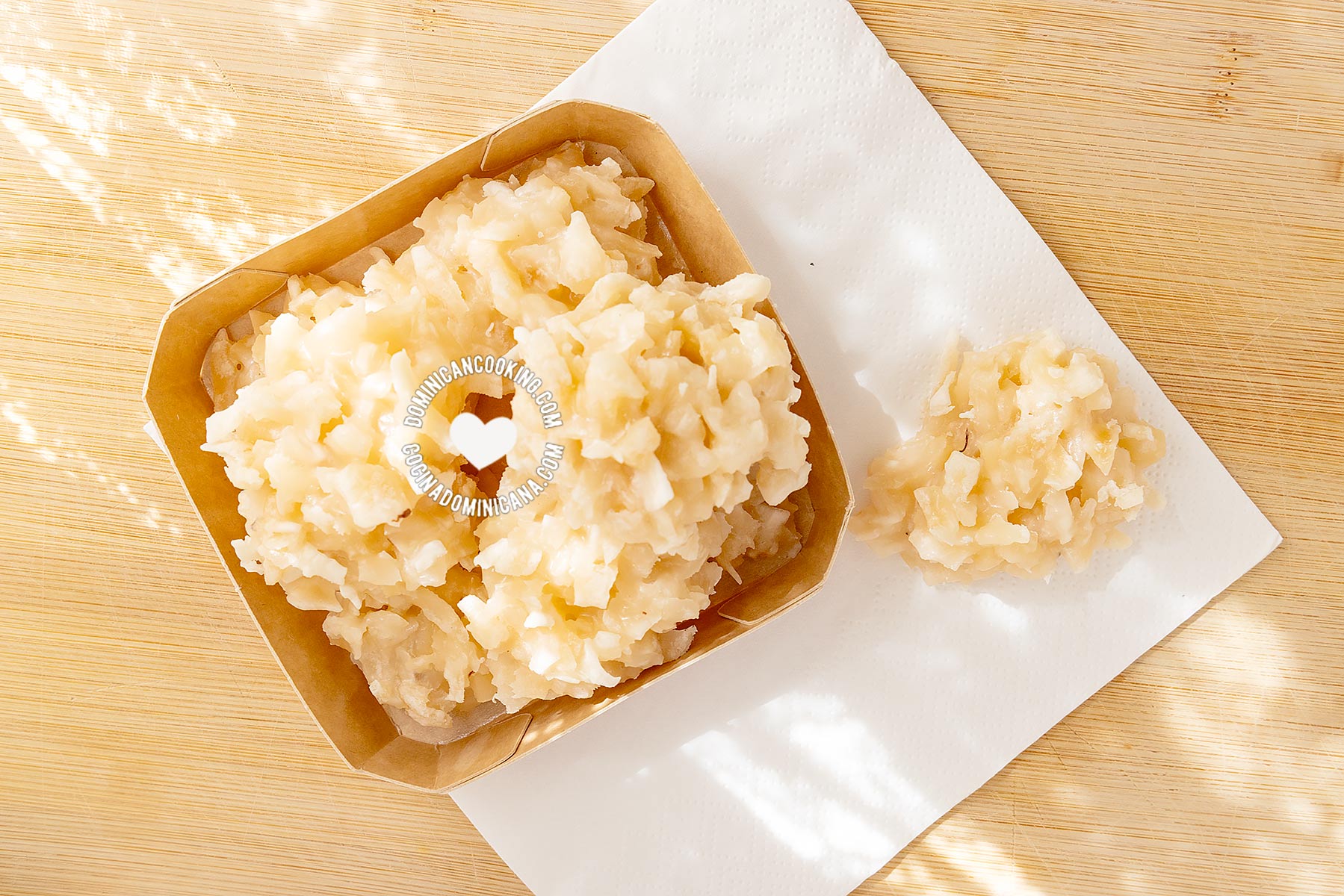
Originating from the simple yet vibrant staples of the Dominican Republic’s agricultural landscape, cocadas represent a masterclass in resourcefulness. Traditionally found occupying giant glass jars on the wooden counters of neighborhood colmados—the ubiquitous Dominican corner stores that serve as community hubs—these dry coconut confections have long been an affordable, shelf-stable indulgence for locals. The recent digital standardization of the recipe highlights a broader cultural movement to preserve traditional Caribbean gastronomy before the nuances of heritage cooking are lost to industrial food production.
Historical Context and Cultural Significance
The history of the cocada is inextricably linked to the agricultural history of the Caribbean, where coconut palms (Cocos nucifera) have thrived for centuries following their introduction during the colonial era. Indigenous and Afro-Caribbean culinary traditions quickly adapted the abundant fruit into various forms, blending it with cane sugar—another cornerstone of Caribbean agriculture—and aromatic spices such as cinnamon.
In the Dominican Republic, sweets made from fresh coconut take several forms, including coquitos and dulcitos de coco, alongside baked variations like coco horneado. However, the traditional cocada stands apart due to its distinct texture, which relies heavily on precise sugar crystallization rather than baking or binding agents like flour. Historically, these candies were produced in small batches by family-run domestic kitchens and distributed locally, cementing their status as a nostalgic comfort food associated with daily life, family meals (comidas), and neighborhood socialization.
Culinary Mechanics: Achieving the Ideal Texture
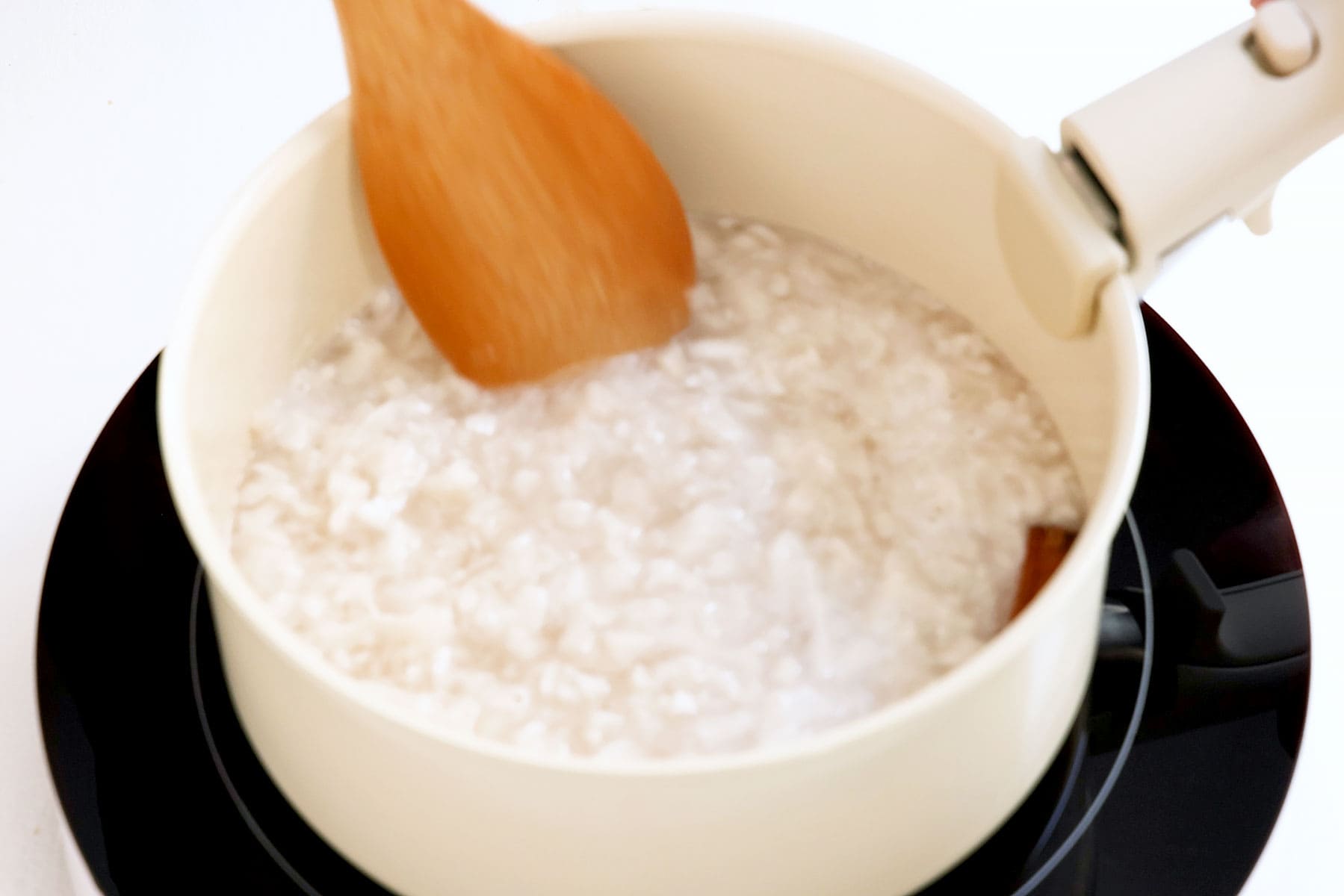
According to Gonzalez’s documentation, the preparation of authentic cocadas requires an understanding of sugar chemistry rather than complex culinary equipment. The recipe relies on just four primary ingredients: fresh shredded coconut, sugar, water, and cinnamon.

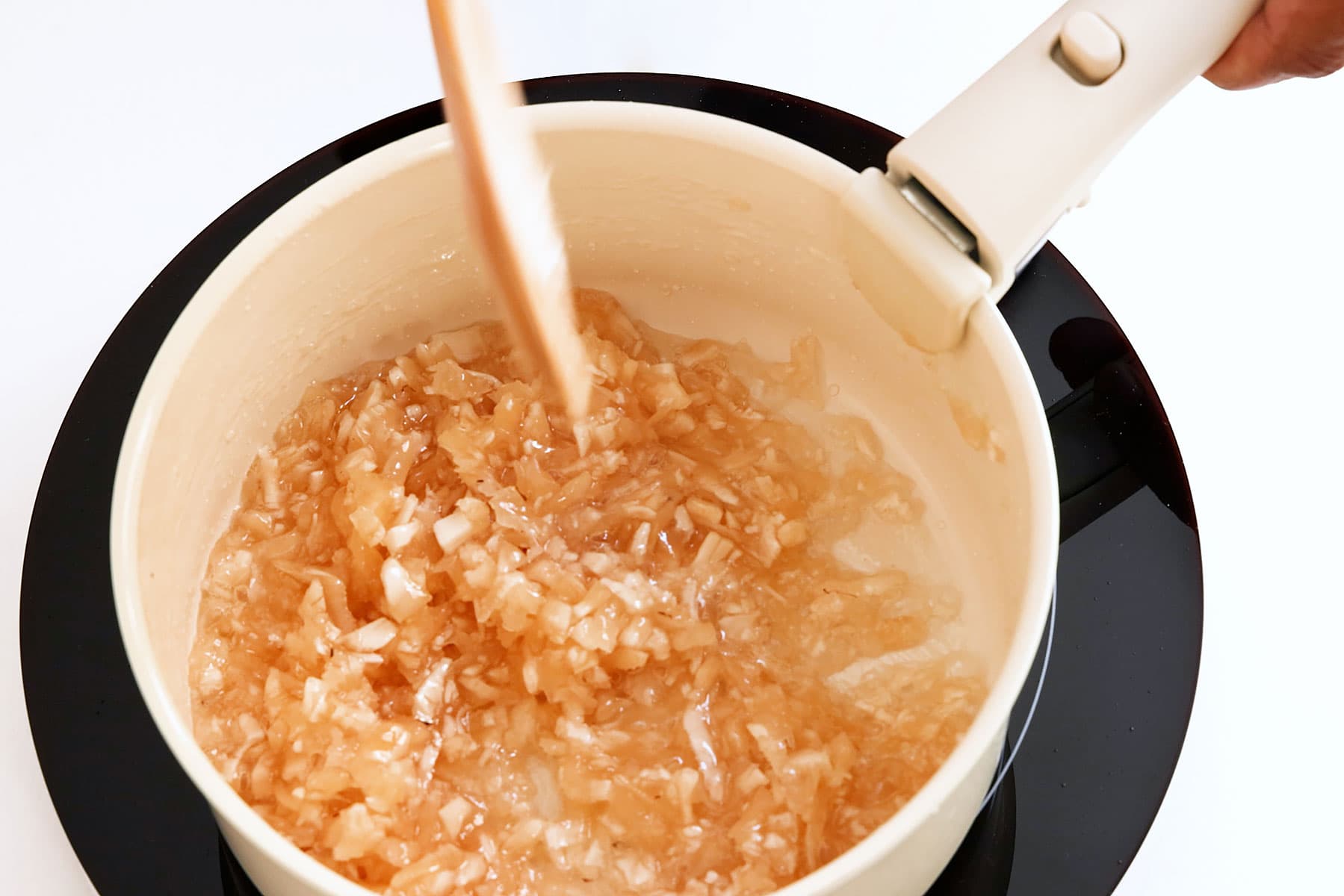
The primary technical challenge in crafting traditional cocadas lies in controlling the reduction of sugar. Culinary experts note that improper sugar management can easily result in a chewy caramel consistency rather than the desired dry, crunchy, non-sticky texture characteristic of authentic Dominican cocadas. To mitigate this, Gonzalez employs a specific technique—originally perfected for the production of Dominican dulce de leche en tabla—which involves the strategic addition of sugar toward the end of the cooking process. This intervention accelerates the crystallization phase, ensuring structural integrity and preventing failure without the need for commercial stabilizers, emulsifiers, or artificial binding agents.
While commercially produced or mass-marketed variants frequently utilize vivid red food coloring for aesthetic appeal, traditionalists often favor the natural, unadorned appearance of the grated coconut combined with subtle hints of cinnamon. The resulting confection yields approximately 269 kilocalories per serving, with a composition rich in dietary fiber and natural fats derived entirely from the fresh coconut meat.
Chronology of Digital Culinary Preservation
The transition of the cocada from a localized corner-store staple to a globally accessible digital recipe is part of a larger, decade-long evolution in how ethnic cuisines are documented.
- Pre-Digital Era: Cocadas remained largely localized to the Dominican Republic and diaspora communities within the United States, primarily New York, Florida, and Massachusetts, where they were sold in specialized Caribbean bodegas and bakeries.
- Early 2010s: Food bloggers began documenting basic iterations of Caribbean sweets, though technical details regarding sugar crystallization and regional naming conventions (such as distinguishing between cocadas, coquitos, and dulcitos) remained sparse.
- Recent Years: Culinary platforms shifted toward multimedia formats, combining high-definition video demonstrations with precise nutritional breakdowns. Gonzalez’s recent release of the standardized cocada video-recipe marks a maturation of this trend, providing step-by-step visual cues for home cooks who lack access to traditional Caribbean kitchens.
- Current Status: The recipe has garnered significant search interest under alternative historical search terms such as cocadas secas, coquitos, and dulce de coco seco, indicating sustained international curiosity and cross-cultural culinary adoption.
Economic and Logistical Implications
The accessibility of the cocada recipe underscores an important economic facet of traditional Caribbean baking: low input costs and high shelf stability. Requiring a total preparation and cooking time of approximately 45 minutes (10 minutes of preparation, 35 minutes of cooking), the recipe utilizes inexpensive, shelf-stable ingredients that make it economically viable for households across various socioeconomic strata.
Furthermore, the natural preservation properties of high-sugar, low-moisture coconut confections mean that cocadas can be stored safely for weeks without refrigeration. This longevity made them historically ideal for rural commerce in the Dominican Republic, where continuous refrigeration was not always guaranteed, and continues to make them practical for modern consumers seeking make-ahead desserts that withstand fluctuating kitchen environments.
Broader Impact on Caribbean Gastronomy
The formalization and digital dissemination of traditional recipes like the Dominican cocada carry significant implications for the preservation of intangible cultural heritage. As younger generations in both the diaspora and the homeland become increasingly detached from traditional domestic food production methods, digital platforms serve as vital archives.
Food safety and nutrition analysts also point out that the transparency provided by modern standardized recipes—including automated nutritional disclosures detailing carbohydrate, fat, and sodium content—allows consumers to integrate traditional treats into modern dietary frameworks more mindfully. While traditional cocadas are calorie-dense due to their sugar and coconut fat content, knowing the precise nutritional profile enables consumers to balance their intake within a balanced diet.
Ultimately, the enduring appeal of the cocada lies in its simplicity. By distilling centuries of Caribbean agricultural tradition into a concise, four-ingredient process, culinary preservationists have ensured that the flavors of the Dominican colmado remain accessible to an international audience, securing a lasting place for Caribbean confectionery on the global culinary stage.



0 Komentar
Sampaikan opini dan diskusi yang membangun dengan bahasa yang santun.
No Comments Yet
Be the first to share your thoughts on this story.