
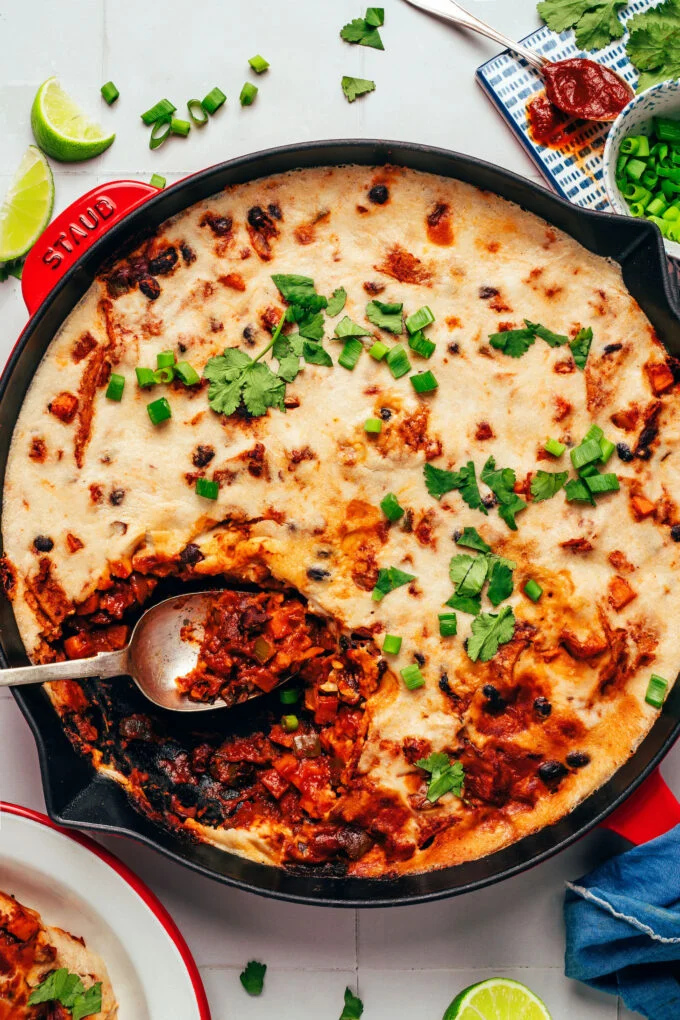
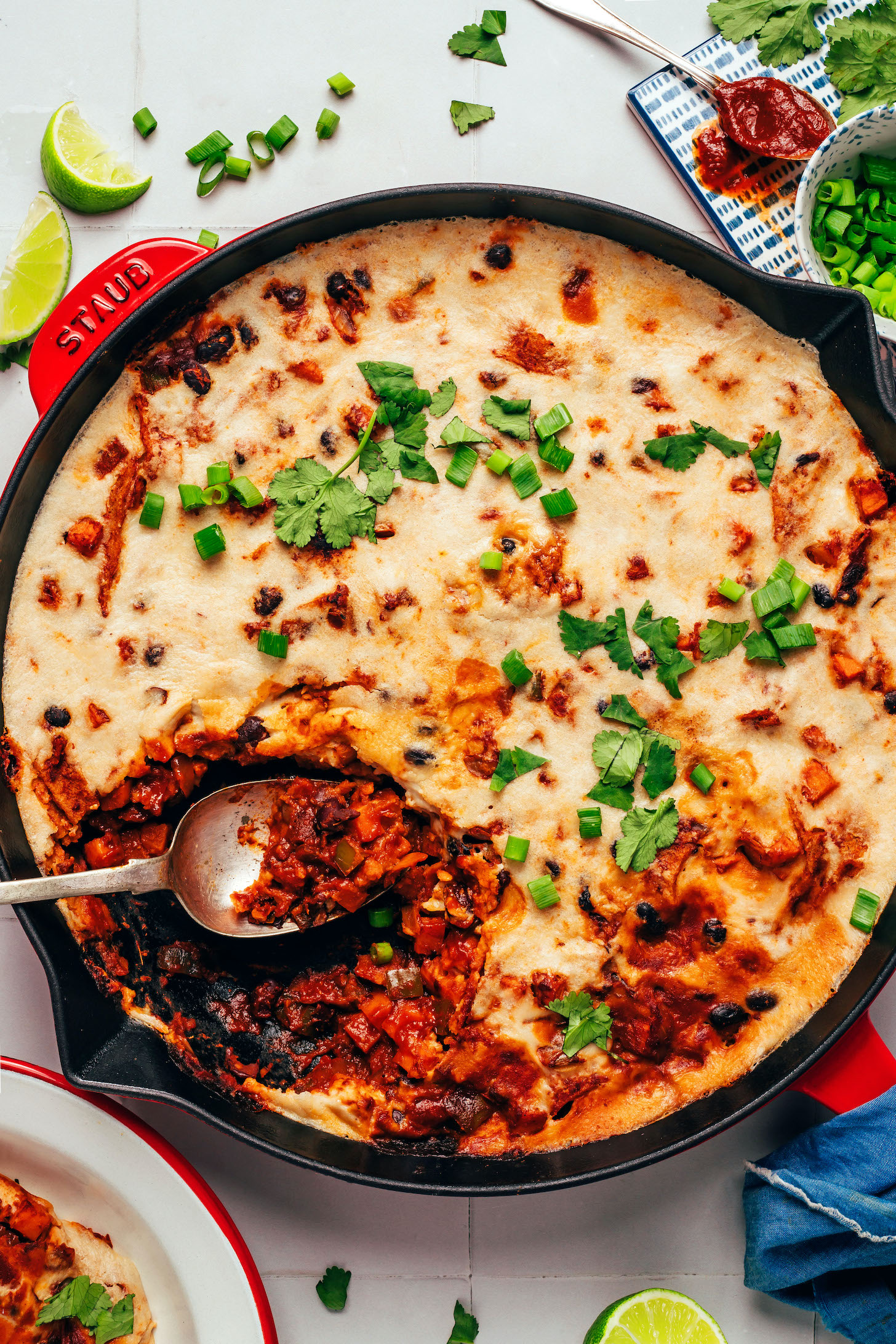
The culinary landscape continues to shift rapidly toward convenient, plant-based cooking solutions as modern consumers demand meals that balance nutritional density with minimal preparation time. In response to this growing culinary trend, a new one-pan recipe has been introduced that reimagines traditional Mexican enchiladas into a streamlined, weeknight-friendly skillet dish. Designed to eliminate the labor-intensive steps of stuffing and rolling individual tortillas, this 30-minute vegan enchilada recipe utilizes simple stovetop methods, fiber-rich legumes, seasonal root vegetables, and a proprietary cashew-based cheese alternative to replicate the rich, savory profiles of classic comfort foods.
Background and Historical Context of Enchiladas
To understand the evolution of the modern enchilada skillet, culinary historians often point to the deep roots of the original dish. Anthropological and historical records suggest that contemporary enchiladas trace their conceptual lineage back to the ancient Mayan civilization, where indigenous peoples consumed corn tortillas wrapped around small fish or hard-boiled eggs, a precursor dish known as papadzules.
However, the formal documentation of the recipe as it is recognized today emerged much later. The first documented recipe for enchiladas appeared in print in 1831 within the seminal Mexican cookbook, El Cocinero mexicano. Over nearly two centuries, the dish evolved significantly, adapting to regional ingredients across Mexico and the global diaspora. Traditional iterations typically involve corn tortillas dipped in chili-based sauces, stuffed with poultry, pork, seafood, fresh cheeses, or root vegetables, and subsequently baked.
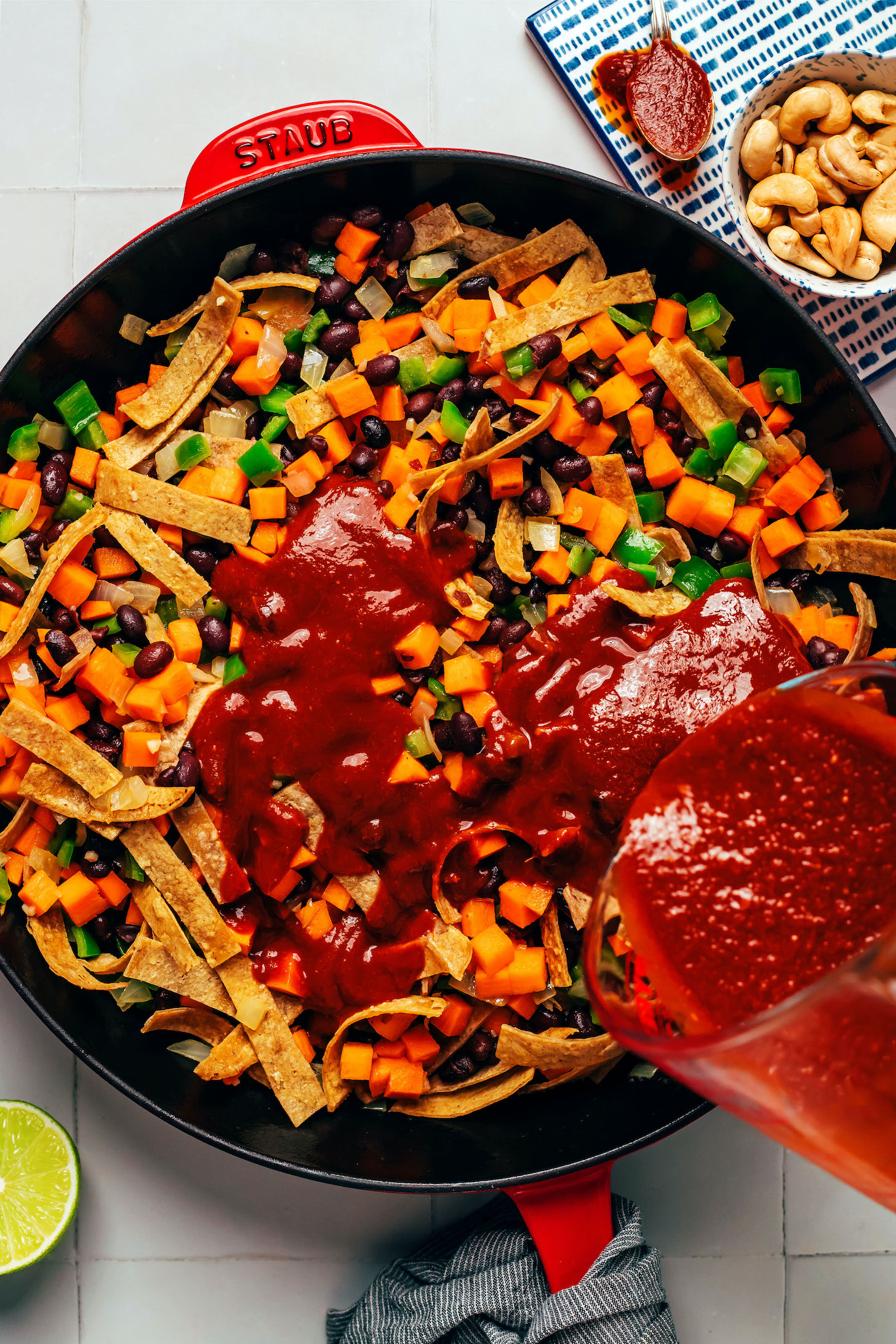
The newly developed 30-minute skillet variation respects these foundational flavor profiles—relying heavily on red enchilada sauce, corn tortillas, and savory spices—while fundamentally altering the preparation mechanics. Rather than rolling fillings individually and baking them in a casserole dish, the updated recipe deconstructs the process, slicing corn tortillas into manageable strips and allowing all primary components to simmer cohesively in a single cast-iron or stainless-steel skillet.
Nutritional Profile and Ingredient Breakdown
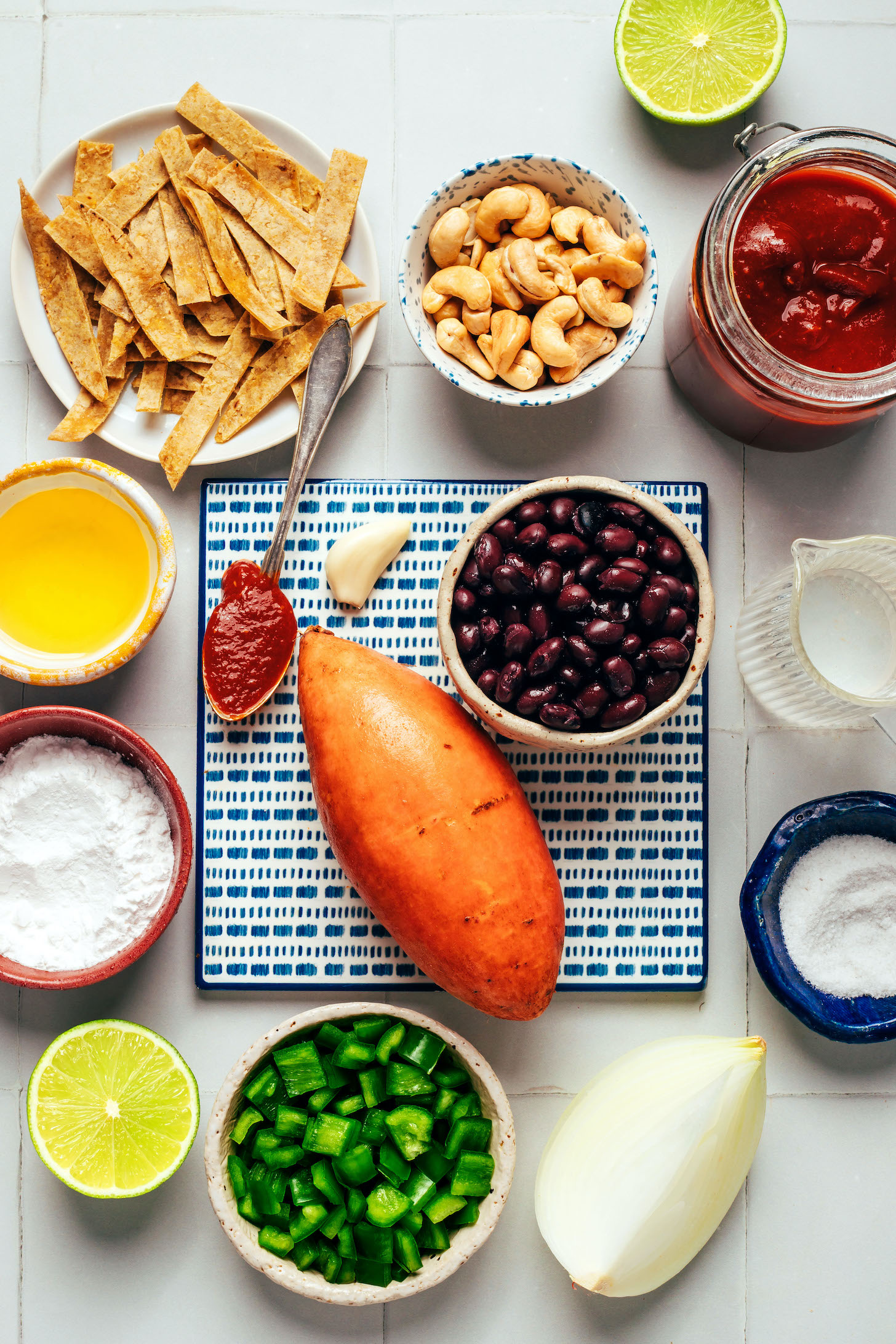
Modern dietary preferences increasingly emphasize plant-based whole foods, high fiber content, and reduced processing times. The newly released enchilada skillet addresses these demands directly through a carefully calibrated matrix of whole-food ingredients. Independent nutritional analyses estimate that a single serving of the dish contains approximately 416 calories, 68.2 grams of carbohydrates, 13.6 grams of protein, and 12.2 grams of total fat, with a notable absence of cholesterol.
Furthermore, the dish provides an exceptional dietary fiber profile, supplying roughly 14.3 grams per serving—a figure largely driven by the inclusion of black beans and sweet potatoes. Black beans serve as a primary source of plant-based protein and complex carbohydrates, while sweet potatoes contribute significant levels of Vitamin A and dietary potassium.
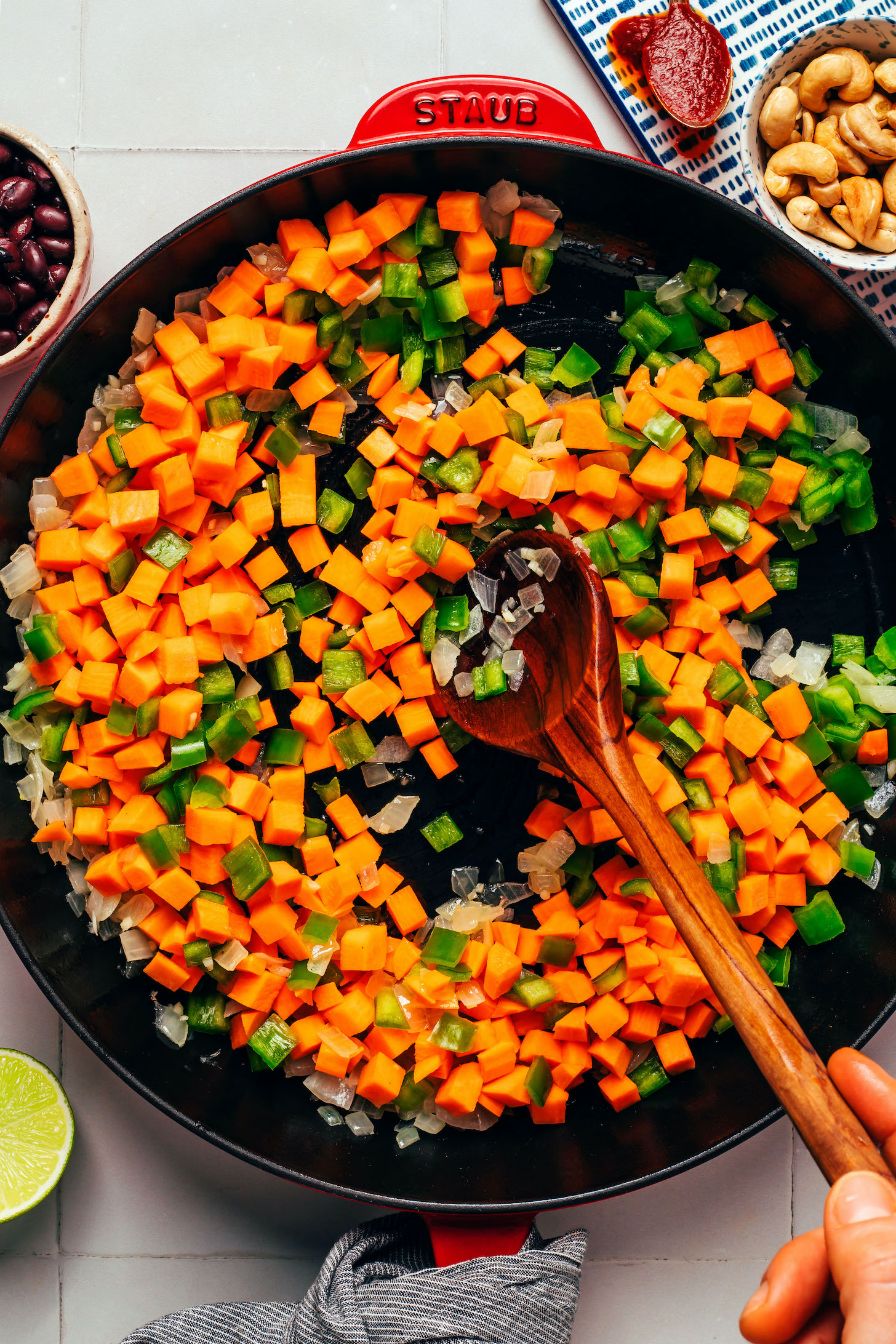
The recipe also incorporates poblano peppers and yellow onions to build an aromatic foundation, introducing essential micronutrients and antioxidants. Culinary experts note that the flexibility of the vegetable base allows home cooks to substitute seasonal alternatives—such as kabocha or butternut squash during the autumn months, or leafy greens like spinach and kale—without compromising the structural integrity or flavor profile of the final dish.
The Innovation of the Cashew-Based Cheese Sauce
One of the primary technological and culinary challenges in plant-based cooking is replicating the meltability, creaminess, and savory depth of dairy-derived cheeses. Traditional vegan cheese substitutes often rely on processed oils and starches that fail to mimic the mouthfeel of dairy products under heat.
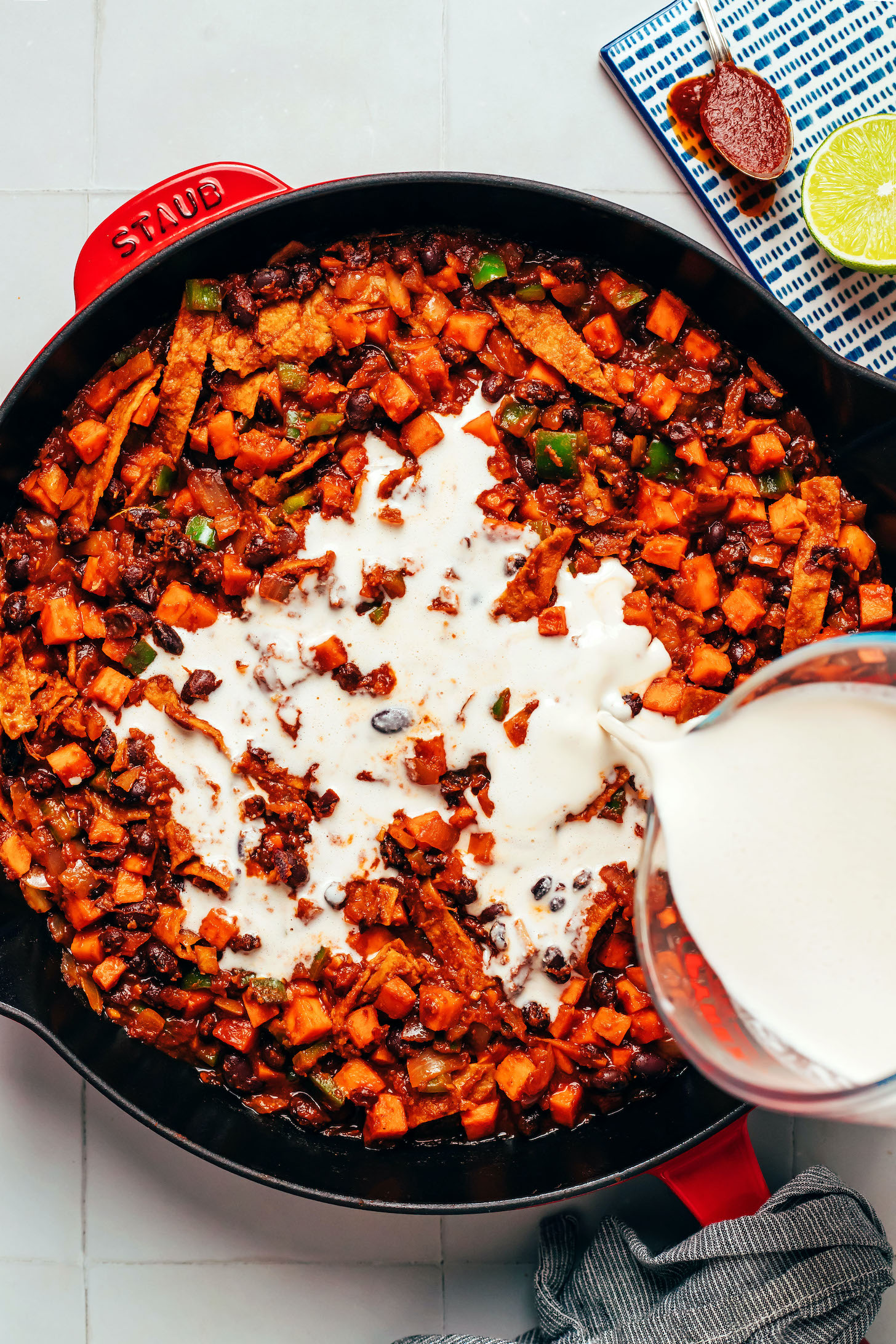
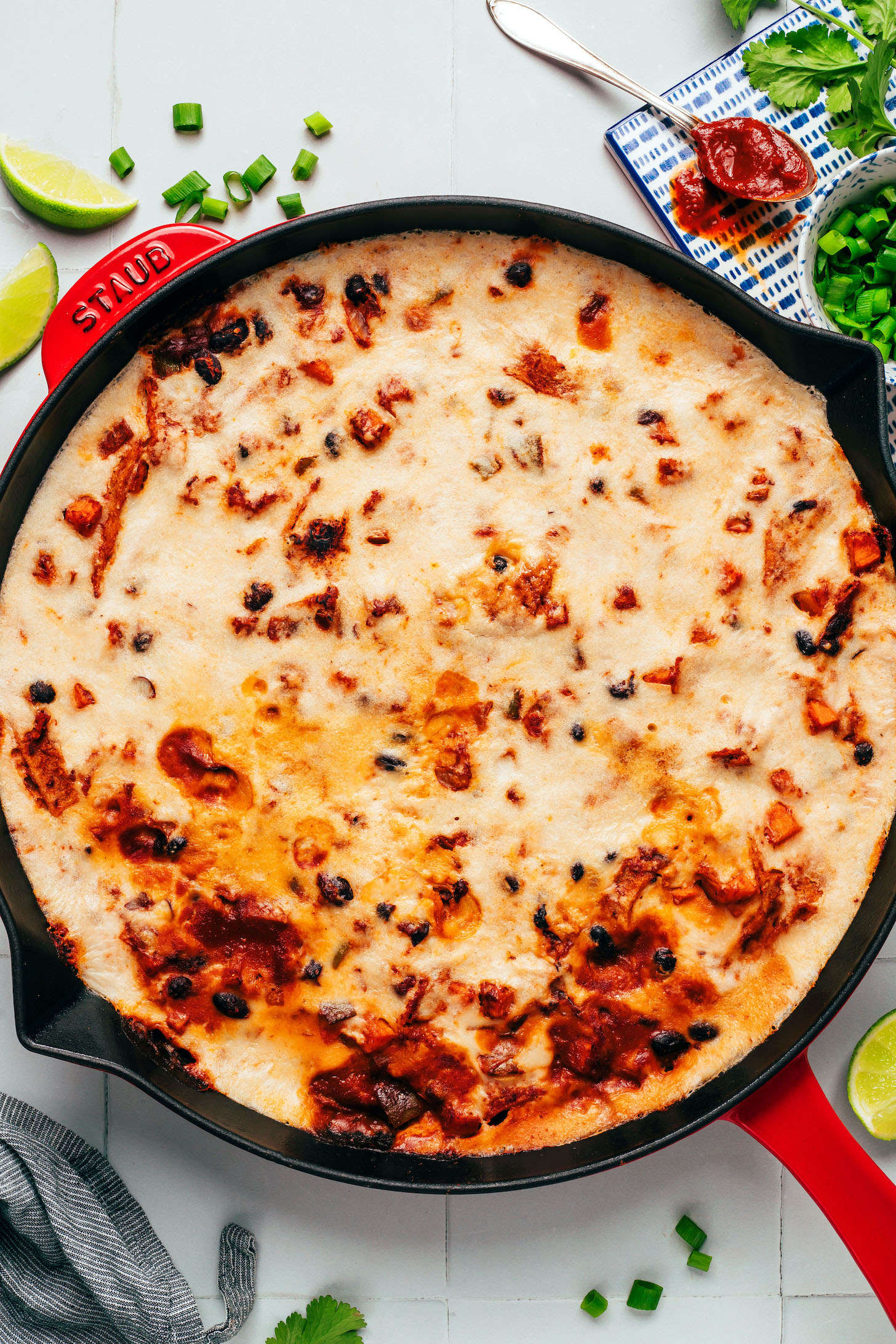
To overcome this hurdle, the new recipe introduces a specialized emulsification technique utilizing raw cashews, fresh lime juice, garlic, sea salt, water, and tapioca starch. When blended thoroughly and exposed to the heat of the simmering skillet, the starch undergoes gelatinization, creating a stretchy, cohesive sauce that visually and texturally mirrors melted cheese when covered and steamed.
Food scientists and recipe developers emphasize that tapioca starch is critical to this reaction, as its high viscosity and elasticity under heat provide the necessary structural pull. While consumers seeking convenience may opt for commercially available dairy-free or dairy-based shredded cheeses, the cashew-based sauce offers a minimally processed alternative that elevates both the nutritional value and the gastronomic appeal of the meal.
Chronology of Preparation and Efficiency Metrics
Designed with time-pressed consumers in mind, the recipe minimizes both active preparation and cleanup phases. The standardized timeline is structured to optimize kitchen efficiency:
- Preparation Phase (10 Minutes): Chopping aromatic vegetables into uniform quarter-inch to half-inch cubes to ensure rapid cooking parity; slicing corn tortillas into strips; and blending the cashew cheese components.
- Cooking Phase (20 Minutes): Sautéing onions, garlic, sweet potatoes, and poblano peppers in a single skillet until tender; incorporating black beans, sliced corn tortillas, and red enchilada sauce; and finally pouring the cashew cheese sauce over the top while covering the pan to allow steaming and melting.
- Total Elapsed Time (30 Minutes): The meal transitions from raw ingredients to a ready-to-serve presentation, requiring only one primary cooking vessel and significantly reducing post-meal dishwashing labor.
Broader Culinary and Industry Implications
The release of simplified, nutrient-dense skillet meals reflects broader shifts in domestic food consumption patterns. Market researchers note that post-pandemic dining trends favor home-prepared meals that require minimal time investment but do not sacrifice the sensory experiences traditionally associated with restaurant dining or complex home cooking.
By deconstructing labor-intensive ethnic dishes into single-pan formats, recipe developers are democratizing access to culturally inspired foods for busy demographics. Moreover, the emphasis on easily accessible pantry staples—such as canned black beans, store-bought or freezer-friendly red enchilada sauce, and standard corn tortillas—mitigates supply chain barriers and accommodates varied household budgets.
Future developments in plant-based home cooking are expected to build upon these efficiency models, focusing heavily on reducing kitchen hardware requirements while maximizing micronutrient density and cultural authenticity. As these culinary techniques gain traction across mainstream digital platforms and home kitchens alike, they signal a permanent evolution in how traditional comfort foods are adapted for contemporary lifestyles.



0 Komentar
Sampaikan opini dan diskusi yang membangun dengan bahasa yang santun.
No Comments Yet
Be the first to share your thoughts on this story.