California Lawmakers and Food Advocates Press Governor Newsom to Remove Immigration and Age Restrictions from State Nutrition Assistance

California stands at a unique economic crossroads, serving simultaneously as the nation’s preeminent agricultural supplier and the state with the highest poverty rate. Within this paradoxical landscape, hundreds of thousands of undocumented residents—many of whom harvest the crops that feed the nation—face severe food insecurity. Despite these stark conditions, state and federal safety net programs systematically exclude undocumented immigrants from accessing fundamental nutrition assistance. Today, a growing coalition of lawmakers, policy experts, and grassroots advocates is ramping up pressure on Governor Gavin Newsom to overhaul the state’s food assistance framework. Their goal is to eliminate both immigration status and age barriers from the California Food Assistance Program (CFAP), ensuring that every resident, regardless of documentation, has guaranteed access to basic sustenance.
The Push for Inclusive Food Security Policy
The legislative and advocacy campaign to reform California’s nutrition safety net relies on a multi-pronged strategy. At the forefront of this movement is Senate Bill 464, introduced by State Senator Melissa Hurtado. The proposed legislation seeks to permanently expand eligibility for state-funded nutrition benefits by removing all immigration-based exclusions. Concurrently, the Food4All campaign—spearheaded by food policy organization Nourish California and the California Immigrant Policy Center—has spent more than two years directly lobbying the executive branch to dismantle the structural hurdles keeping undocumented residents out of the state’s nutrition programs.
These groups argue that incremental policies fall desperately short of addressing the crisis. In January, Governor Newsom’s proposed 2022-2023 budget included funding to strip immigration exclusions from CFAP, but restricted this benefit exclusively to undocumented Californians aged 55 and older. Advocates maintain that omitting younger adults, families, and children leaves out the vast majority of those experiencing extreme hunger, particularly within the agricultural workforce.
A Historical Overview of Exclusionary Welfare Policies
To understand why undocumented immigrants remain locked out of state and federal nutrition programs, policy analysts point to a legacy of restrictive legislation enacted at both the federal and state levels. Federal nutrition programs, most notably the Supplemental Nutrition Assistance Program (SNAP) and its California counterpart, CalFresh, are legally restricted to U.S. citizens and select categories of qualified immigrants who have maintained that status for at least five years. Undocumented immigrants have never qualified for these federal safety net resources.
The systemic barriers grew significantly tighter in the closing decades of the 20th century:
- 1994: California voters approved Proposition 187, a ballot initiative designed to deny undocumented immigrants access to public education, non-emergency health care, and social services. While the measure was ultimately struck down in federal court as unconstitutional, it institutionalized a hostile narrative that framed undocumented populations as a drain on public resources.
- 1996: President Bill Clinton signed the Personal Responsibility and Work Opportunity Reconciliation Act (PRWORA). This sweeping welfare reform overhaul forced lawful permanent residents—who had previously been fully eligible—to endure a mandatory five-year waiting period before accessing federal benefits.
Researchers have extensively documented the chilling effect of these laws. Beyond the direct statutory exclusions, decades of anti-immigrant policy have generated deep-seated fear and confusion. Many eligible households, fearing legal repercussions or deportation, choose not to enroll in public assistance programs. This pervasive anxiety has been compounded by federal measures like the "public charge" rule. Although the expanded public charge regulations introduced during the Trump administration—which penalized immigrants for utilizing government assistance—were officially rescinded under the Biden administration, recent surveys indicate that three out of four immigrant families remain unaware of the reversal. Consequently, widespread self-enforced exclusion persists.
The Human Cost in the Agricultural Heartland
The human impact of these policy exclusions is starkest in California’s Central Valley, often referred to as the nation’s "salad bowl" because it produces a quarter of the United States’ food supply. Studies show that approximately 45 percent of undocumented immigrants in California experience food insecurity. Among agricultural workers in the Central Valley, that figure matches or exceeds regional averages, creating a cruel irony where the laborers harvesting fresh fruits and vegetables cannot afford to feed their own families.
Senator Hurtado, whose legislative district encompasses the agricultural heartland, drew inspiration from her own upbringing as the daughter of immigrant farmworkers experiencing poverty. She emphasizes that the workforce powering the state’s multi-billion-dollar agricultural industry labors through extreme environmental hazards—including record-breaking droughts, destructive wildfires, and dangerous summer heatwaves.
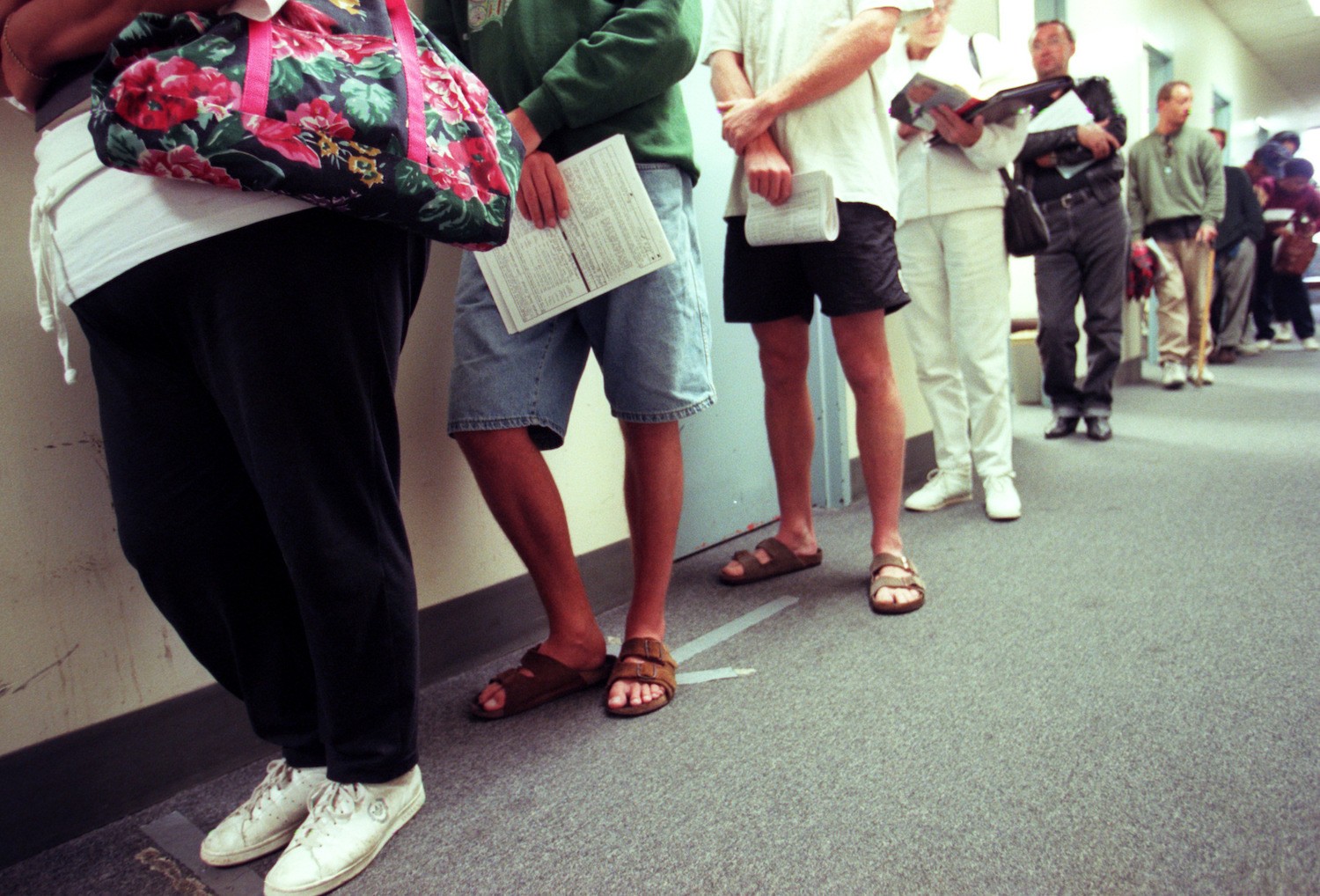
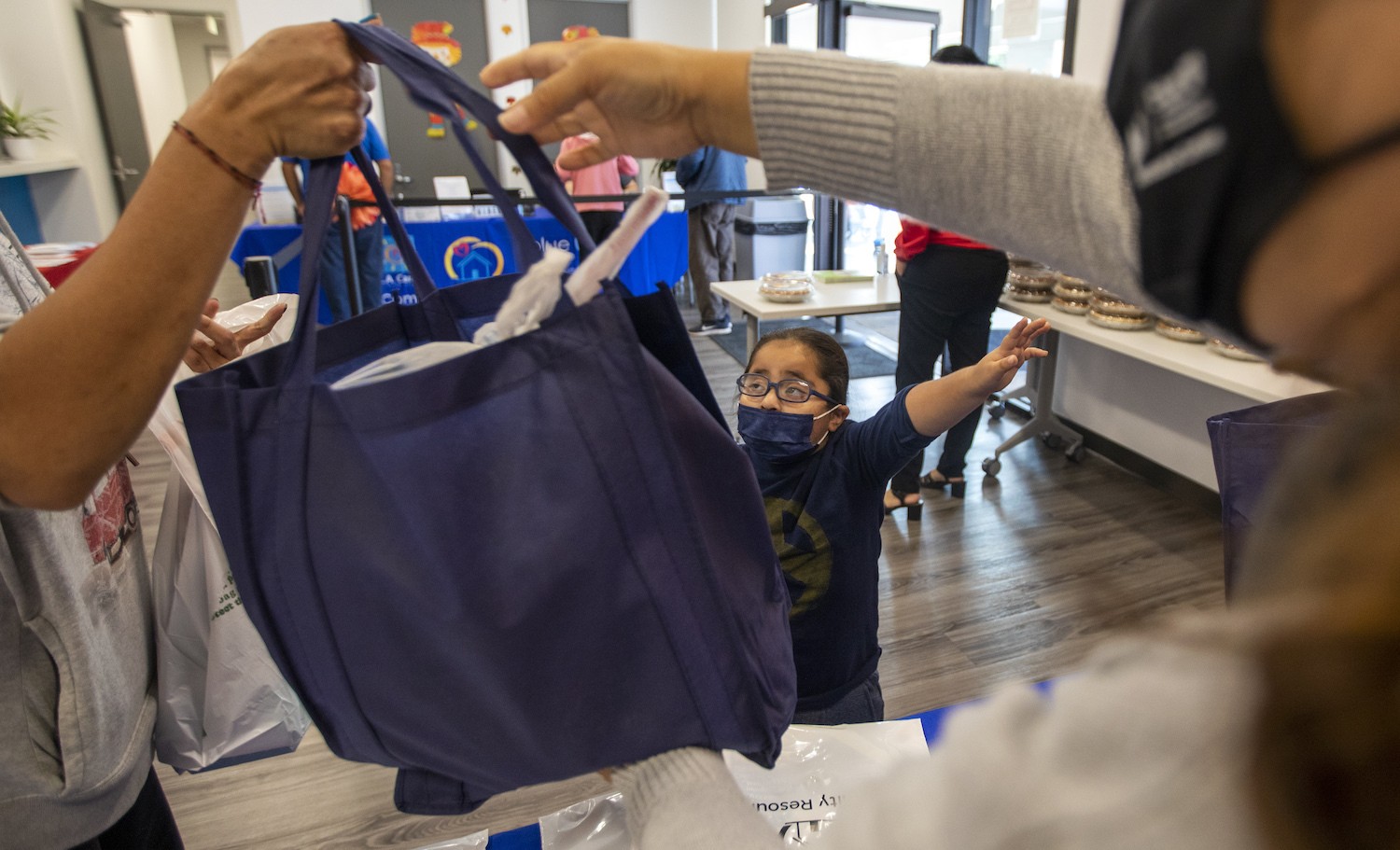
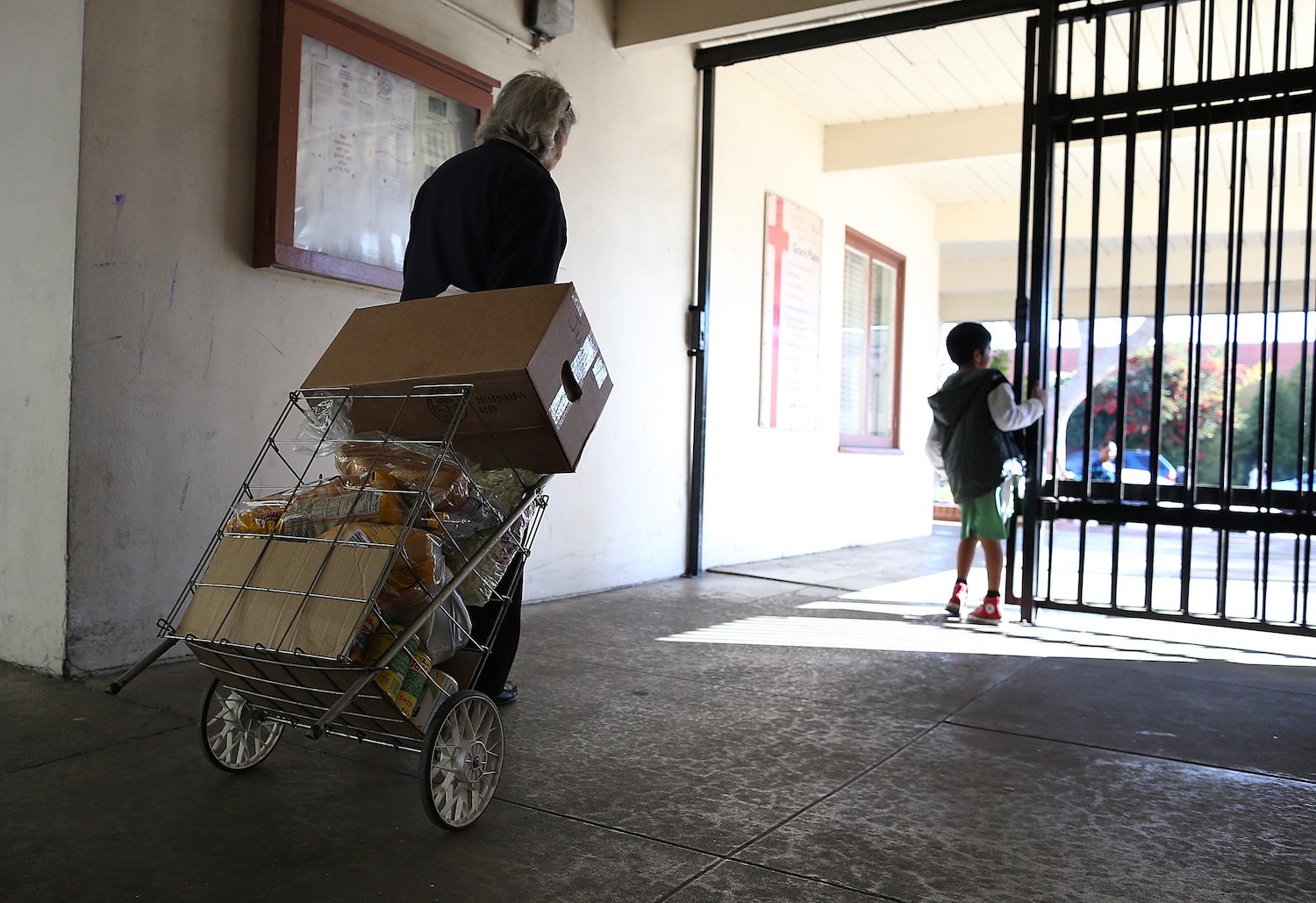
Community organizations on the ground witness the daily consequences of these disparities. The Central Valley Immigrant Integration Collaborative (CVIIC), based in Fresno, regularly connects undocumented farmworkers to local food distribution networks. Staff members report that families frequently line up hours before distribution sites open, driven by the fear that supplies will run out before they can secure enough food to feed their children.
Linguistic and Structural Obstacles Beyond Documentation
Even if legislative barriers are successfully dismantled, advocates note that significant operational hurdles will remain for vulnerable populations. Many Indigenous migrant communities in California—such as the Mixtec, Zapotec, and Purépecha populations hailing from southern Mexico—speak pre-Hispanic languages rather than Spanish or English.
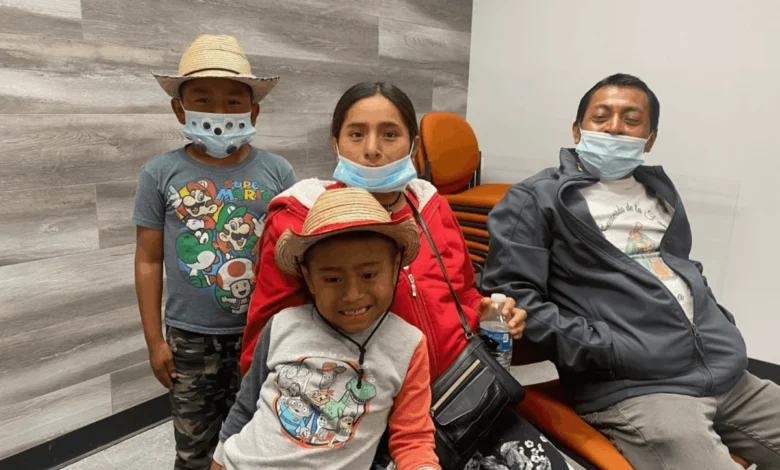
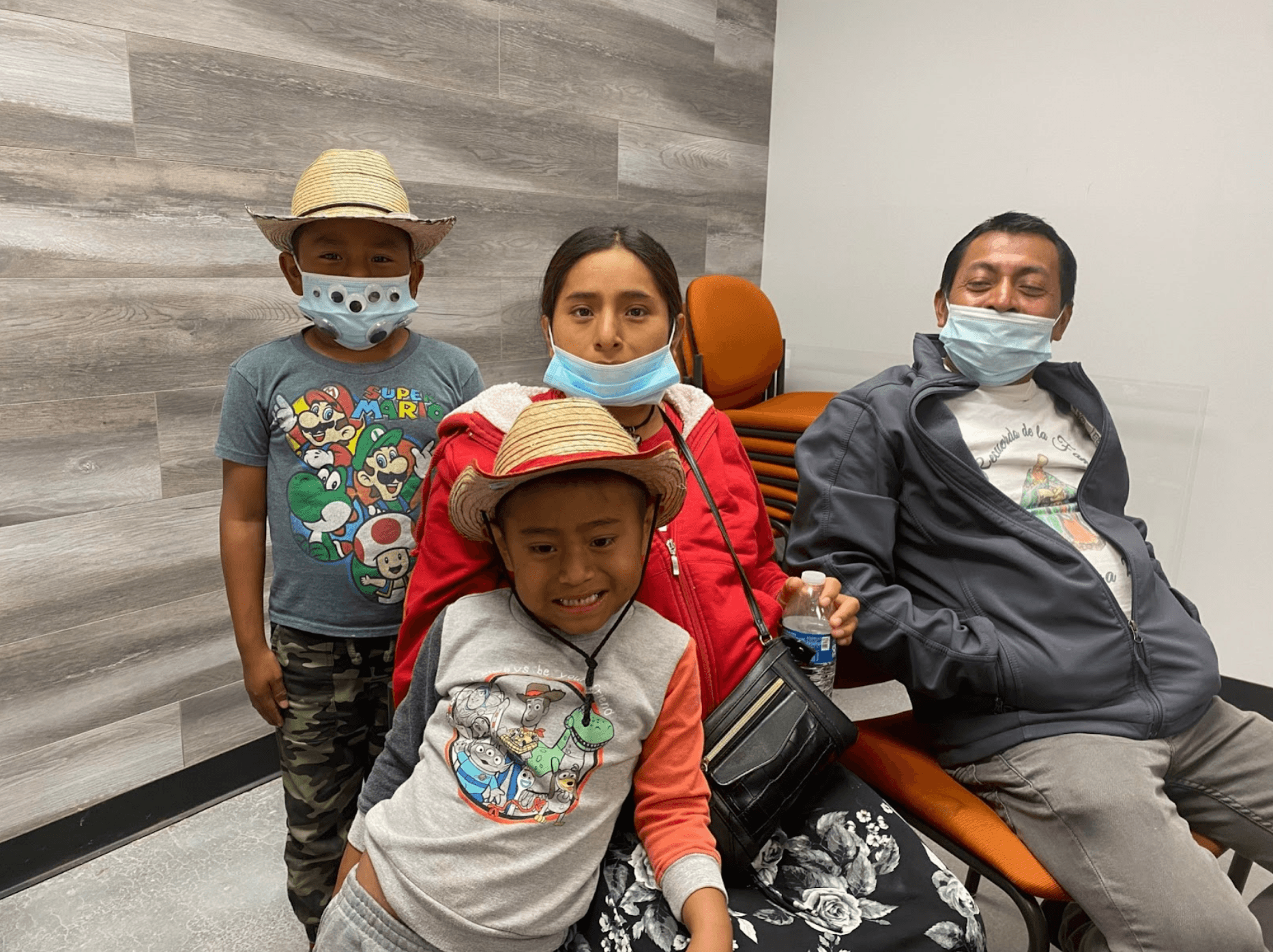
For families like Guillermo and Augustina, undocumented Mixtec farmworkers living in California with their two children, the barriers to accessing assistance are multilayered. Subsisting on seasonal wages earned in local strawberry fields, the couple relies heavily on affordable staples like beans, rice, and corn flour to make tortillas during the off-season. When workloads drop to just a few hours a day, even basic groceries become financially out of reach, and fresh produce is entirely eliminated from their diets.
Furthermore, Guillermo expressed deep-seated apprehension regarding the long-term implications of accepting government aid. Like many in his community, he worries that accepting state-funded assistance could be retroactively weaponized against his family by future administrations, or that their children might be held financially liable for the benefits utilized years later.
To combat these fears and bridge the communication gap, local organizations argue that state-funded expansion efforts must prioritize multilingual outreach. Proposed solutions include coordinating with Mexican consulate translator databases and leveraging digital platforms like live social media presentations to educate communities in their native dialects.
Budgetary Debates and the Path Forward
With Senate Bill 464 stalled for the legislative session, advocacy groups have redirected their lobbying efforts toward the upcoming state budget. Propelled by an unprecedented state budget surplus estimated at $68 billion, lawmakers like Assemblymember Miguel Santiago have pushed Governor Newsom to allocate dedicated funds in the June budget to expand CFAP universally to undocumented residents of all ages.
The debate over the budget surplus has ignited a broader philosophical discussion regarding state spending priorities. While the administration has proposed one-off relief measures—such as $200 gas rebate checks to help residents manage soaring fuel costs—advocates argue that temporary handouts fail to address deep-seated systemic inequities. Representatives from Nourish California contend that state leaders must invest in permanent safety net expansions rather than short-term fixes.
In communications with press and policy groups, representatives for Governor Newsom have defended the administration’s record, highlighting historic investments in immigrant support systems. These include expanding Medi-Cal eligibility to low-income residents regardless of immigration status, bolstering pro bono legal services, and funding universal transitional kindergarten. However, the governor’s office has not explicitly committed to utilizing the current budget surplus to fund a universal expansion of the California Food Assistance Program.
As the state finalizes its fiscal roadmap, food policy experts and community advocates continue to press the administration on a fundamental premise: that access to adequate nutrition is an essential human right. As Betzabel Estudillo of Nourish California summarized during budget deliberations, temporary financial relief cannot substitute for structural reform. For the hundreds of thousands of undocumented essential workers sustaining California’s economy, the outcome of the state budget negotiations will determine whether they can finally access the most basic necessity of life.