The Soil to Gut Connection Why Food Quality and Regenerative Agriculture are Essential in the Era of Weight-Loss Medications


The global healthcare landscape is currently undergoing a seismic shift driven by the rapid proliferation of GLP-1 receptor agonists, a class of medications that has redefined the treatment of obesity and type 2 diabetes. While drugs such as semaglutide and tirzepatide are being hailed as pharmaceutical breakthroughs capable of mitigating the chronic disease epidemic, a growing chorus of experts warns that the conversation remains dangerously incomplete. Dr. Lucy Williamson, a prominent public health nutritionist and former veterinarian with three decades of experience spanning soil science, livestock, and human health, argues that the current focus on appetite suppression risks ignoring the fundamental pillar of human vitality: the quality of the food we consume and the health of the soil from which it originates.
As clinical trials continue to demonstrate the efficacy of these medications in reducing cardiovascular risk and improving metabolic markers, the public discourse has largely centered on the mechanics of eating less. However, this narrow focus on caloric restriction and portion control overlooks a critical biological reality. The human body does not merely require fewer calories; it requires a complex matrix of nutrients that are increasingly absent from the modern industrial diet. By examining the "soil-to-gut" connection, it becomes clear that the long-term solution to the global health crisis lies not just in pharmaceutical intervention, but in a systemic return to nutrient-dense, ecologically sound food systems.
The Rise of GLP-1 and the Pharmaceutical Frontier
To understand the current obsession with weight-loss drugs, one must first look at the scale of the metabolic health crisis. According to the World Health Organization (WHO), global obesity rates have nearly tripled since 1975. In the United States and the United Kingdom, metabolic dysfunction—manifesting as type 2 diabetes, non-alcoholic fatty liver disease, and hypertension—now affects a significant portion of the adult population.
The emergence of GLP-1 (glucagon-like peptide-1) medications has provided a potent tool for intervention. GLP-1 is a hormone naturally produced in the L-cells of the distal ileum and colon in response to food intake. It functions by slowing gastric emptying, enhancing insulin secretion, and signaling satiety to the brain. Synthetic versions of this hormone have proven remarkably effective at inducing weight loss, with some patients losing up to 20% of their body weight in clinical trials.
However, the pharmaceutical success of these drugs has created a "silver bullet" mentality. Market analysts project the weight-loss drug market could reach $100 billion by 2030. This financial momentum has shifted the public health narrative toward a model of "appetite management," where the goal is simply to silence the body’s hunger signals. Dr. Williamson and other experts argue that while these drugs are life-changing for many, they do not address the underlying nutritional bankruptcy that drives chronic inflammation and metabolic collapse.
The Gut Microbiome: The Body’s Natural GLP-1 Factory
The focus on synthetic GLP-1 often ignores the fact that the human body is designed to produce this hormone naturally through a sophisticated interaction between the gut microbiome and dietary fiber. The gut microbiome—a vast ecosystem of trillions of microbes residing in the large intestine—acts as a secondary endocrine organ. When we consume diverse plant fibers and complex carbohydrates, our gut microbes ferment these substances into short-chain fatty acids (SCFAs), such as butyrate, acetate, and propionate.
Butyrate, in particular, is a powerhouse molecule. It serves as the primary energy source for colonocytes (cells lining the colon) and acts as a natural anti-inflammatory agent. Crucially, butyrate stimulates the production of GLP-1 within the gut wall. Therefore, a diet rich in prebiotics—the fibers that feed these microbes—functions as a natural regulator of appetite.
The modern diet, dominated by ultra-processed foods (UPFs), has disrupted this internal machinery. UPFs are typically stripped of their natural fiber and "food matrix," the complex physical structure of whole foods that dictates how nutrients are absorbed. When this matrix is destroyed through industrial processing, the body absorbs sugars and fats too rapidly, bypassing the microbial fermentation process in the lower gut. This leads to a decline in microbial diversity, a reduction in natural GLP-1 production, and a state of chronic systemic inflammation.

Chronology of a Crisis: From Fertile Soil to Industrial Processing
The disconnect between soil health and human health is the result of a century-long shift in agricultural practices. To understand the current state of public health, it is necessary to trace the timeline of how our food system evolved:
- The Pre-Industrial Era: Agriculture relied on crop rotation, animal manure, and natural biodiversity. Soils remained rich in organic matter and microbial life, ensuring that crops had access to a wide array of minerals and phytonutrients.
- The Green Revolution (1940s–1960s): The introduction of synthetic nitrogen fertilizers and high-yield crop varieties increased caloric output significantly but began the process of soil depletion. The focus shifted from nutrient density to sheer volume (yield).
- The Rise of Agrochemicals (1970s–Present): The widespread use of pesticides, herbicides, and fungicides further sterilized the soil. Research indicates that these chemicals can disrupt the "soil microbiome," which in turn limits the ability of plants to synthesize protective compounds like polyphenols.
- The UPF Explosion (1980s–Present): The food industry moved toward "deconstructing" whole foods into cheap ingredients (corn syrup, soy protein isolate, refined oils) to create hyper-palatable, shelf-stable products. This era saw a direct correlation with the rise of global obesity and metabolic syndrome.
- The Pharmaceutical Response (2020s): The arrival of highly effective weight-loss drugs marks the latest stage, where technology is used to override a biological system that has been broken by an industrial environment.
The Soil-to-Gut Connection: Why Quality Begins Underground
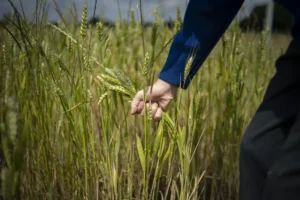
Dr. Williamson’s "soil-to-gut" thesis posits that human health is an extension of the health of the earth. Healthy soil is not merely "dirt"; it is a living ecosystem containing more organisms in a single teaspoon than there are people on the planet. These microbes and fungi form symbiotic relationships with plant roots, helping them absorb essential minerals like magnesium, zinc, and selenium.
Recent studies have highlighted the nutritional disparity between industrial and regenerative farming systems. Research published in the British Journal of Nutrition found that organic crops often contain significantly higher levels of antioxidants, such as polyphenols, compared to conventionally grown counterparts. These polyphenols are not just "extras"; they are bioactive compounds that protect the human body against oxidative stress and support the gut microbiome.
Furthermore, the use of agrochemicals has been linked to detrimental changes in the human gut. Emerging evidence suggests that glyphosate and other pesticides may alter the composition of the gut microbiota and damage the intestinal mucous layer—a vital barrier that prevents "leaky gut" and systemic inflammation. When we consume food grown in depleted, chemically-treated soil, we are not only missing out on essential nutrients but also potentially introducing substances that undermine our internal ecosystem.
Supporting Data: The Declining Nutrient Density
The urgency of Dr. Williamson’s message is supported by historical data on food composition. A landmark study from the University of Texas, analyzing USDA crop data from 1950 to 1999, found significant declines in the amounts of protein, calcium, phosphorus, iron, riboflavin, and vitamin C in 43 different vegetables and fruits.
Similarly, research into the "food matrix" shows that the physical structure of food affects satiety. For instance, a whole apple provides significantly more fullness and a slower blood sugar response than the equivalent amount of sugar and fiber consumed in a processed form. In the context of weight-loss drugs, this is vital: if a patient on semaglutide continues to eat a diet of nutrient-poor UPFs, they may lose weight due to a caloric deficit, but they remain at risk for "malnutrition in the midst of plenty," characterized by muscle loss (sarcopenia) and micronutrient deficiencies.
Implications for the Future of Public Health
The integration of weight-loss medications into public health strategy must be accompanied by a radical shift in how we value food. If the goal is long-term health rather than temporary weight suppression, several implications must be addressed:
- Medical Integration: Clinicians prescribing GLP-1 drugs should prioritize nutritional therapy that emphasizes whole foods and fiber-rich diets to support the patient’s natural microbiome and preserve lean muscle mass.
- Agricultural Policy: Government subsidies must shift from supporting monocultures of corn and soy (the raw materials for UPFs) toward regenerative farming practices that restore soil health and increase the nutrient density of the food supply.
- Environmental Exposure: Beyond diet, our contact with the environment matters. Research into "microbial rewilding" suggests that exposure to diverse outdoor environments and healthy soil can strengthen the human immune system and microbiome.
- The Food Matrix: Public health guidelines should move away from focusing solely on macronutrients (fats, carbs, proteins) and instead emphasize the importance of the food matrix and the degree of processing.
Conclusion: Cultivation Over Control
The rise of weight-loss drugs is a testament to human ingenuity in the face of a mounting health crisis. However, these medications should be viewed as a bridge rather than a destination. As Dr. Williamson suggests, the ultimate goal of public health should be to restore the body’s natural ability to regulate itself.
Health is not a metric to be controlled through chemical suppression; it is a state of being to be cultivated through a deep reconnection with our biological requirements. This reconnection begins with the soil. By prioritizing the health of our farmland and the quality of our food systems, we can support the gut microbiome, reduce the root causes of inflammation, and create a future where metabolic health is the norm rather than the exception. The "soil-to-gut" connection reminds us that we are part of a wider ecosystem, and our health can only be as robust as the environment that sustains us. Turning the tide on chronic disease requires looking beyond the plate and into the ground beneath our feet.