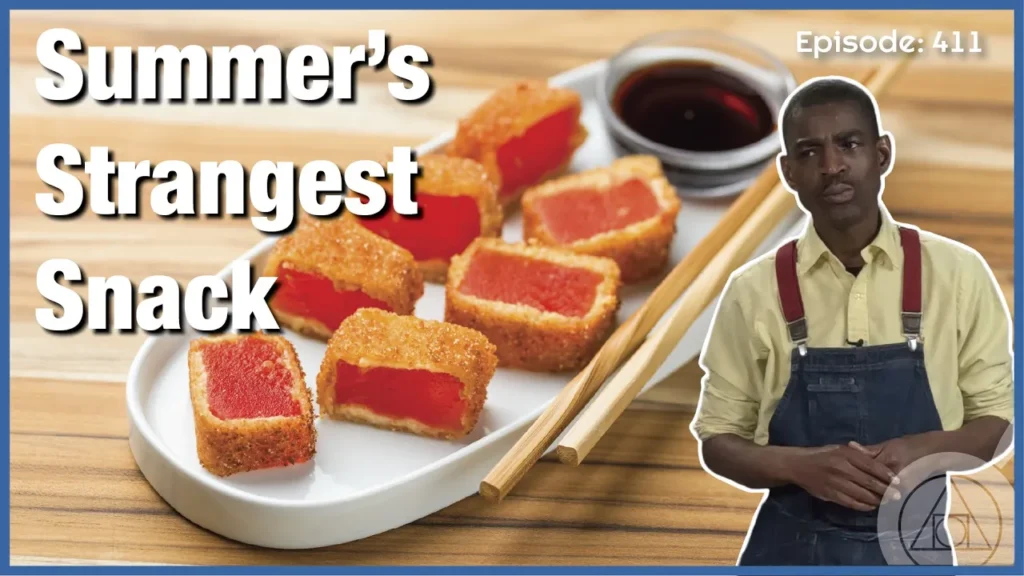
The intersection of culinary innovation and traditional frying techniques has long been a subject of fascination for modernist chefs, yet few experiments challenge the structural integrity of ingredients as boldly as the deep-frying of melons. Watermelon, cantaloupe, and honeydew are composed primarily of water—roughly 90 to 92 percent in the case of watermelon—making them ostensibly unsuitable candidates for high-temperature oil immersion. However, recent culinary trials conducted by the "We Transform Food" series have demonstrated that through precise temperature control and strategic batter application, these fruits can be successfully transformed into hot, dessert-like delicacies.
The Chemistry of Frying Aqueous Fruits
To understand the viability of frying melon, one must first examine the physics of the Maillard reaction and heat transfer. Deep frying typically requires a surface that can withstand temperatures between 350°F and 375°F (175°C to 190°C). When a high-moisture ingredient hits hot oil, the water rapidly turns to steam, which creates a protective barrier that prevents oil absorption while simultaneously cooking the interior.
In the case of melons, the primary challenge is the lack of structural protein or starch. Unlike potatoes, which possess a cellular matrix of starch that crisps upon dehydration, melons consist of delicate pectin-based cell walls that collapse under sustained heat. The "We Transform Food" experiment utilizes a batter—a mixture of flour, leavening agents, and potentially stabilizers—that acts as a thermal insulator. This coating allows the melon’s natural sugars to caramelize internally while the exterior achieves a golden, crunchy texture. The result is a transition in the fruit’s texture from a fibrous, crisp state to a soft, custard-like consistency, effectively altering the organoleptic profile of the produce.
Chronology of Culinary Innovation in Fried Fruits
The history of deep-frying fruit is not entirely new to gastronomy, though it has historically been limited to denser varieties. The following timeline illustrates the evolution of this technique:
- 19th Century: The rise of the "fritter" became a staple in European and American kitchens, primarily utilizing apples, bananas, and pineapples. These fruits, being lower in water content and higher in fiber, were naturally predisposed to frying.
- 1990s: The advent of "State Fair" culture in the United States accelerated the experimentation with unconventional fried foods, leading to the emergence of deep-fried candy bars and eventually, more complex fruits.
- 2010s: Modernist gastronomy began to formalize the study of ingredient transformation, focusing on hydrocolloids and vacuum-sealing techniques to prepare fruits for high-heat cooking.
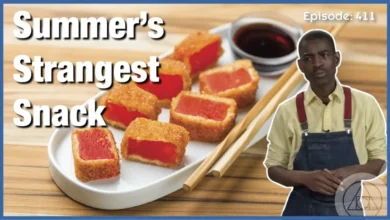
- 2024: The "We Transform Food" series (Episode 411) documents a refined approach to melon-frying, moving beyond novelty and into the realm of structured recipe development.
Supporting Data and Nutritional Considerations
From a nutritional perspective, the process of frying adds a significant caloric load to the fruit. While raw watermelon contains approximately 30 calories per 100 grams, the addition of batter and the absorption of oil can increase the caloric density by a factor of three to four.
Data from the USDA National Nutrient Database indicates that fruits such as cantaloupe are rich in beta-carotene and Vitamin C. While high-temperature cooking inevitably results in the degradation of heat-sensitive vitamins—specifically Vitamin C—the conversion of sugars into complex caramel compounds provides a sensory reward that many chefs argue justifies the process. Furthermore, the selection of oil is paramount. Oils with a high smoke point, such as grapeseed or refined peanut oil, are essential to prevent the formation of acrolein, a volatile compound produced when oils are heated beyond their smoke point.
Culinary Analysis: The Transformation of Texture
The transformation observed during the frying process is a result of pectin degradation. Pectin is the "glue" that holds plant cell walls together. As the temperature rises within the fried melon, the protopectin is converted into soluble pectin. This causes the fruit’s rigid structure to soften significantly. In the case of watermelon, this creates a sensation often compared to a warm, fruit-flavored custard.
For chefs and food scientists, this presents a unique challenge: balancing the cooking time to ensure the batter is crisp while the center does not liquefy entirely. The use of a thick, viscous batter is not merely for flavor; it is a functional necessity. It acts as a pressure vessel, containing the steam generated by the evaporating water within the fruit. If the batter is too thin, the steam escapes too rapidly, causing the coating to fall away and the fruit to lose its shape.
Implications for Modern Gastronomy
The exploration of frying high-moisture fruits serves as a broader commentary on the direction of modern culinary arts. It challenges the conventional boundaries of what constitutes a "fryable" food, suggesting that with the right technique, almost any ingredient can be adapted.
Industry experts suggest that this trend toward "transformative cooking" is driven by consumer demand for novelty and the culinary industry’s focus on modernist techniques. The "We Transform Food" series, which explores these ingredients and gadgets, highlights how home chefs can leverage technology—such as precision fryers and vacuum sealers—to achieve results previously reserved for high-end laboratories or professional kitchens.
Official Perspectives and Industry Reactions
While there is no formal governing body for culinary experimentation, the reactions from the professional chef community regarding the frying of melons have been cautiously optimistic. Critics of the technique point to the loss of the refreshing, crisp nature of melon, which is often considered its most desirable quality. Conversely, proponents argue that the technique opens a new avenue for dessert applications, particularly when paired with acidic elements like balsamic reduction or lime zest to cut through the richness of the fried exterior.
In a statement regarding the series, representatives from Modernist Pantry noted that the goal of the "We Transform Food" project is to demystify complex culinary processes. By focusing on accessible ingredients like watermelon and honeydew, they aim to bridge the gap between experimental science and everyday home cooking.
Broader Impact on Food Consumption Trends
The implications of this experiment extend to how society perceives fruit consumption. Historically, raw fruit has been promoted for its health benefits, often positioned in direct opposition to "processed" or "fried" foods. However, the successful integration of fruit into frying applications suggests a more fluid categorization. As food technology advances, the line between raw, healthy produce and prepared, decadent food continues to blur.
Furthermore, the rise of digital platforms like YouTube, where series such as "We Transform Food" are hosted, has democratized culinary education. Information on thermal transfer, batter consistency, and oil management—concepts that were once gated within professional culinary school curricula—are now accessible to a global audience. This accessibility fosters a culture of home-based innovation, where the home kitchen becomes a testing ground for experimental techniques.
Conclusion
The endeavor to deep-fry melons is a testament to the ingenuity inherent in modern cooking. It is a process that requires a thorough understanding of the ingredient’s biological structure, a mastery of heat control, and a willingness to defy conventional culinary wisdom. While it may not replace the traditional consumption of raw, chilled melon, it offers a compelling alternative for those looking to expand their culinary repertoire. As the series "We Transform Food" continues to explore these boundaries, it remains clear that the future of cooking lies in the willingness to question the physical limitations of the ingredients on our plates. Whether this becomes a mainstream dessert staple remains to be seen, but as a demonstration of food transformation, the results speak for themselves. The balance of heat, moisture, and technique proves that with the correct methodology, even the most unlikely candidates can undergo a successful, and delicious, metamorphosis.
Related posts: