Historical and Cultural Significance of Steaming
The practice of steaming whole fish is deeply embedded in Cantonese culture, particularly within the Pearl River Delta region. Historically, this method was born out of necessity and geography; the abundance of fresh, high-quality freshwater and saltwater fish in the region meant that heavy masking agents, such as thick sauces or aggressive frying, were considered detrimental to the quality of the catch.
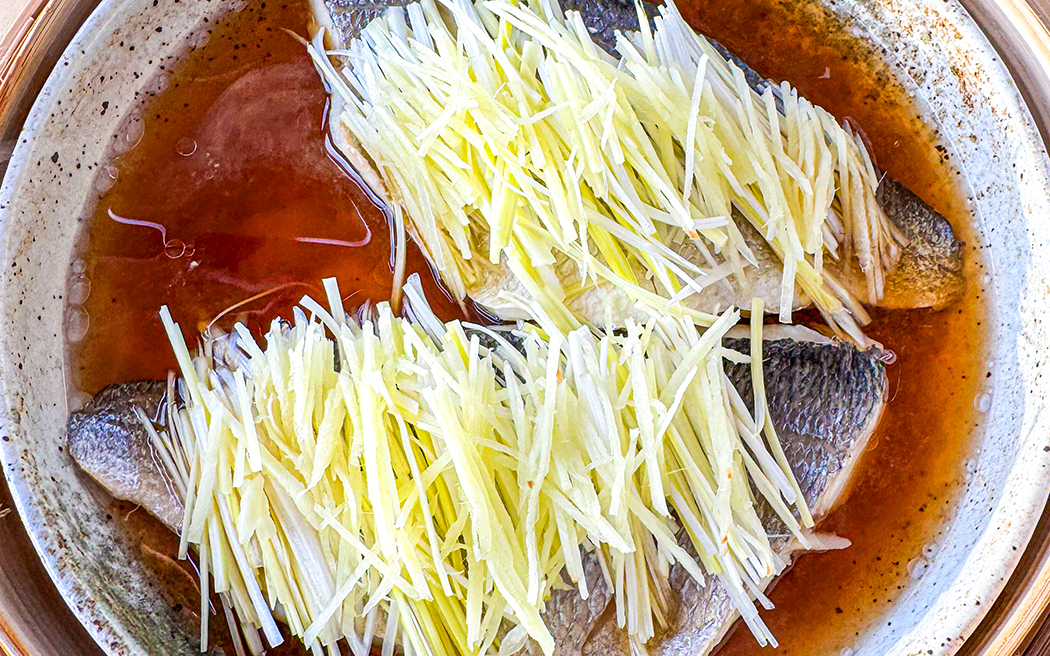
In Chinese culture, the whole fish is a powerful symbol of prosperity and abundance, particularly during the Lunar New Year, where the phrase "Nian Nian You Yu"—meaning "may you have abundance year after year"—is homophonous with the word for fish. Consequently, the preparation of a steamed whole fish is not merely a meal but a ritualized expression of hospitality and respect for the bounty of the sea. The gentle heat of steam allows the fish to cook evenly without the aggressive breakdown of proteins often associated with searing or boiling, resulting in a buttery, tender texture that remains the hallmark of a successful preparation.
Technical Requirements for Professional Results
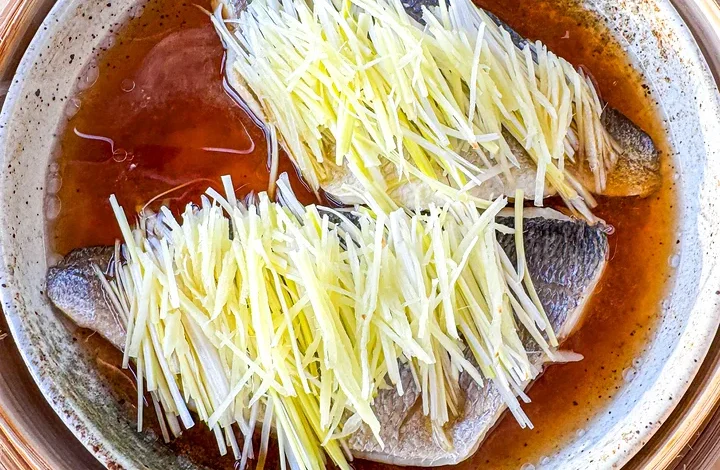
The hallmark of an authentic Cantonese steamed fish, commonly known as cing zing in Cantonese, is the balance between the fish, the aromatics, and the dip yau—the light soy-based seasoning. Culinary experts and chefs often emphasize that the success of the dish is determined by three variables: the freshness of the fish, the temperature of the steamer, and the precision of the timing.

From a technical standpoint, the fish should be cleaned thoroughly, with particular attention paid to removing the bloodline along the spine, which can introduce bitterness. The use of ginger is not merely for flavor; it serves as a functional ingredient to neutralize the "fishy" aroma, a process known in traditional Chinese medicine and culinary arts as balancing the "cold" energy of the seafood with the "warming" properties of the ginger.
Modern interpretations of the dish have solidified a specific timeline for preparation:

- Preparation (0–15 minutes): Cleaning and scoring the fish to ensure uniform heat penetration.
- Aromatic Infusion (15–20 minutes): Julienning fresh ginger and scallions.
- Thermal Processing (6–9 minutes): The actual steaming phase, which varies depending on the weight and thickness of the fish.
- The Final Tempering (Final 30 seconds): The iconic pouring of smoking-hot oil over the aromatics, which flash-cooks the scallions and ginger, releasing their essential oils into the sauce.
Statistical and Nutritional Analysis
Nutritionally, Cantonese steamed fish is considered one of the healthiest methods of preparing protein. Unlike deep-fried or braised alternatives, which can significantly increase the caloric and saturated fat content, steaming retains the integrity of the omega-3 fatty acids present in white fish such as sea bream, snapper, or sea bass.
Data from the Chinese Nutritional Society suggests that a standard portion of steamed fish provides approximately 20–25 grams of lean protein while maintaining a low glycemic impact. The simplicity of the sauce—typically a blend of light soy sauce, a touch of sugar, and sometimes a splash of Shaoxing rice wine—ensures that sodium levels remain manageable compared to other Chinese culinary preparations that rely on fermented bean pastes or oyster sauce.

Broader Culinary Impact and Global Adoption
The influence of Cantonese steamed fish has expanded significantly beyond its regional origins. As Chinese cuisine has globalized, the techniques associated with cing zing have been adopted by fine-dining establishments worldwide to highlight high-quality seafood. This shift represents a broader movement in international gastronomy toward "ingredient-first" cooking, where the goal is to enhance rather than obscure the primary product.
The global interest in this dish has also spurred innovation in kitchen equipment. The traditional bamboo steamer, once a localized tool, is now a standard feature in professional kitchens globally, valued for its ability to regulate moisture levels during the cooking process. Furthermore, the "hot oil pour" technique has been studied by food scientists for its ability to rapidly extract volatile aromatic compounds, providing a high-impact sensory experience that is difficult to replicate through standard simmering.

Addressing Culinary Misconceptions
A common misconception among home cooks is that steaming is a "passive" cooking method that requires little attention. On the contrary, the margin for error is narrow. Overcooking the fish by even one minute can lead to the protein becoming rubbery and the skin separating from the flesh. To mitigate this, professional kitchens often use a "two-stage" approach: the fish is steamed until it reaches an internal temperature of approximately 135°F (57°C), followed by the hot oil finish, which provides the final burst of heat necessary to cook the aromatics without further toughening the fillet.
Furthermore, the choice of fish is critical. While firm-fleshed fish like sea bass are the gold standard, the technique is increasingly applied to other varieties. However, the requirement for a fresh, high-quality specimen remains non-negotiable. Because the preparation is so transparent, there is nowhere for the ingredients to hide; poor quality, older fish will be immediately apparent in the final taste profile.

Economic and Supply Chain Implications
The popularity of the dish has direct implications for the seafood supply chain. As home cooks and restaurant chefs seek out the types of whole fish suitable for this preparation, there has been an increased demand for sustainably sourced, fresh whole fish rather than pre-cut, frozen fillets. This shift has encouraged local markets and specialty fishmongers to focus on daily catches, promoting a "farm-to-table" ethos that aligns with the traditional Chinese practice of shopping for food on the day it is to be consumed.
In urban centers with large Chinese populations, the availability of high-quality, live fish in tanks at local markets serves as a barometer for the community’s culinary health. The practice of selecting a live fish for immediate processing is the bedrock of the cing zing tradition, ensuring the highest possible moisture content and flavor.

Conclusion: The Endurance of Minimalist Traditions
As modern cooking trends shift toward complex technology and molecular gastronomy, the resilience of the Cantonese steamed fish recipe serves as a reminder of the power of restraint. By focusing on the fundamental principles of heat, timing, and fresh aromatics, the dish provides a blueprint for a balanced, nutritious, and culturally rich meal. It remains a definitive example of how traditional techniques, when mastered, can transcend cultural boundaries and continue to satisfy the modern palate. Whether prepared for a festive family gathering or a simple weeknight dinner, the Cantonese steamed fish remains a timeless tribute to the essence of Chinese culinary philosophy: that true sophistication is found in the elegance of simplicity.