

The plant-based culinary landscape has undergone a significant transformation in recent years, driven by a growing consumer demand for high-protein, allergen-friendly alternatives to traditional dairy products. A notable development in this sector is the emergence of tofu-based "feta" dips, which are increasingly replacing conventional feta cheese in both professional and home kitchens. This shift is highlighted by the recent introduction of a 15-minute whipped tofu feta recipe that incorporates a complex, smoky-sweet hot honey topping, signaling a broader trend toward sophisticated, flavor-forward vegan appetizers.

Nutritional Profile and Dietary Implications
Modern dietary trends emphasize the integration of plant-based proteins into snack foods, a category historically dominated by processed carbohydrates and high-fat dairy. This particular preparation offers a substantial nutritional profile, delivering approximately 15 grams of protein and 3 grams of fiber per serving. By utilizing a block of firm or extra-firm tofu as the base, the recipe achieves a creamy, spreadable consistency that mimics the texture of whipped feta without the high saturated fat content associated with traditional animal-milk cheese.
From a clinical nutrition perspective, the transition to tofu-based dips offers several advantages. Tofu is a complete protein, meaning it contains all nine essential amino acids required for human health. Furthermore, by substituting dairy with soy, the caloric density is lowered while simultaneously introducing isoflavones and other phytonutrients into the diet. The recipe is also naturally gluten-free and nut-free, making it an inclusive option for communal dining settings, such as potlucks or holiday events, where diverse dietary restrictions are common.
Easy Jalapeño Corn Fritters (Vegan)

Chronology of Development and Preparation
The methodology behind this dish reflects a streamlined approach to home cooking, emphasizing efficiency without sacrificing culinary complexity. The preparation process is divided into four distinct phases, typically completed within a 15-minute timeframe:
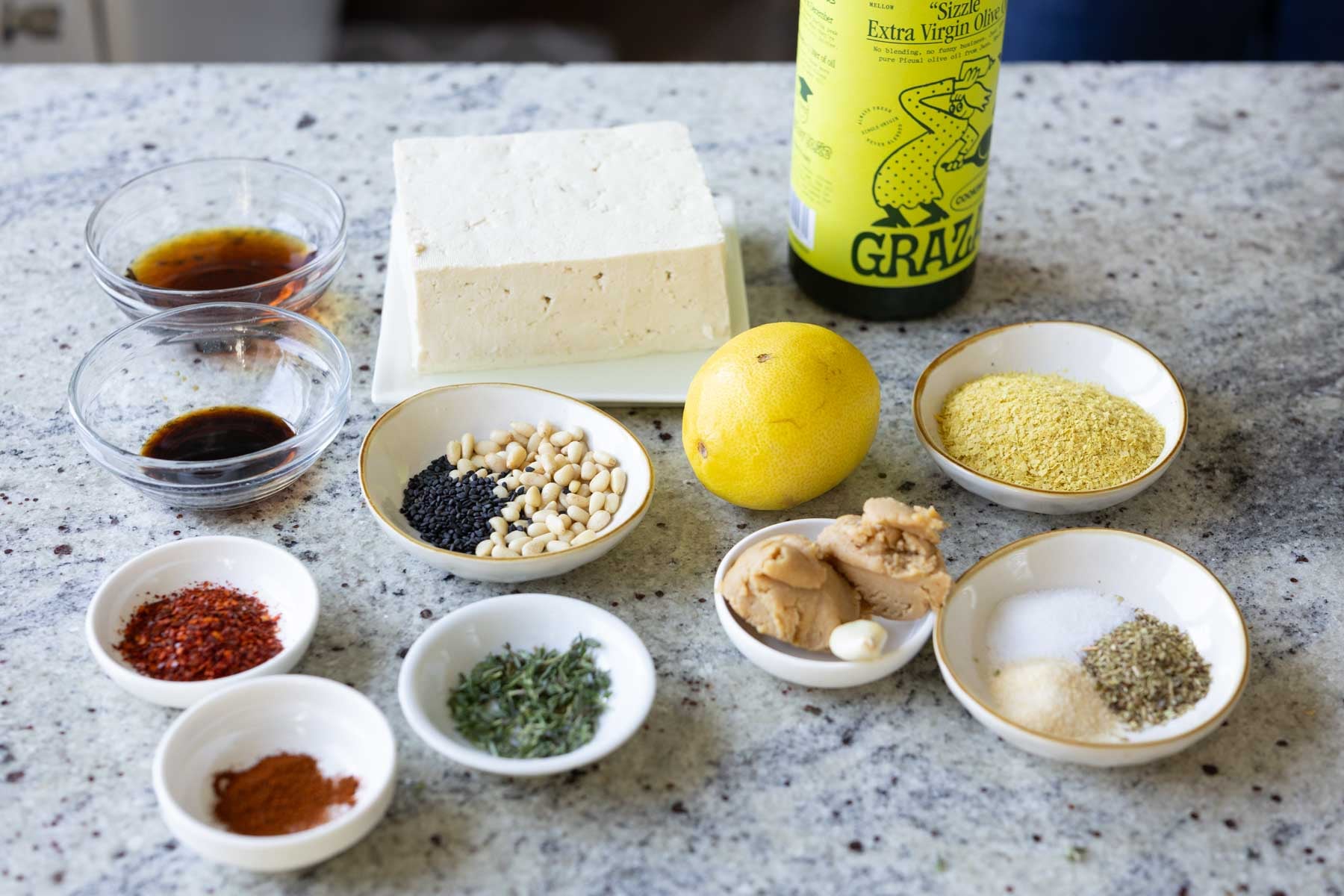
- Emulsification: The base, consisting of tofu, is processed with seasonings to achieve a whipped texture.
- Aromatic Infusion: Garlic is sautéed until crispy to provide a textural contrast and depth of flavor.
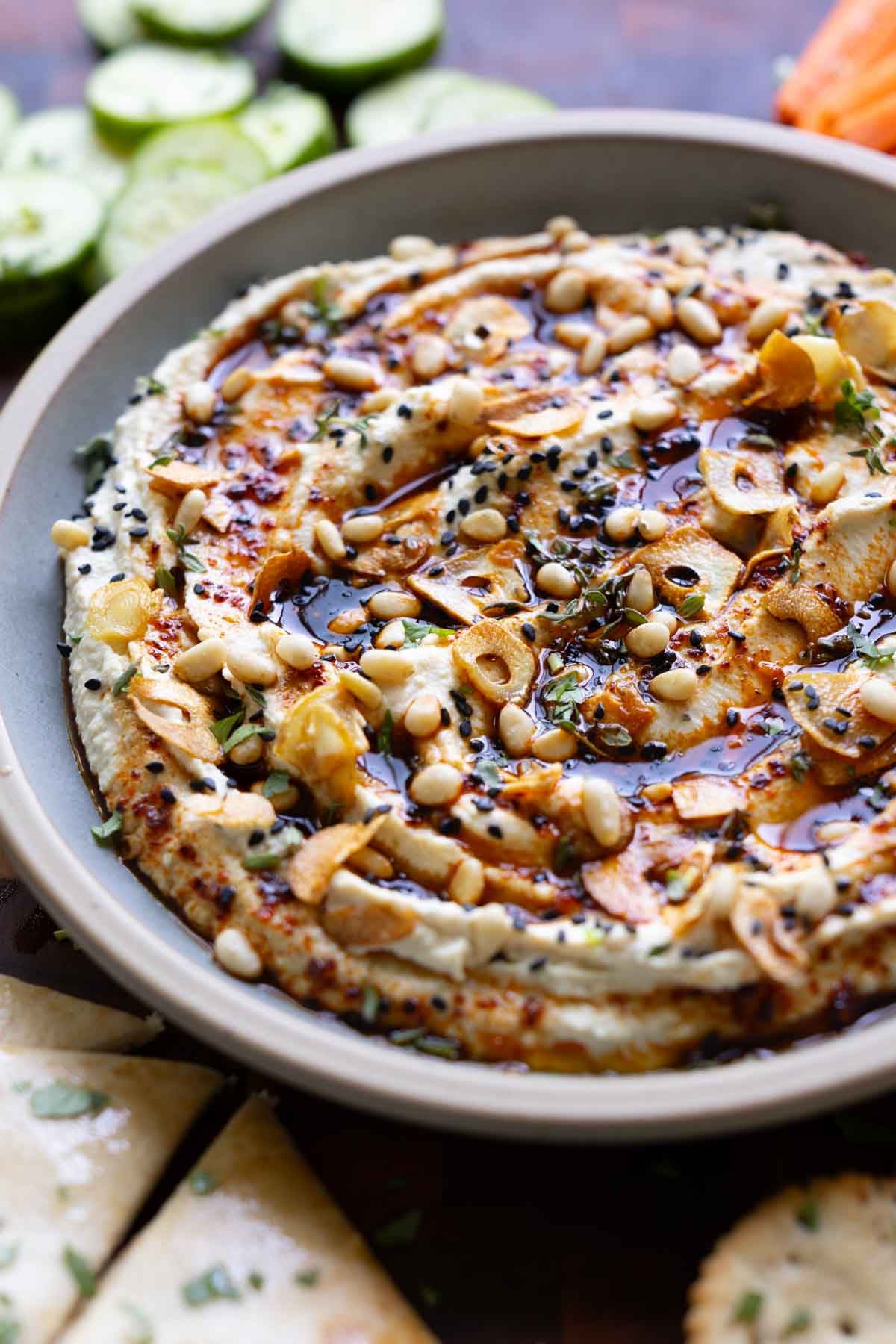
- Flavor Synthesis: A "hot honey" substitute is created by combining maple syrup with smoked paprika, liquid smoke, and chili flakes, mimicking the savory-sweet profile of traditional apiary honey.
- Assembly: The final platter is constructed by layering the whipped tofu with the honey drizzle, toasted seeds, and crispy garlic.
This rapid preparation cycle is a departure from traditional fermentation processes required for conventional cheese, highlighting the efficiency of modern plant-based culinary techniques.

Market Context and Consumer Preferences
The rise of tofu-based alternatives is part of a larger market movement toward "stealth health"—the practice of enhancing the nutritional density of popular comfort foods without significantly altering the sensory experience. Food technologists and home chefs have noted that the neutral flavor profile of tofu makes it an ideal canvas for bold, spicy, and smoky flavor profiles.
Industry analysts suggest that the popularity of this dish is fueled by the "flexitarian" demographic. Unlike strict vegans, flexitarians frequently consume plant-based products for health and environmental reasons, and they are often the primary consumers of high-protein, dairy-free alternatives. The inclusion of ingredients like pine nuts, pumpkin seeds, and sesame seeds further elevates the dish, providing essential minerals and healthy fats that appeal to health-conscious consumers.

Comparative Analysis: Soy-Based vs. Traditional Dairy
When evaluating the shift toward tofu-based feta, it is necessary to consider the technical differences between the two. Traditional feta is a brined curd cheese made from sheep’s milk or a mixture of sheep and goat’s milk. Its characteristic tang comes from the lactic acid bacteria and the brining process. In the tofu-based variation, the tang is replicated through the inclusion of ingredients such as nutritional yeast, miso, or lemon juice, which simulate the savory "umami" quality of fermented cheese.
For individuals with specific allergies or sensitivities, this recipe provides a highly adaptable framework. By substituting tofu with white beans, such as cannellini or navy beans, and swapping soy sauce for coconut aminos, the dish remains accessible to those with soy or gluten allergies. This flexibility is a significant selling point in the food industry, where allergen management is becoming a standard requirement for successful product development.
Broader Impact on Culinary Practices
The adoption of this recipe in mainstream culinary circles serves as a case study for the evolution of vegan cooking. Historically, plant-based diets were often criticized for being overly restrictive or lacking in protein density. The emergence of high-protein, nutrient-dense dips suggests a pivot toward a more pragmatic approach to nutrition.
By leveraging the "whipped" technique—which aerates the base to create a light, luxurious mouthfeel—the recipe overcomes the common stigma that vegan cheese alternatives are dense or rubbery. The integration of "hot honey" (a trending flavor profile in 2024 and 2025) demonstrates how plant-based cooking is aligning itself with contemporary gastronomic trends.

Expert Observations and Culinary Feedback
Feedback from culinary professionals and home cooks indicates that the primary success of this preparation lies in its versatility. It is not limited to a dip for vegetables or pita; it is frequently being used as a base for sandwiches, a component in elevated charcuterie boards, or as a spread for toasted sourdough topped with seasonal vegetables.
The inclusion of the "crispy garlic" element is a critical component of the dish’s success, as it introduces a textural element often missing in plant-based spreads. By frying the garlic slices, the home cook creates a savory garnish that provides a sharp, salty contrast to the sweet maple-based topping. This layering of textures—creamy, crunchy, and viscous—is a hallmark of professional-level food preparation now being democratized through online culinary platforms.
Future Implications for Home Dining
As the culinary landscape continues to prioritize both health and sustainability, the demand for "from-scratch" plant-based recipes is expected to rise. The success of this whipped tofu feta points toward a future where traditional dairy-based appetizers may share table space with, or be fully replaced by, nutrient-dense, soy-based alternatives.
The implications for the food industry are clear: consumers are increasingly seeking recipes that offer the "three pillars" of modern dining—speed, nutritional value, and high flavor impact. By fulfilling these criteria, the whipped tofu feta with smoky hot honey represents a significant milestone in the mainstreaming of plant-based culinary innovation. As more individuals move toward these recipes, the cultural perception of tofu—once seen as a niche ingredient—is shifting toward its recognition as a versatile and essential component of the modern, health-conscious pantry.






0 Komentar
Sampaikan opini dan diskusi yang membangun dengan bahasa yang santun.
No Comments Yet
Be the first to share your thoughts on this story.