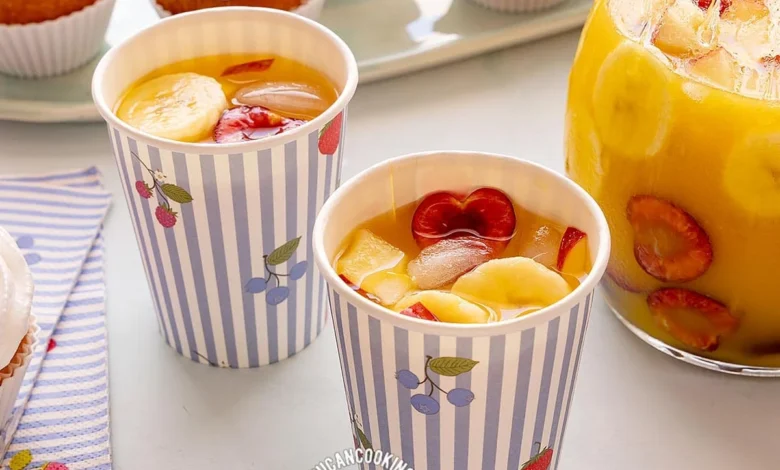
de Frutas)
The cultural landscape of Dominican children’s celebrations is anchored by a diverse set of culinary traditions, chief among them being the ubiquitous presence of Ponche de Frutas, or fruit punch. Often referred to interchangeably as a fruit cocktail, this traditional beverage has served as a cornerstone of childhood birthday parties, family gatherings, and community celebrations across the Dominican Republic for generations. In recent years, however, culinary experts, nutritionists, and home cooks have begun re-evaluating traditional party menus, prompting a significant shift away from heavily processed, artificial ingredients toward healthier, more natural alternatives. Culinary creators like Clara Gonzalez, widely known as Tía Clara, have spearheaded efforts to modernize these classic recipes without sacrificing the nostalgia and vibrant flavors that define Caribbean heritage celebrations.
Background Context and Cultural Significance
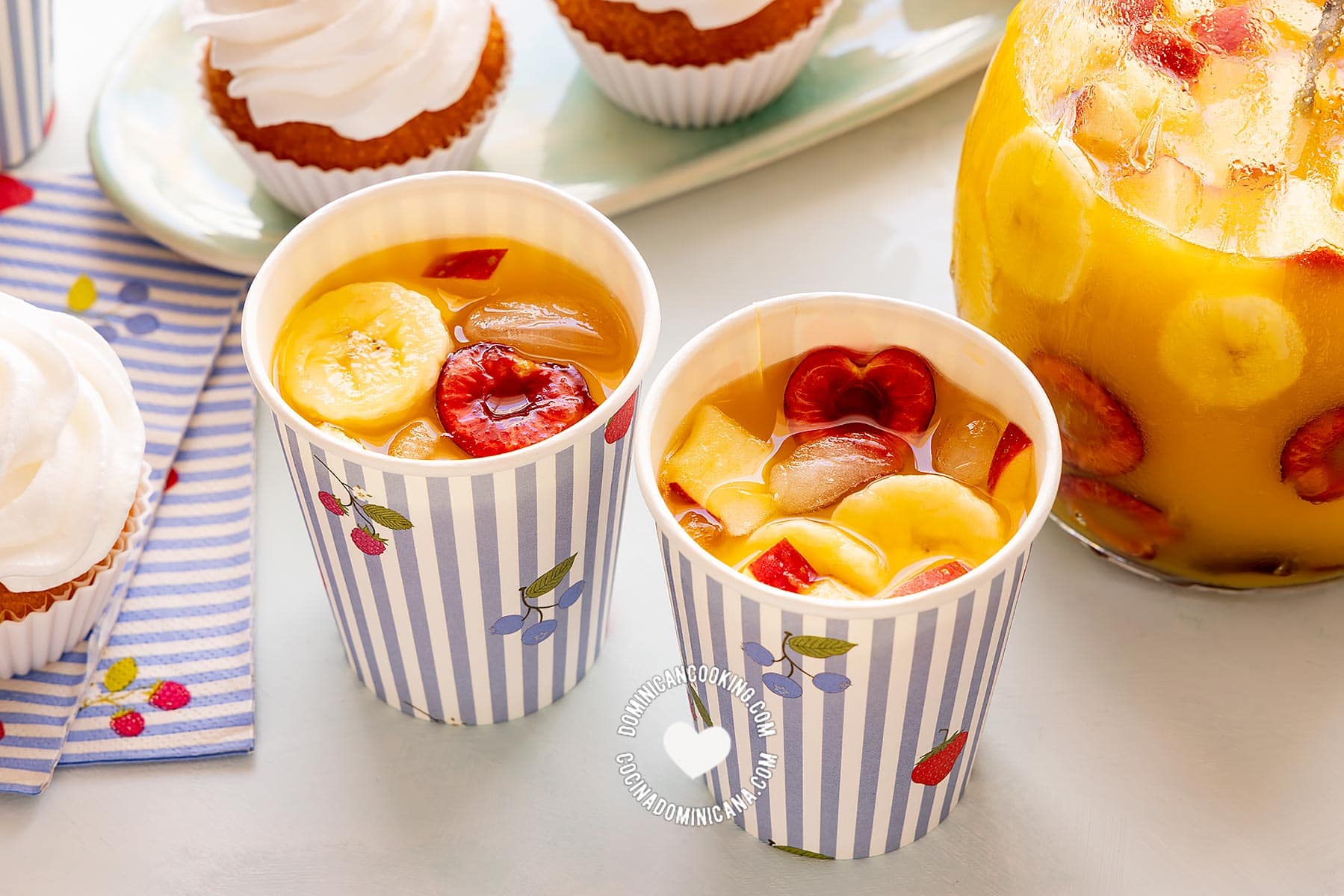
To understand the enduring popularity of ponche de frutas, one must examine its deep-rooted position within Dominican social customs. Food historian and author Jill Wyatt, writing on the traditions of Dominican party food, famously observed the psychological and cultural weight attached to these refreshments. Wyatt noted that just as a child’s milestone birthday cannot be appropriately celebrated without a sugary fruit punch featuring banana slices set adrift, traditional gatherings of mourning or merrymaking similarly demanded specific alimentary offerings to facilitate the communal sharing of emotion.
Historically, the iteration of fruit punch served at mid-20th-century and late-century Dominican children’s parties bore little resemblance to fresh fruit beverages. Characterized by a distinct, neon-red hue, the traditional drink relied heavily on store-bought concentrates sourced from plastic containers. These commercial bases were heavily saturated with refined sugars and artificial red food colorings designed to maximize visual appeal and shelf life. While these ingredients successfully captured the imaginations—and palates—of generations of children, contemporary public health data regarding childhood sugar consumption and artificial additives has catalyzed a broad culinary movement toward whole foods.

The Evolution of a Caribbean Classic
The modern iteration of ponche de frutas developed by Tía Clara bridges the gap between historical nostalgia and contemporary nutritional awareness. Eschewing the neon-red concentrates of the past, this modernized recipe utilizes 100% natural fruit juices as its foundation. By replacing artificial flavorings with fresh citrus, tropical fruits, and natural sweeteners, culinary creators are redefining what party refreshments look like for a health-conscious demographic of modern parents and children.
At its core, fruit punch remains a simple yet versatile formulation: a blend of complementary fruit juices infused with bite-sized pieces of fresh fruit. However, the flexibility of the recipe is its primary strength. Unlike rigid baking formulas, a traditional Caribbean fruit punch allows for seasonal adjustments, enabling hosts to incorporate locally available produce such as pineapples, papayas, oranges, and bananas. This adaptability has made the beverage a staple not only for children’s parties but also for multi-generational gatherings where both youth and adults are in attendance.
Nutritional Profile and Dietary Implications
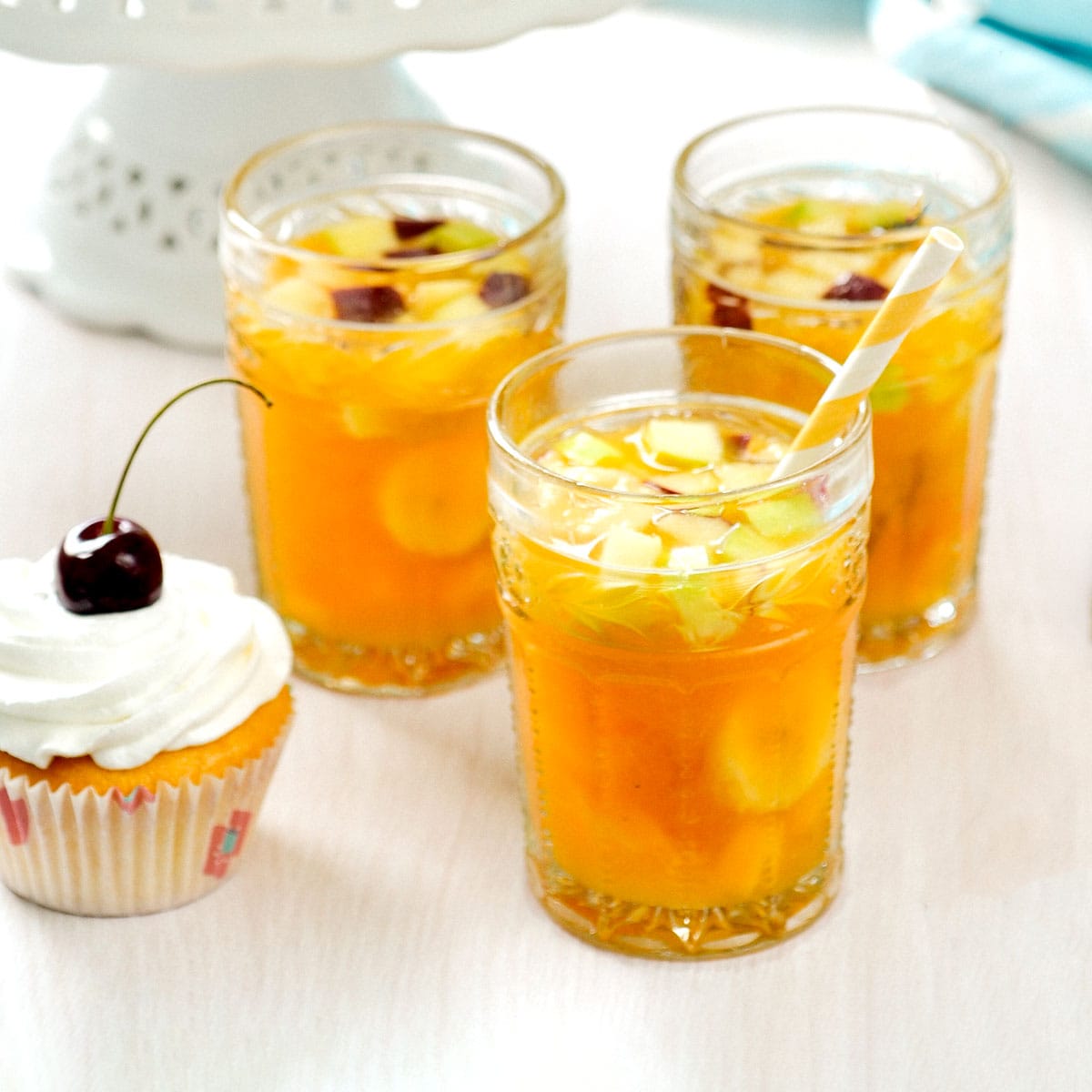
From a nutritional standpoint, transitioning from artificial concentrates to freshly prepared fruit punch yields distinct health benefits. Standard commercial fruit punches often exceed recommended daily sugar intake levels for children, contributing to rising rates of childhood obesity and related metabolic concerns across Latin America and the Caribbean.
According to nutritional analyses based on standard whole-ingredient preparations, a typical 1-cup serving of natural ponche de frutas contains approximately 192 kilocalories, 40 grams of carbohydrates, 1 gram of protein, and 1 gram of fat. More importantly, the inclusion of fresh fruit pulp and natural juices provides approximately 3 grams of dietary fiber and roughly 47 milligrams of vitamin C per serving, alongside essential micronutrients such as potassium and calcium. While natural fruit juices still contain significant levels of fruit sugars (fructose), the absence of refined added sugars and chemical preservatives represents a measurable improvement in dietary quality for family-oriented events.
Chronology of Preparation and Culinary Methodology
The preparation of authentic, natural Dominican fruit punch requires a structured culinary process that emphasizes flavor infusion and temperature management. Unlike instant powdered mixes or reconstituted concentrates, fresh fruit punch benefits from a resting period that allows the flavors of the individual components to meld harmoniously.
The preparation timeline generally spans approximately 1 hour and 15 minutes, divided into distinct operational phases:
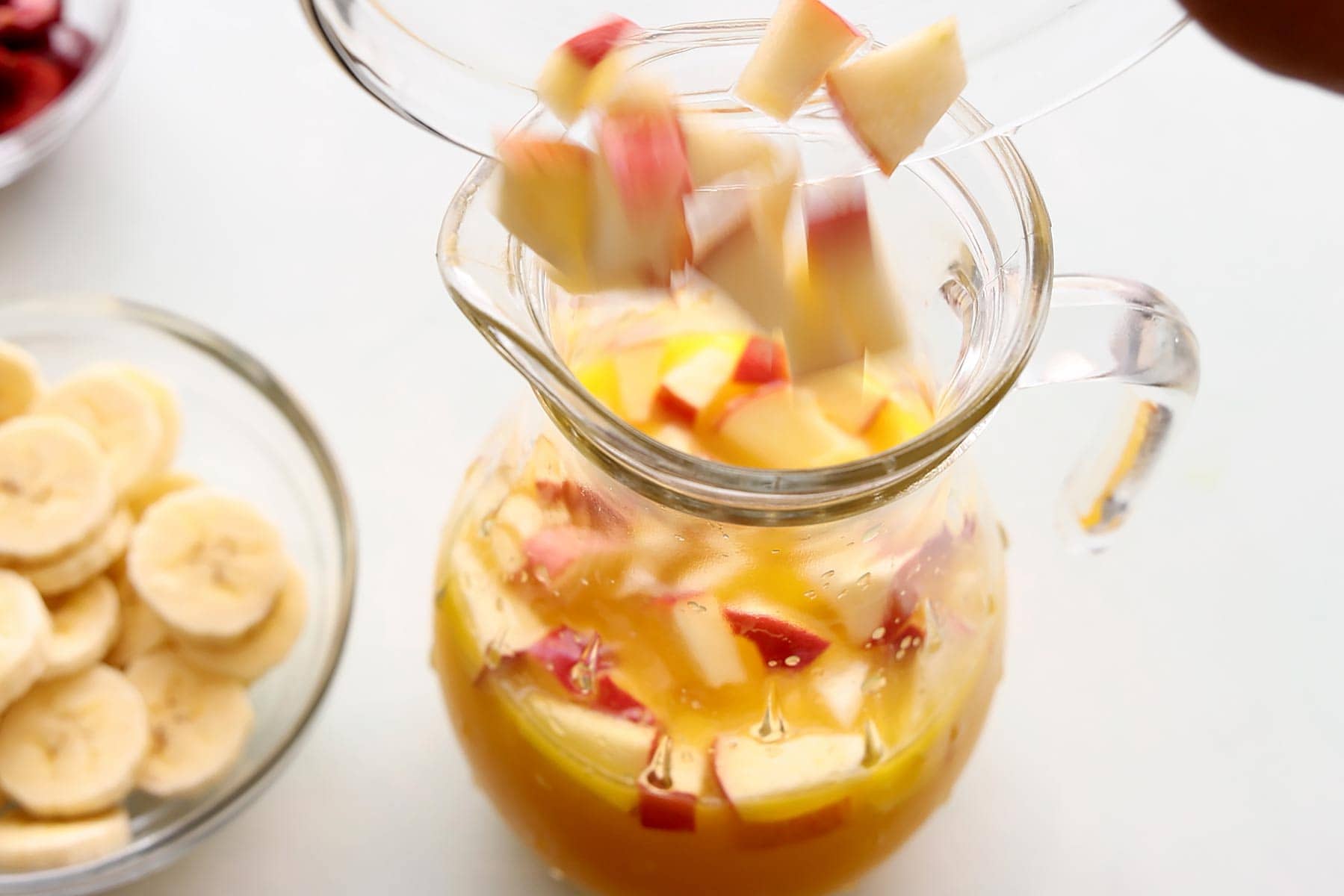
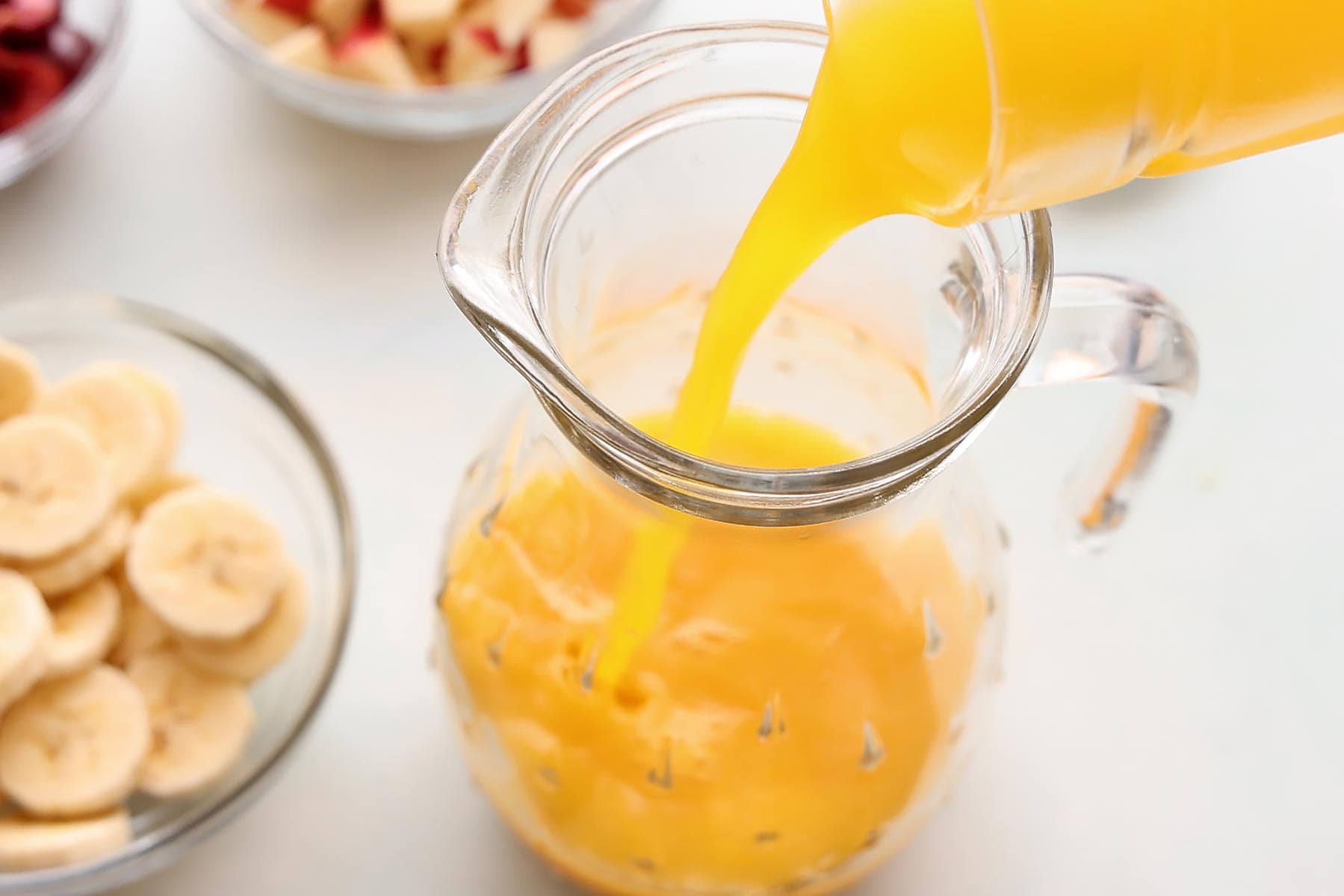
- Juice Blending: The foundation of the beverage begins with the careful selection and combination of natural juices. Citrus elements, such as freshly squeezed orange juice and lime, are typically balanced with sweeter tropical bases like pineapple juice or passion fruit nectar to achieve an optimal sweet-tart flavor profile.
- Fruit Incorporation: Small, bite-sized pieces of fresh fruit—traditionally including sliced bananas, diced apples, and tropical fruits—are gently folded into the liquid base. This step is critical, as these floating fruits absorb the surrounding juices while providing the signature textural element that children traditionally scoop out at the bottom of the cup.
- Chilling and Infusion: The mixture is subjected to a controlled chilling period, often utilizing ice or refrigeration, allowing the complex flavors to integrate fully before service.
- Final Presentation: Served cold in large punch bowls or individual dispensers, the beverage is garnished generously with fresh fruit slices to enhance visual appeal.
Catering to Multi-Generational Audiences
A notable sociological aspect of Dominican children’s birthday parties is the high attendance of adult guests. In many Caribbean communities, family celebrations function as community-wide social events where the adult population matches or exceeds the number of juvenile attendees. Consequently, culinary hosts face the dual challenge of providing child-friendly options while satisfying adult expectations.
To accommodate this dynamic, contemporary recipe developers have popularized the concept of "spiking" the punch for adult segments of the gathering. By maintaining a pristine, non-alcoholic base suitable for minors, hosts can easily segregate a portion of the beverage and introduce traditional Caribbean spirits—such as light or dark rum—for adult consumption. This dual-purpose approach maintains cultural authenticity while ensuring compliance with modern social norms regarding the responsible consumption of alcohol at family-centric events.

Broader Industry Impact and Market Implications
The resurgence of interest in scratch-made, traditional Caribbean beverages like ponche de frutas reflects a broader global trend within the culinary and beverage industries. Consumers increasingly prioritize authenticity, transparency, and health consciousness, driving a shift away from mass-produced, highly processed supermarket goods toward artisanal and heritage recipes.
Food bloggers, digital content creators, and independent publishers have played a pivotal role in this transformation. By digitizing and contextualizing regional recipes that were previously passed down exclusively through oral traditions, these platforms ensure the preservation of cultural heritage for diasporic communities and international audiences alike. As public demand for wholesome, culturally rich dietary options continues to expand, recipes that successfully balance historical respect with modern nutritional standards are expected to remain central to contemporary family celebrations.