
The Culinary Shift in Homemade Bread
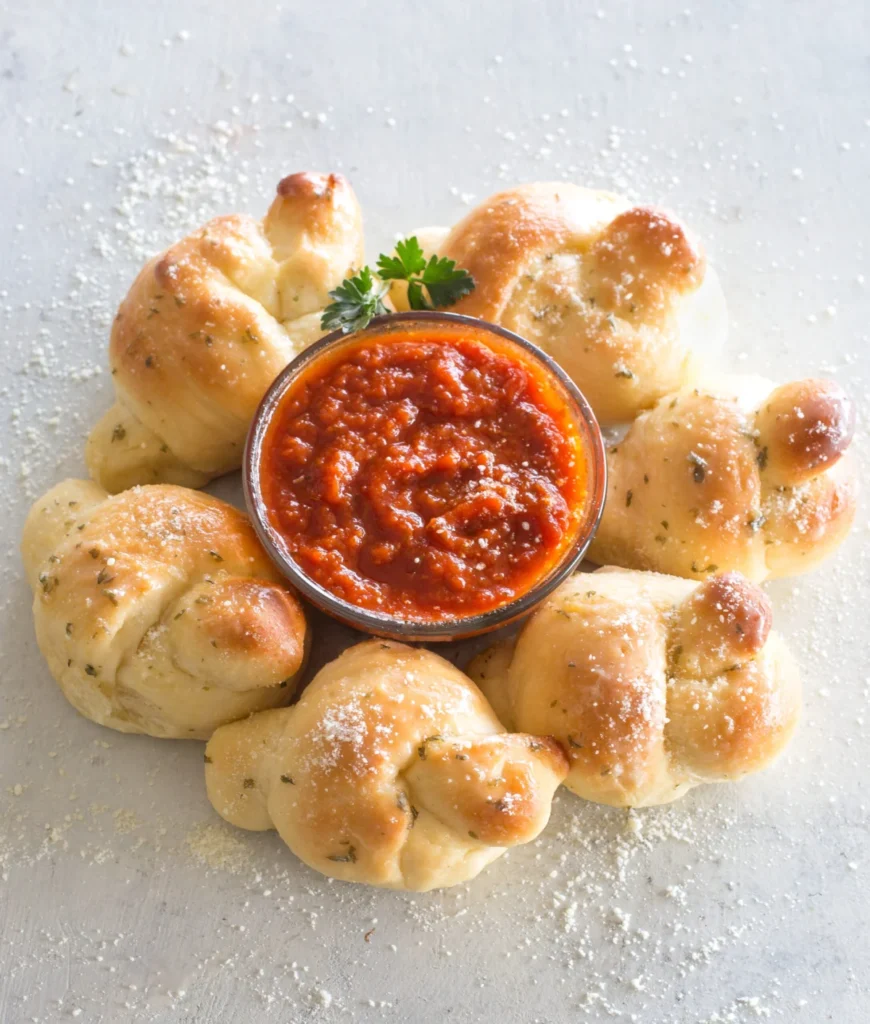
The recent trend toward creating specialized dinner rolls at home mirrors a broader consumer movement toward artisanal food preparation. Historically, garlic knots were synonymous with pizzeria leftovers or utilitarian side dishes meant to accompany heavy pasta entrées. However, the current iteration of the garlic knot, as defined by this refined recipe, functions less as a secondary component and more as a centerpiece of the dining experience. By utilizing a high-fat dough, bakers are able to achieve a "pull-apart" softness that is often absent in the standard, high-gluten flour knots found in commercial outlets.
Data from recent home-baking industry reports suggest that searches for "enriched dough recipes" have increased by approximately 22% over the last fiscal year. This shift indicates that consumers are moving beyond the basics of flour, water, yeast, and salt, opting instead for ingredients that provide a more complex mouthfeel and extended freshness. The inclusion of dairy products, such as whole milk and butter, is not merely for flavor; it serves to soften the crumb structure and create a more tender, golden-brown crust, which is essential for the delicate glaze that defines this specific culinary preparation.
Chronology of Development
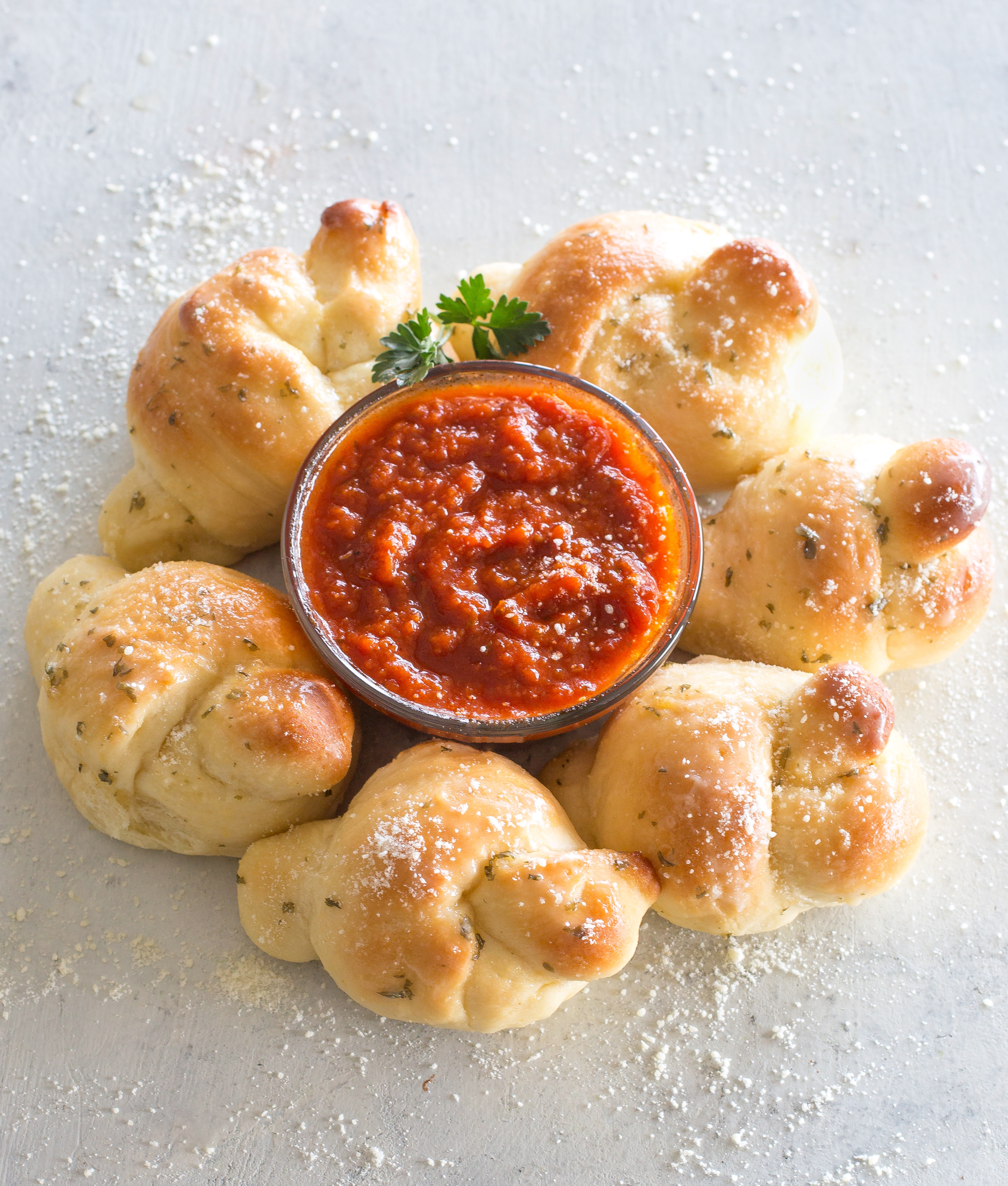
The preparation process for these rolls follows a structured, scientific approach to bread making that demands precision. The chronology of the process typically begins with the activation of active dry yeast in a warm liquid base, followed by the incorporation of the enriched dough components.
- Phase One: Development of the Base: The mixing of flour, milk, butter, sugar, and egg creates a structured dough that requires consistent kneading. Professional bakers note that the egg is a critical variable here, acting as an emulsifier that creates a finer, more uniform crumb.
- Phase Two: The Proofing Cycle: Unlike faster-rising pizza doughs, these enriched rolls require a longer, more controlled proofing environment to allow the sugar and yeast to interact fully with the milk proteins. This typically spans 60 to 90 minutes.
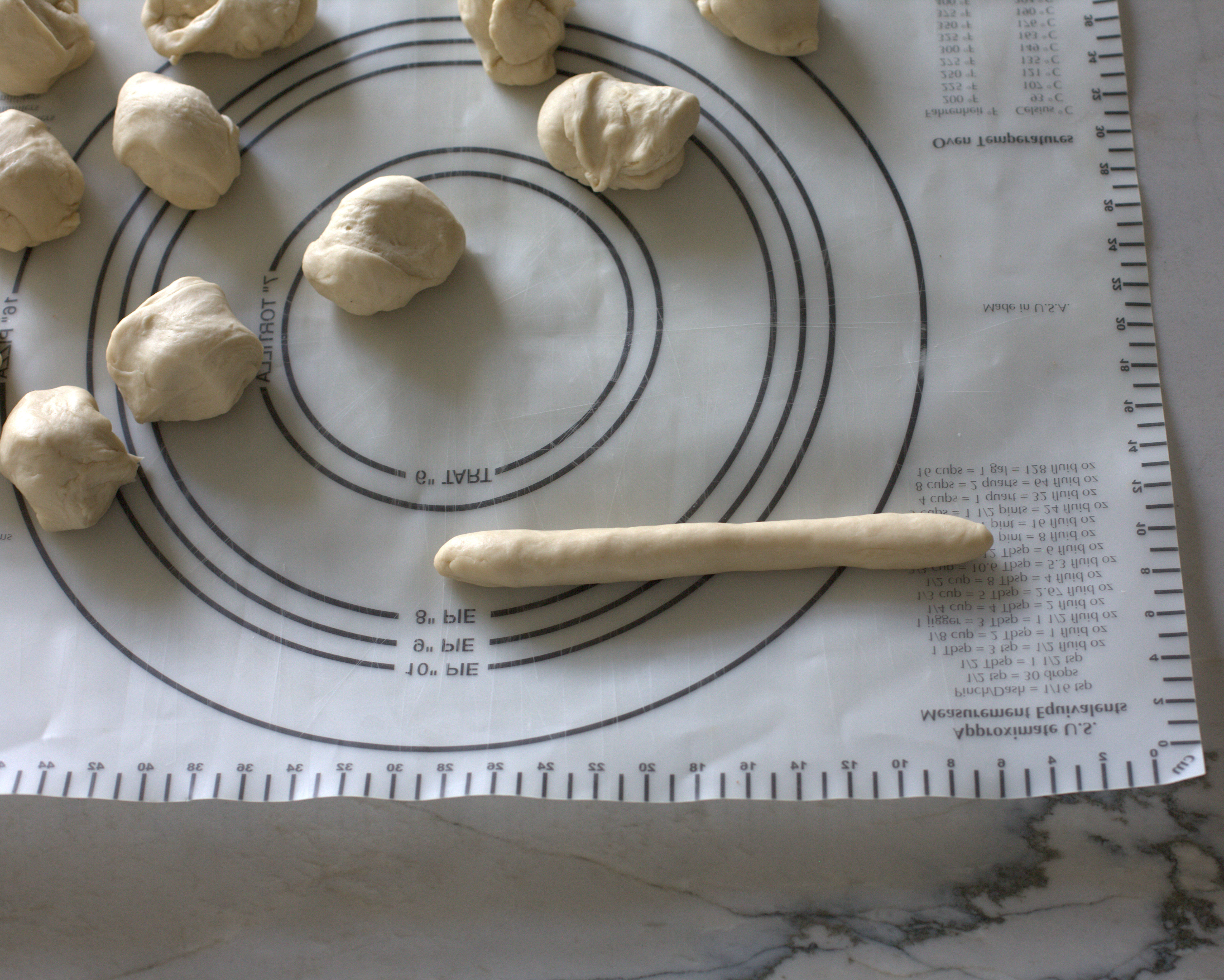
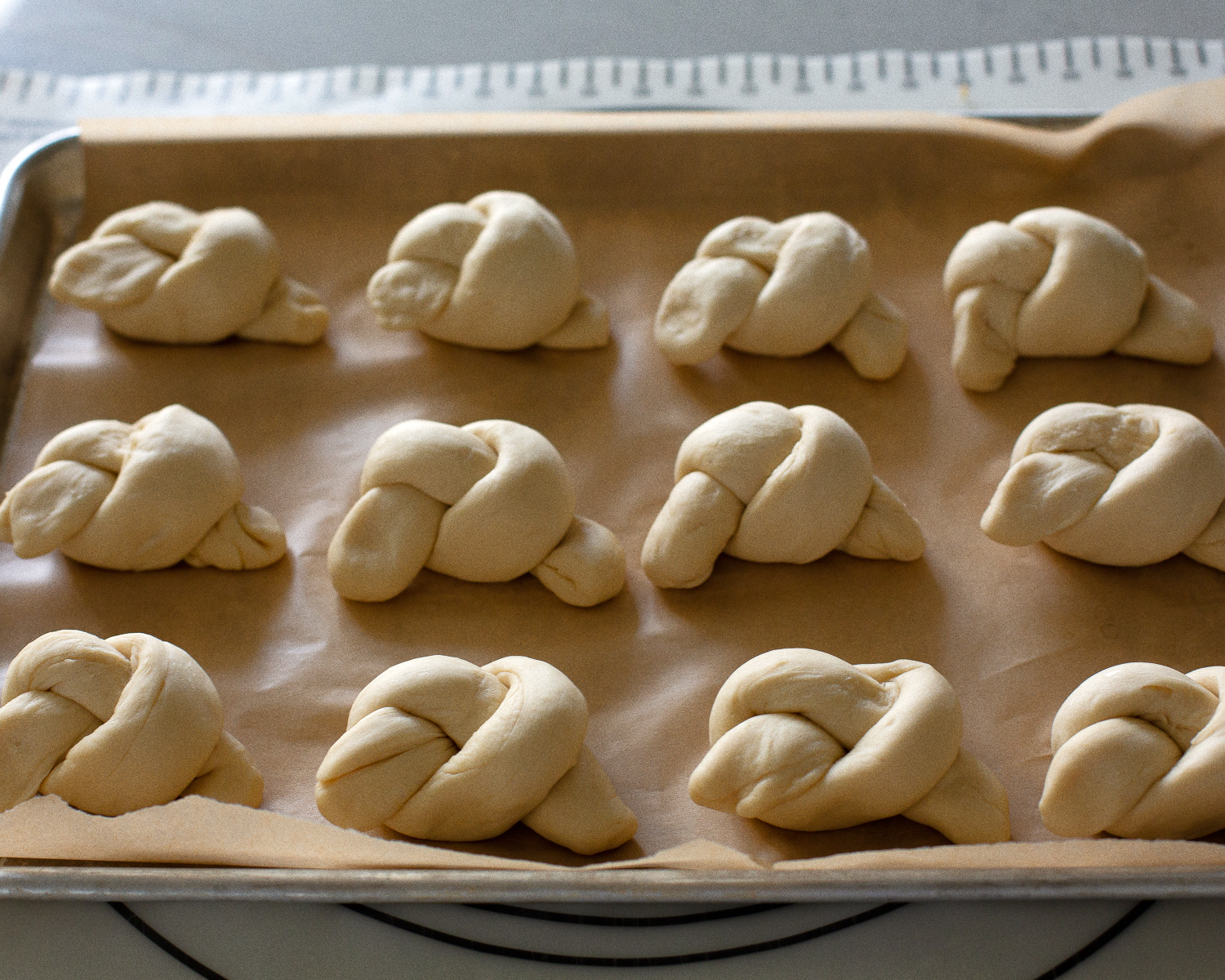
- Phase Three: Shaping and Final Proof: The act of tying the dough into a "knot" is not merely aesthetic; it creates pockets that hold the subsequent garlic butter glaze. A secondary proofing period ensures the structural integrity of the knot remains intact during the oven spring.
- Phase Four: The Glaze and Finish: The final application of a garlic-butter emulsion, often infused with fresh herbs and finished with a dusting of aged Parmesan, occurs immediately upon removal from the oven, allowing the residual heat to bloom the aromatic compounds in the garlic.
Analytical Perspectives on Ingredients
From a technical standpoint, the formulation of these garlic knots addresses common failures in home baking, such as excessive toughness or rapid staling. The use of sugar—even in small quantities—is vital for the Maillard reaction, which gives the rolls their signature golden-brown exterior. Furthermore, the selection of butter as the primary fat source over vegetable oils provides a superior flavor profile and contributes to the soft texture.
Nutritionists and food scientists often point out that while these rolls are classified as "comfort food," the shift toward home production allows for ingredient control. By avoiding the preservatives and stabilizers frequently found in store-bought rolls, home bakers can achieve a product that is cleaner in its ingredient list. The use of fresh garlic, as opposed to dehydrated powders, significantly elevates the antioxidant properties and aromatic intensity of the final dish.
Economic and Social Implications
The rise of the "gourmet home roll" has broader economic implications for the home kitchen appliance market. Sales of stand mixers, high-precision ovens, and specialized baking stones have seen steady growth, driven by an demographic of home cooks who view baking as a hobby rather than a chore. This trend has also benefited local specialty ingredient suppliers, as cooks increasingly seek out high-quality, high-protein bread flours and artisanal cheeses.
From a social perspective, the act of serving freshly baked bread has long been associated with hospitality and community. The garlic knot, specifically, serves as a versatile item that bridges the gap between casual family dinners and more formal social gatherings. Its ability to be "made ahead" or frozen, as suggested by culinary experts, provides a practical solution for modern families with time constraints, allowing for the sensory benefits of fresh bread without the requirement of a full-day preparation process.
Storage and Preservation Protocols
For those managing food waste or preparing for large-scale events, the preservation of the garlic knot is a subject of ongoing study. The high moisture content of this enriched dough makes it susceptible to mold if not stored correctly. Experts recommend that once the rolls have cooled completely, they should be stored in an airtight container at room temperature for no more than 48 hours. For long-term storage, freezing is the preferred method; however, the rolls should be frozen without the final garlic-butter glaze, which should be applied only after the rolls have been reheated in an oven. This technique ensures that the texture of the bread remains "soft and fluffy" upon consumption, preventing the sogginess that often results from reheating already-glazed items.
Broader Culinary Impact
The success of these recipes in mainstream media reflects a shift in what consumers demand from their culinary content. There is a move away from "quick-fix" hacks toward recipes that provide a sense of achievement and mastery. When a home cook masters the tension required to tie a dough knot or the temperature required to brown butter without burning it, they are engaging in a traditional skill set that was previously the domain of professional kitchens.
As home baking continues to integrate into the daily lives of families, the "soft and fluffy" garlic knot stands as a testament to the intersection of accessibility and quality. By stripping away the complexity of sourdough starters or long-fermentation periods and focusing on a forgiving, enriched dough, this recipe has successfully standardized a high-quality outcome for the novice baker. The implications for the future of home dining are clear: as consumers become more educated about ingredients and techniques, the standard for what constitutes a "good roll" will continue to rise, pushing home culinary standards to new heights.
Ultimately, these garlic knots are more than just a side dish; they represent a convergence of convenience and craftsmanship, proving that with the right approach to ingredients and process, even the most traditional items can be elevated to meet the sophisticated tastes of the modern household.




0 Komentar
Sampaikan opini dan diskusi yang membangun dengan bahasa yang santun.
Belum Ada Komentar
Jadilah yang pertama memberikan tanggapan mengenai berita ini.