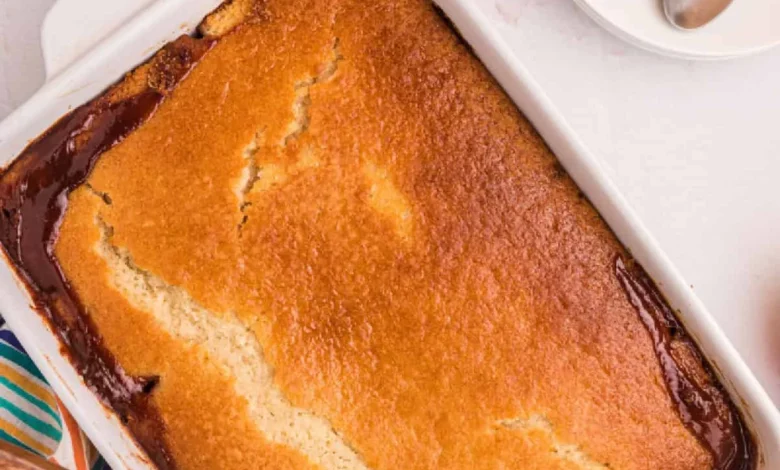
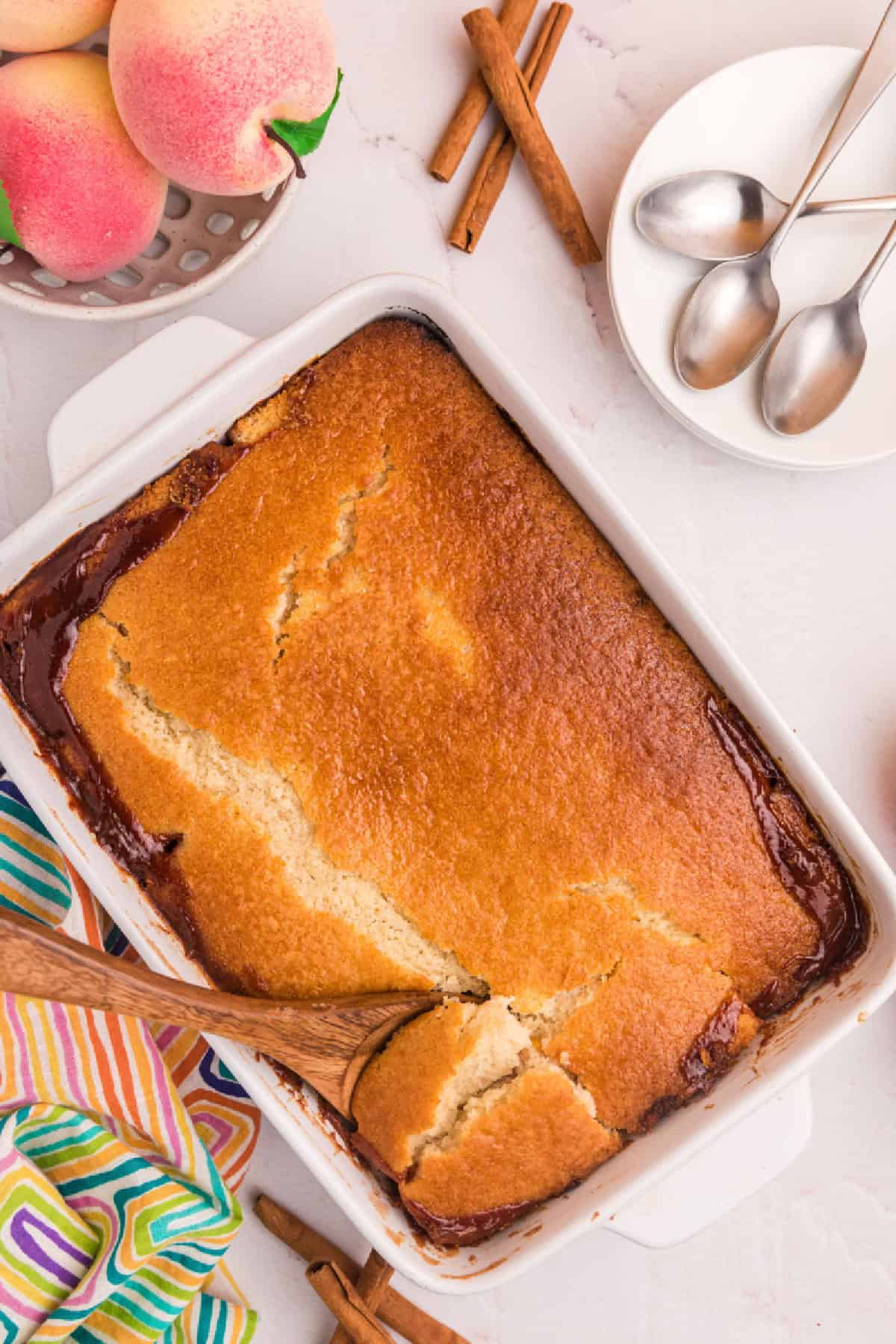
The history of peach cobbler in the United States traces its origins to the early American colonies, where settlers adapted British fruit pudding techniques to the ingredients available in the New World. As a hallmark of Southern cuisine, the dessert has evolved from a utilitarian method of preserving fruit into a culturally significant comfort food that defines seasonal summer gatherings. This classic preparation, characterized by a spiced, macerated fruit base topped with a golden, cake-like crust, remains a staple in both home kitchens and professional catering due to its accessibility and reliance on simple, pantry-stable ingredients.

Historical Context and Evolution
The term "cobbler" emerged in the British American colonies during the 19th century, referring to a dish where the fruit was "cobbled" together under a thick layer of biscuit dough. Unlike pies, which require precise crust construction, cobblers were favored by pioneer families for their ease of preparation over open hearths or wood-burning stoves. The dessert became synonymous with the peach-growing regions of the American South, particularly Georgia and South Carolina, where the peak harvest months of June and July provided an abundance of fresh stone fruit.
Over the decades, the recipe has undergone regional variations. While some iterations feature a dropped biscuit topping that provides a dense, chewy texture, others utilize a batter-based topping that rises during the baking process to create a soft, sponge-like crust. The integration of spices such as cinnamon and nutmeg reflects the historical influence of the spice trade on American baking, balancing the natural acidity and sugars of the peaches.
Culinary Composition and Technical Preparation
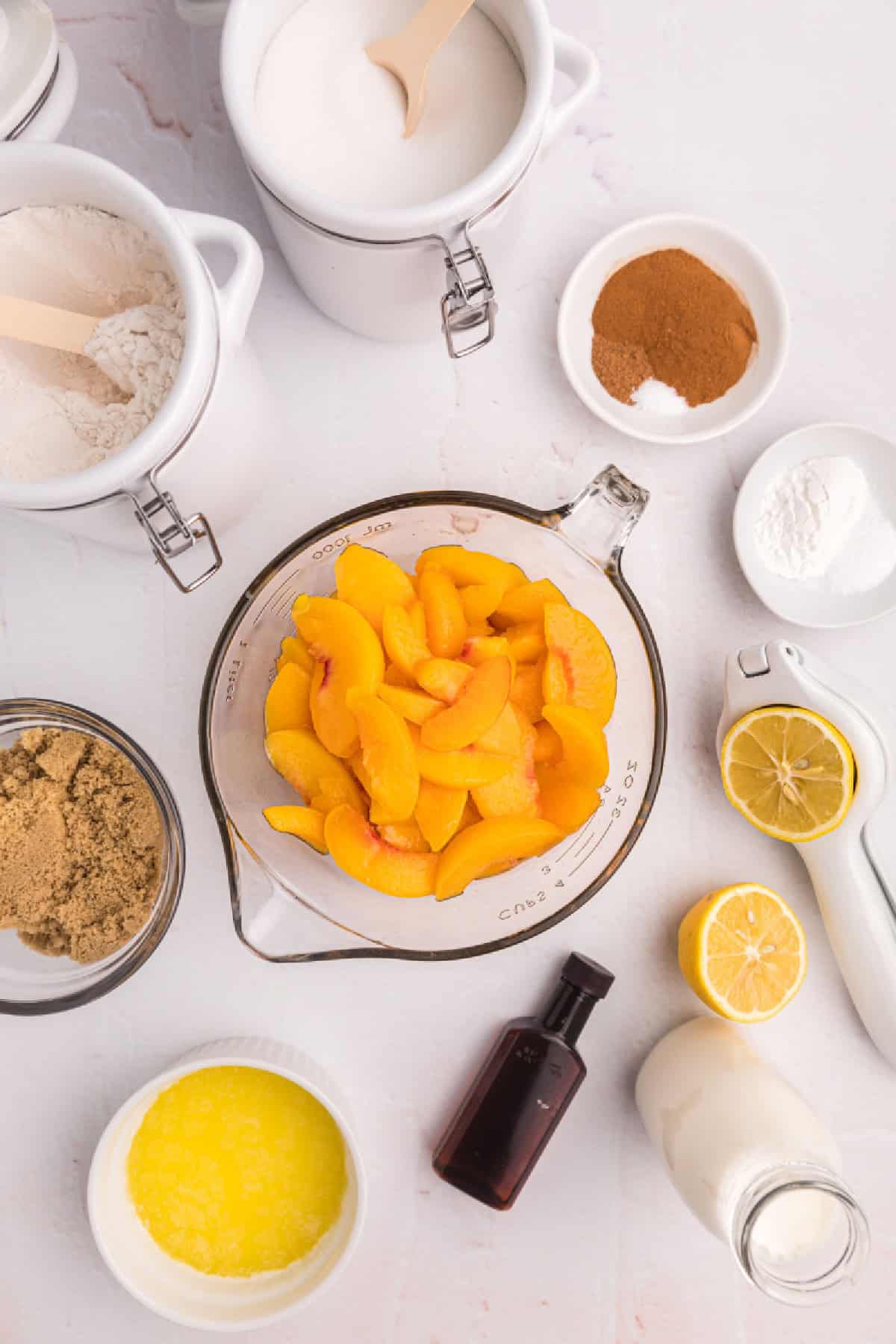
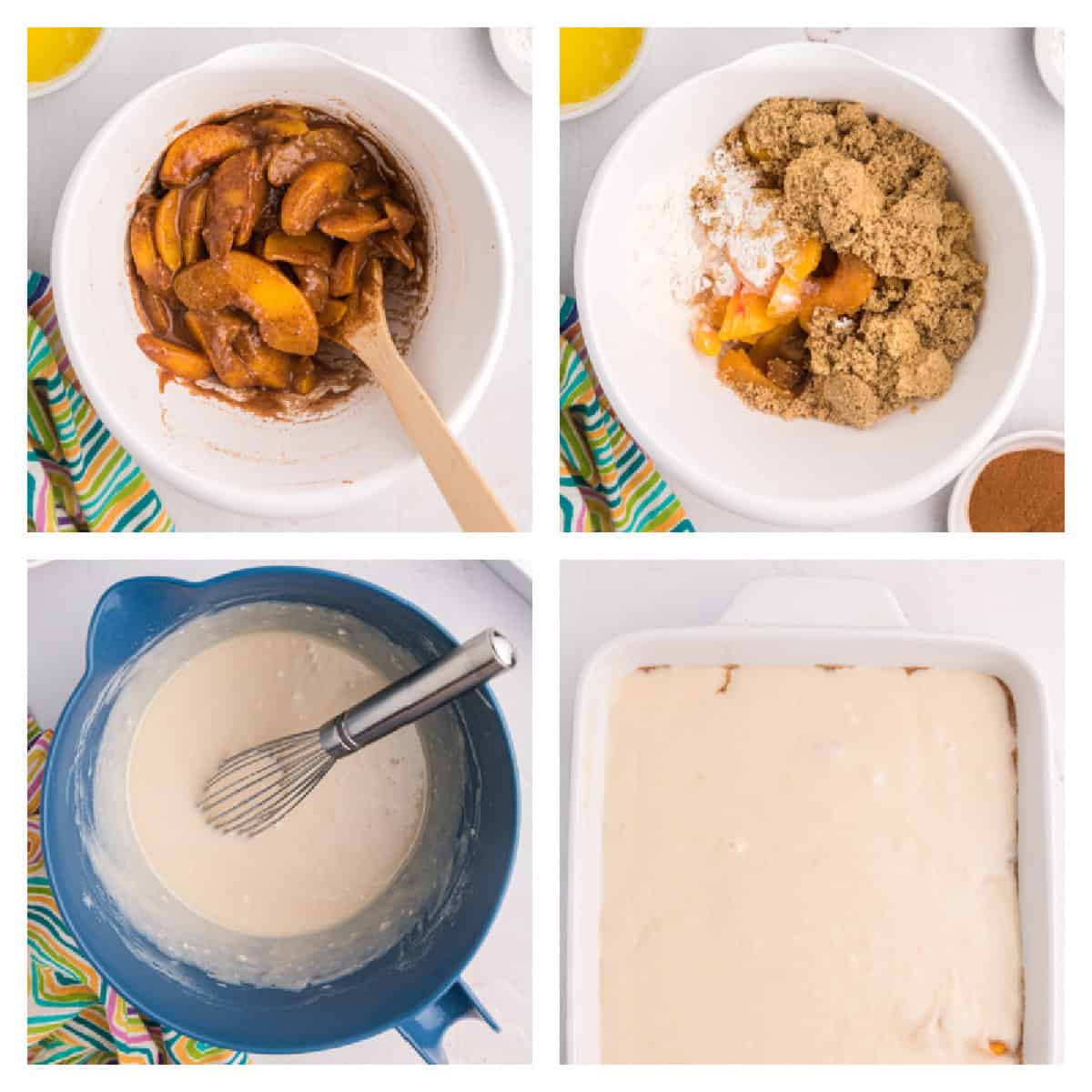
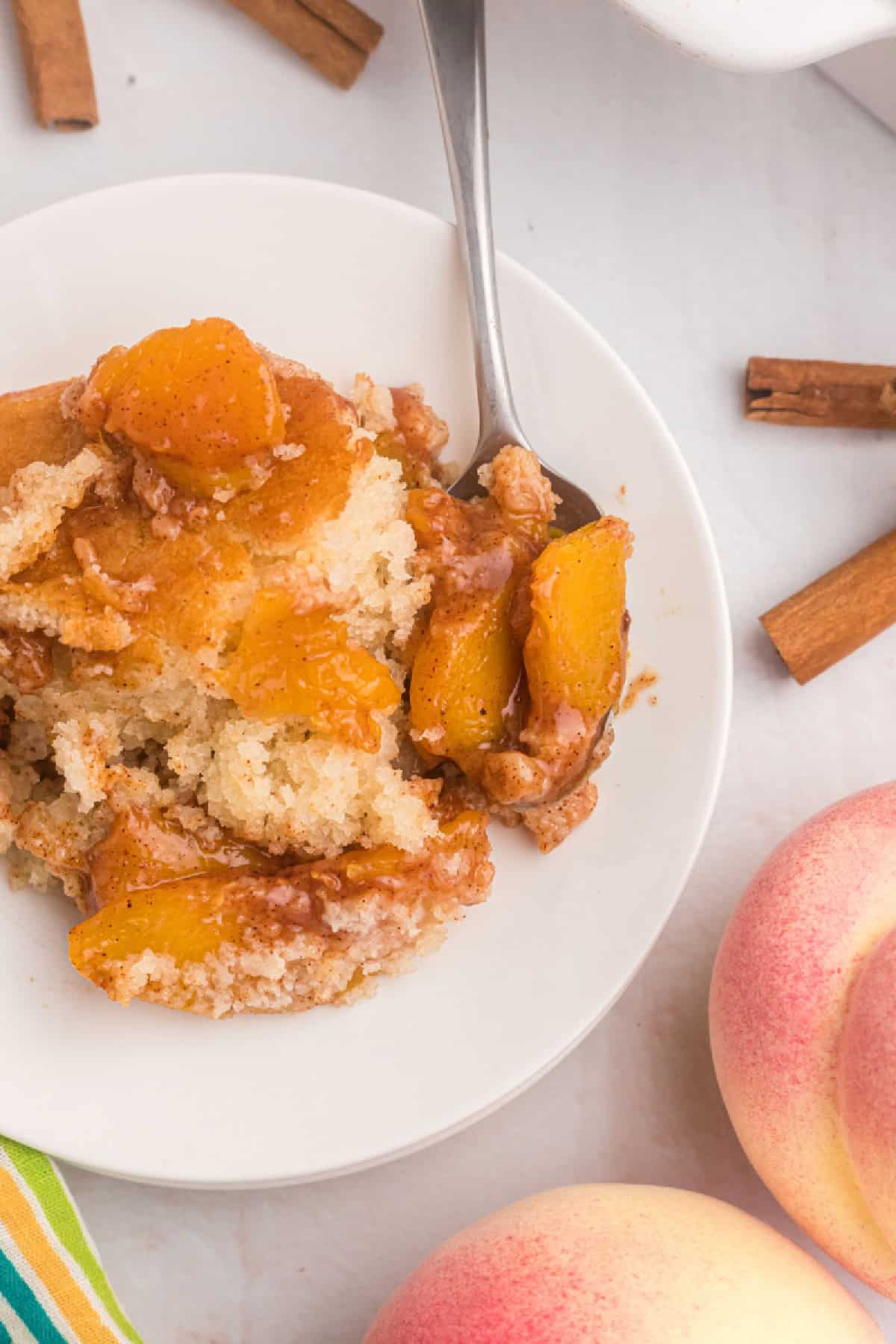
The structural integrity of a traditional peach cobbler relies on the synergy between the fruit filling and the carbohydrate topping. The filling is typically composed of sliced peaches, granulated sugar, and thickening agents—often cornstarch or flour—which transform the natural juices into a syrupy consistency when exposed to high temperatures.
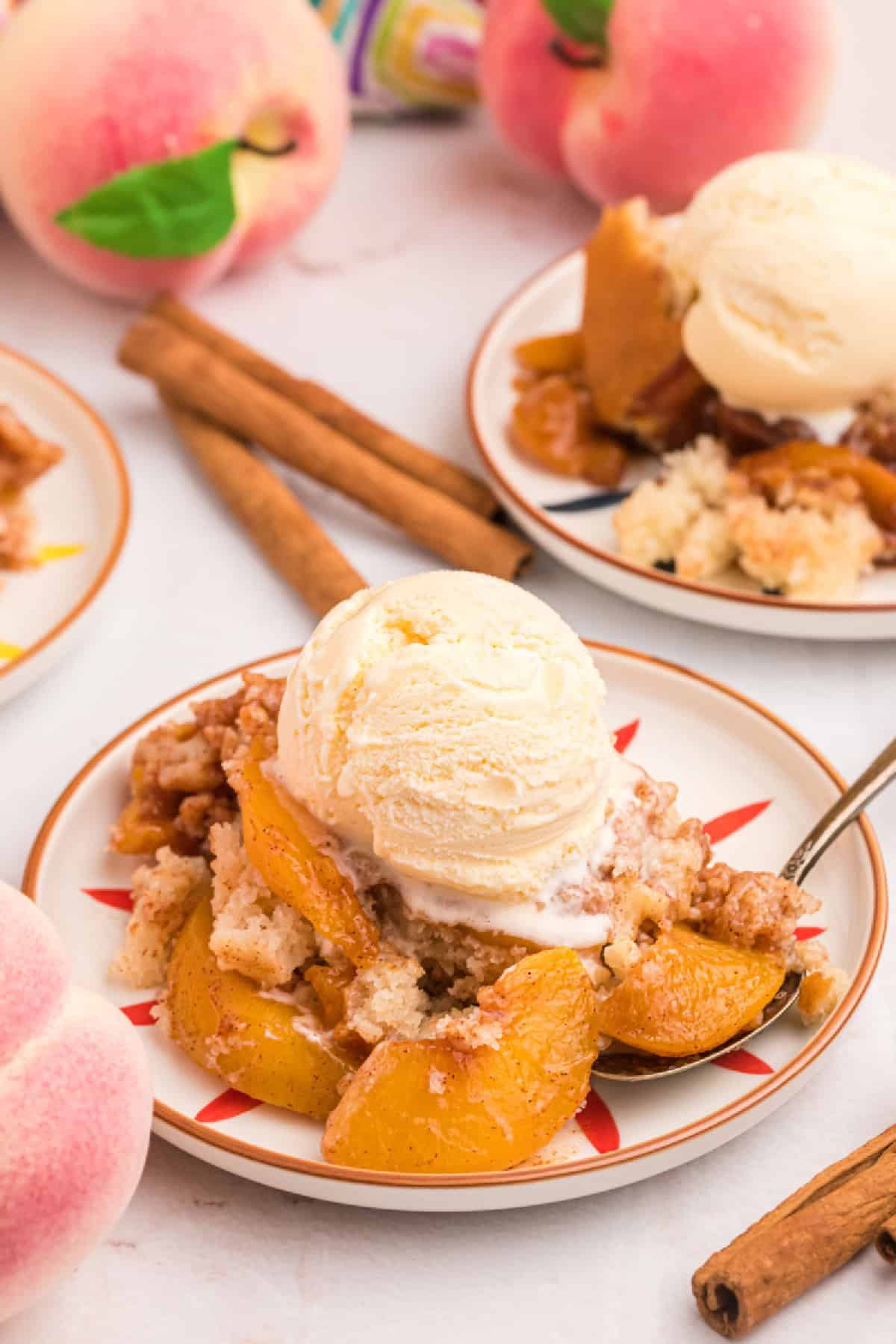
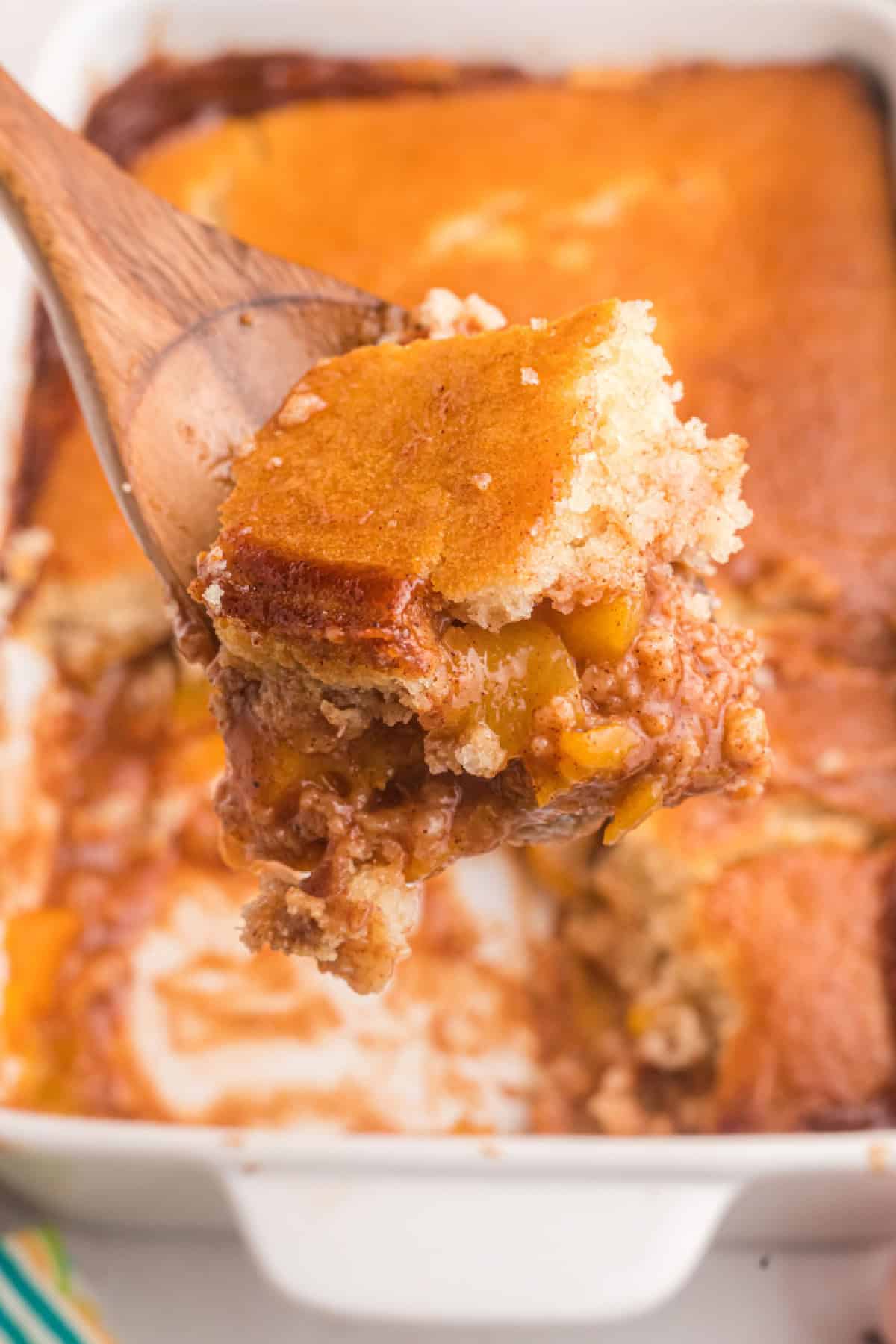
Modern culinary analysis suggests that the "cake-like" topping favored in contemporary recipes is achieved through the use of leavening agents like baking powder and the inclusion of butter, which creates a rich, emulsified crumb. During the baking cycle, which typically lasts 45 minutes at 350°F to 375°F, the steam from the bubbling fruit permeates the base of the batter, creating a textural gradient ranging from a crisp, golden exterior to a tender, fruit-infused interior. This characteristic "soaking" effect is the primary differentiator between a cobbler and other fruit-based desserts like crisps or crumbles.
Market Data and Consumer Trends
The sustained popularity of peach cobbler is supported by broad consumer demand for traditional comfort foods. Data from seasonal grocery retail trends indicates that peach sales experience a 30% to 40% spike during the peak summer months, with a significant percentage of these sales attributed to home baking. Furthermore, the accessibility of high-quality frozen fruit has effectively decoupled the dessert from strict seasonality. Frozen peaches, which are flash-frozen at the peak of ripeness, have become a viable, year-round alternative for consumers, ensuring that the dessert remains a consistent presence in retail and restaurant settings regardless of the time of year.
Industry analysts observe that the "Easy Peach Cobbler" category, which often utilizes shortcut ingredients such as pre-made cake mixes or simplified batter ratios, is particularly resistant to economic downturns. This is attributed to the dessert’s low cost-per-serving and the psychological appeal of home-prepared comfort food during periods of financial or social instability.
Nutritional Profile and Dietary Considerations
A standard serving of homemade peach cobbler—approximately 1/12th of a 9×13 pan—contains roughly 350 kilocalories. The nutritional breakdown is dominated by carbohydrates (approximately 64 grams), primarily sourced from sucrose and the flour-based topping, with roughly 45 grams of total sugars. While not a low-calorie option, the inclusion of peaches provides modest amounts of fiber, vitamin C, and potassium.
In professional culinary settings, chefs are increasingly experimenting with "lighter" versions, incorporating whole-grain flours or reducing sugar concentrations to cater to health-conscious demographics. However, traditional recipes remain the standard for public perception, with the pairing of a scoop of vanilla ice cream—a practice known as "à la mode"—serving as the conventional service method. This pairing is chemically significant, as the cold dairy fat of the ice cream provides a necessary contrast to the warm, viscous acidity of the fruit filling, balancing the overall flavor profile of the dish.
Broader Impact on Food Culture
The enduring relevance of the peach cobbler in American culture highlights a broader trend toward "heritage cooking." Despite the influx of complex, avant-garde culinary techniques, there is a recurring consumer shift toward simple, recognizable dishes that evoke nostalgia. Food historians note that the act of baking a cobbler functions as a social ritual, particularly at potlucks, church gatherings, and holiday celebrations, where the dish serves as a communal centerpiece.
Furthermore, the recipe’s inherent flexibility allows for individual customization, which has been documented in various community cookbooks for over a century. Whether adding almond extract to the batter, using a blend of spices, or substituting nectarines for peaches, the cobbler serves as a "blank canvas" for home cooks. This adaptability ensures that the dish remains relevant to evolving tastes while maintaining its foundational identity.
Strategic Implications for Home Baking
The transition from traditional, time-intensive baking to modern "easy" methods reflects a broader societal shift in domestic time management. Today’s home cook often prioritizes efficiency without sacrificing the sensory experience of a homemade dessert. The use of simplified techniques, such as the 3-ingredient cobbler method, does not necessarily indicate a decline in culinary quality, but rather an evolution in how households manage resources.
The availability of these recipes online, supported by search engine optimization and digital recipe documentation, has created a democratization of baking knowledge. Where recipes were once passed down orally or through handwritten cards, they are now subject to public scrutiny, testing, and modification by thousands of users. This digital feedback loop allows for rapid refinement of recipes, ensuring that even the most "traditional" dishes remain optimized for current kitchen equipment and ingredient standards.
In summary, the peach cobbler stands as more than a simple dessert; it is an artifact of American domestic history. By bridging the gap between seasonal agricultural cycles and the modern pantry, it continues to serve as a primary example of how culinary traditions persist through adaptation. Whether prepared from scratch using fresh, local produce or utilizing frozen fruit for convenience, the dish continues to meet the criteria for a quintessential comfort food: it is reliable, culturally resonant, and universally accessible. As culinary trends continue to shift toward minimalism and authentic, home-cooked experiences, the simple, bubbling dish of peaches and crust will undoubtedly maintain its position as a staple of the American dessert repertoire for generations to come.