The Rise of One-Pan Culinary Methodologies
The one-pan cooking movement, often referred to as "one-pot cooking," represents a significant shift in domestic food preparation. Research into consumer behavior indicates that time-starved households are moving away from multi-step cooking processes that involve multiple pieces of cookware. By combining starches—such as pasta—with vegetables and proteins in a single vessel, cooks can achieve a cohesive flavor profile while reducing water usage and post-meal cleaning requirements.
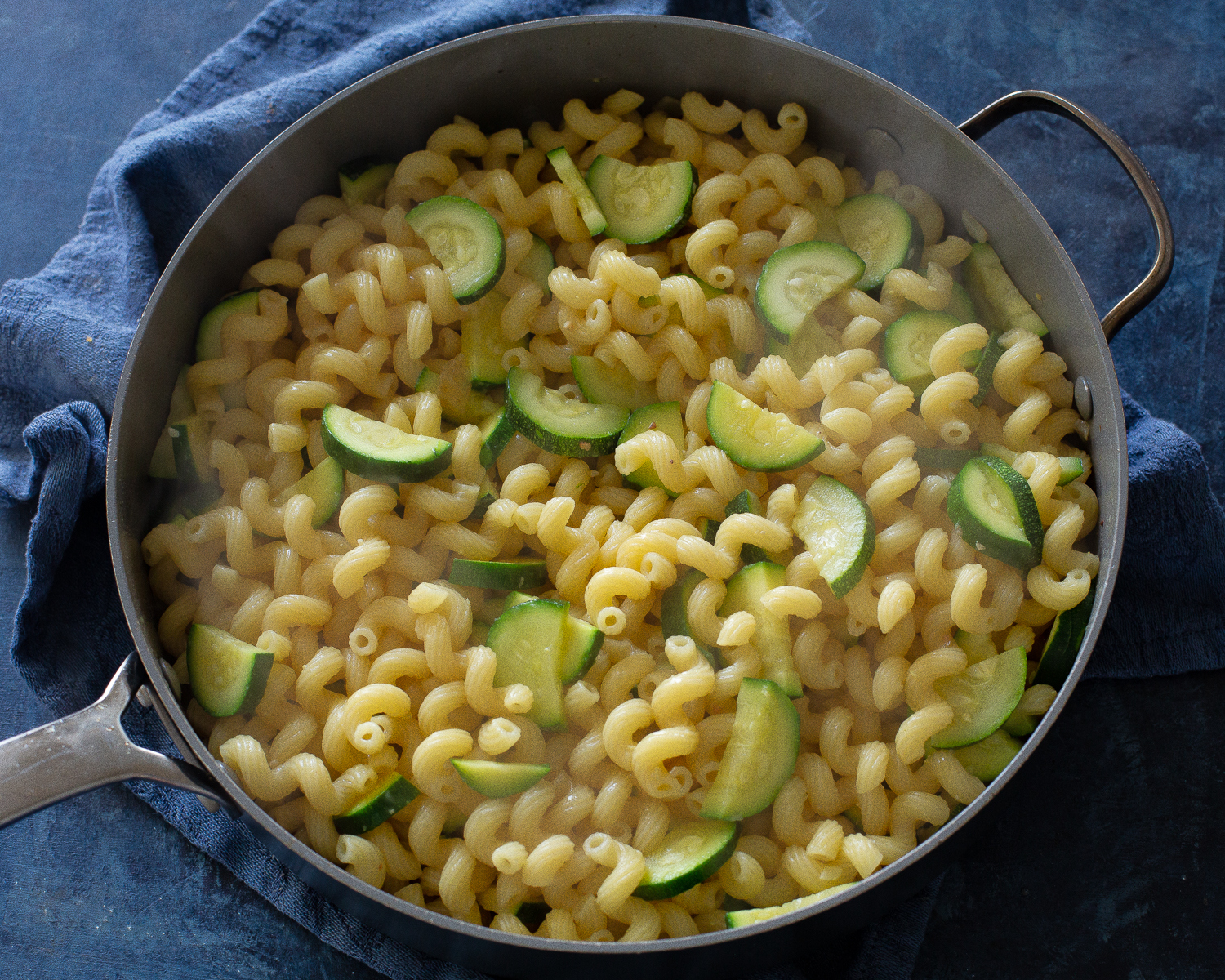
The technical success of one-pan pasta lies in the precise ratio of starch to liquid. Unlike traditional pasta preparation, which involves boiling water separately, one-pan methods rely on the pasta absorbing the cooking liquid, which simultaneously releases starch to create a naturally emulsified, creamy sauce. This technique is particularly effective when incorporating high-moisture vegetables like zucchini and yellow squash, which release their own juices during the cooking process.

Seasonal Dynamics and Vegetable Surplus
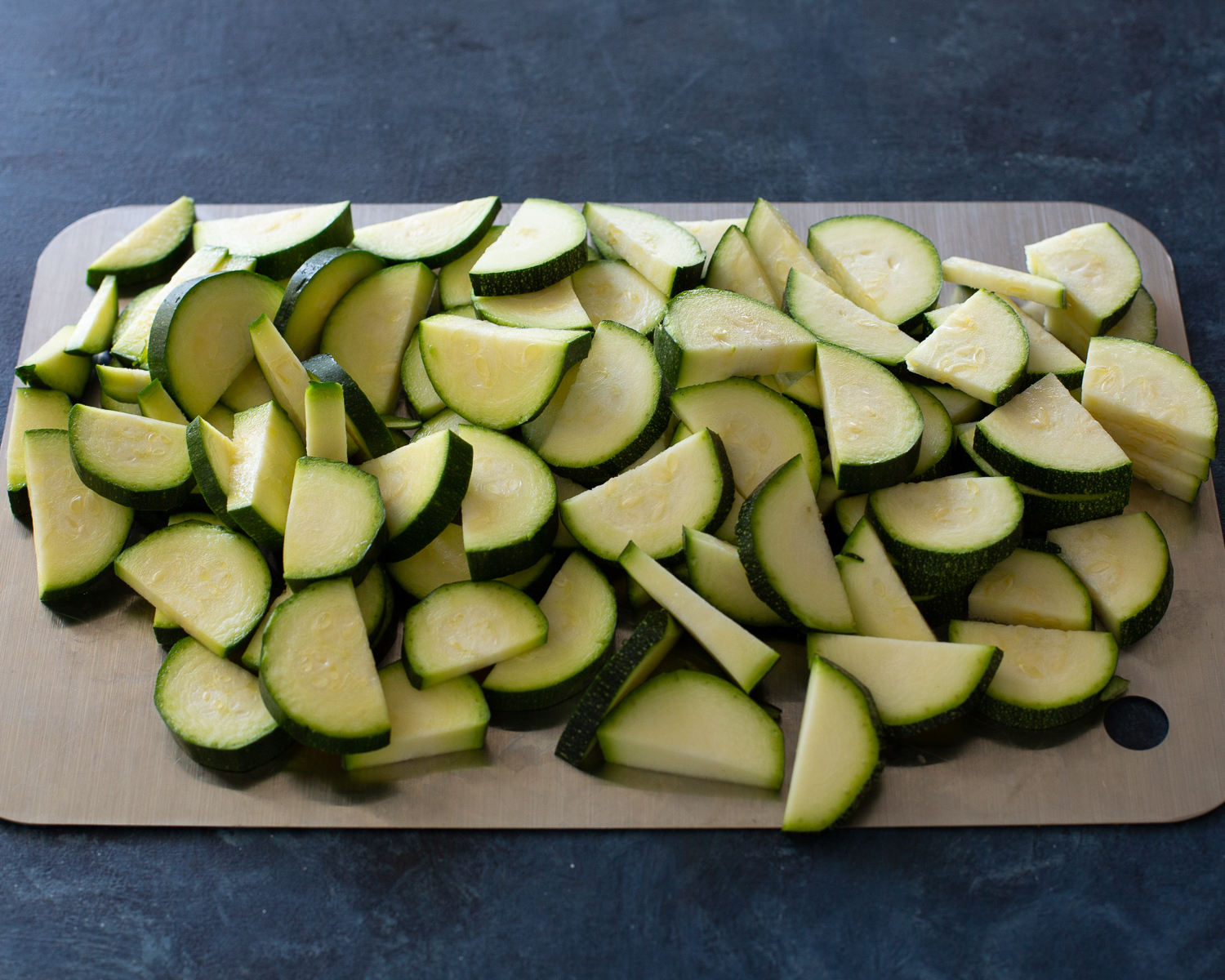
The zucchini (Cucurbita pepo) is a staple of summer agriculture in the Northern Hemisphere. Agronomists note that zucchini plants are prolific producers, often yielding significantly more fruit than a standard household can consume during the peak harvest months of July and August. This phenomenon frequently results in a "zucchini surplus," prompting a need for creative culinary applications to prevent food waste.
Data from agricultural extensions suggest that a single healthy zucchini plant can produce between six and ten pounds of fruit over a season. Because zucchini has a relatively short shelf life, quick-preparation recipes that utilize large quantities are essential. Incorporating this vegetable into daily staples like pasta provides a bridge between agricultural abundance and practical, high-volume consumption.
Chronology of Culinary Innovation
The evolution of the "creamy" vegetable pasta can be traced through the following developmental phases:
- Early 20th Century: Pasta was traditionally served with heavy, slow-simmered tomato or meat-based ragus. Vegetable integration was limited to side dishes or salads.
- Mid-20th Century: The introduction of quick-cooking pasta products and the normalization of dairy-based cream sauces in Western diets allowed for faster, richer pasta dishes.
- Early 21st Century: A surge in health-conscious cooking led to the "zoodles" (zucchini noodles) movement, where the vegetable replaced the pasta entirely.
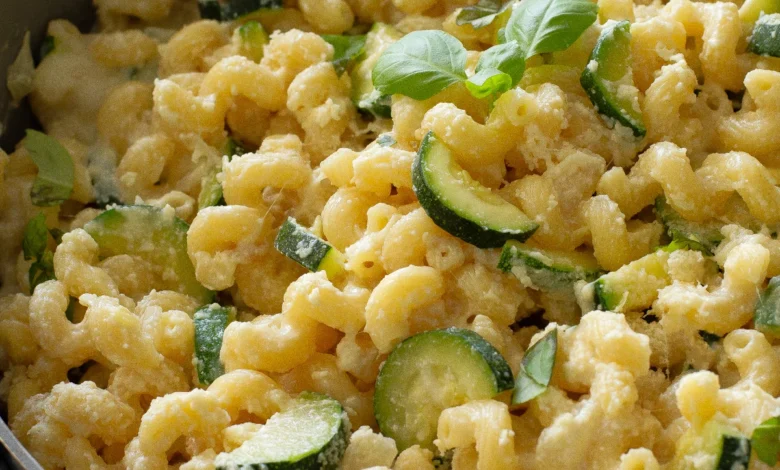
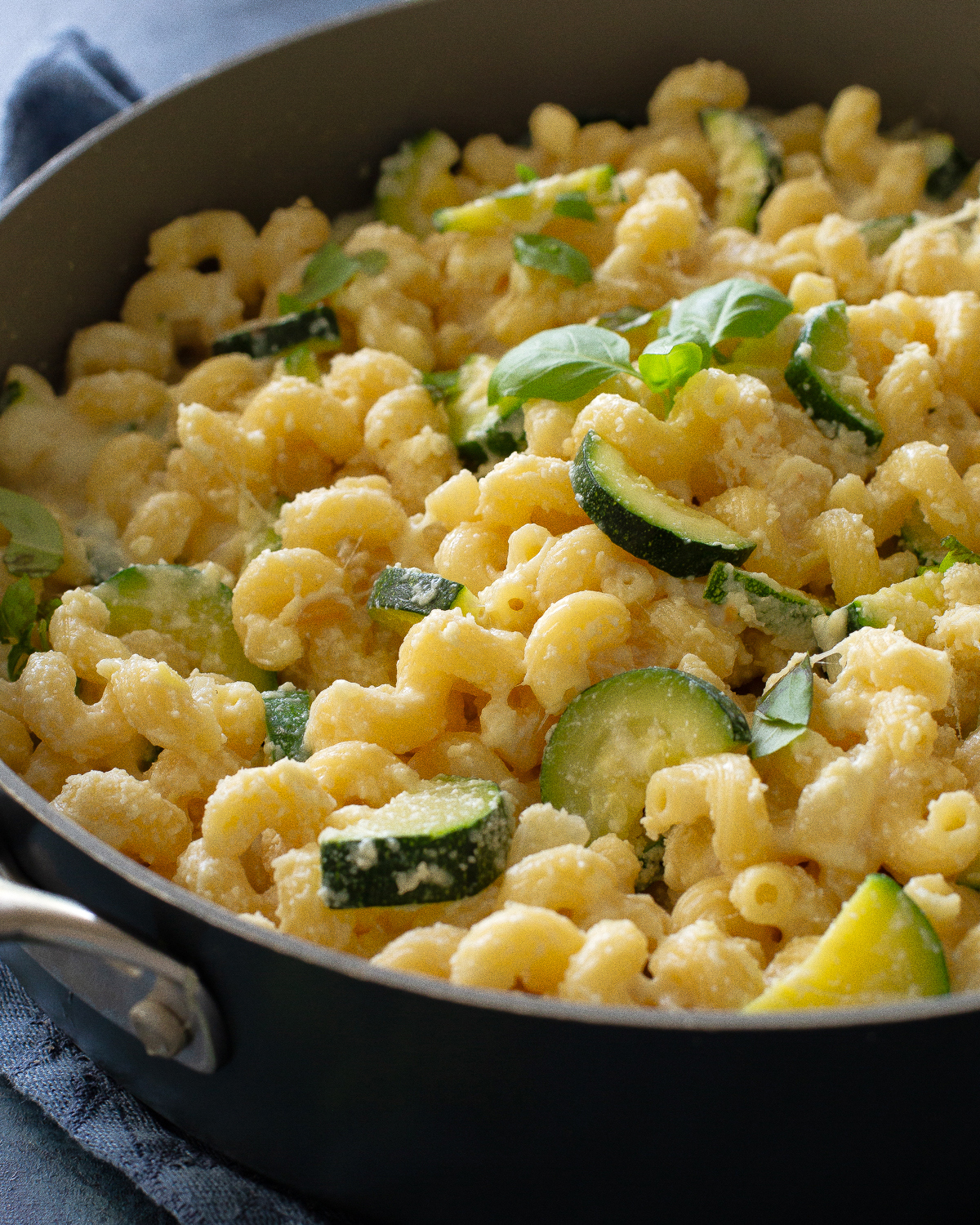
- Present Day: The contemporary approach, as exemplified by the One-Pan Creamy Zucchini Pasta, integrates the vegetable into the pasta, maximizing both texture and flavor while maintaining the integrity of the dish as a carbohydrate-rich meal.
Nutritional and Economic Analysis
From a nutritional standpoint, the combination of zucchini, squash, and pasta provides a balanced profile of dietary fiber, vitamins A and C, and potassium, alongside complex carbohydrates. The addition of ricotta, mozzarella, and Parmesan serves to provide a complete protein source while contributing the lipids necessary for a creamy mouthfeel.
Economically, this dish is highly efficient. Pasta and seasonal squash are among the most affordable produce and pantry items available in supermarkets during the summer months. By eliminating the need for expensive proteins or specialized pre-made sauces, households can reduce their food expenditure while maintaining a high standard of nutrient density.
Expert Perspectives on Vegetable Integration
Culinary experts often emphasize that the key to successful vegetable-forward pasta is the method of heat application. "When zucchini is sautéed or simmered directly with the starch, the sugars in the vegetable caramelize slightly, providing a depth of flavor that is lost when boiling," explains a representative from a regional cooking association. Furthermore, the inclusion of cheese acts as a stabilizer, binding the starch-heavy water from the pasta with the vegetable moisture to create a velvety consistency that clings to the noodles.
Broader Implications for Home Cooking
The popularity of one-pan recipes reflects a broader societal shift toward sustainable domestic management. As food prices fluctuate, the ability to utilize surplus garden produce or items nearing the end of their shelf life is becoming a crucial skill for households looking to optimize their grocery budgets.
Moreover, the versatility of the one-pan format allows for significant customization. The base recipe—pasta, liquid, cheese, and squash—can easily be adapted to include other seasonal vegetables such as bell peppers, cherry tomatoes, or snap peas. This adaptability ensures that the dish remains relevant regardless of the specific seasonal availability, provided the core principles of the one-pan cooking method are maintained.
Environmental and Waste-Reduction Impact
Reducing food waste is a priority for sustainability advocates, and the home kitchen is a significant point of intervention. Every year, millions of pounds of garden-grown produce are composted or discarded because households lack the time or knowledge to process them. Recipes like this one-pan pasta serve as an educational tool, encouraging consumers to view their produce as a resource rather than a burden. By simplifying the preparation process, the barrier to entry for cooking from scratch is lowered, potentially reducing reliance on ultra-processed, pre-packaged convenience foods that often come with significant plastic packaging waste.
Conclusion
The One-Pan Creamy Zucchini Pasta stands as a synthesis of traditional Italian flavor profiles and modern, high-efficiency cooking techniques. Its rise in popularity is a response to the dual needs of contemporary life: the requirement for quick, low-effort meals and the desire to manage seasonal agricultural yields effectively. As this method continues to gain traction, it offers a blueprint for how home cooks can maximize the utility of their ingredients, minimize waste, and produce nutrient-dense meals that satisfy both the palate and the budget. The simplicity of the technique belies the complexity of the culinary result, proving that sophisticated flavor does not always necessitate a complex, multi-step process. In an era where efficiency and sustainability are increasingly prioritized, the one-pan approach represents a permanent, positive shift in the way we conceptualize home-cooked meals.