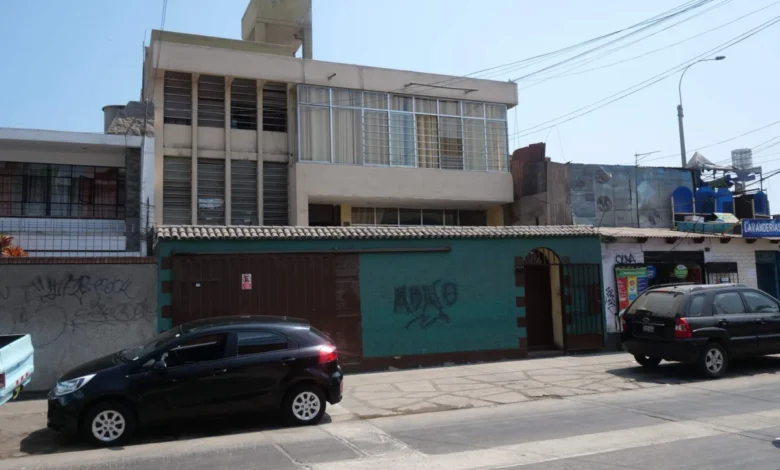
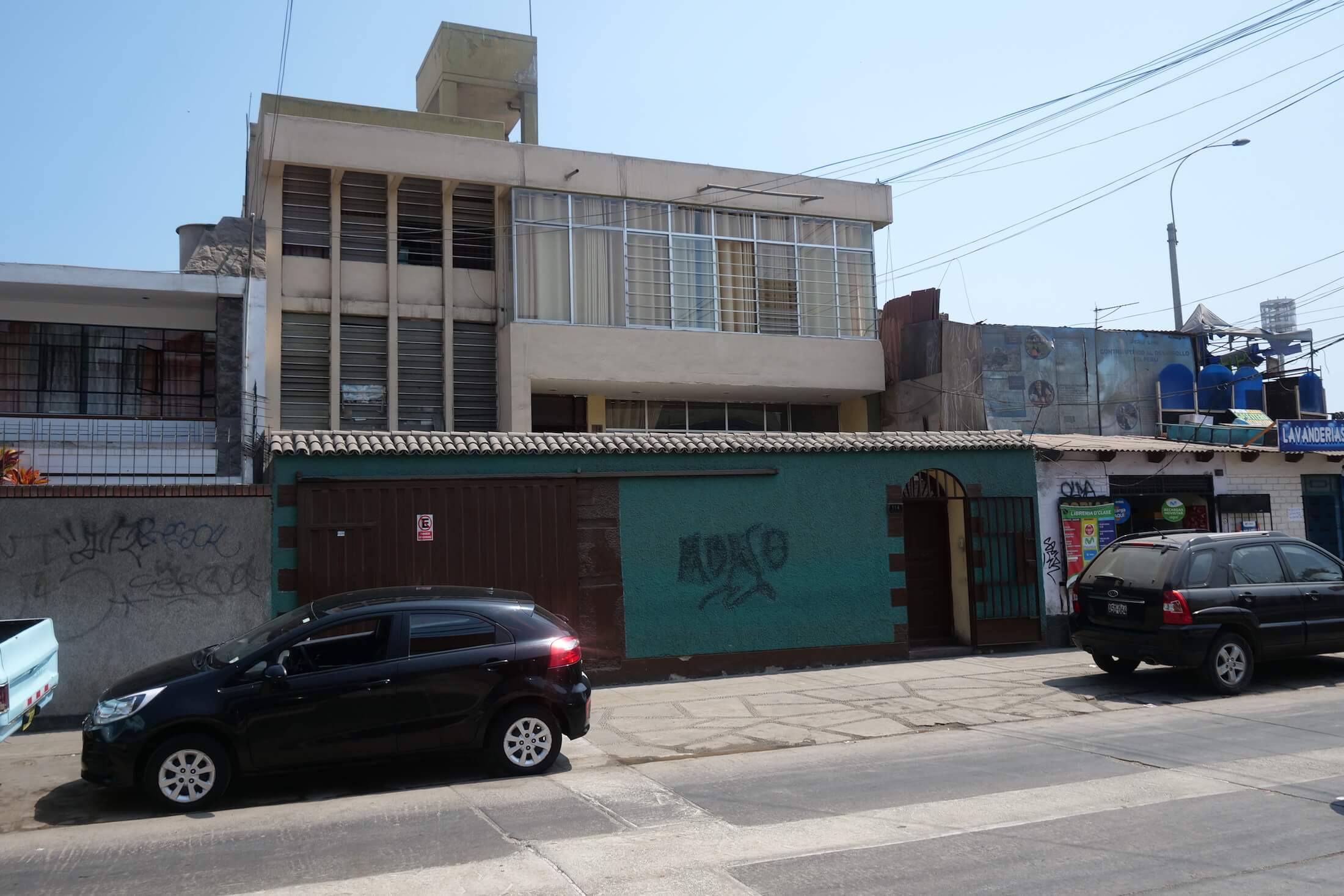
The global culinary community has long recognized Lima, Peru, as one of the world’s premier destinations for gastronomy, drawing travelers eager to explore its diverse and sophisticated food culture. Among the city’s myriad dining establishments, Chez Wong stands apart as a singular institution. Operated entirely by the legendary chef Javier Wong, the restaurant functions simultaneously as his home, his workspace, and a crucible of Peruvian-Chinese fusion cuisine. For dedicated culinary tourists, a pilgrimage to this unassuming location in the residential district of La Victoria represents the pinnacle of gastronomic travel in South America.
The Foundation of Peruvian Ceviche
Peruvian cuisine is globally celebrated, with ceviche serving as its undisputed crown jewel. As Peru’s signature national dish, authentic ceviche relies on a remarkably straightforward yet profoundly delicate formula: fresh seafood bathed in freshly squeezed citrus juice, typically key lime or lemon, seasoned with salt, pepper, and local chili peppers. While the concept appears deceptively simple, the execution requires an exacting standard of ingredient quality and precise chemical timing.
In Lima, the capital city, ceviche takes on countless regional and stylistic variations, ranging from casual street-food carts to upscale dining rooms. However, few culinary figures have elevated the preparation of this dish to an art form quite like Javier Wong. Blending traditional Peruvian ingredients with East Asian culinary techniques—specifically the high-heat, rapid execution of the wok—Wong has spent decades perfecting a methodology that places raw ingredient integrity above all else.
An Exclusive, Reservation-Only Operation
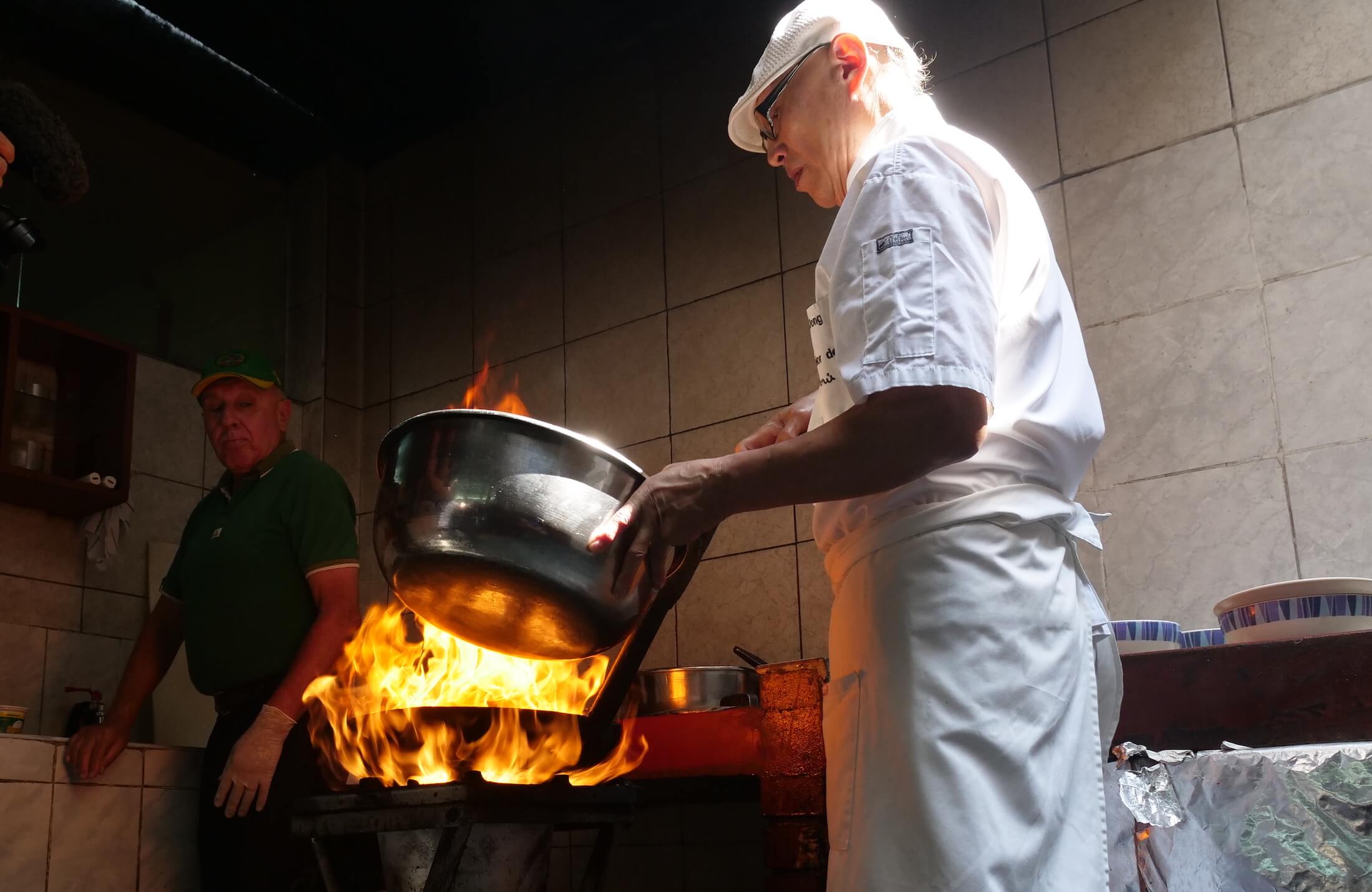
Operating Chez Wong requires an uncompromising commitment to freshness and precision, dictating every aspect of the restaurant’s daily schedule. The establishment maintains a strict reservation-only policy, with prospective diners facing waiting lists that often stretch several weeks or months in advance. Because Javier Wong personally visits the local market each morning to purchase the exact quantity of seafood required for the day’s confirmed guests, walk-in patrons are invariably turned away.
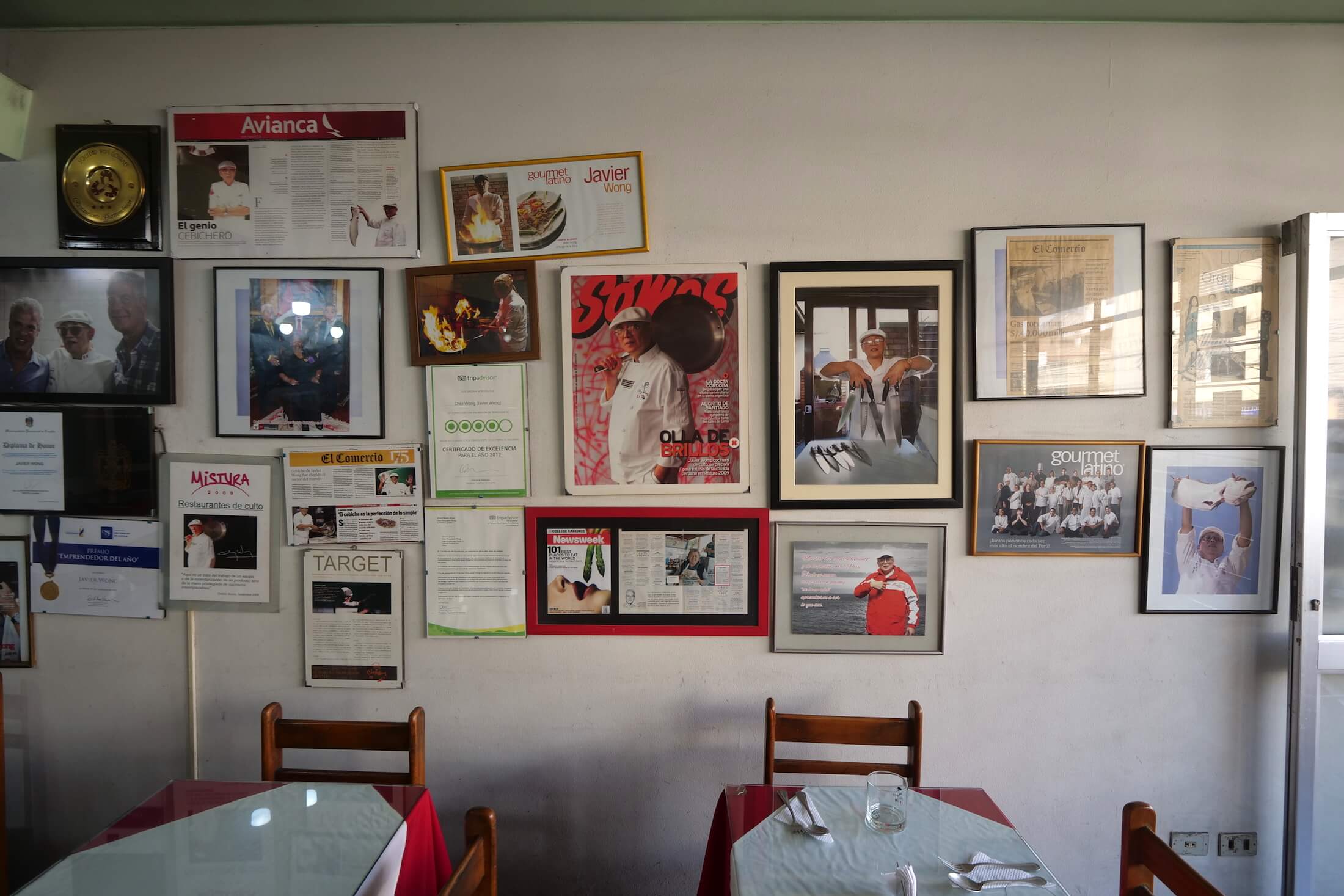
Chez Wong operates five days a week, from Tuesday through Saturday, serving exclusively during a brief lunch window typically running between 1:00 PM and 3:30 PM. This rigid operational framework ensures that no surplus inventory is kept, reinforcing a farm-to-table philosophy long before the term became a modern restaurant buzzword. The dining room itself is modest, accommodating only a handful of tables. The decor is understated, featuring clean walls adorned primarily with historical photographs and media clippings documenting Wong’s decades-long career and international acclaim.
The Ritual of Preparation: Course One, Ceviche
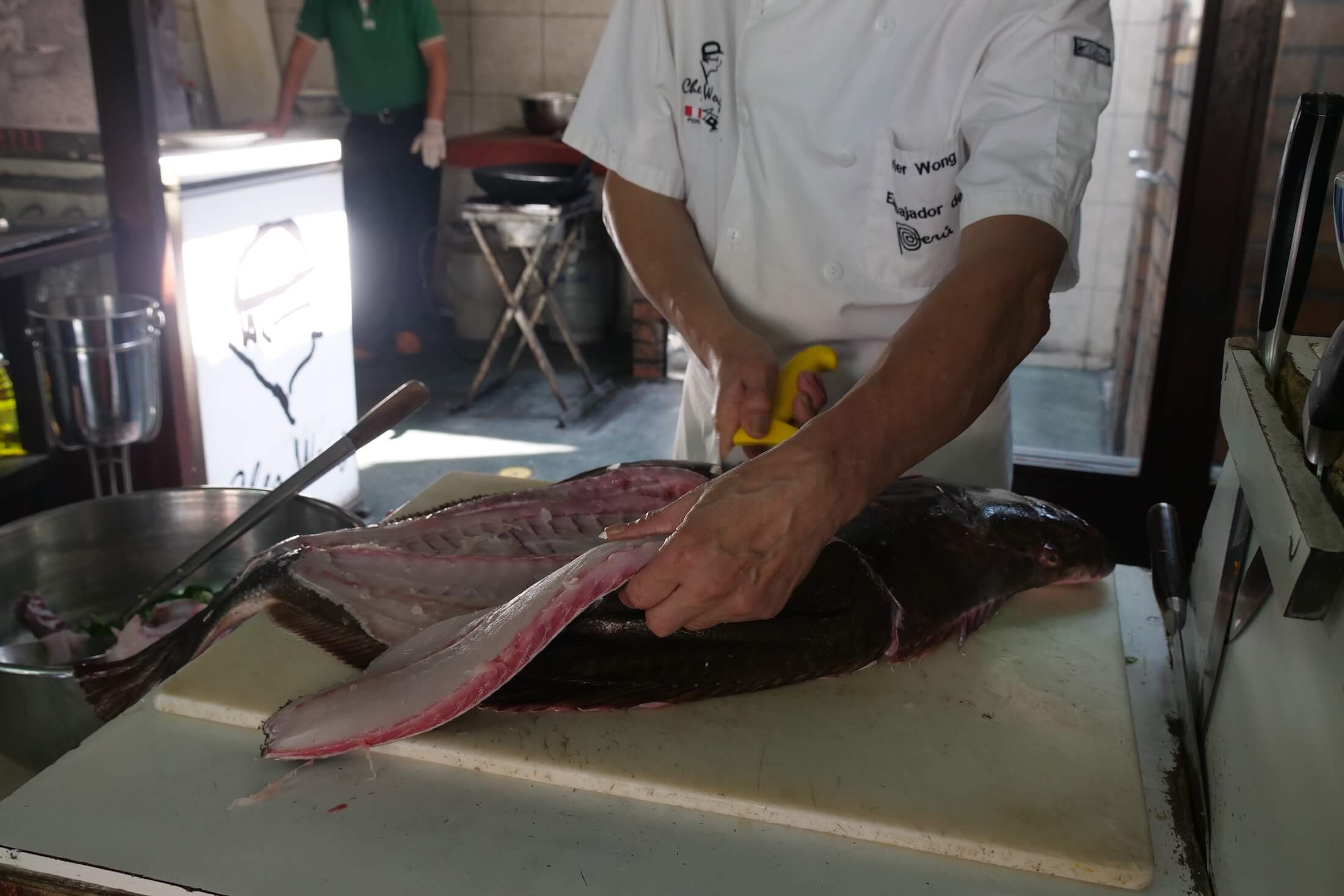
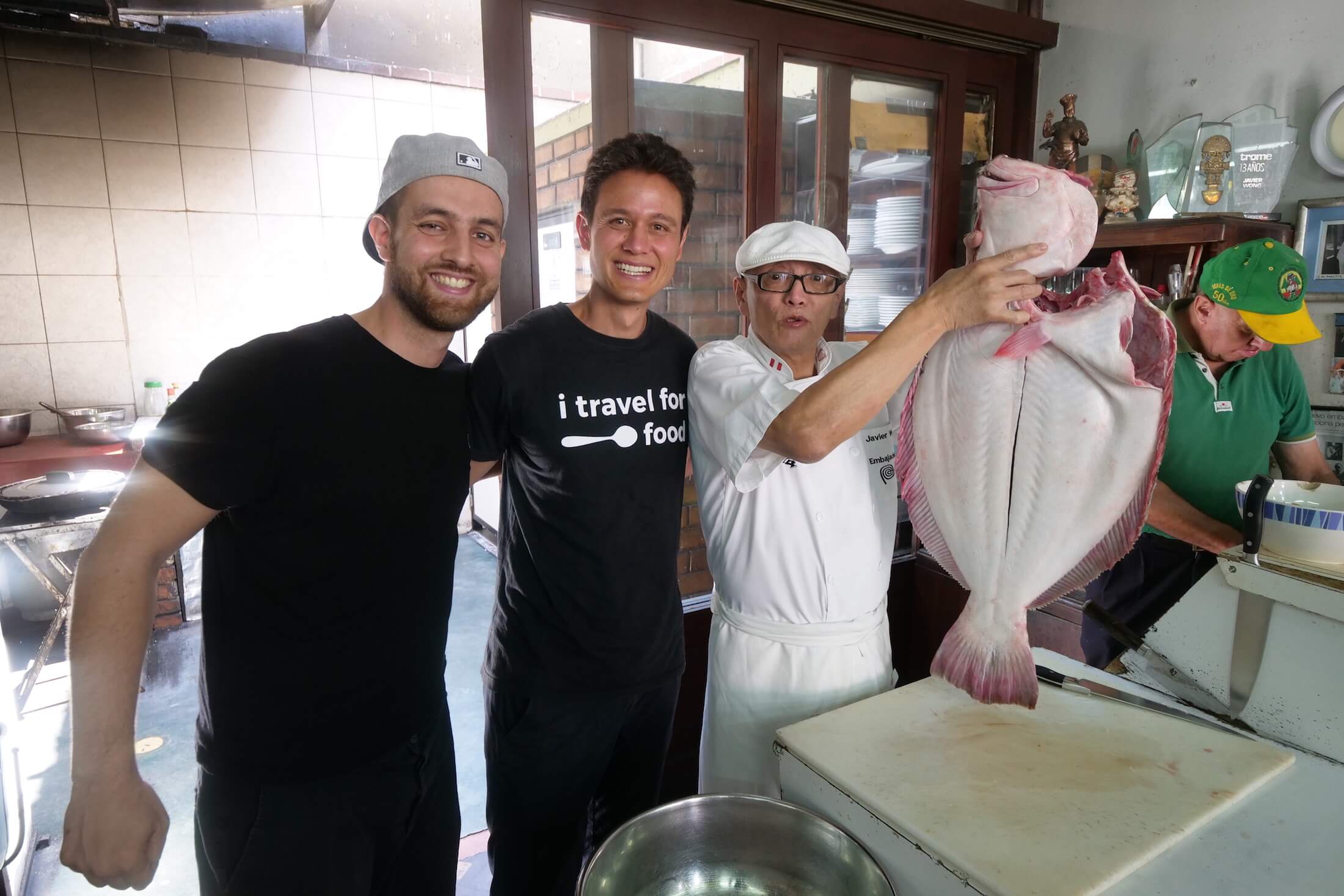
Dining at Chez Wong is as much a visual performance as it is a meal. Guests are seated in close proximity to the kitchen workspace, where Chef Wong prepares each course directly in front of them with methodical speed and silent concentration. Despite his advanced age, Wong moves with fluid confidence, selecting knives from his personal collection and retrieving massive, multi-kilogram Dover sole from fresh ice trays.
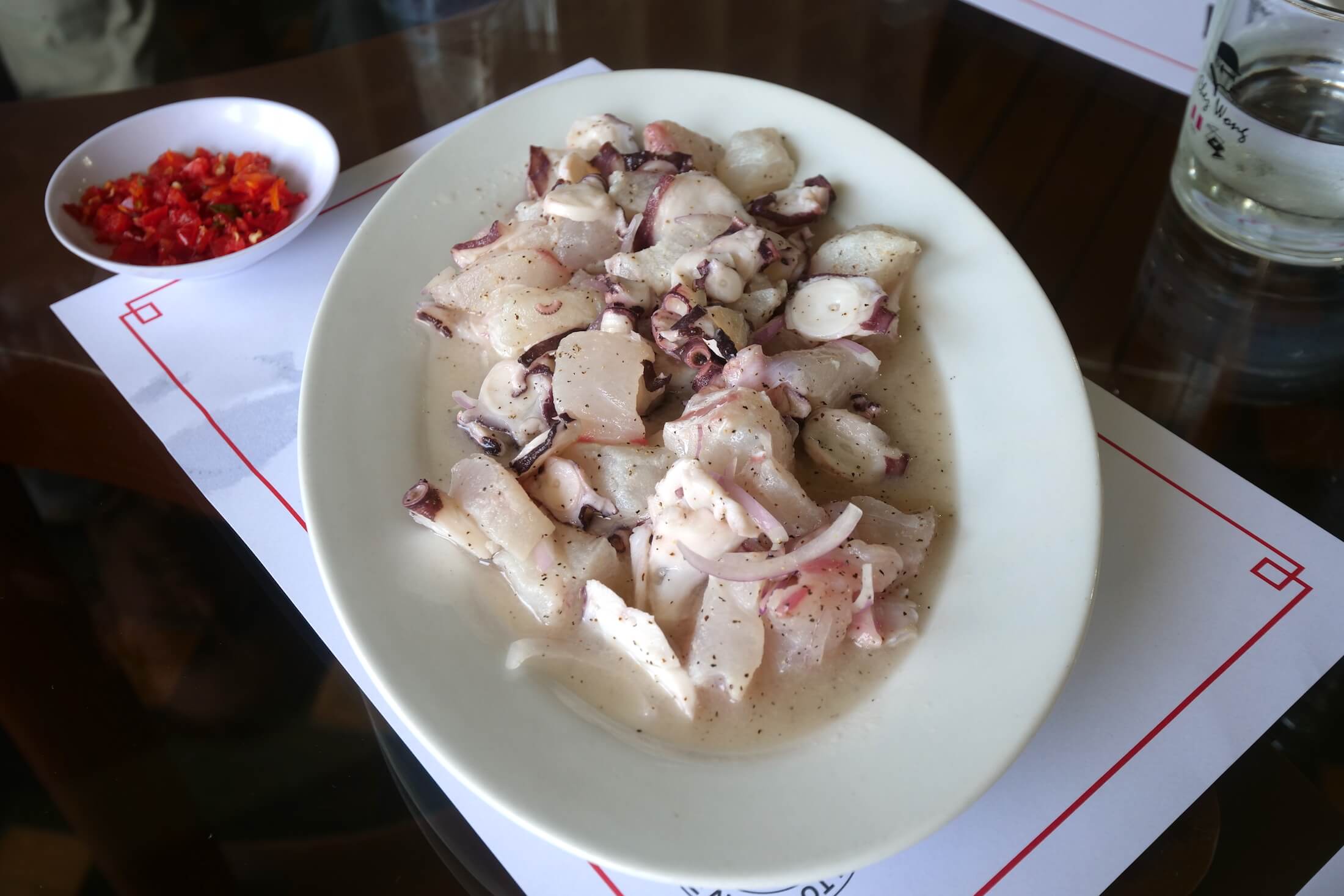
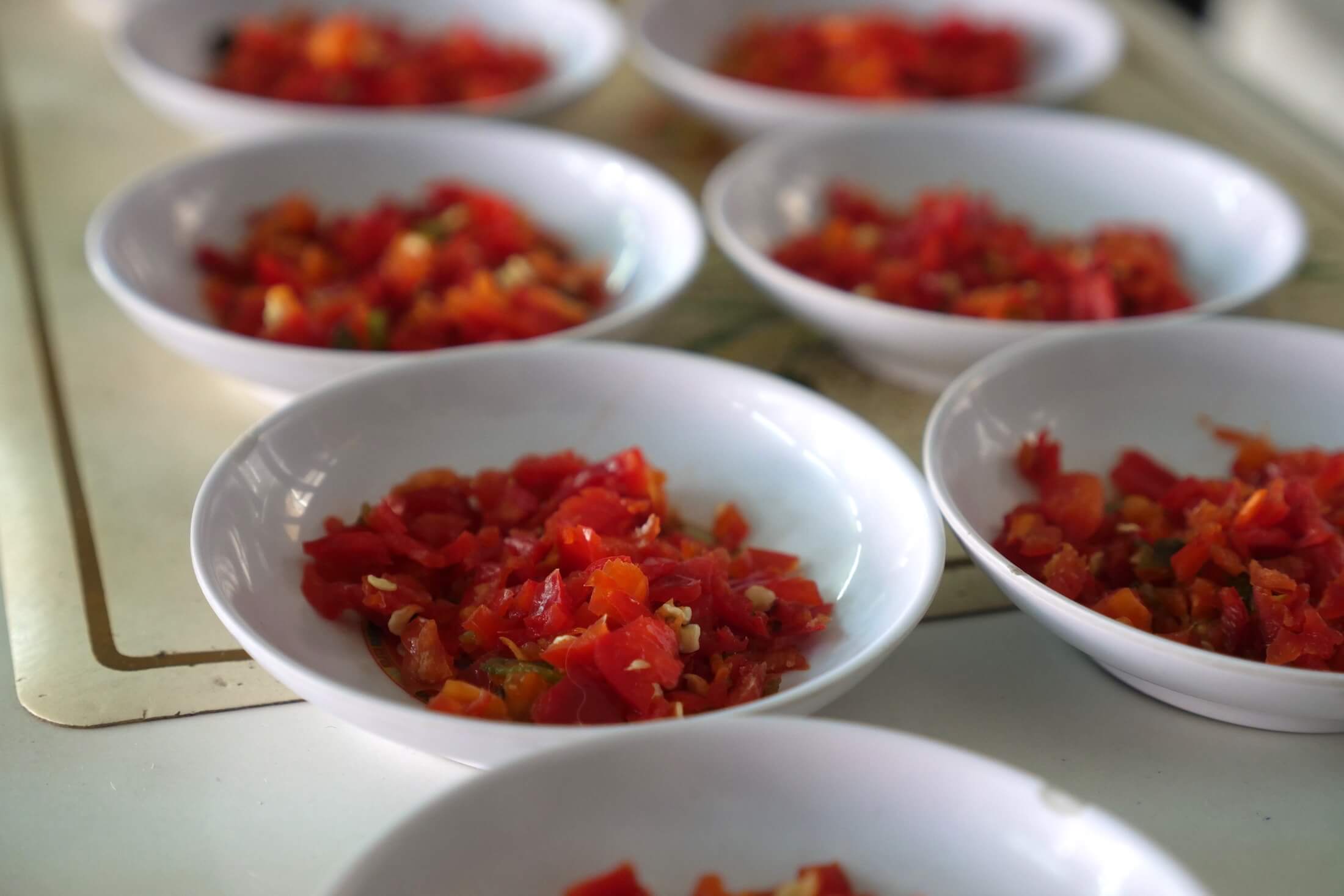
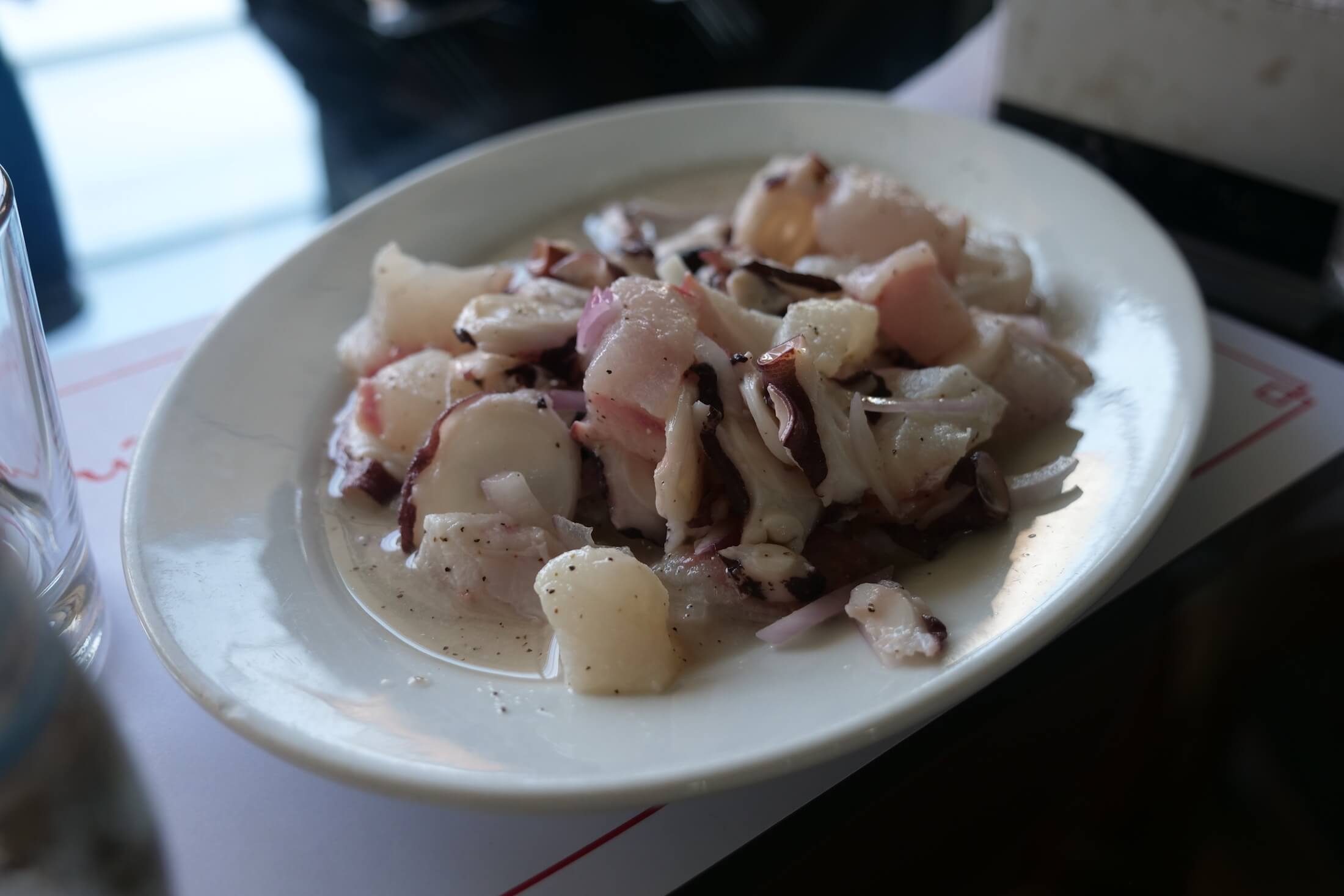
For the restaurant’s signature ceviche, Wong utilizes exclusively Dover sole—a species of flounder—supplemented by chunks of freshly blanched octopus. Rather than slicing the fish into the thin, delicate strips common in commercial establishments, Wong carves substantial, thick cubes of meat. The ingredient list remains strictly minimalist: fresh fish, octopus, an abundance of lime juice, salt, a touch of black pepper, and fiery aji chilies served on separate side plates to allow diners to calibrate their preferred spice levels.
The chemical curation of ceviche relies on acid curing rather than thermal cooking. The citrus juice alters the protein structures of the fish, turning the translucent flesh opaque while preserving its raw texture. Wong’s mastery lies in his intuitive understanding of marinating time, balancing the acidity of the citrus with the density of the fish to achieve an optimal mouthfeel.
Leche de Tigre: The Quintessence of Flavor
A defining element of the ceviche experience at Chez Wong is the consumption of leche de tigre (tiger’s milk), the nutrient-dense, highly acidic marinade left at the bottom of the serving vessel after the seafood has been consumed. Composed of citrus juice, fish trimmings, aromatics, and chili heat, this potent liquid is traditionally consumed with a spoon or poured directly into a glass to be drunk as a shot.
At Chez Wong, the tiger’s milk is celebrated for its remarkable thickness and complexity, delivering an intense sensory profile characterized by sharp acidity, robust umami, and a lingering peppery warmth. While many Peruvian restaurants offer leche de tigre as an independent menu item, the version produced at Chez Wong derives its exceptional richness directly from the high-grade Dover sole used in the initial preparation.
Course Two: The High-Heat Fish Stir-Fry
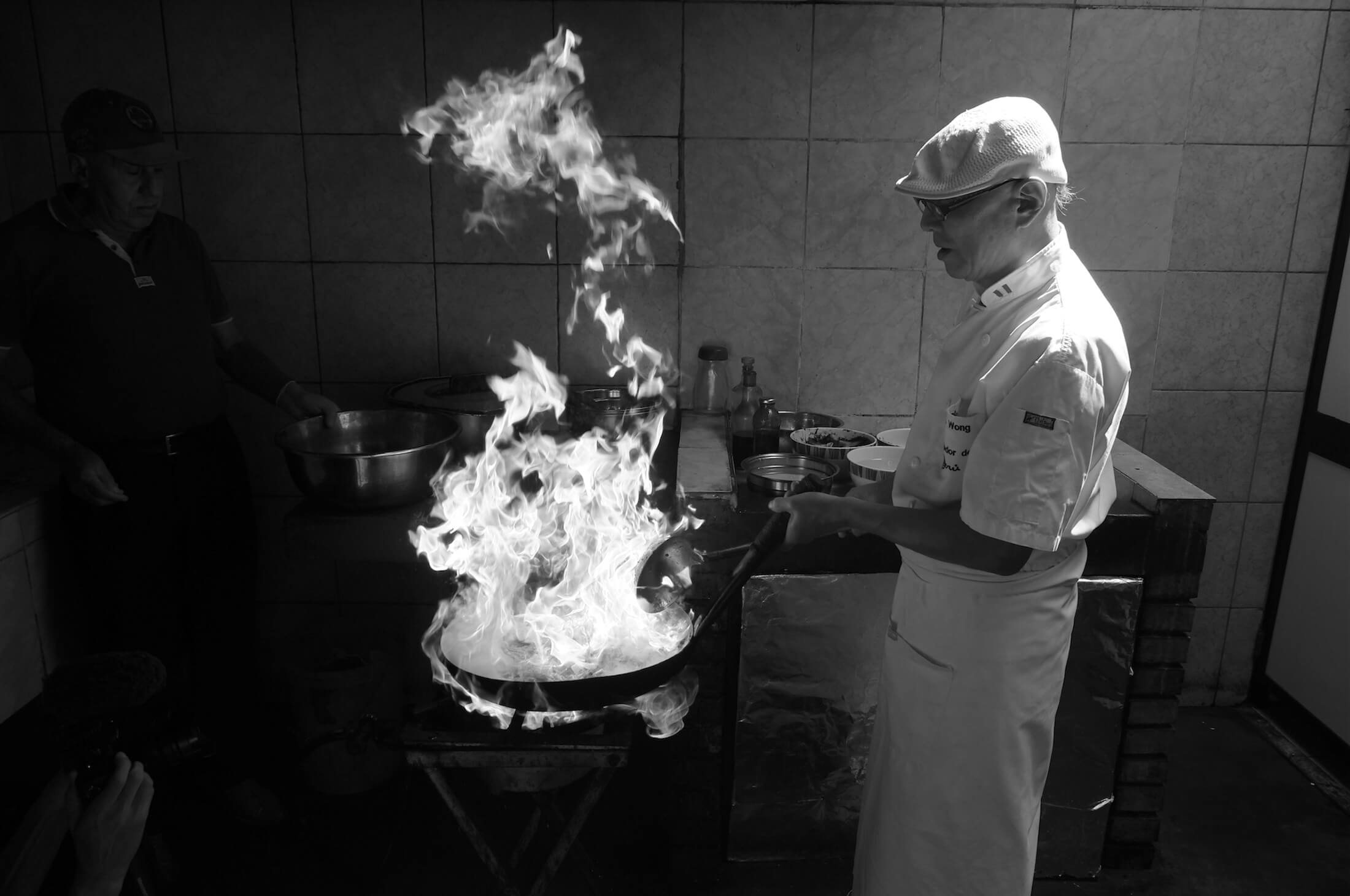
Following the cold ceviche course, the menu transitions to a hot preparation that showcases Wong’s mastery of the wok and open flame. Working over an industrial-grade gas burner, Wong utilizes explosive, high-pressure heat that sends towering columns of fire toward the ceiling. The technique demands absolute precision; Wong relies entirely on the intense thermal blast of the wok, withholding utensils until the burner is extinguished to avoid damaging the delicate texture of the fish.
The second course consists of a massive stir-fry combining chunks of Dover sole with a concise selection of fresh vegetables, including snow peas, chard, bok choy, and large-capped mushrooms. In a surprising culinary twist that exemplifies his decades of experimentation, Wong incorporates fresh tangerine or orange segments directly into the blazing wok. The citrus fruit breaks down under high heat, imparting a subtle sweetness and aromatic complexity that cuts through the smoky char of the wok and the savory undertones of soy sauce.
Logistics and Economic Impact
A typical dining experience at Chez Wong is structured as a fixed, chef-curated tasting menu dictated entirely by market availability rather than individual a la carte ordering. During a typical afternoon service, a party of four diners can expect a total bill averaging approximately 545 Nuevo Soles (roughly equivalent to $165 USD), reflecting the premium cost of sourcing elite-grade seafood and the exclusivity of a private, chef-driven dining format.
Implications and Cultural Legacy
Javier Wong’s enduring influence on Lima’s gastronomic landscape extends far beyond the physical confines of his dining room. As Lima solidified its reputation as the culinary capital of South America—housing multiple establishments consistently ranked among the world’s best—Chez Wong represents a traditional, artisan-led counterpoint to corporate fine dining.
By refusing to scale his operations, franchise his brand, or compromise on his daily market routines, Wong has preserved an authentic model of culinary craftsmanship. His dedication underscores a broader movement within global gastronomy that values personal lineage, ingredient transparency, and uncompromising quality over mass commercialization. For culinary historians and international travelers alike, Chez Wong remains an irreplaceable landmark of Peruvian cultural heritage.