
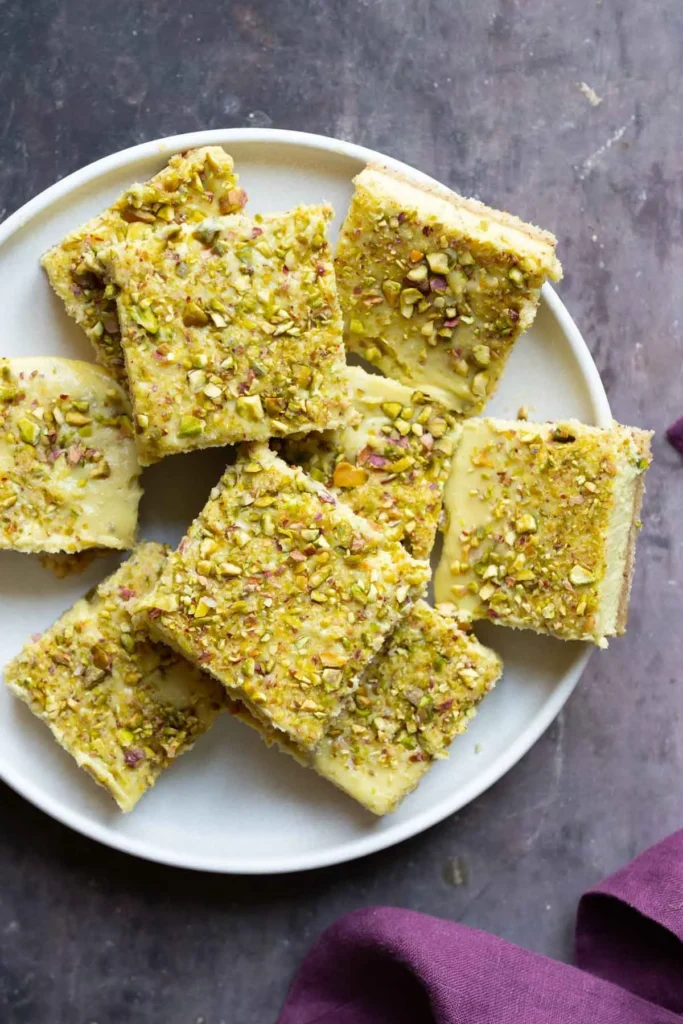
Historical Context and Culinary Fusion
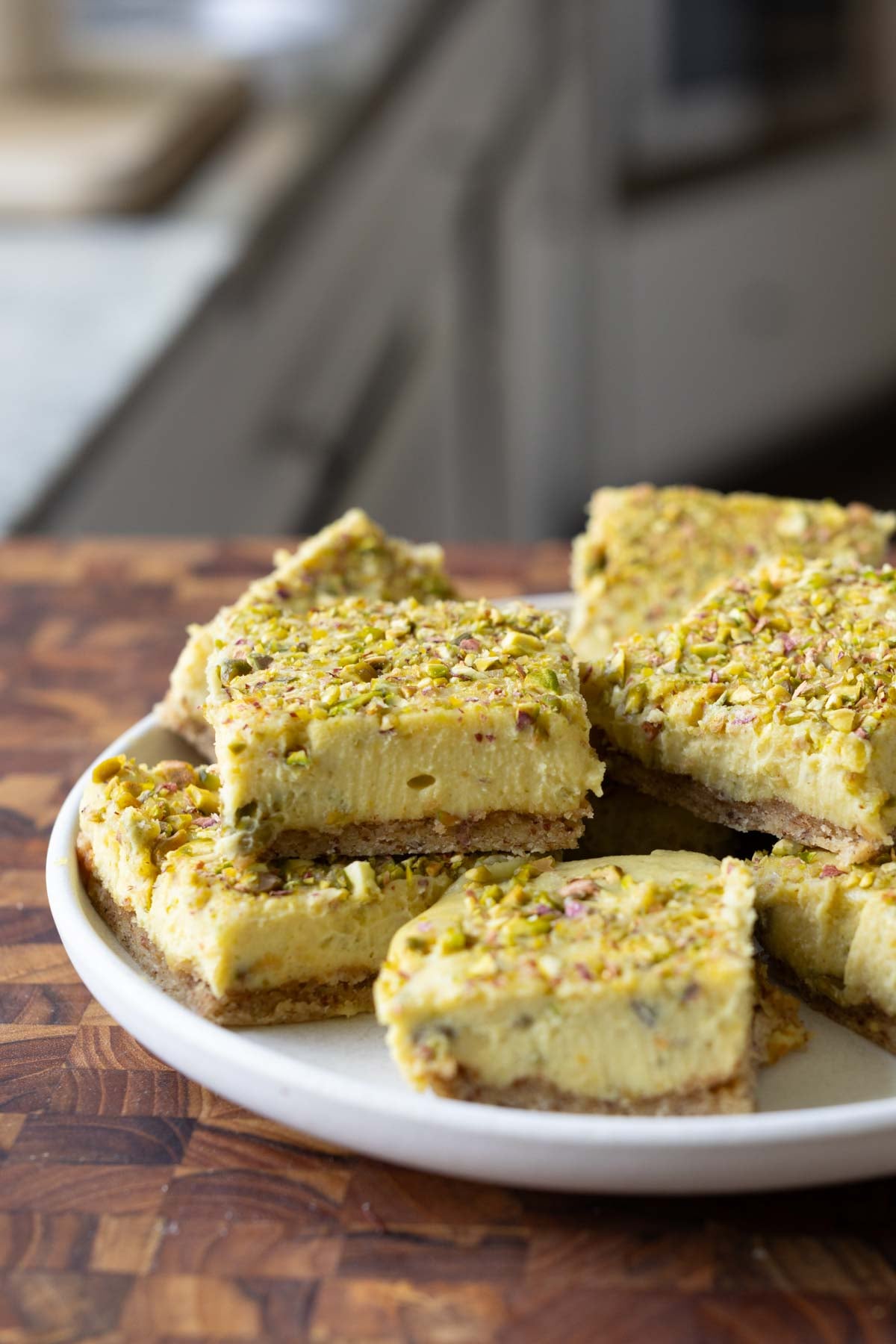
The term "Kesar Pista" refers to a classic pairing in Indian culinary arts, where kesar (saffron) and pista (pistachio) serve as the primary aromatic and textural components. Historically, these ingredients have been staples in traditional sweets such as burfi (a dense milk-based fudge), ladoo (spherical sweets), and pedas (condensed milk discs). The transition of these flavors into a "bar" format reflects a broader culinary trend toward deconstructing traditional regional desserts into more portable, internationally accessible forms.
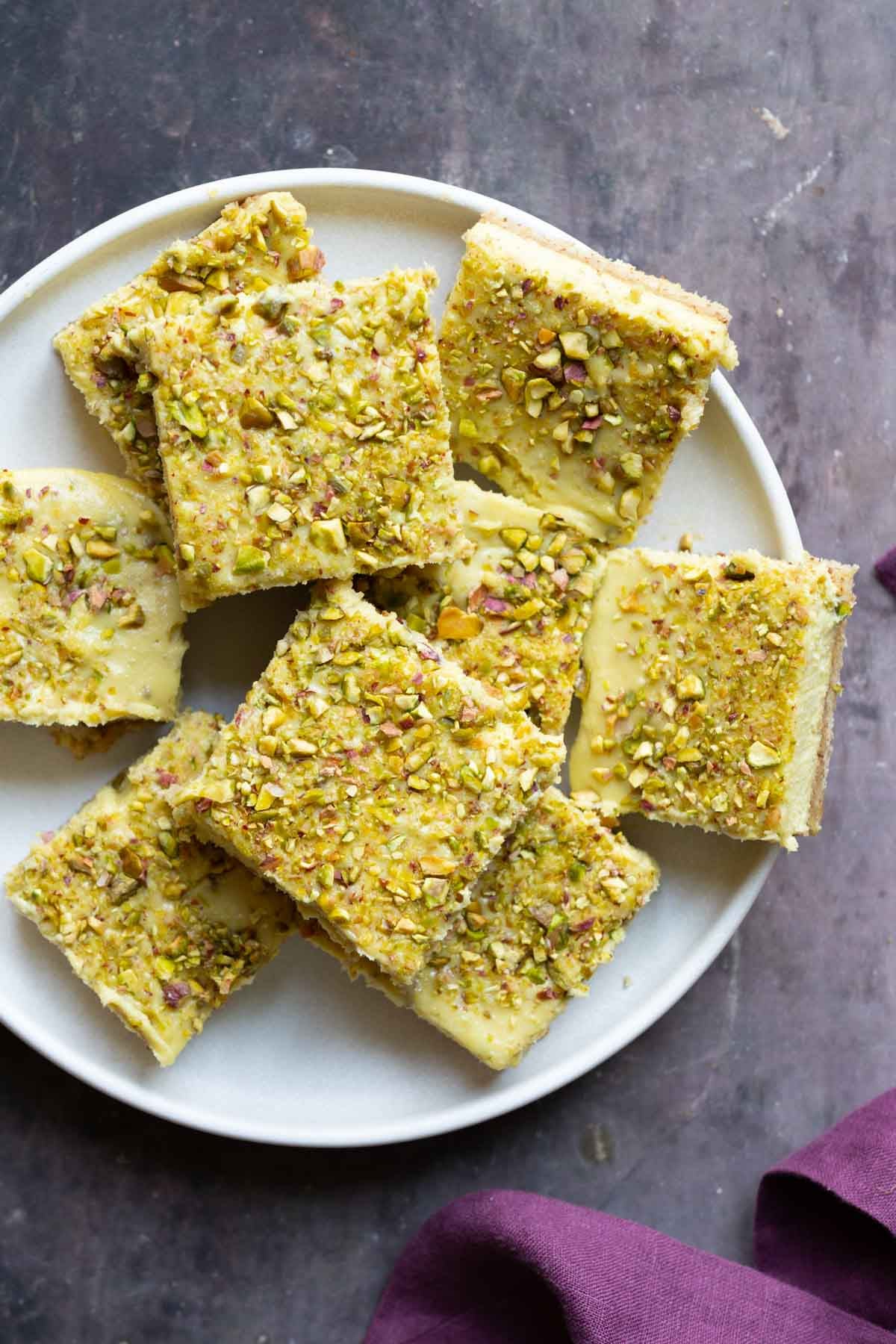
By replacing dairy-based solids with a cashew-coconut cream base and substituting wheat-based binders with almond flour, developers have successfully replicated the mouthfeel of traditional mithai without the use of animal products. This shift is part of a larger, global movement within the culinary industry to provide "fusion" options that respect the integrity of original flavor profiles while meeting the demand for vegan and gluten-free dietary standards.
Nutritional Profile and Ingredient Innovation
The Kesar Pista bar is characterized by a specific nutritional composition designed to appeal to health-conscious consumers. Each serving, which contains approximately 306 calories, provides 7 grams of plant-based protein. This protein density is primarily derived from the inclusion of almonds in the crust and the high concentration of cashews and pistachios within the cream layer.
Easy Vegan Cream of Mushroom Soup
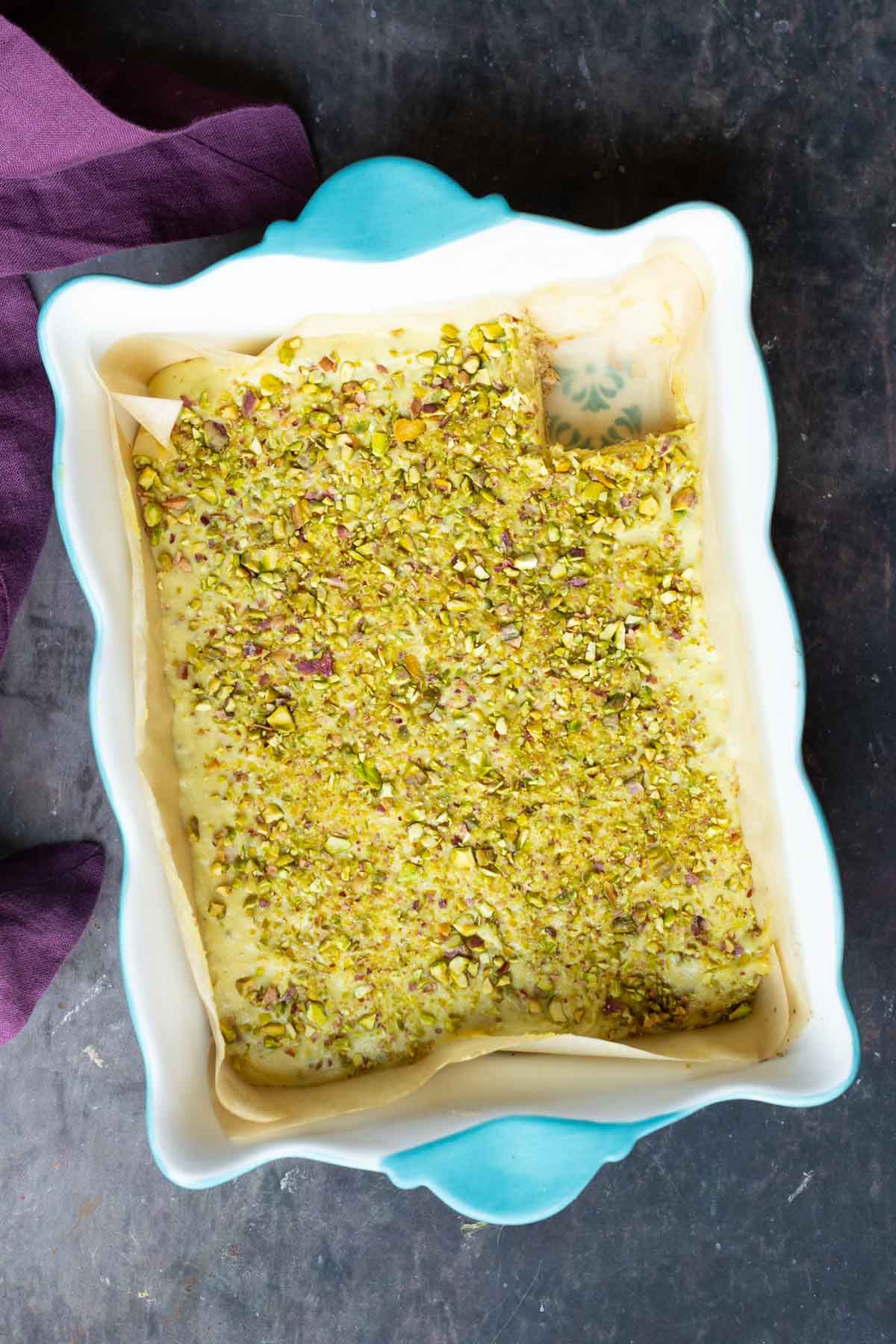
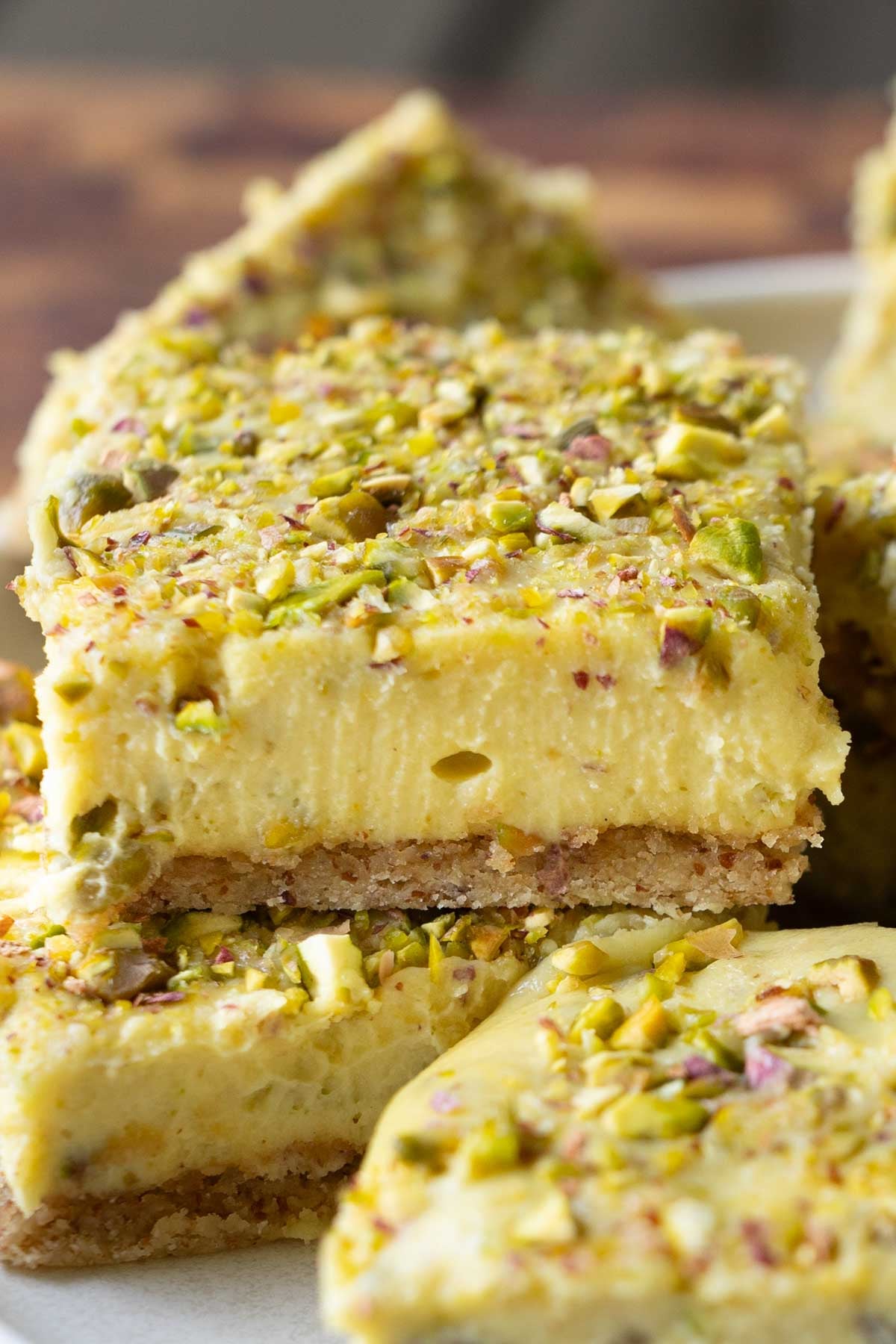
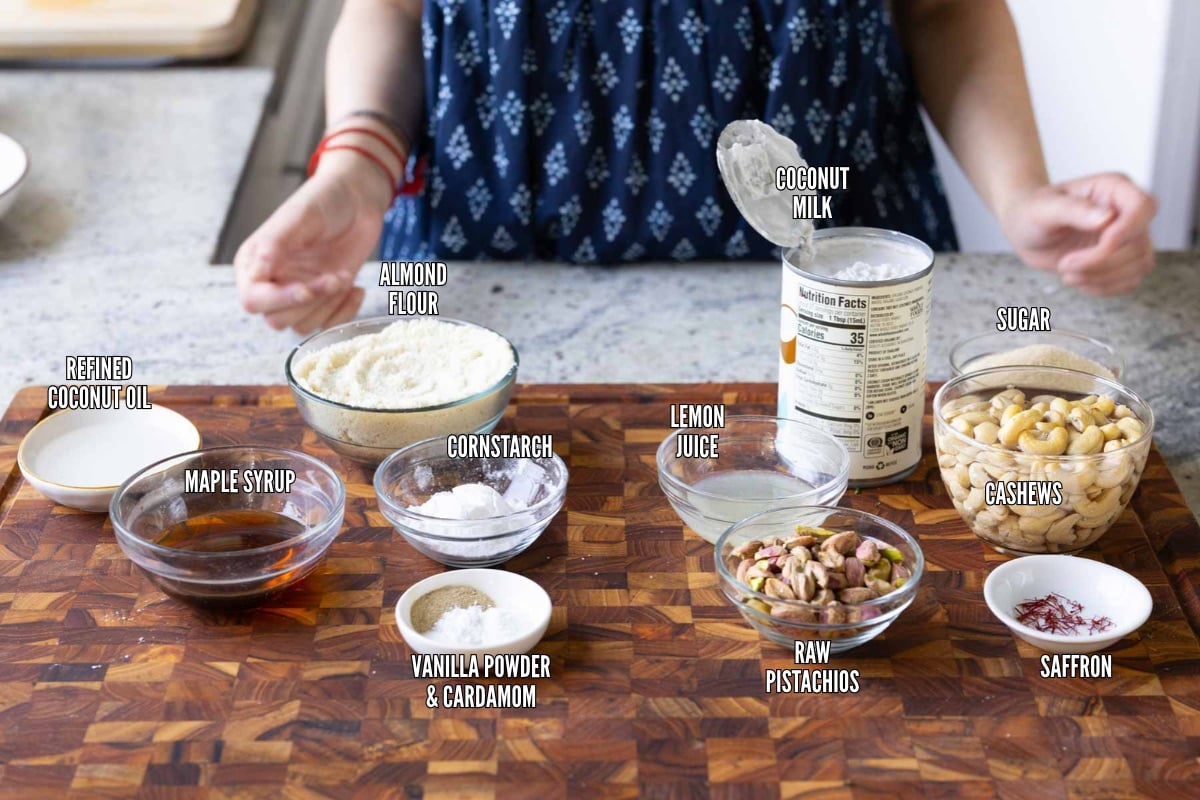
The structural integrity of the bar relies on the science of plant-based thickening. The integration of cornstarch with coconut milk, when subjected to controlled heat, creates a stable emulsion that mimics the set of a traditional custard. The use of tapioca starch in the crust provides the necessary elasticity to prevent the almond flour from crumbling, a common challenge in gluten-free baking. Furthermore, the infusion of saffron into warmed non-dairy milk serves as a technical necessity; the spice requires a liquid medium to release its crocin and safranal compounds, which provide both the vibrant yellow hue and the characteristic floral scent.
Production and Preparation Timeline
The production process for these bars involves a multi-stage, time-sensitive sequence that ensures the final product reaches the necessary consistency for service.
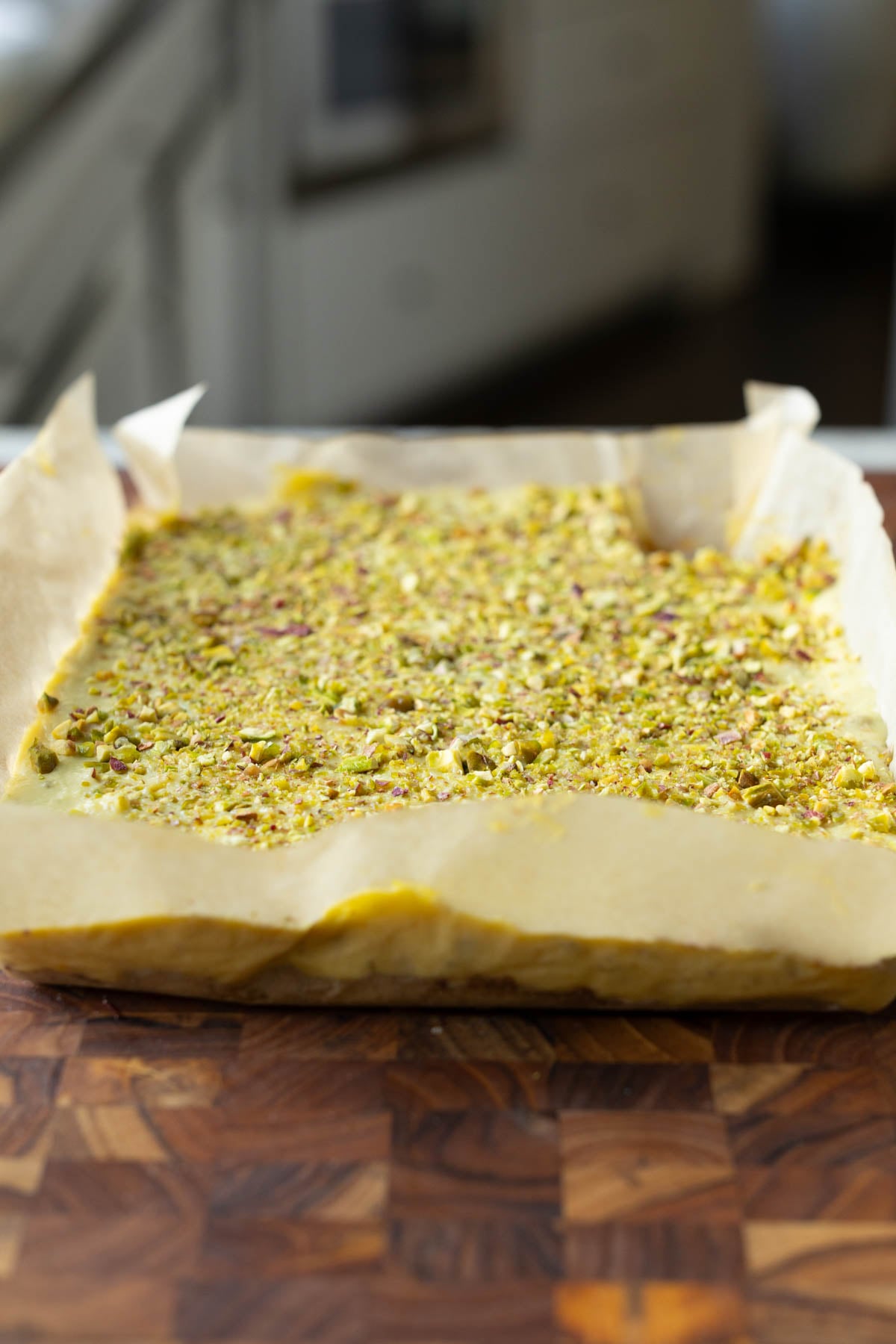
- Crust Development (Minutes 0–15): The process begins with the preparation of the almond flour base, combined with a liquid sweetener and aromatic agents like cardamom. Baking at 335°F (168°C) allows for the Maillard reaction to occur in the nut proteins, providing a golden, firm foundation.
- Emulsion and Infusion (Minutes 15–25): While the crust bakes, the cream base is prepared. The activation of saffron in warm milk is a critical chronological step, requiring at least several minutes of steep time to ensure full flavor extraction before blending with soaked cashews.
- Thermal Thickening (Minutes 25–35): The mixture is transferred to a skillet. Constant agitation is required as the starches gelatinize, creating a smooth, velvet-like consistency.
- Setting and Crystallization (Hours 1–4): The assembly requires a two-phase chilling process. An initial blast-chill in the freezer for one hour accelerates the firming of the coconut fats, followed by a secondary period of refrigeration to stabilize the moisture content throughout the bar, preventing the crust from becoming soggy.
Broader Market Implications
The rise of such dessert alternatives carries significant implications for the hospitality and retail sectors. During major holidays such as Diwali, the demand for "inclusive sweets" has surged. Commercial kitchens and home bakers are moving away from traditional ghee-heavy recipes toward these refined, plant-based versions to accommodate guests with lactose intolerance, celiac disease, and those following vegan lifestyles.
Industry analysts suggest that the "Kesar Pista" concept serves as a gateway for the broader adoption of Ayurvedic-inspired ingredients in mainstream western baking. Saffron, once considered an exclusive luxury, is seeing increased usage in health-focused snacks due to its perceived antioxidant properties. Pistachios, similarly, are being marketed not just as garnishes but as core functional ingredients.
Expert Analysis on Dietary Trends
Nutritionists note that while these bars are a more health-conscious alternative to traditional sugar-heavy, dairy-laden sweets, they remain a caloric-dense food item. The reliance on nuts—specifically cashews and almonds—provides healthy monounsaturated fats, which contribute to satiety. However, the reliance on high-quality, authentic saffron is a limiting factor for mass-market scalability. Genuine saffron remains one of the most expensive spices globally, and its inclusion in a "secretly high-protein" dessert positions this product in the premium tier of the health-food market.
The versatility of the recipe, specifically the option to substitute saffron with turmeric for color and vanilla for flavor, highlights a pragmatic approach to recipe design. This flexibility allows for the maintenance of the "Kesar Pista" aesthetic even when supply chain constraints or budget limitations prevent the use of high-cost aromatics.
Storage and Logistics
From a logistics perspective, the shelf stability of these bars is limited compared to traditional baked goods. Because they rely on a cashew-coconut emulsion, they require cold-chain management. They possess a shelf life of four days under standard refrigeration and up to several weeks when frozen. This characteristic makes them ideal for commercial food services that utilize "grab-and-go" display cases, provided they are maintained at proper temperatures to ensure the integrity of the cream layer.
The recommendation to treat the bars as "ice cream sandwiches" when frozen suggests a shift in how consumers perceive dessert consumption. By offering a product that can be consumed at varying temperatures—ranging from a firm, cold bar to a softer, tempered state—the makers are providing a multi-sensory experience that adapts to the consumer’s preference.
Future Outlook
As the food industry continues to move toward more transparent labeling and ingredient sourcing, recipes like the Kesar Pista bar are likely to become the blueprint for future cultural desserts. The ability to retain the "soul" of a traditional dish—the floral notes of saffron, the crunch of pistachio, and the richness of the nut-based cream—while stripping away common allergens, signifies a maturation in the plant-based culinary space. Whether for religious observances, corporate catering, or individual consumption, the Kesar Pista bar serves as a definitive example of how tradition and modern dietary science can successfully intersect.



0 Komentar
Sampaikan opini dan diskusi yang membangun dengan bahasa yang santun.
No Comments Yet
Be the first to share your thoughts on this story.