Mastering the Flame: Four Decades of Culinary Tradition at Costelão do Gaúcho in Curitiba

The global reputation of Brazilian gastronomy is built upon a foundation of fire, smoke, and exceptional cuts of beef. While coastal cities draw international acclaim for their seafood and metropolitan hubs modernize traditional flavors, the heart of Brazil’s barbecue heritage beats steadily
in the southern plateau. In the city of Curitiba, located in the state of Paraná, culinary institutions continue to preserve methods that predate modern commercial kitchen technology. Among these, Costelão do Gaúcho stands as a testament to endurance, skill, and regional pride, operating for over forty years as a sanctuary for slow-roasted beef ribs.
This establishment has long transcended its status as a local neighborhood steakhouse, functioning instead as a vital repository of southern Brazilian culinary culture. Amid a rapidly modernizing dining landscape, the restaurant maintains a steadfast commitment to traditional preparation techniques, drawing purists, travelers, and multi-generational families to its doors six days a week.
Historical Context and Chronology of the Restaurant
Established more than forty years ago near downtown Curitiba, Costelão do Gaúcho emerged during a period of significant demographic and cultural shifts in southern Brazil. The region’s culinary identity is deeply intertwined with the gaúcho culture of Rio Grande do Sul, characterized by pastoral traditions and open-fire cooking. As urbanization transformed Curitiba into one of the country’s most prominent planned cities, demand for authentic regional comfort food surged.
Operating continuously from just before noon until nearly midnight, Monday through Saturday, the restaurant developed a reputation based on consistency and unyielding quality standards. While many dining establishments adapted to contemporary culinary trends by introducing computerized cooking systems and modern gastronomy techniques, Costelão do Gaúcho preserved its labor-intensive methodology. The operational timeline of the restaurant follows a strict daily rhythm: hours of slow-roasting in specialized back-room chambers, culminating in a theatrical, high-precision carving service performed directly before the patrons at the front of the house.
The Anatomy of Tradition: Preparation and Technique
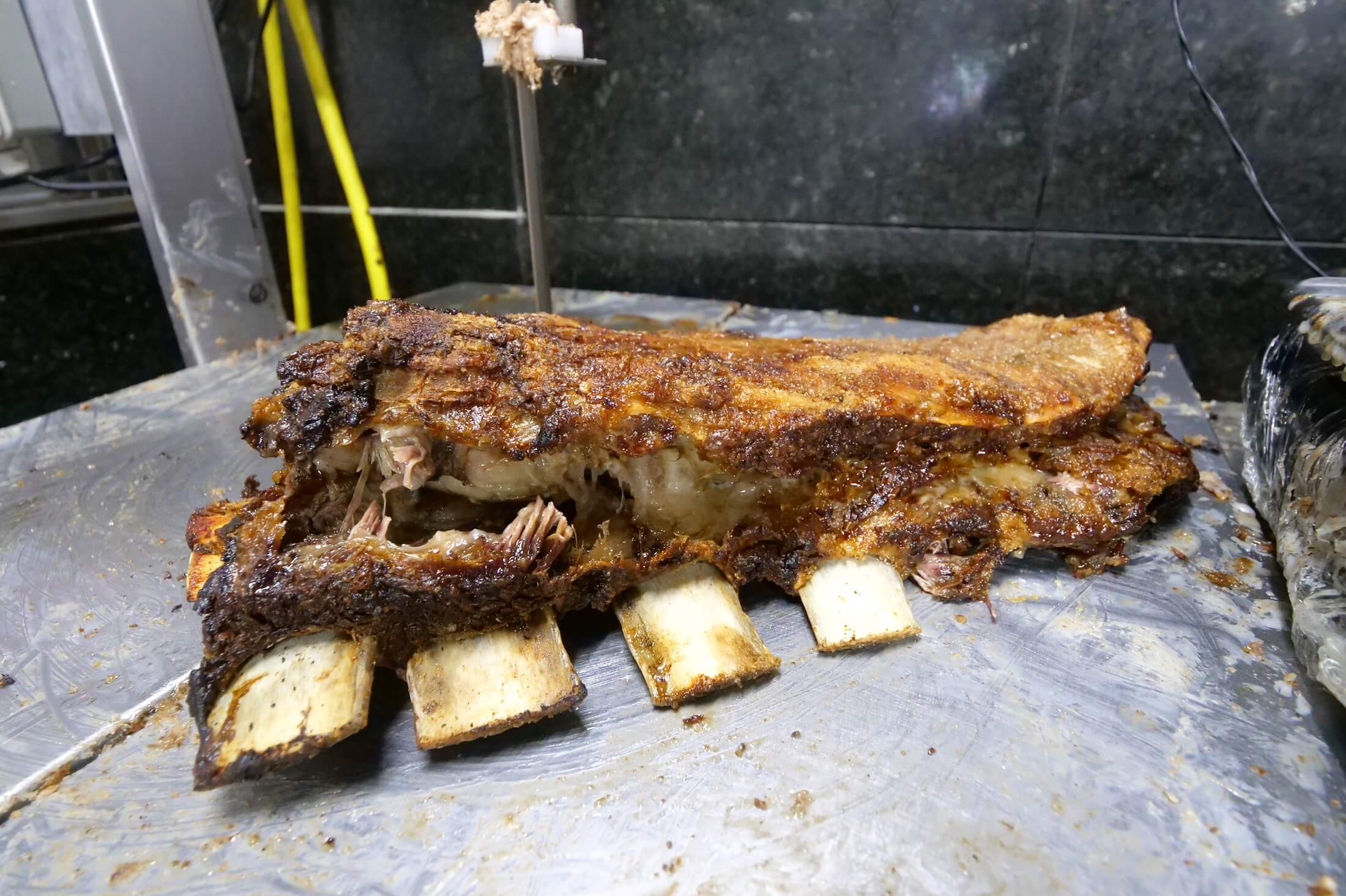
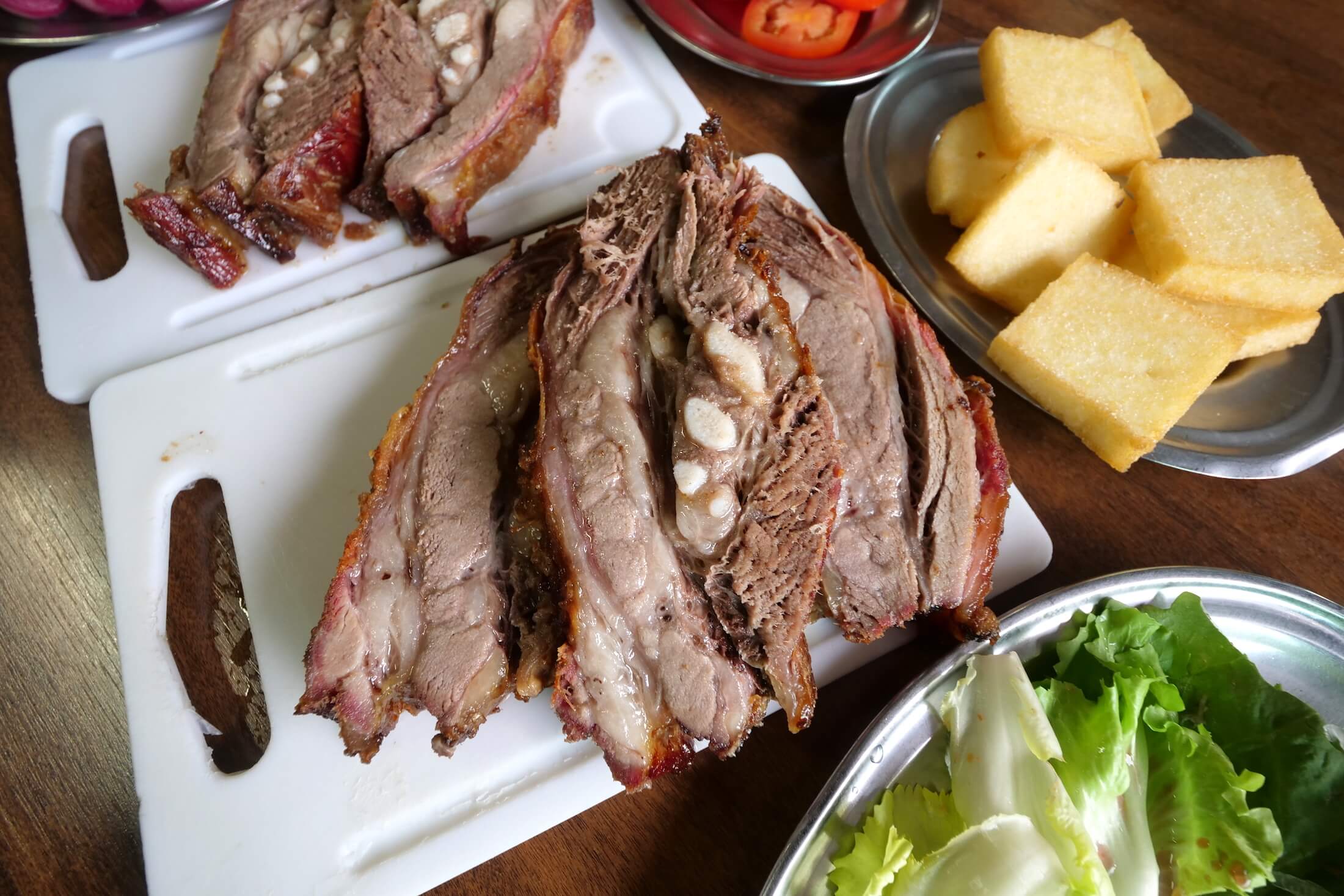
The culinary process at Costelão do Gaúcho begins hours before the first customer crosses the threshold. The distinct aroma of hardwood smoke, which permeates the surrounding neighborhood, originates from a specialized combustion chamber designed to handle massive quantities of beef. Unlike conventional urban grills, the establishment utilizes a multi-tiered charcoal and smoke system capable of accommodating colossal sides of beef ribs, each weighing between 15 and 20 kilograms.
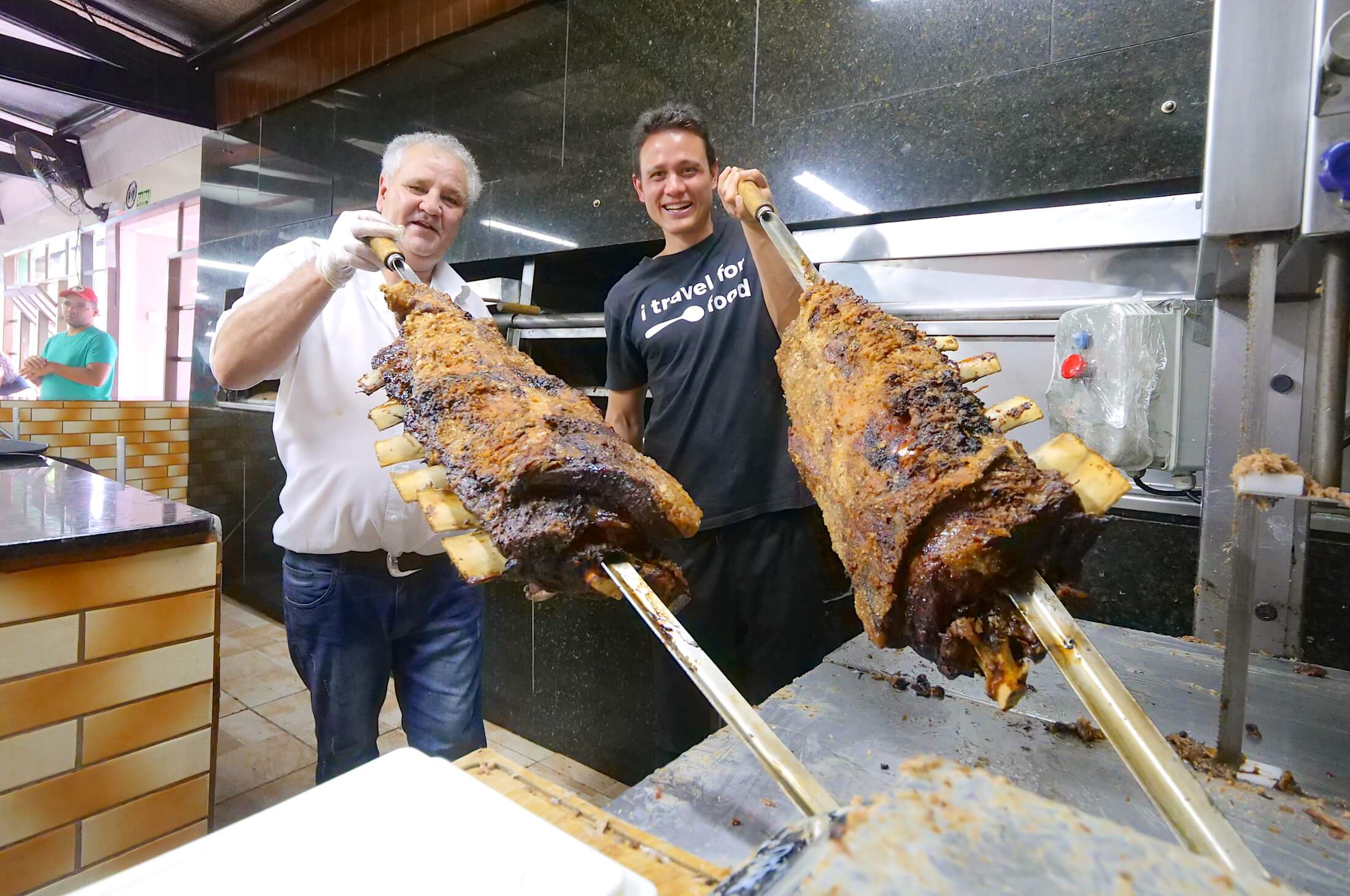
The preparation protocol requires meticulous oversight. Assistant chefs transport the slow-cooked sides from the rear smoking rooms to the front display and service counter. Here, the veteran owner and head chef—a culinary artisan with four decades of experience—conducts a rigorous quality control inspection. Each massive side of ribs, pierced lengthwise by a structural metal skewer resembling a sword, undergoes a tactile and visual evaluation. The chef removes excess salt and trimmings before testing the meat’s tenderness with a precise finger prod, ensuring the connective tissues have broken down entirely during the hours of thermal exposure.
A unique feature of the establishment’s service model is the utilization of a specialized mechanical saw—traditionally found in industrial workshops rather than standard commercial kitchens—to portion the ribs. Navigating 2-3 inch thick bones, dense layers of fat, and delicate muscle fibers, the head chef operates the vertical saw with practiced fluency. Slices measuring approximately 20 ounces (1 kilograms) are cut with precision, yielding clean portions that illustrate the extreme tenderness of the slow-cooked beef.
Service Structure and the "Bottomless" Model
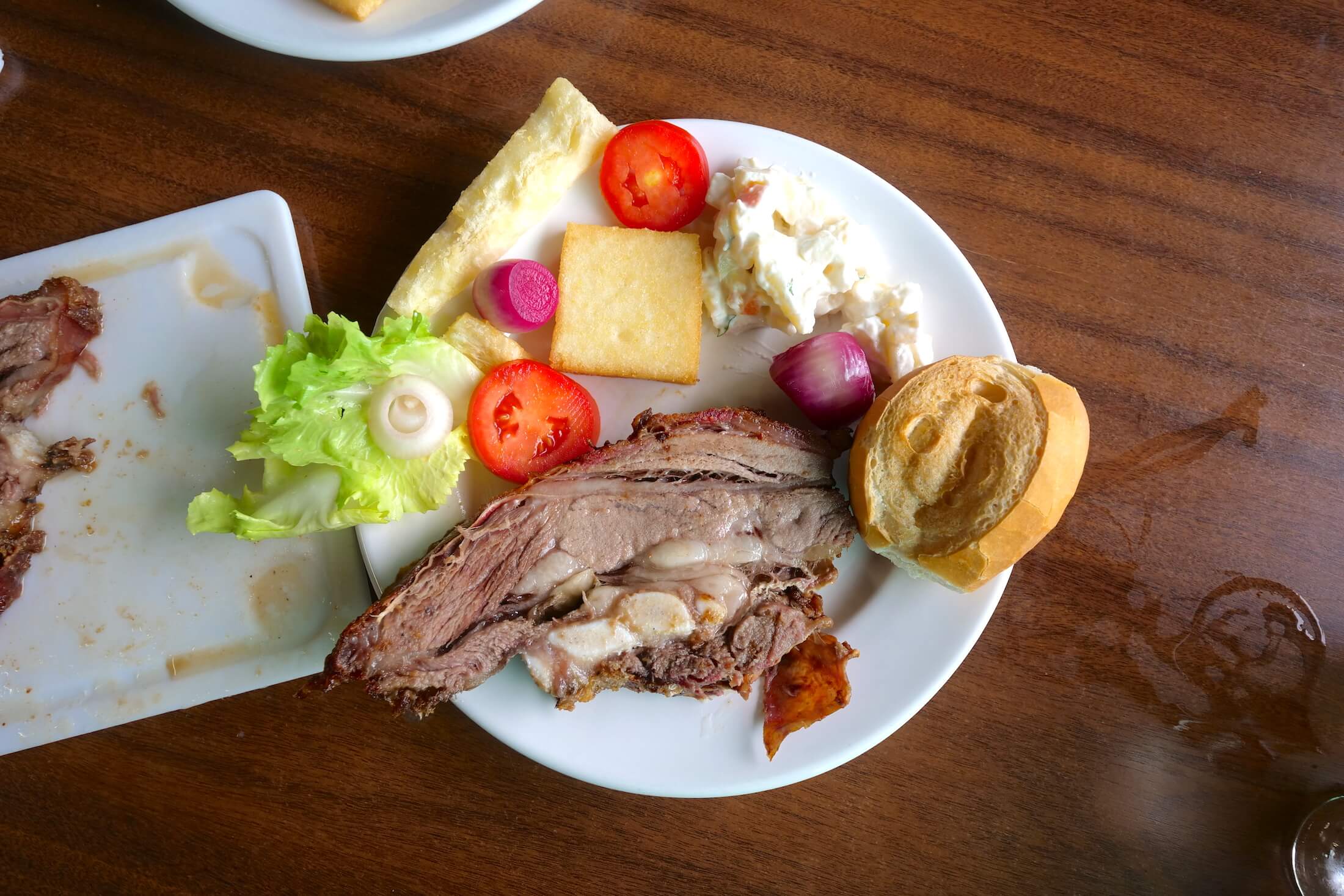
Costelão do Gaúcho operates on a hybrid service model that bridges the gap between traditional a la carte dining and the ubiquitous Brazilian rodízio style. The pricing structure is bifurcated: main cuts of beef are charged strictly by weight, measured on digital scales immediately after being sawed from the primary rib sections. Conversely, the accompanying side dishes operate on a fixed per-head fee, structured around an unlimited, table-served replenishment format.
This service approach enhances the dining experience by eliminating the necessity for patrons to repeatedly leave their seats at a buffet line. Waitstaff circulate continuously through the dining room, delivering fresh trays of side dishes upon request. This format encourages prolonged, unhurried dining, a hallmark of southern Brazilian social culture where meals serve as extended communal gatherings.
Regional Accompaniments and Culinary Staples
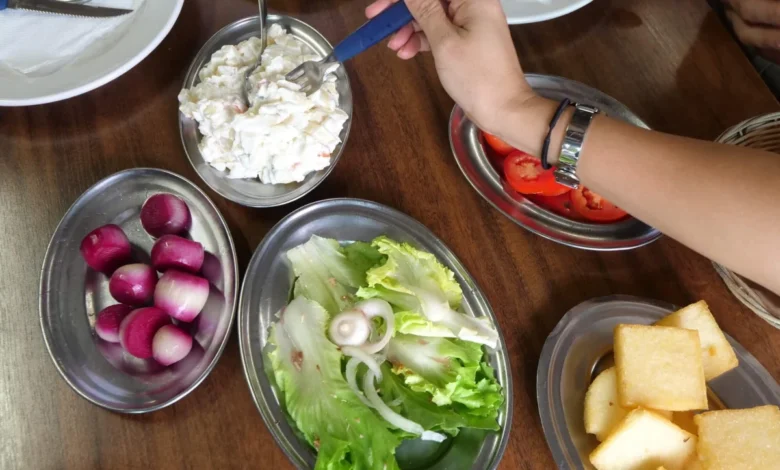
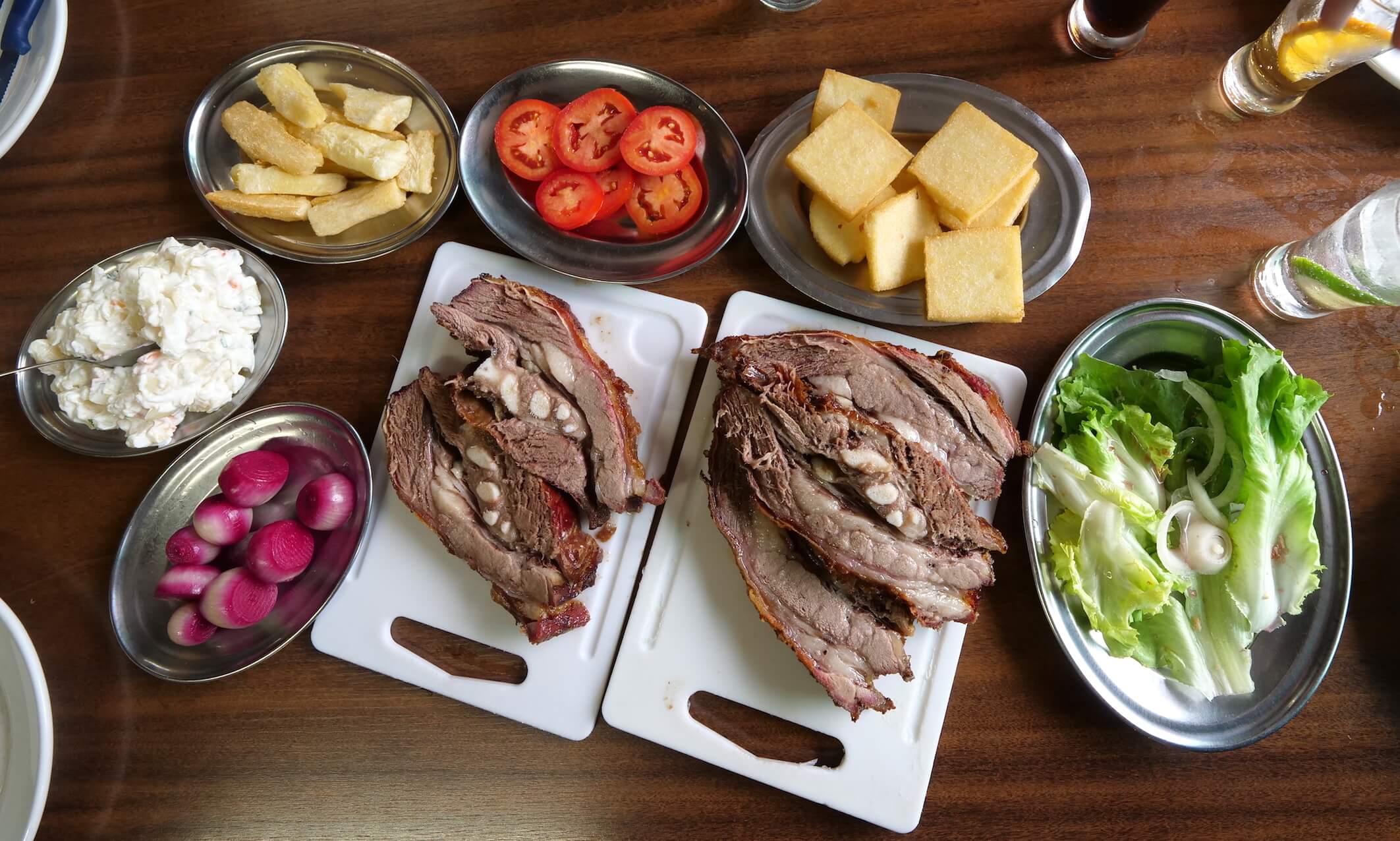
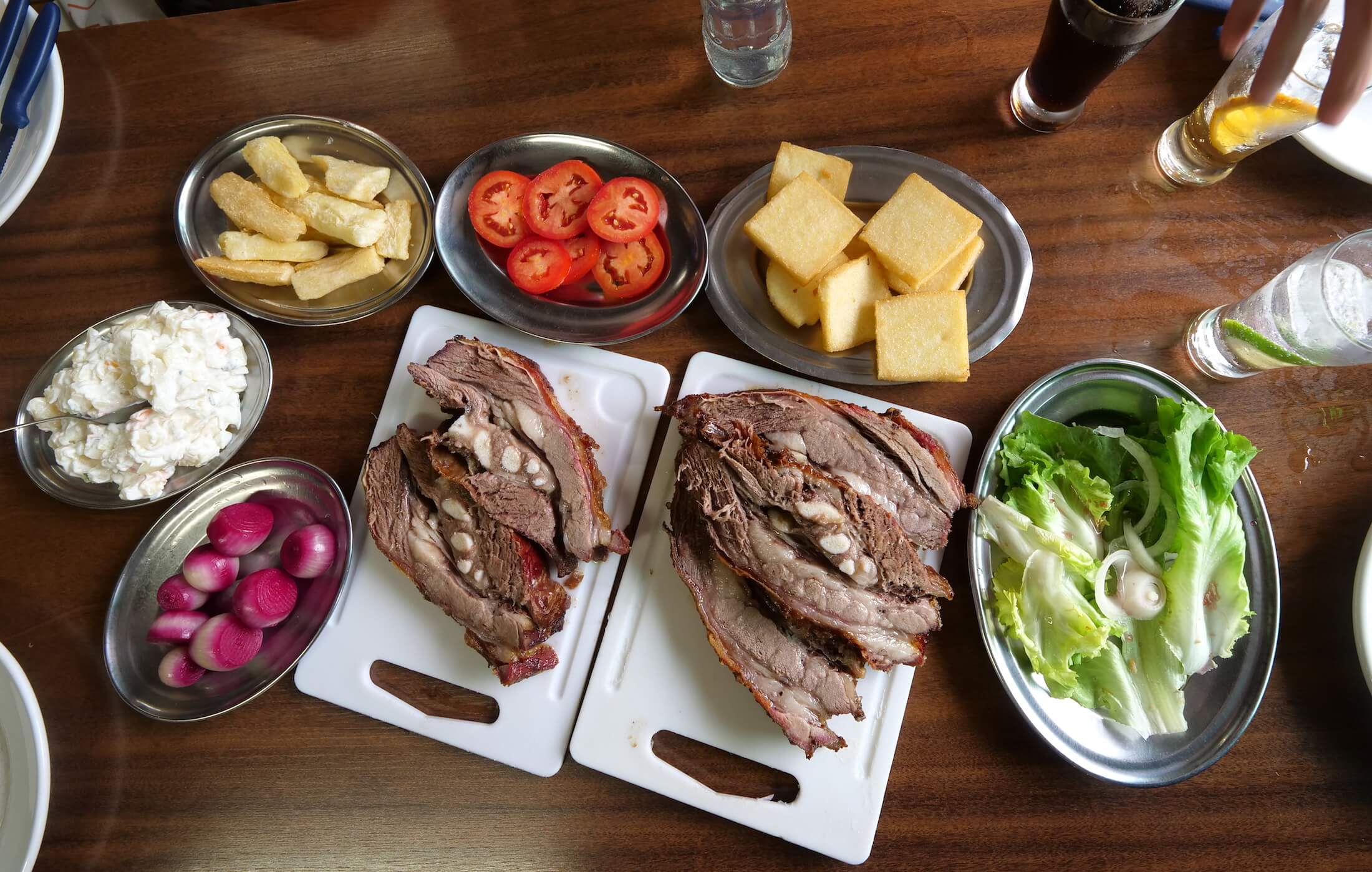
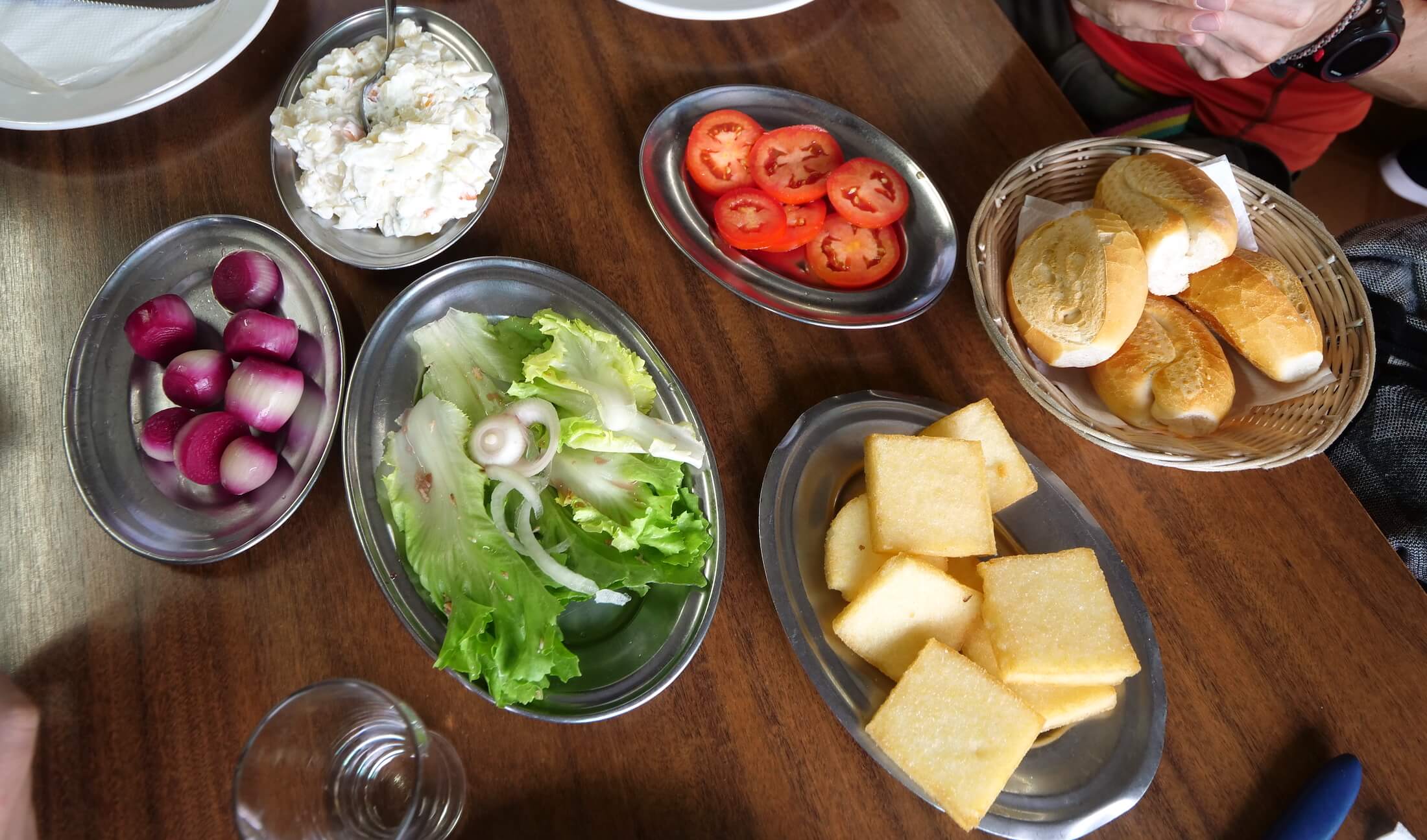
While the beef ribs command the primary focus of the menu, the supporting array of side dishes represents a comprehensive survey of agricultural staples indigenous to the Americas. The meal typically commences with thick, crusty artisanal bread, followed by crisp vegetable dishes dressed in sharp vinegar solutions and thin slices of earthy purple beets.
Among the starch selections, two items dominate: polenta and manioc. The polenta, prepared in thick, deep-fried sticks utilizing a corn-flour base, offers a crisp exterior that contrasts with a soft interior, making it ideal for absorbing pan juices and house sauces. Alongside the polenta is manioc (cassava), a foundational tuber of the South American continent. The manioc is served in golden, translucent pieces characterized by a fibrous interior texture and a naturally savory flavor profile.
Green and purple shallots, lightly seared on the outer layers while retaining a tender, steamed center, emerge as a notable favorite among regular patrons, requiring frequent table replenishment. These side dishes, while subject to minor daily variations, ensure a balanced nutritional profile that complements the heavy protein focus of the main course.
Socio-Economic and Cultural Implications
The enduring success of establishments like Costelão do Gaúcho offers insight into the broader economic and cultural dynamics of regional tourism in Brazil. Gastronomic tourism has increasingly become a primary driver of domestic and international travel, with culinary landmarks incorporated into official state tourism promotion frameworks. Traditional barbecue culture serves not only as an economic engine for local suppliers, including regional cattle ranchers and charcoal producers, but also as a cultural anchor preserving intangible heritage.
Furthermore, the restaurant’s steadfast refusal to commercialize its operations through aggressive digital marketing or widespread media exposure highlights a distinct business philosophy. When approached by media documentarians, the veteran head chef reportedly expressed a preference for operational privacy, noting that the establishment’s existing clientele provides sufficient daily demand. This reluctance to court viral fame underscores a commitment to local community service over speculative tourism booms.
Conclusion and Practical Visitor Information
Costelão do Gaúcho remains an essential destination for culinary historians, food science enthusiasts, and travelers seeking an authentic encounter with southern Brazilian gastronomy. By maintaining rigorous preparation standards, honoring four decades of individual expertise, and preserving traditional architectural and operational layouts, the restaurant offers an unadulterated glimpse into the mechanics of authentic churrasco.
For those planning a visit, the establishment is situated near downtown Curitiba, easily accessible via major transit routes. Operating hours are Monday through Saturday from 11:00 AM to 11:00 PM, and Sunday from 11:00 AM to 4:00 PM. Pricing remains accessible, with meat charged by individual cut weights and side dishes operating on a nominal per-person flat fee, ensuring that this legendary culinary experience continues to be available to both local residents and international visitors alike.
Related posts: