
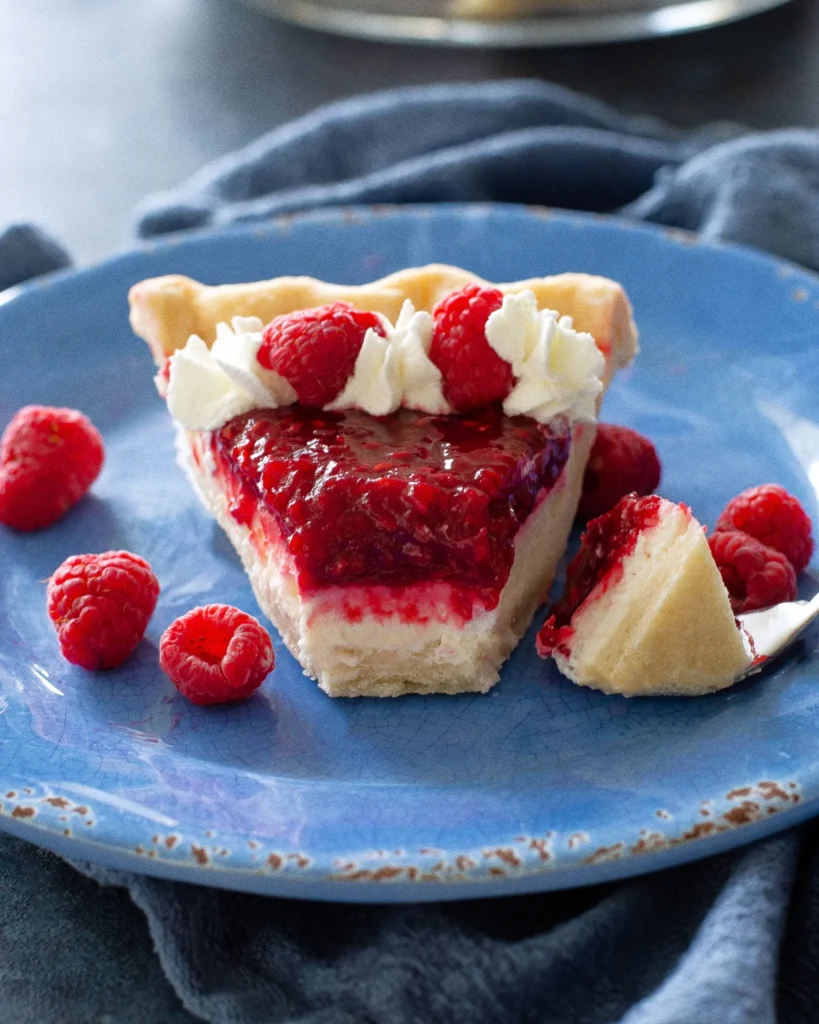
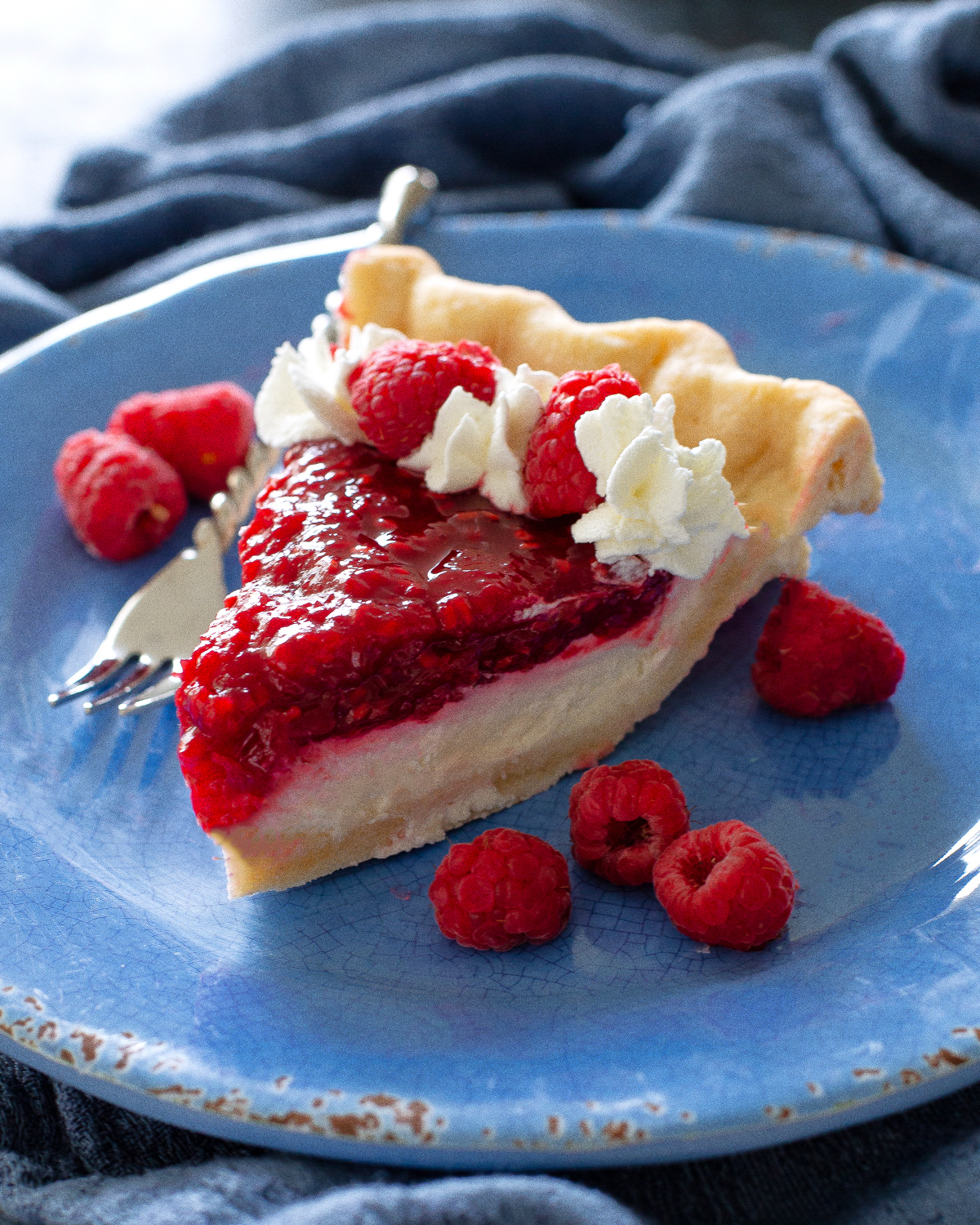
The evolution of modern dessert preparation has increasingly prioritized the intersection of efficiency and flavor profile complexity. Among the notable trends in contemporary baking is the Raspberry Cream Pie, a chilled, multi-layered confection that effectively bridges the gap between the structured nature of traditional pastry and the lighter, aerated qualities of a cheesecake. This dessert, characterized by a crisp crust, a dense, sweetened cream cheese base, and a vibrant, cooked raspberry topping, represents a shift toward "no-bake" filling methodologies that cater to both home kitchens and professional catering environments.
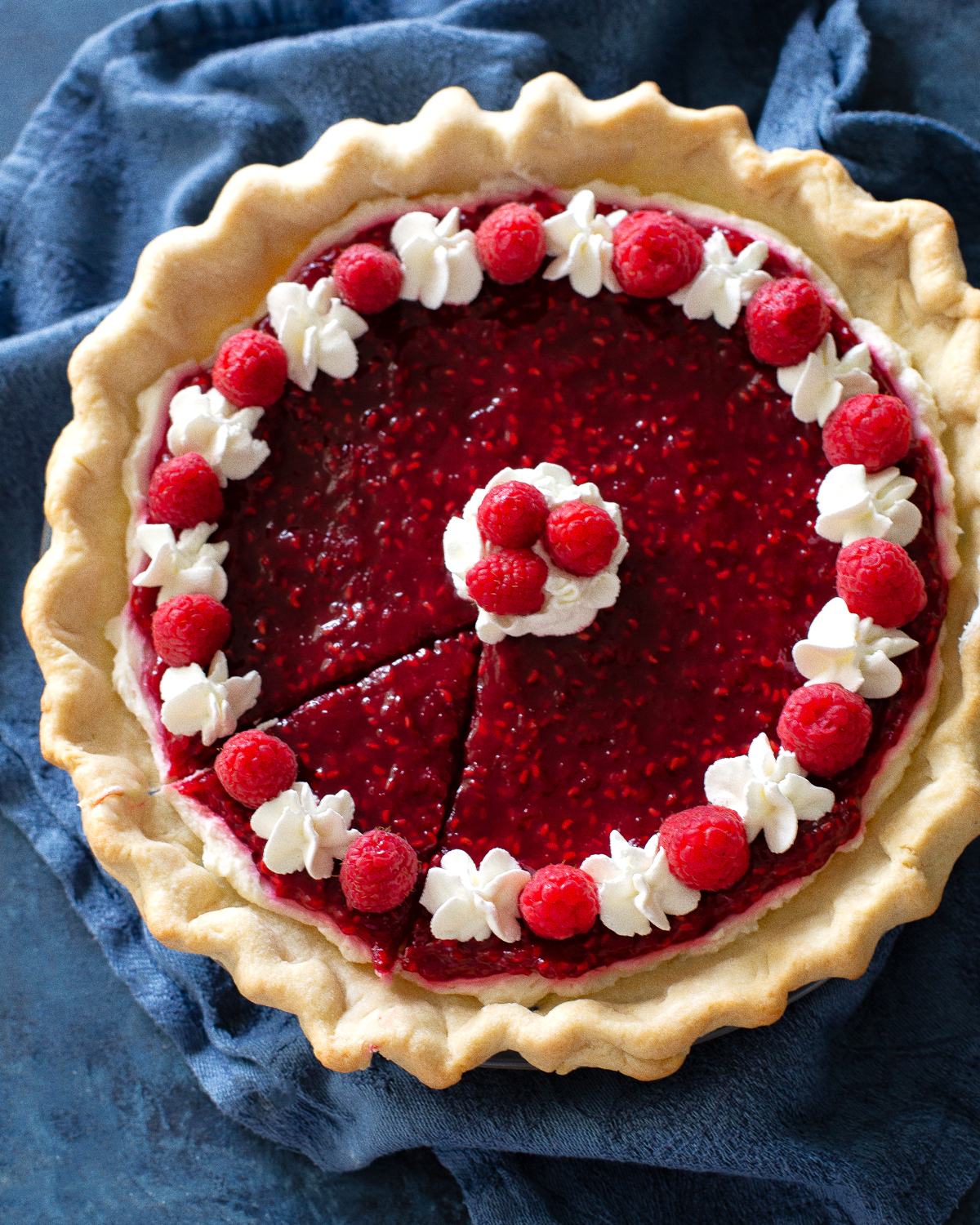
The Architectural Components of the Raspberry Cream Pie
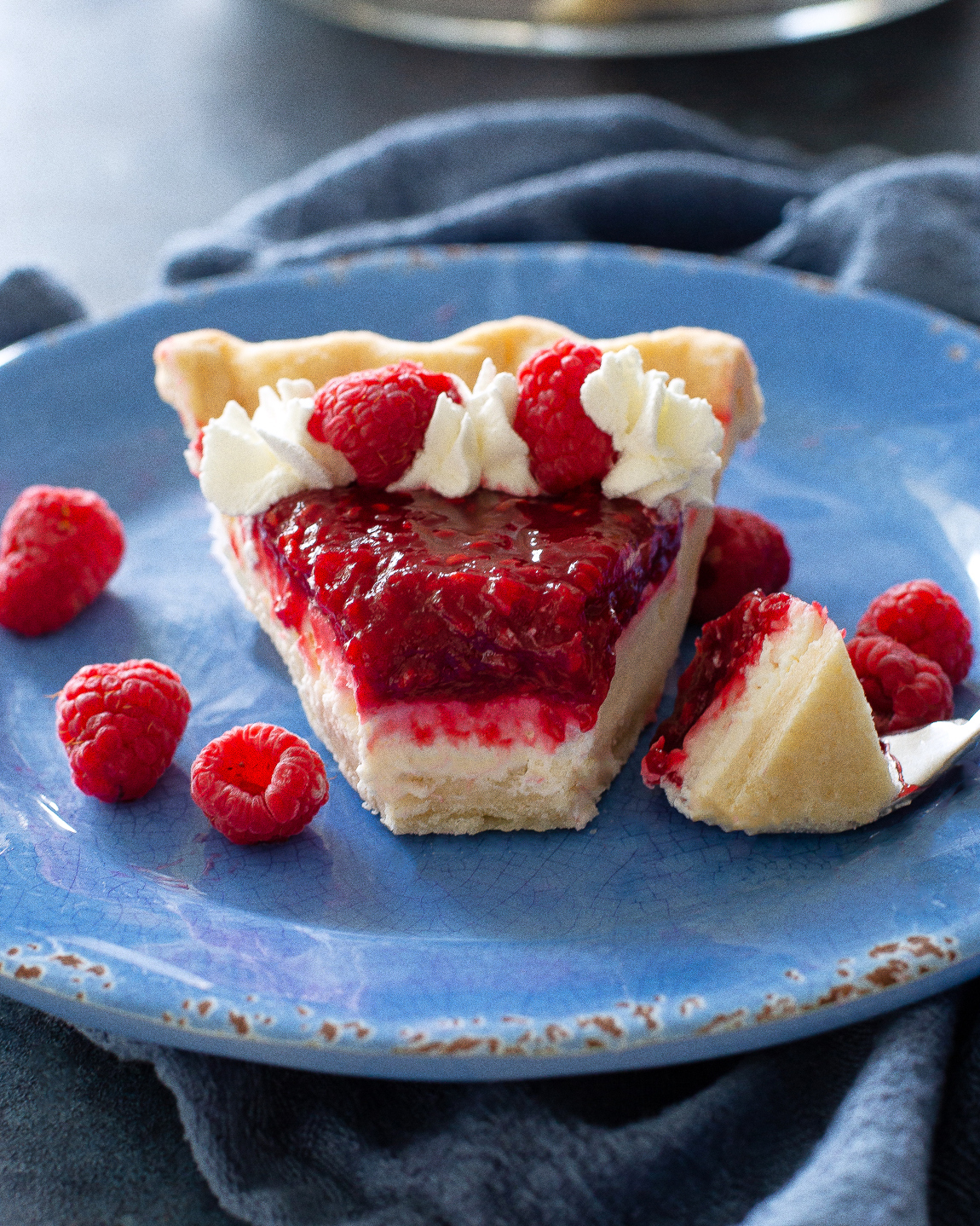
At its core, the Raspberry Cream Pie is defined by a dual-layer architecture. The foundational layer typically consists of a blind-baked, standard flaky pastry crust or, alternatively, a graham cracker crust, which provides a structural contrast to the fillings. The secondary layer is a thickened cream cheese base, often stabilized with sugar and occasionally heavy cream to mimic the mouthfeel of a classic cheesecake. The tertiary layer is a fruit-forward, cooked raspberry reduction, which provides the necessary acidity and "tart" profile to balance the richness of the cream cheese.
From a culinary perspective, the dish serves as a study in equilibrium. The cream cheese provides a high-fat, low-acidity base that acts as a canvas for the bright, polyphenolic-rich raspberry topping. The use of either fresh or frozen berries allows for year-round production, making it a staple for social gatherings ranging from informal domestic meals to large-scale events such as summer barbecues or holiday functions.
Pork Chops With Apples
Chronology and Preparation Methodology
The standard preparation timeline for a professional-grade Raspberry Cream Pie spans approximately 24 hours, primarily due to the essential cooling period required for structural integrity.
- Preparation (Hours 0–1): The crust is either prepared from scratch or sourced. If using a traditional pastry crust, it must be blind-baked to ensure a crisp finish before the filling is introduced.
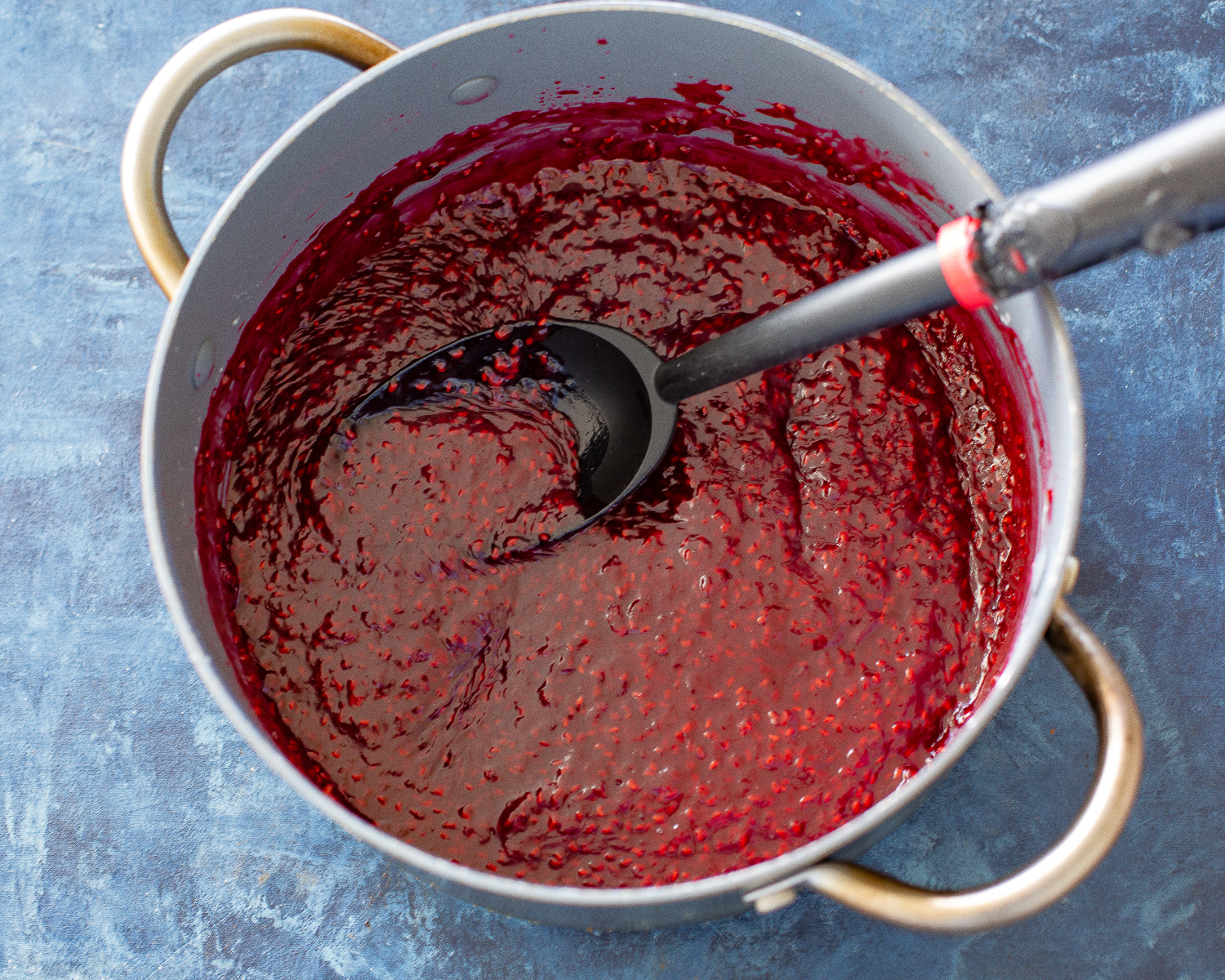
- Filling Assembly (Hours 1–2): The cream cheese layer is blended to a uniform consistency. Simultaneously, the raspberry layer is prepared on the stovetop. This involves heating the berries with sugar and a thickening agent (such as cornstarch or arrowroot) until the mixture reaches a "bubbly" state, indicating that the starch has fully gelatinized.
- Layering (Hour 2): The cream cheese base is spread into the cooled crust, followed by the careful application of the raspberry layer.
- Chilling (Hours 2–18): The pie must undergo a minimum of four hours of refrigeration, though an overnight rest is scientifically preferred. This period allows the pectins in the fruit and the proteins in the cream cheese to set, ensuring that the slice maintains its shape upon serving.
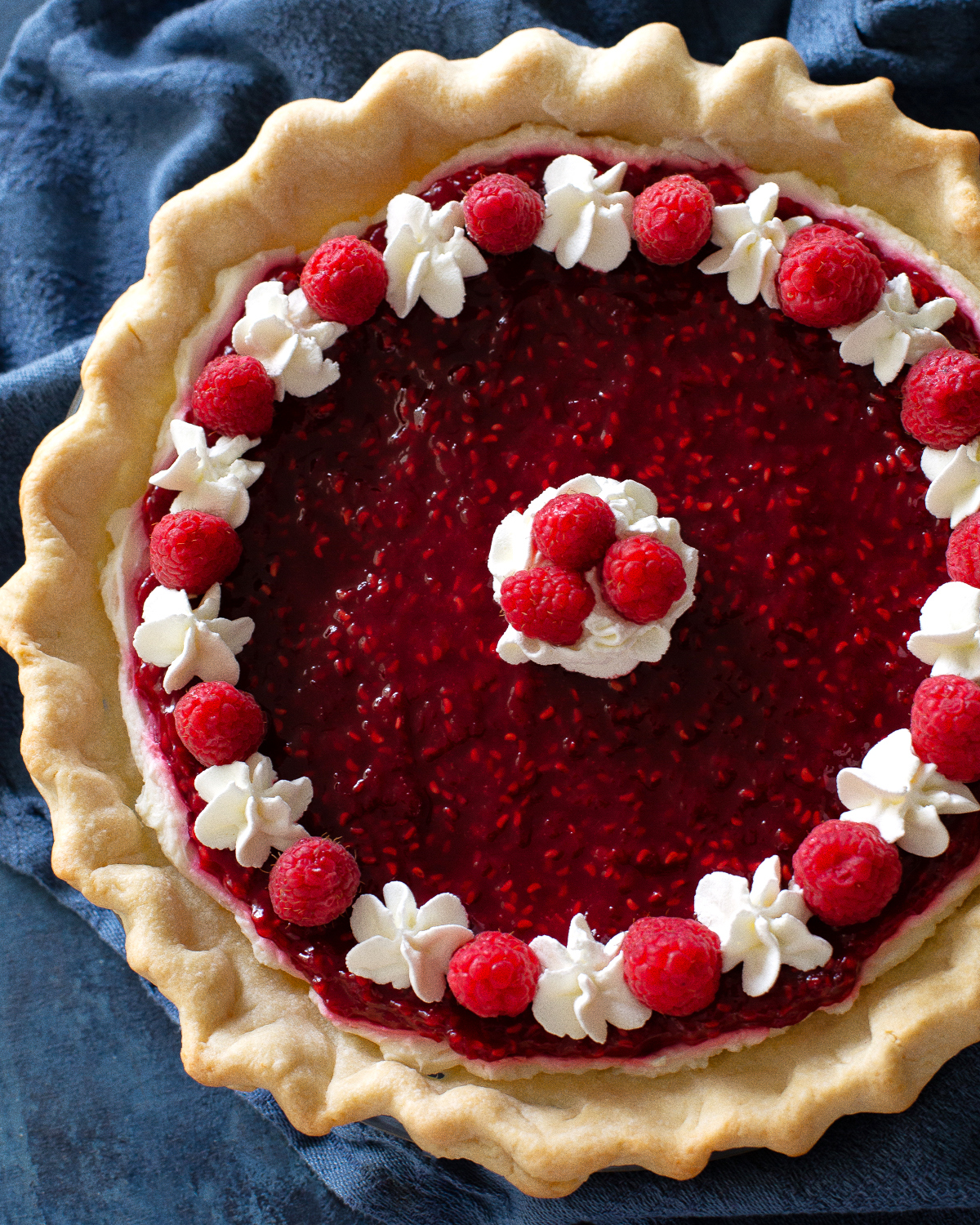
- Final Presentation (Hour 19): Whipped cream is added as a final layer, typically immediately prior to service to prevent the degradation of the foam structure.
Supporting Data and Ingredient Dynamics
The efficacy of the Raspberry Cream Pie lies in the chemical interaction between its components. Raspberries are naturally high in pectin, a structural polysaccharide that assists in the thickening process during the heating stage. When paired with the acidity of the fruit, this allows for a reduced reliance on gelatin, which is often used in commercial chilled pies.
Data regarding home baking trends indicates a steady increase in the consumption of berry-based desserts, particularly those that utilize frozen fruit. According to industry market analysis, the availability of high-quality frozen raspberries allows for consistent flavor profiles regardless of the agricultural season. Frozen berries, when processed in a cooked reduction, perform comparably to fresh varieties, with the added benefit of reduced logistical costs and lower spoilage rates.
Perspectives on Modern Dessert Trends
Culinary experts note that the Raspberry Cream Pie has gained popularity due to its "visual hierarchy." The distinct layers, coupled with the bright pigment of the raspberries, meet the consumer expectation for "Instagrammable" or visually appealing food.
"The shift toward desserts that do not require baking the filling is indicative of a broader trend in culinary arts toward time-efficient preparation without sacrificing quality," notes an industry consultant. "The Raspberry Cream Pie succeeds because it feels artisanal while utilizing processes that are inherently forgiving to the novice baker."
Comparative Analysis: Traditional vs. Contemporary Techniques
While traditional fruit pies often rely on long oven-baking times to cook the fruit and the crust simultaneously, the Raspberry Cream Pie segregates the cooking processes. The crust is handled via dry-heat baking, while the filling is stabilized via cold-chain management (refrigeration). This segregation minimizes the risk of a "soggy bottom," a common failure in traditional fruit pies where the moisture content of the fruit compromises the integrity of the pastry.
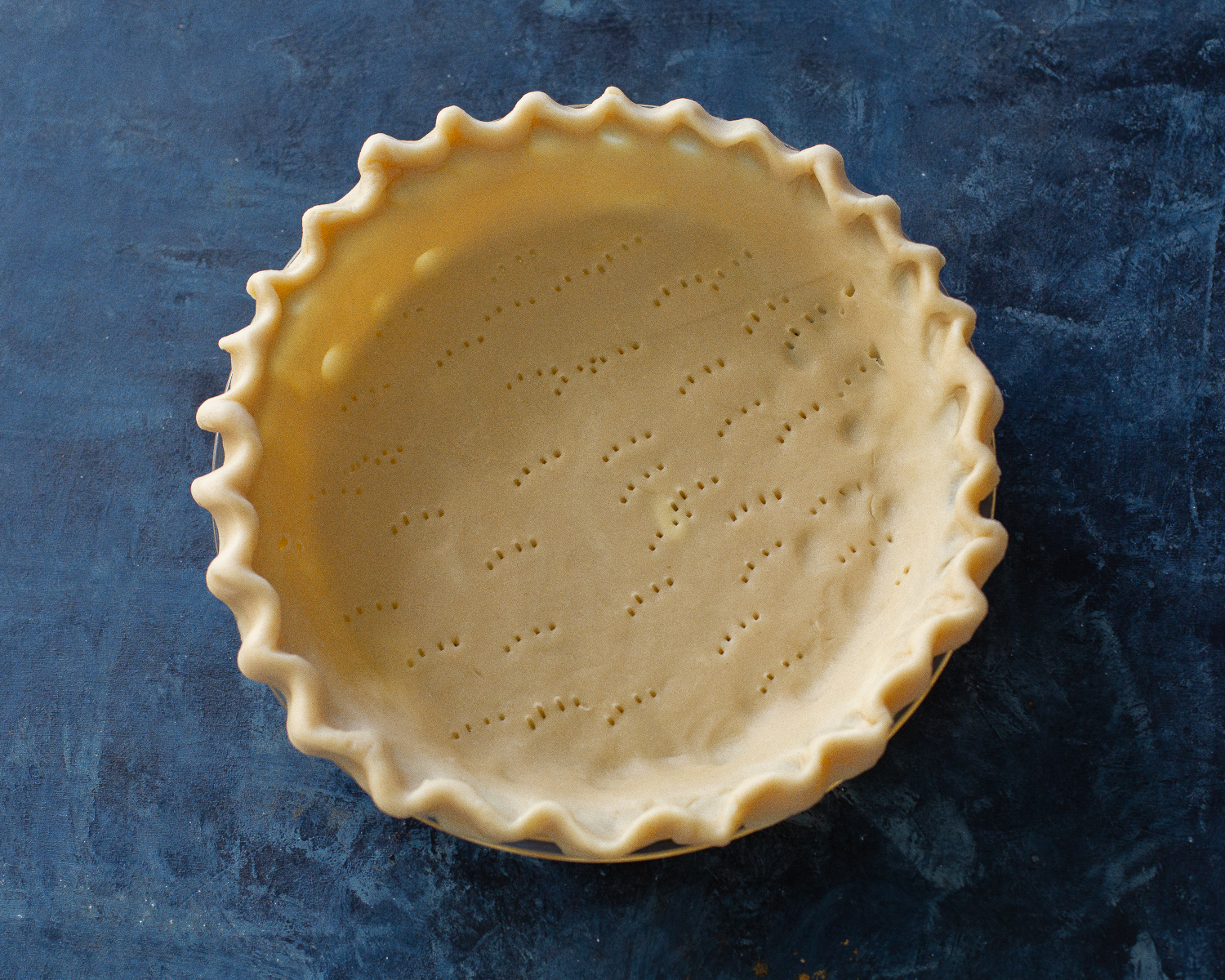
Furthermore, the substitution of a pastry crust with a graham cracker crust has become a standard industry variation. This change removes the need for blind-baking entirely, further streamlining the production process and appealing to a demographic that prioritizes convenience.
Broader Impact and Implications for Food Storage
The storage requirements for this dessert necessitate strict adherence to food safety protocols. Because the pie contains dairy-based cream cheese, it is classified as a Time/Temperature Control for Safety (TCS) food.
- Refrigeration: The product must remain below 41°F (5°C) at all times to inhibit microbial growth.
- Shelf Life: Under optimal conditions, the pie maintains its sensory quality for up to 72 hours. Beyond this timeframe, moisture migration from the fruit layer to the cream layer may lead to a loss of texture and "weeping" of the filling.
- Freezing: For long-term preservation, the pie can be frozen for up to 30 days, provided the whipped cream topping is excluded. Upon thawing, the emulsion within the cream cheese layer may undergo slight structural degradation, though this is often imperceptible to the average consumer.
Summary of Best Practices for Success
For those attempting to replicate the results of professional pastry production, several technical considerations are paramount:
- Thermal Management: Never apply the cooked raspberry topping while it is still hot, as the heat will cause the cream cheese layer to soften and lose its structure.
- The Thickening Point: When cooking the berries, the mixture must reach a consistent, bubbling boil. If the mixture is under-cooked, the pectin will not activate, resulting in a runny topping that lacks the necessary viscosity to hold its position on the slice.
- Ingredient Temperature: When blending the cream cheese layer, the cheese should be at room temperature to ensure a smooth, lump-free consistency.
- Structural Integrity: If utilizing a graham cracker crust, ensure that the butter is fully incorporated into the crumbs and that the base is firmly compressed before chilling, as this is the primary mechanism for preventing the crust from crumbling upon service.
The Raspberry Cream Pie remains a testament to the efficacy of balancing tart fruit acids with fatty, creamy bases. As consumer interest in domestic culinary arts continues to rise, recipes that combine aesthetic appeal with reliable, simplified methodology—such as this two-layer approach—are expected to maintain their position as staples in the contemporary dessert repertoire. By adhering to the principles of proper setting times and ingredient quality, the result is a versatile dish that fulfills the requirements of both aesthetic presentation and gustatory satisfaction.






0 Komentar
Sampaikan opini dan diskusi yang membangun dengan bahasa yang santun.
Belum Ada Komentar
Jadilah yang pertama memberikan tanggapan mengenai berita ini.