Culinary Profile and Preparation Standards
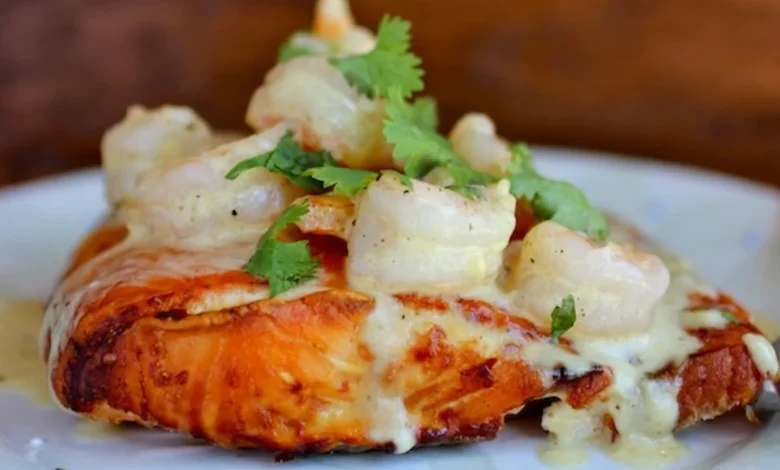
At its core, this recipe relies on the high-quality protein of Atlantic or Pacific salmon, seasoned with aromatics and roasted at precise temperatures to maintain structural integrity. The signature element, the shrimp sauce, is typically prepared as a reduction incorporating heavy cream, garlic, and sautéed shrimp, resulting in a savory emulsion that highlights the natural salinity of the shellfish.
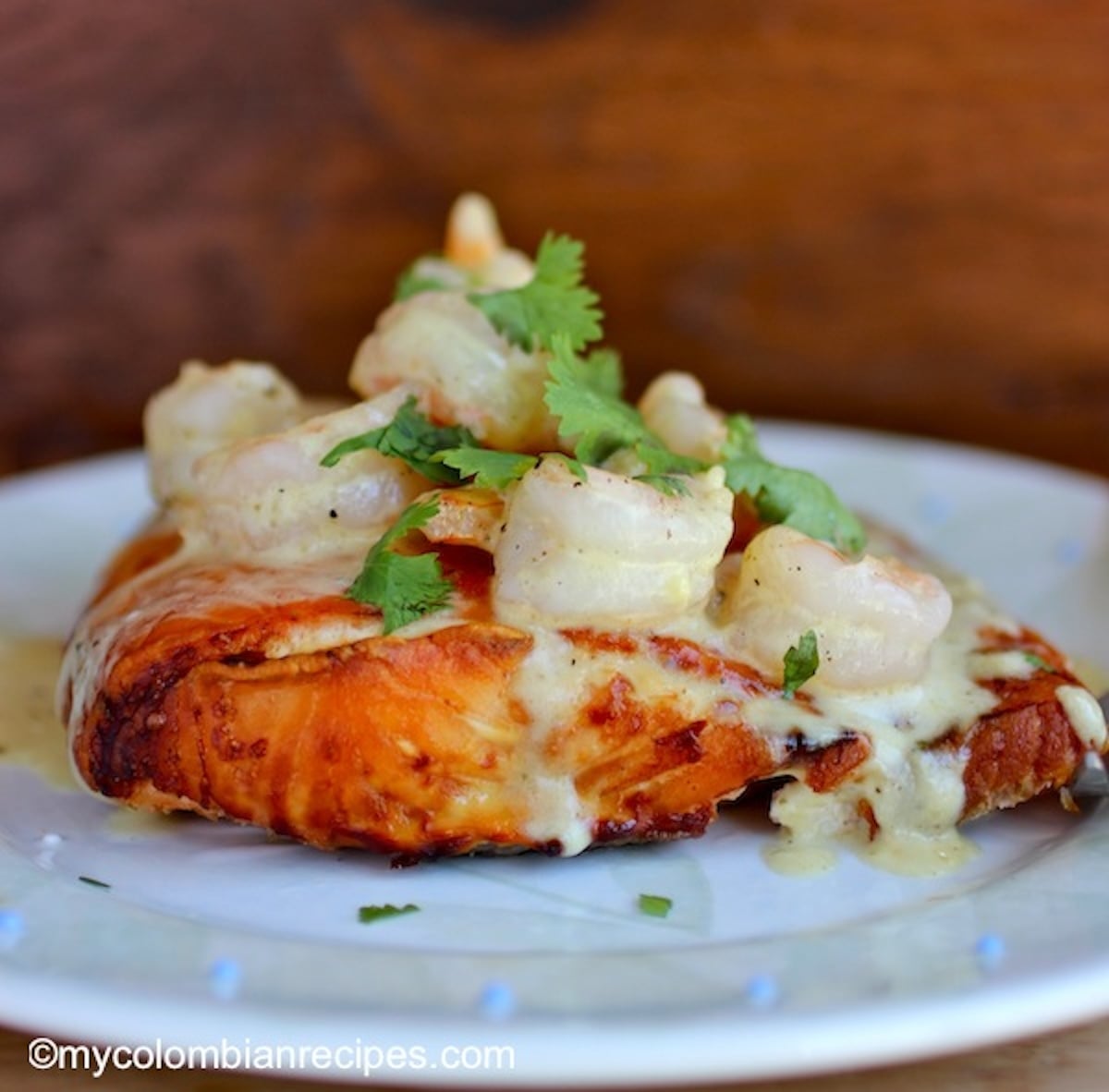
From a nutritional perspective, this dish serves as a significant source of high-quality protein and Omega-3 fatty acids. According to standard dietary data, a single serving of salmon with shrimp sauce contains approximately 530 kilocalories, with a protein content reaching upwards of 64 grams. This makes it an efficient meal choice for individuals seeking nutrient-dense options without excessive carbohydrate intake, which sits at roughly 15 grams per portion.
Historical Context and Regional Influence
While salmon is not a native species to the tropical waters of Colombia, the integration of salmon into Colombian cuisine reflects a broader global shift in culinary preferences. The recipe exemplifies the "fusion" trend that has permeated Latin American home cooking, where traditional techniques—such as the use of aromatic sofrito bases or the pairing of seafood with starchy sides like coconut rice and patacones (fried green plantains)—are applied to international ingredients like salmon.
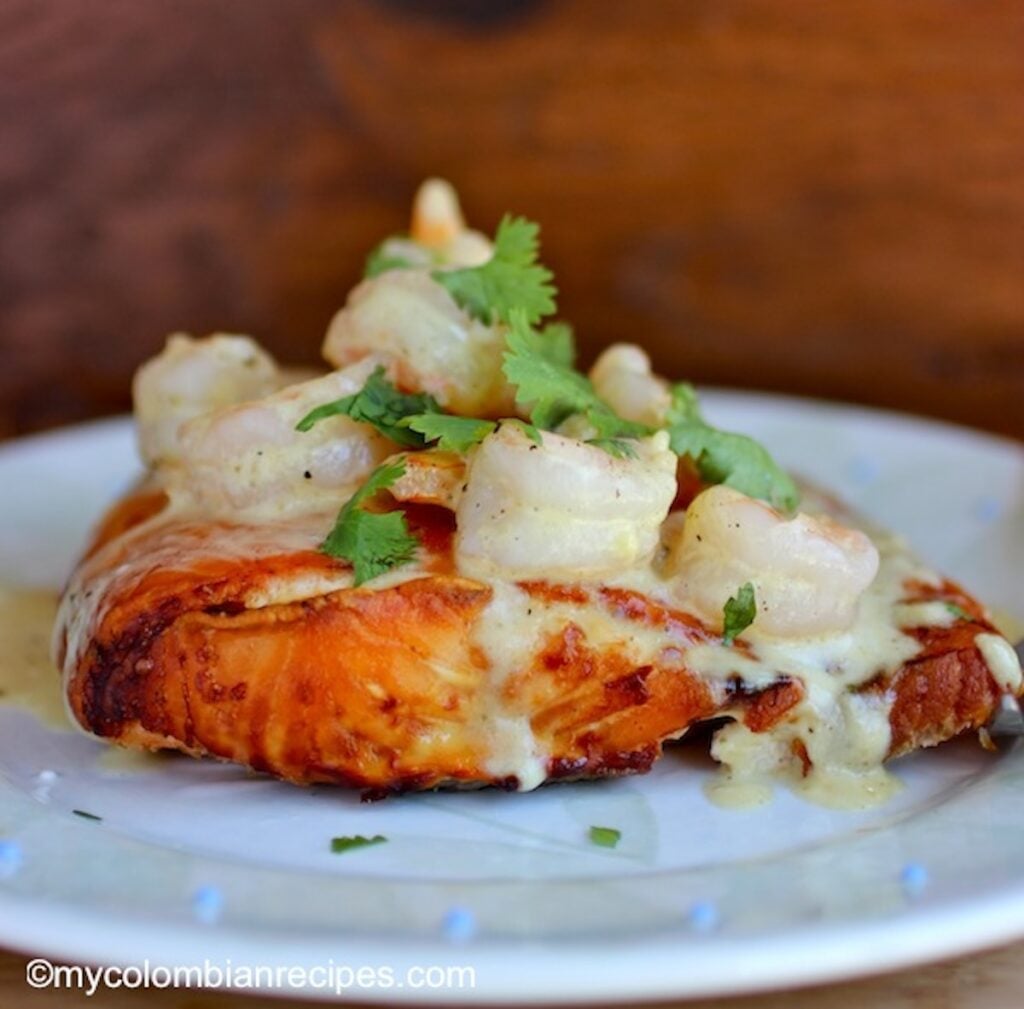
The origins of this specific preparation can be traced to the evolving domestic landscape, where home cooks look to bridge the gap between "everyday" meals and "special occasion" dishes. By utilizing the quick-cooking properties of shrimp to enhance a standard salmon fillet, cooks can achieve a restaurant-quality finish in under 30 minutes, a factor that has contributed to its widespread adoption in households across North and South America.
Technical Cooking Methodology
The preparation process involves a dual-phase cooking method. First, the salmon fillets are seasoned and baked. The standard professional recommendation involves an oven temperature of 375°F to 400°F (190°C to 200°C). This temperature range ensures that the salmon reaches an internal temperature of 145°F (63°C) without compromising the moisture of the fish.

Concurrent with the baking process, the shrimp sauce requires careful heat management. The shrimp are typically sautéed in a skillet until they turn opaque. The sauce base is then constructed by deglazing the pan and incorporating dairy or a reduction agent to create a thick, consistent sauce. The goal is to avoid breaking the emulsion, which occurs if the sauce is subjected to excessive heat or improper whisking. Culinary experts note that the sauce should be applied to the salmon only at the moment of service to ensure that the texture remains smooth rather than curdled.
Economic and Dietary Implications
The rise of recipes like Salmon with Shrimp Sauce mirrors broader economic trends in food consumption. With the rising cost of dining out, consumers are increasingly seeking "at-home luxury." This dish provides a high-perceived-value meal, which is often significantly more cost-effective when prepared at home than when purchased in a professional dining establishment.
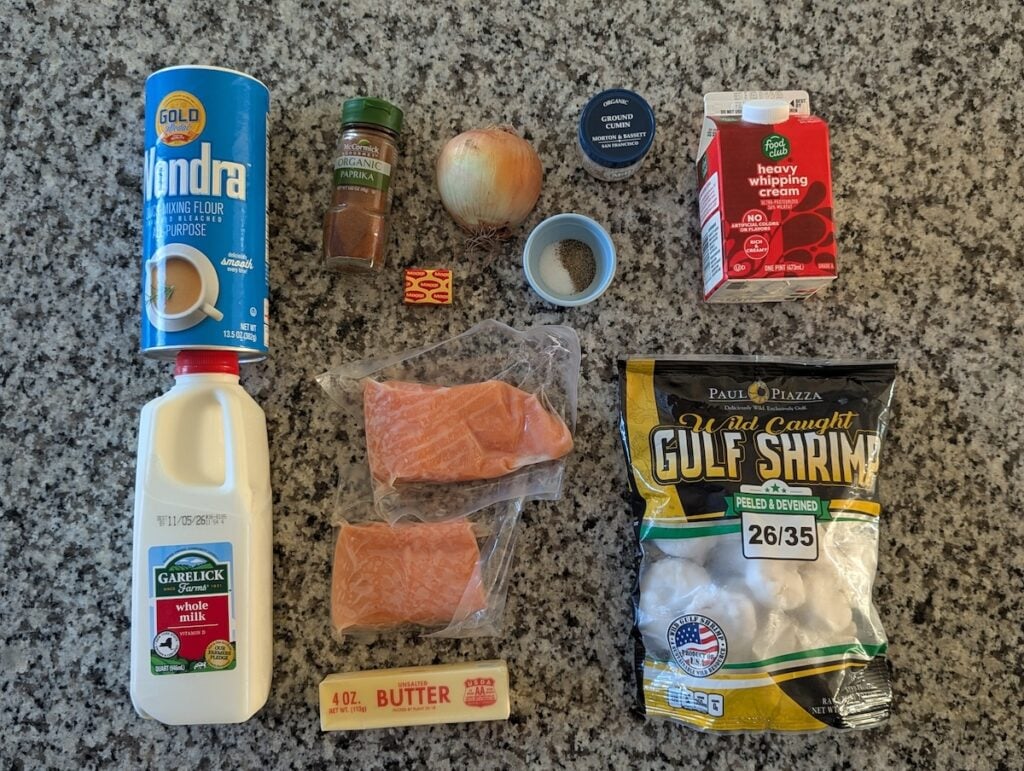
Furthermore, the dish aligns with current health recommendations favoring the Mediterranean diet, which emphasizes fish and healthy fats. The inclusion of shrimp, while higher in cholesterol than some other proteins, contributes essential minerals, including selenium and iodine, which are often lacking in modern Western diets. The sodium content of this dish remains moderate—often around 296 mg—depending on the quantity of added salt and seasoning, allowing for better control of intake compared to restaurant versions, which often utilize excessive sodium for flavor enhancement.
Serving Suggestions and Accompaniments
In traditional culinary applications, the pairing of salmon with shrimp sauce is balanced by side dishes that provide texture contrast. The use of coconut rice, a staple in coastal Colombian regions, provides a sweet, aromatic counterpoint to the savory, umami-rich sauce. Meanwhile, the addition of fried green plantains offers a necessary crunch that complements the soft, buttery texture of the baked fish.

Professional chefs often suggest that the acidity of fresh citrus—such as lime or lemon juice—be incorporated into the final plating. This acidity cuts through the richness of the creamy sauce, brightening the palate and creating a more balanced flavor profile. Avocado, another traditional side, adds monounsaturated fats that round out the nutrient profile of the meal.
Scalability and Meal Planning
For those managing busy schedules, the dish offers moderate flexibility. While the salmon itself should always be cooked fresh to prevent oxidation and loss of texture, the base of the shrimp sauce can be prepared in advance. Culinary consultants advise that the sauce be stored in an airtight container for no more than 48 hours. When reheating, it is imperative to use low heat to avoid separating the fats from the proteins in the cream base.

The scalability of the recipe is high; it is as effective for an intimate dinner for two as it is for a formal gathering of eight or more. Because the ingredients are readily available in most major grocery chains, it remains a reliable "go-to" for hosts who need to minimize time spent in the kitchen without sacrificing the aesthetic or gustatory quality of the meal.
Summary of Nutritional Data
For those tracking intake, the following data points serve as a baseline for a standard serving of this dish:

- Protein: 64g
- Total Fat: 23g (of which 9g is Saturated)
- Carbohydrates: 15g
- Cholesterol: 316mg
- Sodium: 296mg
- Potassium: 1460mg
These figures indicate that while the dish is high in cholesterol, primarily due to the shrimp, it is exceptionally high in protein and potassium, making it an excellent post-exercise meal or a substantial dinner for those with high metabolic requirements.
Final Considerations for Success
To achieve optimal results, the quality of the raw ingredients cannot be overstated. When selecting salmon, experts look for firm flesh with a vibrant color and a fresh, oceanic scent. Similarly, for the shrimp, opting for deveined, shell-off varieties can significantly reduce prep time. If the shrimp are frozen, they must be thawed completely and patted dry before they touch the hot skillet; excess moisture on the shrimp will prevent proper searing, resulting in a steamed, rubbery texture rather than the desired caramelized exterior.

The popularity of this dish shows no signs of waning as it continues to satisfy the modern consumer’s desire for efficiency, health, and flavor. By mastering the fundamental techniques of baking the salmon and creating a stable, creamy sauce, home cooks can elevate their repertoire and provide a dining experience that competes with professional standards. Whether serving it as a weeknight indulgence or the centerpiece of a celebratory dinner, this recipe remains a versatile and reliable choice in the modern kitchen.
Related posts: