
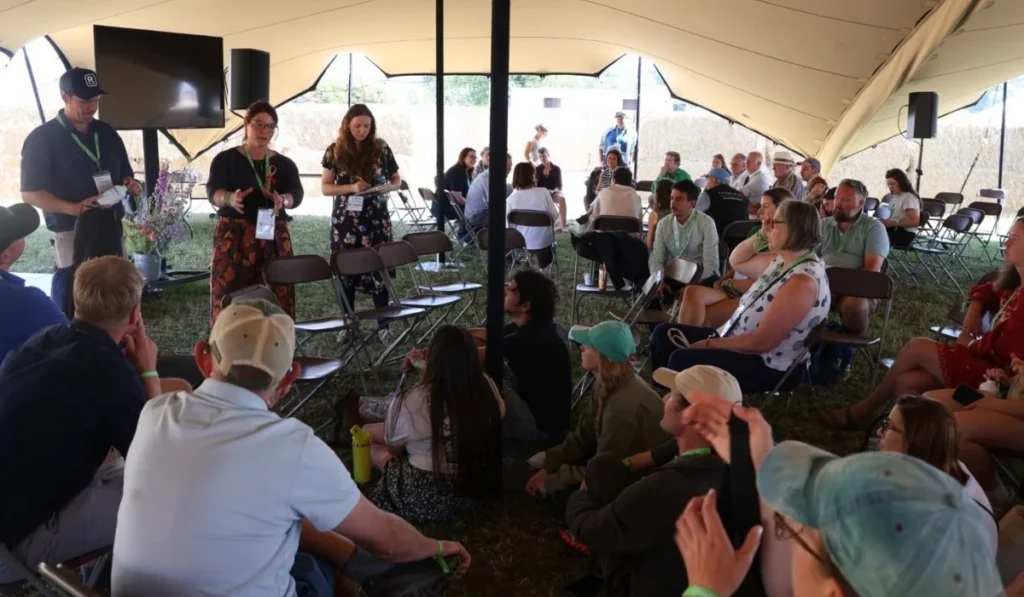
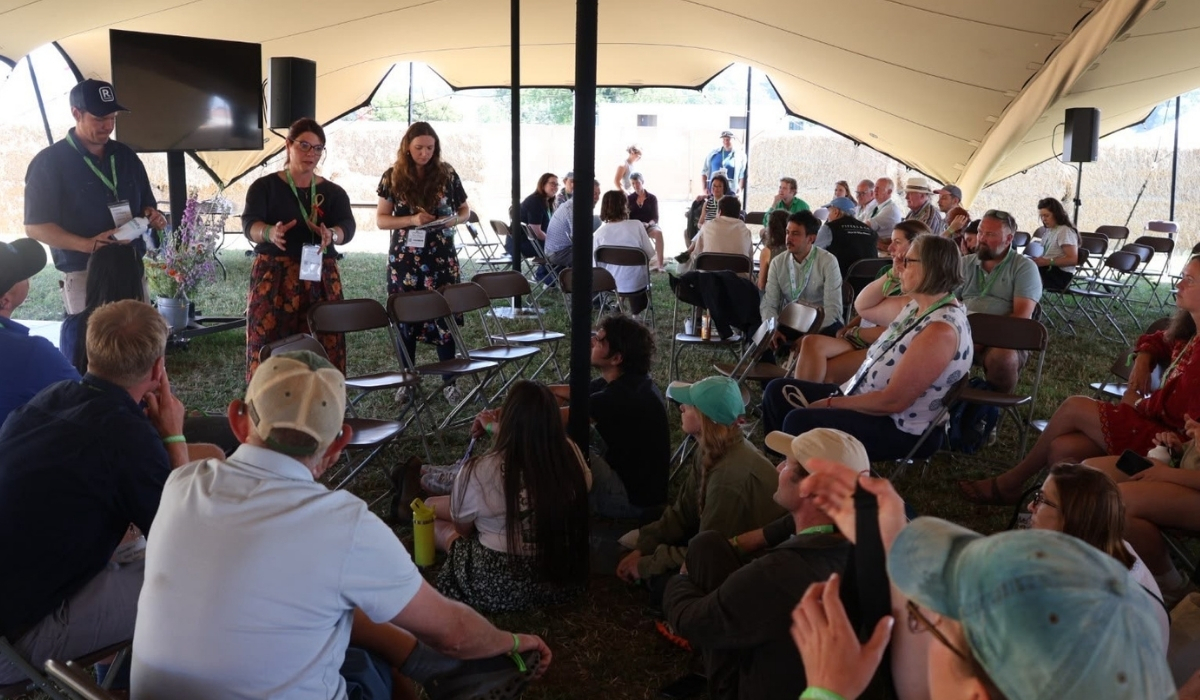
The structural integrity of the UK’s meat supply chain has faced mounting pressure over the last decade, characterized by a steady decline in the number of small, local abattoirs. This systemic contraction poses significant challenges for farmers who prioritize animal welfare, short supply chains, and high-quality, traceable produce. At Groundswell 2026, the Sustainable Food Trust (SFT) convened a pivotal session titled "Solutions for Local Slaughter: Small Abattoirs in Local Meat Supply Chains," chaired by Megan Perry, the SFT’s Head of Policy and Campaigns. The session served as a clearinghouse for ideas, addressing the regulatory, financial, and logistical hurdles that currently stifle the growth of decentralized slaughter infrastructure.
The Landscape of Decline: A Chronology of Crisis
To understand the urgency of the discussions at Groundswell 2026, one must examine the timeline of the industry’s consolidation. In 1970, the United Kingdom boasted nearly 2,000 red meat abattoirs. By 2000, this figure had plummeted to roughly 600. Today, fewer than 250 facilities remain in operation, and the vast majority of these are high-throughput, industrial-scale sites designed for national retail chains rather than local food systems.
The decline was accelerated by the implementation of stringent EU hygiene regulations in the early 2000s, which disproportionately burdened smaller operators who lacked the capital to invest in significant infrastructure upgrades. Consequently, the industry witnessed a "hollowing out" effect. Farmers now frequently face "slaughterhouse deserts," where the journey to the nearest facility requires multi-hour transport—a practice that contradicts the growing consumer demand for low-food-mile meat and high animal welfare standards.
Is British leather back in business?
The Economics of Small-Scale Slaughter
The Groundswell 2026 session highlighted that the primary barrier to establishing new, small-scale abattoirs is the prohibitive initial capital expenditure. Participants engaged in rigorous debate regarding business models, noting that the traditional "volume-based" profitability model is incompatible with small-scale craft slaughter.
Economic experts at the session noted that for a small abattoir to be viable, it must transition toward a service-led model. Instead of relying solely on the wholesale purchase of carcasses, small abattoirs must function as service hubs for local farmers, offering cutting, processing, and branding services that allow the producer to retain more value from their livestock. This diversification is essential to insulate businesses from the razor-thin margins associated with slaughter fees alone.
Furthermore, the discussion touched upon the vital role of public and private funding. Current grant structures often favor technological innovation in large-scale agriculture, leaving small-scale processing infrastructure under-supported. There was a consensus that "blended finance" models—combining local authority grants, cooperative investment from local farmers, and private impact investment—are the most likely path forward for new entrants.
Regulatory Hurdles and the Veterinary Shortage
A recurring theme throughout the session was the regulatory burden, particularly the role of Official Veterinarians (OVs). Under UK law, the presence of an OV is mandatory during the slaughter process. The shortage of qualified veterinary professionals, coupled with the rigid scheduling requirements of small-scale operations, creates a significant operational bottleneck.
Participants discussed the potential for a "flexible regulatory framework" that could streamline compliance without compromising food safety. Proposals included the expanded use of remote monitoring technology for non-critical inspection points and a revised approach to how OVs are deployed across regional clusters of small abattoirs. The industry is currently lobbying for a legislative review that recognizes the distinct risk profiles of small-scale, local-market slaughter compared to the high-throughput, multi-national processing plants that dominate the current inspection regime.
The Promise of Mobile Abattoirs
One of the most innovative solutions debated was the deployment of mobile abattoirs. These units, which travel to the farm, eliminate the stress of long-distance transport for livestock and significantly reduce the carbon footprint of the meat supply chain.
However, the session acknowledged that mobile units are not a panacea. The legal complexities of "mobile" premises—which must still meet the same rigorous health and safety standards as static facilities—remain a major hurdle. The industry is looking toward the Nordic and French models, where mobile slaughter is more common and supported by specific regulatory frameworks. The Groundswell 2026 panel suggested that the UK government could facilitate pilot schemes to test the safety and logistical efficacy of mobile units in specific rural regions, such as the Scottish Highlands or the Welsh borderlands, where the distances to static abattoirs are most extreme.
Poultry, Game, and Specialty Processing
The discussion extended beyond red meat. Small-scale poultry and game processing face a unique set of challenges related to seasonality and smaller batch sizes. The session highlighted that the lack of local processing capacity for game, in particular, leads to significant food waste, as farmers are unable to monetize the meat effectively. By fostering a network of small, multi-species processing units, rural communities could create a more resilient circular economy, transforming seasonal surpluses into stable, year-round food supplies.
Strategic Recommendations: The Playbook for Future Development
The SFT emphasized the need for a standardized approach to new developments. To assist those looking to enter the market, the Abattoir Sector Group has published the "Small Abattoir Development Support" playbook. Authored by industry consultant Claire White, this document provides a comprehensive roadmap for navigating the planning, licensing, and financial stages of opening a small facility.
The playbook serves as a critical resource, demystifying the bureaucratic maze that often deters prospective entrepreneurs. It outlines the specific steps required to engage with the Food Standards Agency (FSA), manage waste disposal, and design facility layouts that meet modern welfare standards while remaining cost-effective.
Broader Implications for the UK Food System
The implications of this shift toward local slaughter are profound. By reintegrating slaughter into the local economy, the UK could achieve several strategic objectives:
- Enhanced Animal Welfare: Reducing transport times directly correlates with lower stress levels for livestock, which in turn improves meat quality and texture.
- Economic Resilience: Local abattoirs act as anchors for rural economies, creating skilled jobs and supporting local farmers by providing a vital outlet for their produce.
- Food Security: Decentralized supply chains are inherently more resilient to the systemic shocks—such as energy crises or labor shortages—that frequently disrupt large-scale industrial supply chains.
- Environmental Stewardship: Shortening the distance from farm to plate is a fundamental component of the transition toward a lower-carbon food system.
Analysis: A Path Toward Re-Localization
The Groundswell 2026 session underscored a critical pivot in the British agricultural narrative. The transition from a centralized, industrial model to a decentralized, local model is not merely a nostalgia-driven endeavor; it is a pragmatic response to the inefficiencies of the status quo.
However, the success of this movement hinges on three factors: government policy, infrastructure investment, and consumer education. While the policy environment is beginning to show signs of flexibility, significant work remains. The industry must continue to pressure policymakers to differentiate between the risks of global-scale industrial slaughter and the localized, craft-based slaughter that small abattoirs provide.
Furthermore, the role of the consumer cannot be overstated. As Megan Perry and the panel members suggested, the viability of small abattoirs depends on a public that is willing to seek out and pay a fair price for locally sourced, ethically processed meat. Without a corresponding increase in demand for "local-slaughter" branding, the economic foundations of these small businesses will remain precarious.
In conclusion, the "Solutions for Local Slaughter" session at Groundswell 2026 provided a roadmap for what could be a radical transformation of the UK’s meat industry. By focusing on modular infrastructure, regulatory reform, and collaborative business models, the sector is laying the groundwork for a future where high-welfare, local meat is once again a cornerstone of the British diet. The challenges ahead are formidable, but the alignment of farmer interests, policy advocacy, and technical support suggests that the momentum for change is building. As the industry moves forward, the "Playbook" provided by the Abattoir Sector Group will remain an essential tool for those committed to rebuilding the decentralized infrastructure that is so vital to a sustainable food future.






0 Komentar
Sampaikan opini dan diskusi yang membangun dengan bahasa yang santun.
No Comments Yet
Be the first to share your thoughts on this story.