
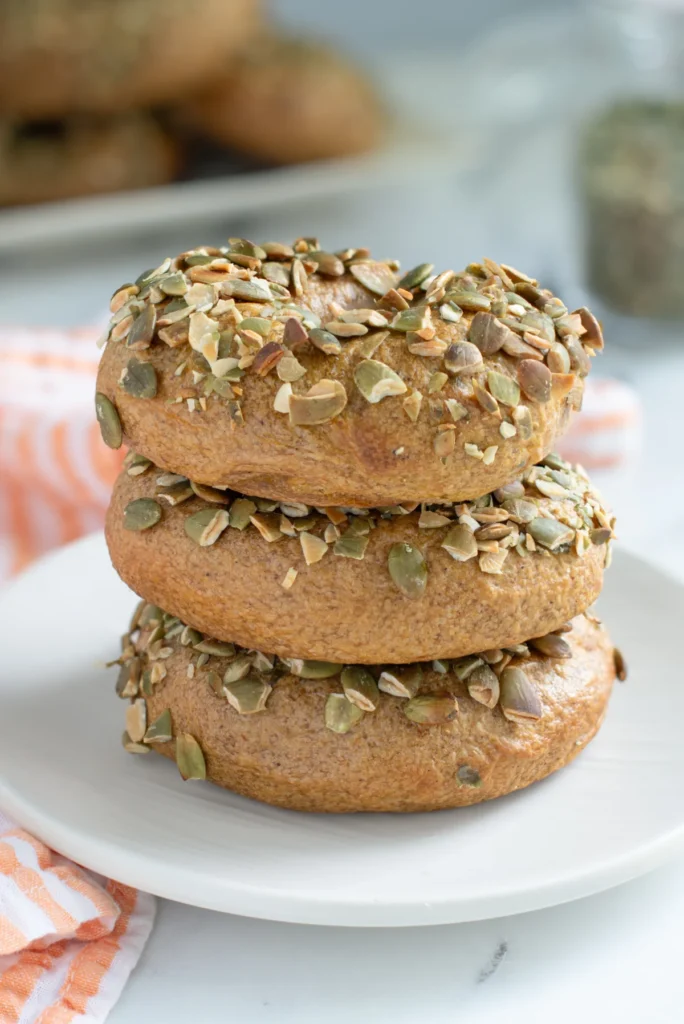
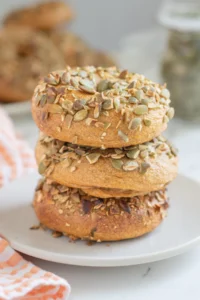
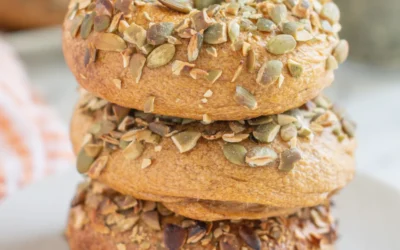
The intersection of traditional sourdough fermentation and seasonal produce has yielded a refined culinary development in the form of the sourdough pumpkin bagel. This recipe, which relies exclusively on the natural wild yeast of an active sourdough starter rather than commercial leavening agents, represents a shift in home baking toward longer, flavor-focused fermentation cycles. By integrating pumpkin puree into a classic New York-style bagel architecture, bakers are creating products that balance the characteristic acidity of sourdough with the earthy sweetness of squash, requiring a precise two-day operational window to manage the complexities of enriched dough.
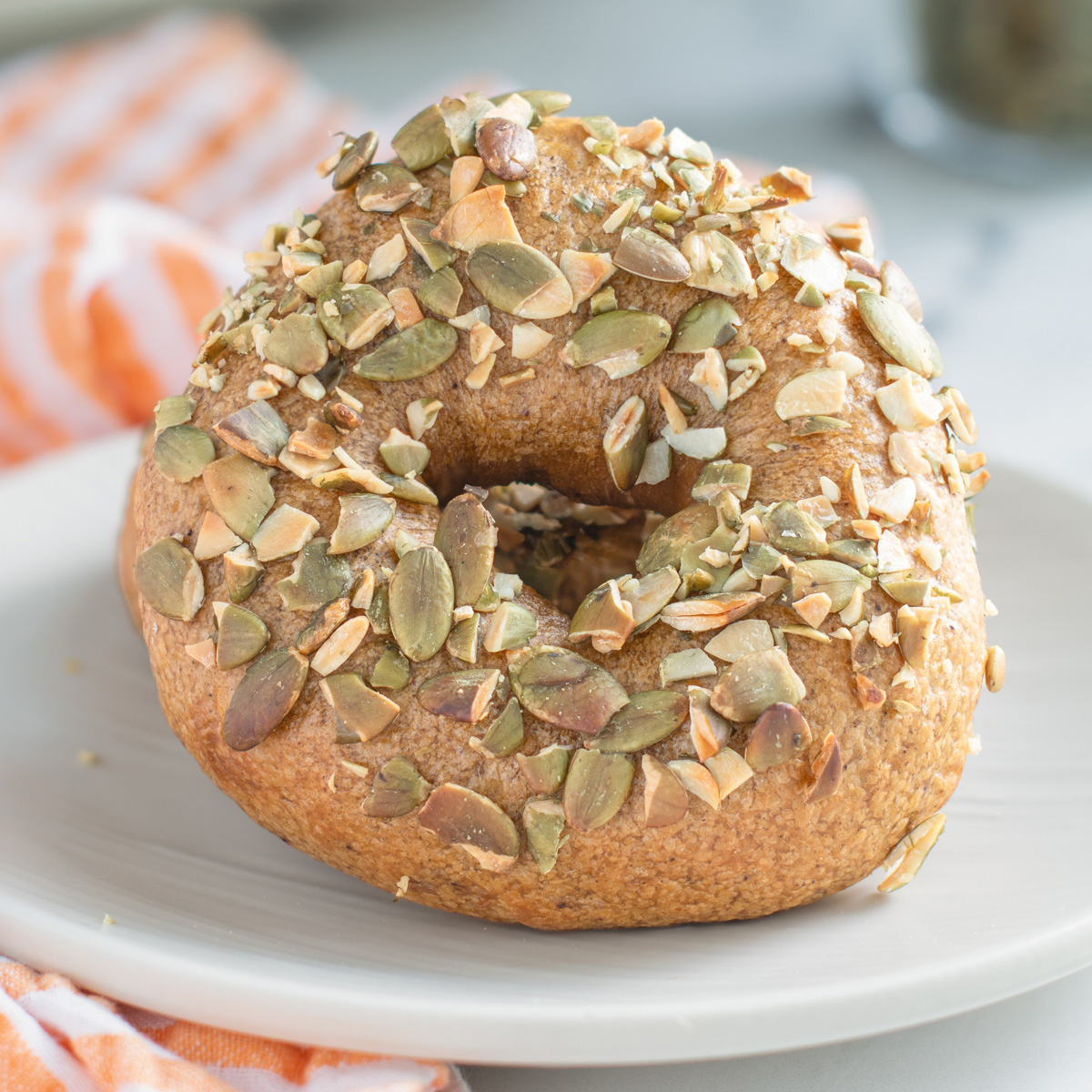
The Science of Enriched Sourdough Fermentation
The primary challenge in developing a sourdough pumpkin bagel lies in the chemical composition of the dough. Unlike a "lean" bagel—which typically consists only of flour, water, salt, and a malt agent—the addition of pumpkin puree introduces moisture, fibers, and natural sugars. These components significantly alter the rheology of the dough. From a technical standpoint, pumpkin acts as a hydration variable; it contributes to a softer crumb structure, which necessitates careful management of the bulk fermentation process.
Furthermore, the presence of pumpkin and associated warm spices—typically cinnamon, nutmeg, and ginger—exerts a retarding effect on yeast activity. Because these ingredients can slightly inhibit the enzymatic breakdown of starches, the fermentation schedule must be extended to ensure proper leavening. Professional bakers often note that enriched doughs, or those containing fats and sugars, require longer proofing times compared to traditional lean doughs. This necessitates a strategic, two-day approach that allows the wild yeast to overcome the osmotic pressure exerted by the additives.
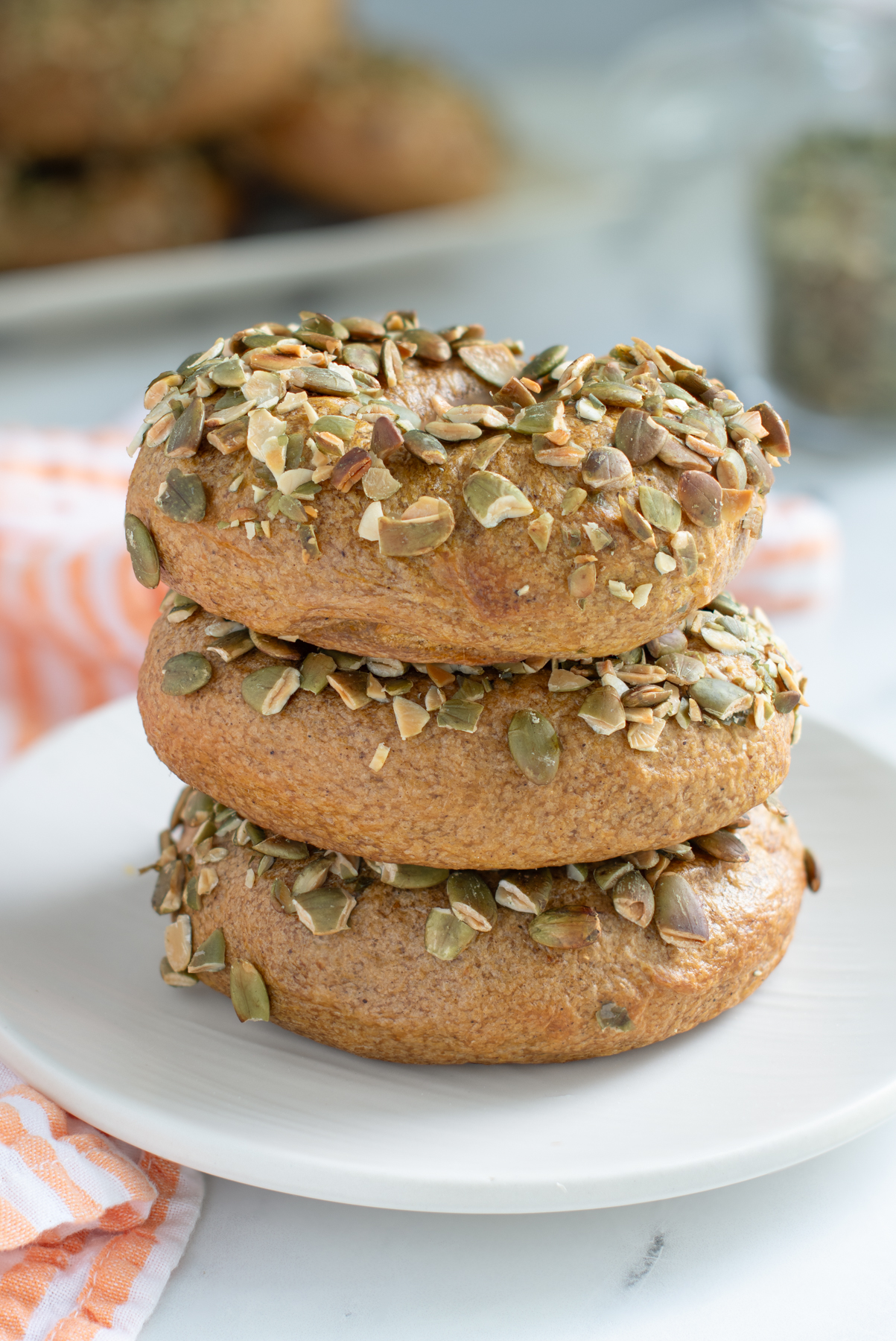
Chronology of the Baking Process
The production of these bagels follows a rigorous timeline designed to maximize flavor development through cold retardation.
Day One: Activation and Mixing
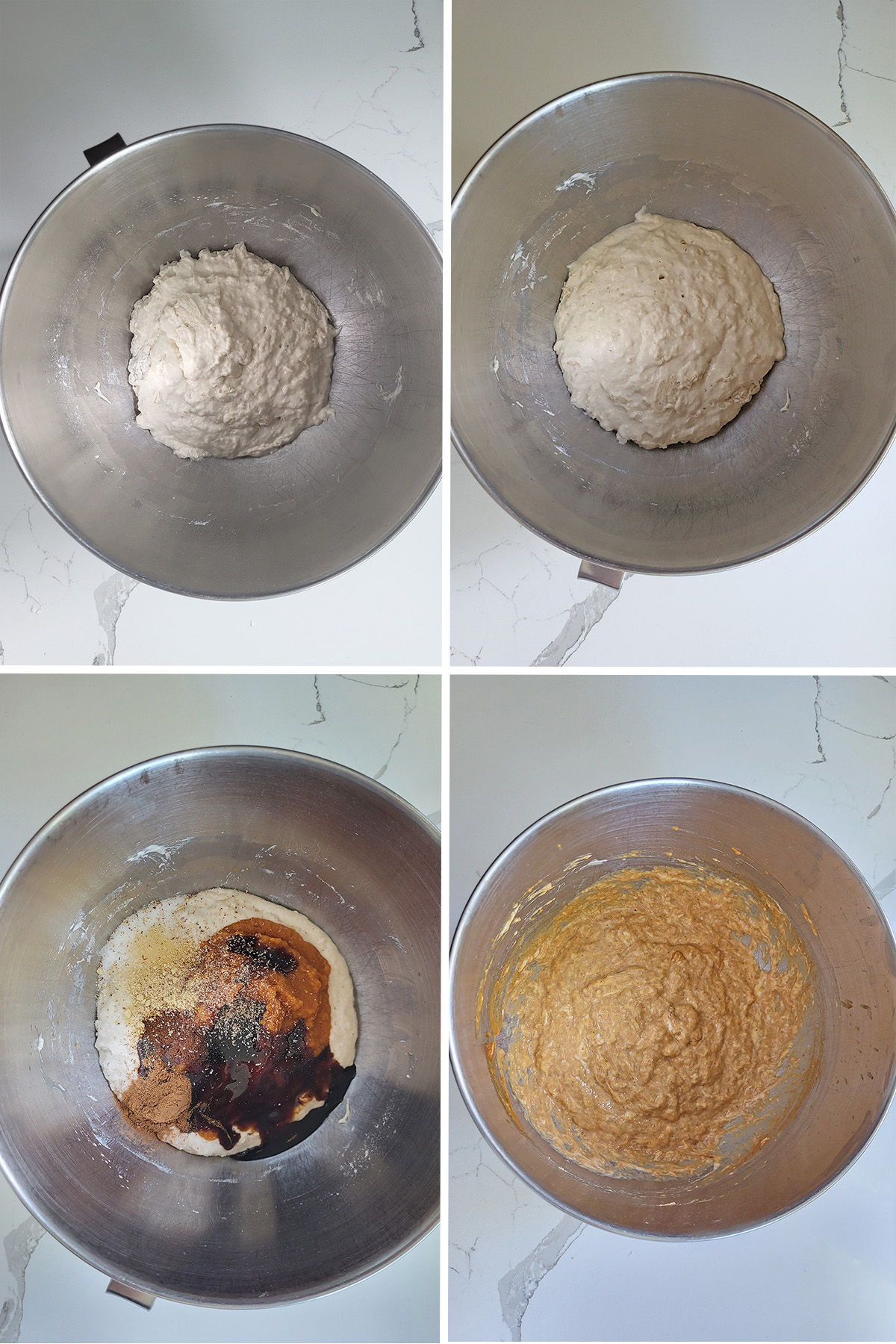
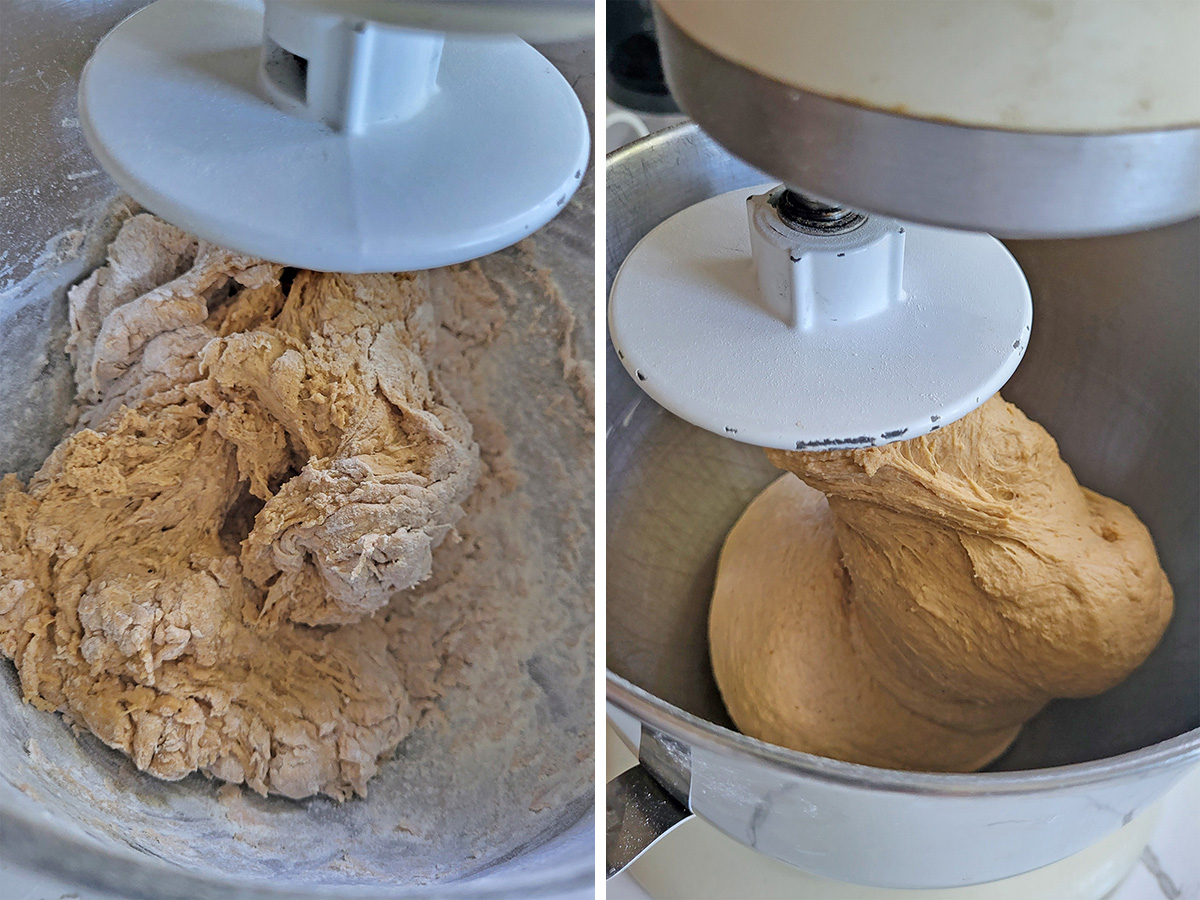
The process begins with the preparation of an active starter. Successful fermentation requires a starter that has reached its peak activity, typically 4 to 8 hours after the final feeding. Once the starter is at optimal strength, it is incorporated into a high-protein bread flour base, along with the pumpkin puree, a liquid sweetener—often barley malt syrup for its deep, complex flavor profile—and a specific blend of spices. The mixing stage is critical; the dough must be kneaded until it achieves a high degree of gluten development, as the pumpkin solids can interfere with the formation of the gluten network.
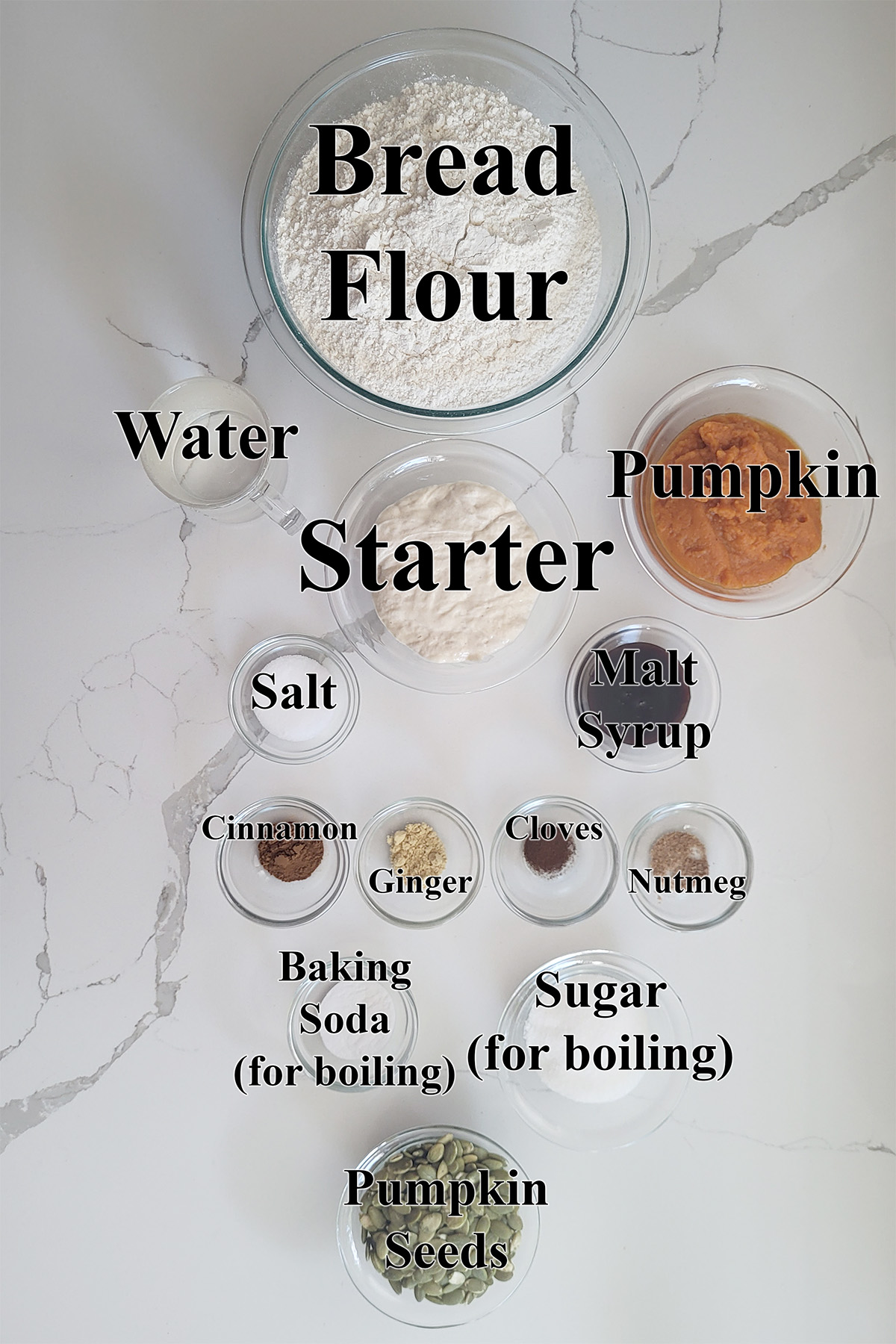
Day Two: Shaping and Final Maturation
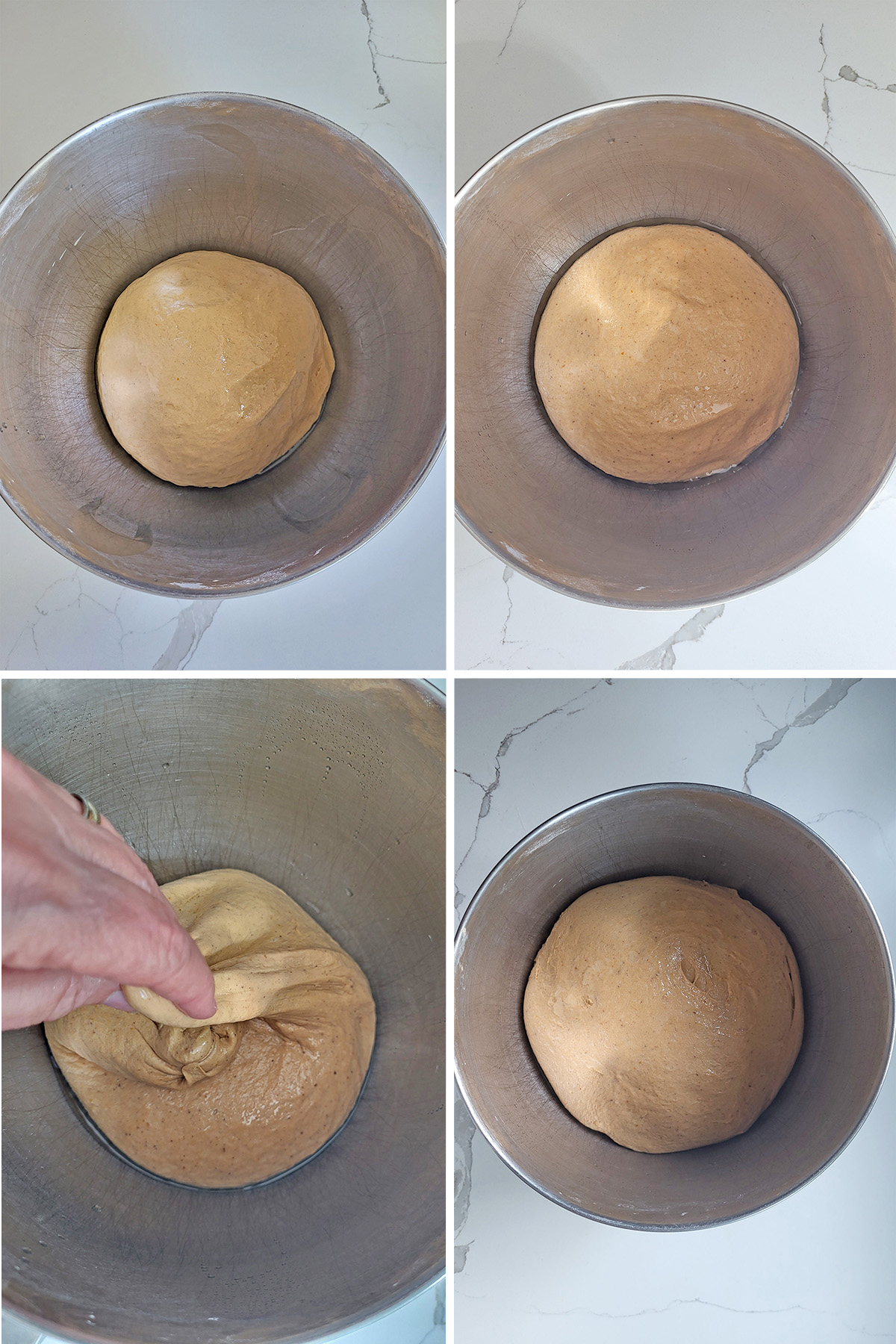
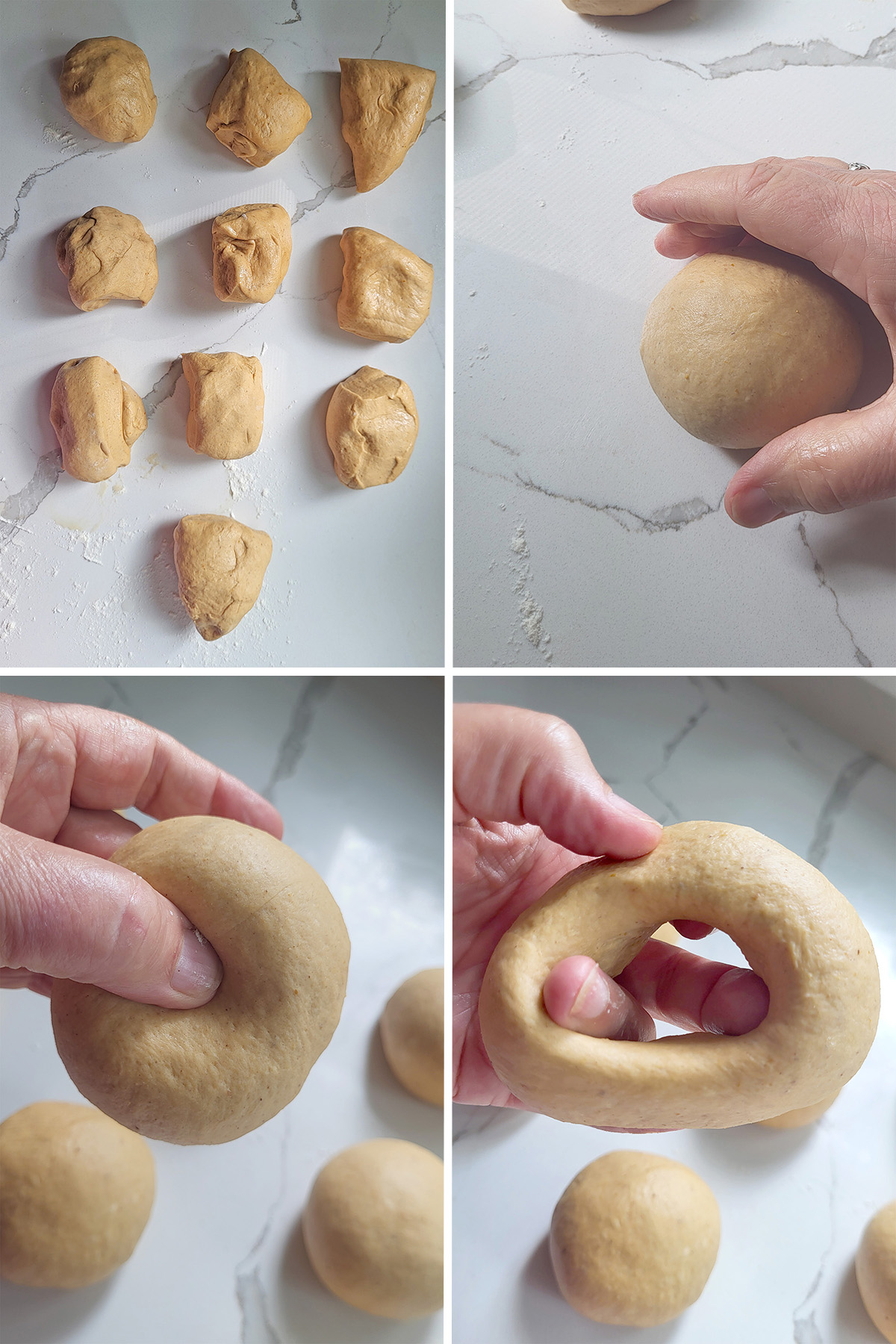
Following a bulk fermentation phase, which may last several hours depending on ambient room temperature, the dough is divided and shaped into the traditional ring form. These shaped bagels undergo a cold-proof period in a refrigerated environment. This stage is vital for the New York-style bagel, as the cold temperature allows the yeast to work slowly, developing the signature chewy texture and deep, blistered crust that occurs during the boiling and baking process.
Analytical Breakdown of Ingredients and Techniques
The use of barley malt syrup is not merely a stylistic choice; it is a functional necessity in authentic bagel production. Barley malt syrup provides the necessary food for the yeast while contributing to the Maillard reaction during the baking phase, resulting in a dark, glossy, and savory exterior. When substitutions are made—such as using a blend of honey and molasses—the flavor profile shifts, but the fundamental chemical reaction remains consistent.
The boiling stage remains the defining characteristic of the bagel-making process. By submerging the proofed dough in boiling water, the gelatinization of the outer layer of starch occurs. This sets the crust before the bagel enters the oven, creating a physical barrier that limits expansion during the bake and ensures the characteristic dense, chewy interior. The subsequent high-heat bake, typically performed on a stone or in a professional-grade deck oven, completes the process, locking in the structure.
Nutritional Implications and Consumer Trends
As consumers show an increased interest in fermented foods, the sourdough pumpkin bagel aligns with broader trends favoring gut-health-conscious baking. Sourdough fermentation is recognized for its ability to increase the bioavailability of minerals and potentially reduce the glycemic index of grain products by breaking down complex starches and gluten proteins.
A single serving, generally defined as one standard bagel, typically contains approximately 331 kilocalories. The nutritional profile includes 11 grams of protein and 58 grams of carbohydrates, with a notable fiber content derived from the inclusion of pumpkin. While the sodium content—averaging 924 milligrams—reflects the traditional requirements for salt in bagel production, the recipe avoids the high sugar content often associated with mass-produced seasonal pumpkin-flavored goods.
Storage and Industry Best Practices
The shelf-life of an artisan sourdough product is significantly shorter than that of commercial, preservative-laden counterparts. Because these bagels lack artificial additives, they are best consumed within 24 hours of baking. Industrial and professional advice dictates that such products should never be refrigerated, as the cold environment accelerates the staling process—a phenomenon known as starch retrogradation.
For long-term storage, the optimal method is freezing. By slicing the bagels 75% of the way through before freezing, the consumer ensures that the product can be transferred directly from the freezer to a toaster, preserving the textural integrity of the crust. This method effectively maintains the quality of the bagel for up to three months, provided it is stored in an airtight container to prevent freezer burn.
Broader Impact on the Artisan Baking Sector
The rise of recipes like the sourdough pumpkin bagel reflects a wider cultural move toward "slow food" and home-based culinary mastery. As home bakers gain access to higher-quality milling products and professional-grade information, the gap between home-baked goods and artisanal bakery standards continues to narrow.
The success of these recipes in digital spaces, characterized by high engagement through user ratings and comments, highlights the demand for instructional content that prioritizes technique over convenience. By standardizing the process of working with wild yeast, creators are demystifying the "art" of baking, effectively turning the kitchen into a laboratory for complex, flavor-dense, and nutrient-rich food production.
The integration of seasonal produce into foundational sourdough recipes serves as a case study in culinary innovation. It demonstrates that with a solid understanding of the underlying chemistry—fermentation rates, gluten development, and the impact of hydration on dough mechanics—the baker can successfully scale the complexity of any bread product. As this trend continues, it is likely that the market will see an increased emphasis on seasonal, fermentation-based products that prioritize long-term health benefits alongside traditional artisan craftsmanship.



0 Komentar
Sampaikan opini dan diskusi yang membangun dengan bahasa yang santun.
Belum Ada Komentar
Jadilah yang pertama memberikan tanggapan mengenai berita ini.