Dairy Free Savory Sausage Gravy: A Deliciously Creamy Alternative
Dairy free savory sausage gravy is a delicious and versatile dish that can be enjoyed by people with dairy allergies or those following a dairy-free diet. It’s also a great option for those looking for a healthier alternative to traditional sausage gravy, which is often loaded with fat and calories.
Creating a dairy-free gravy that’s both flavorful and satisfying can be a challenge, but with the right ingredients and techniques, it’s achievable.
The key to a successful dairy-free sausage gravy lies in the use of high-quality ingredients and a good understanding of the role each ingredient plays. We’ll explore various dairy substitutes that provide a creamy texture and rich flavor, and delve into the importance of a well-made roux for thickening the gravy.
Get ready to discover the secrets to crafting a dairy-free sausage gravy that’s both delicious and satisfying!
Dairy-Free Savory Sausage Gravy: A Delicious and Inclusive Option
Savory sausage gravy, a classic comfort food, is often enjoyed over biscuits or mashed potatoes. However, traditional gravy recipes often contain dairy products, making them off-limits for those with dairy allergies or sensitivities. This is where dairy-free savory sausage gravy comes to the rescue, offering a delicious and inclusive alternative that everyone can enjoy.Dairy-free sausage gravy presents unique challenges for cooks.
The absence of dairy, a key ingredient in traditional gravy, necessitates finding alternative thickeners and flavor enhancers. This requires careful ingredient selection and cooking techniques to achieve the desired texture and flavor profile.
Ingredients and Techniques for Dairy-Free Sausage Gravy
The key to creating a flavorful and satisfying dairy-free gravy lies in understanding the role of dairy in traditional recipes and finding suitable substitutes. Here’s a breakdown of key ingredients and techniques:
1. Thickening Agents
Dairy-free gravy relies on alternative thickeners to achieve the desired consistency. Common options include:
- Cornstarch:A versatile and widely available thickener, cornstarch provides a smooth and silky texture to the gravy. It’s crucial to use a cold slurry (cornstarch mixed with cold liquid) to prevent lumps from forming.
- Arrowroot Powder:A gluten-free option, arrowroot powder creates a clear and glossy gravy. It’s important to note that arrowroot powder tends to thin out as it cools, so adjust the amount accordingly.
- Tapioca Starch:Similar to cornstarch, tapioca starch offers a smooth and slightly chewy texture. It’s a good option for those avoiding gluten.
- Gluten-Free Flour Blend:A combination of gluten-free flours, such as rice flour, almond flour, or coconut flour, can be used as a thickener. However, be mindful of the flavor and texture they impart to the gravy.
2. Flavor Enhancers
Dairy-free savory sausage gravy is a real game-changer for those avoiding dairy, and it’s incredibly versatile. You can pair it with just about any savory dish, but it’s especially delicious over a hearty helping of potatoes. If you’re looking for a quick and easy way to prepare a delicious main course, you should definitely check out this recipe for the easiest oven baked chicken.
It’s a great option for weeknight meals, and it’s sure to become a family favorite. Once you’ve got your chicken ready, top it with a generous helping of dairy-free sausage gravy for a truly satisfying meal.
To achieve the rich and savory flavor of traditional gravy, dairy-free versions often incorporate:
- Vegetable Broth:A flavorful base for the gravy, vegetable broth provides a savory foundation. Choose a low-sodium broth for better control over saltiness.
- Nutritional Yeast:Known for its cheesy and umami flavor, nutritional yeast adds a unique dimension to the gravy. Use it sparingly to avoid overpowering the other flavors.
- Herbs and Spices:A blend of herbs and spices, such as thyme, rosemary, paprika, and black pepper, enhances the flavor and aroma of the gravy.
3. Cooking Techniques
I love the richness of dairy-free savory sausage gravy, but sometimes I crave something lighter. That’s when I turn to my trusty instant pot chicken tortilla soup recipe. It’s packed with flavor, and the broth is so comforting. But even when I’m enjoying a big bowl of soup, I still find myself thinking about how delicious that gravy would be on top of a baked potato or a plate of biscuits!
The following techniques are essential for achieving a smooth and flavorful dairy-free gravy:
- Sautéing the Sausage:Start by browning the sausage in a skillet over medium heat. This not only cooks the sausage but also releases flavorful fats that contribute to the gravy.
- Deglazing the Pan:After removing the sausage, deglaze the pan with a small amount of broth or wine. This process scrapes up any browned bits from the bottom of the pan, adding depth of flavor to the gravy.
- Whisking the Thickener:Whisk the chosen thickener with cold liquid to create a slurry. Gradually whisk the slurry into the simmering gravy, ensuring it cooks thoroughly and thickens without forming lumps.
- Simmering Slowly:Simmer the gravy over low heat for a few minutes to allow the flavors to meld and the thickener to fully activate.
Ingredients and Substitutes
Creating a dairy-free sausage gravy requires a few key ingredients and some thoughtful substitutions to achieve the desired creamy texture and savory flavor. This section explores the essential ingredients and common dairy-free alternatives.
Essential Ingredients
The foundation of any sausage gravy lies in its core ingredients. Here’s a list of the essential components for a delicious dairy-free version:
- Sausage:The star of the show! Choose your favorite type, whether it’s breakfast sausage, Italian sausage, or even chorizo. The sausage adds a rich, savory flavor and contributes to the gravy’s overall taste.
- Flour:Flour serves as the thickener, creating the desired gravy consistency. All-purpose flour works well, but you can also experiment with gluten-free options like rice flour or tapioca flour.
- Butter or Oil:Butter or oil is used for cooking the sausage and creating a base for the gravy. Unsalted butter or a neutral oil like canola or vegetable oil is recommended.
- Broth or Water:Broth or water adds liquid to the gravy, creating a smooth consistency and allowing the flavors to meld. Vegetable broth, chicken broth, or even water can be used.
- Seasonings:Seasonings are crucial for enhancing the flavor profile of the gravy. Salt, pepper, garlic powder, onion powder, and herbs like thyme or rosemary are commonly used.
Dairy-Free Substitutes
Dairy-free alternatives are essential for creating a creamy texture without using traditional dairy products. Common substitutes include:
- Cashew Cream:Cashew cream, made by blending cashews with water, offers a rich and creamy texture. It provides a smooth consistency and a slightly nutty flavor that complements the sausage.
- Coconut Milk:Full-fat coconut milk adds a creamy texture and a subtle coconut flavor. It’s a popular choice for those who enjoy a hint of tropical sweetness in their gravy.
- Soy Milk:Soy milk provides a neutral flavor and a creamy texture. It’s a versatile option that blends well with other ingredients without overpowering the sausage flavor.
- Oat Milk:Oat milk is a popular choice for its creamy texture and mild flavor. It blends well with other ingredients and adds a subtle sweetness to the gravy.
Role of Each Ingredient
Each ingredient plays a vital role in creating the perfect dairy-free sausage gravy:
- Sausage:The sausage provides the base flavor and richness of the gravy. It contributes to the overall taste and texture.
- Flour:Flour is essential for thickening the gravy, creating the desired consistency. It helps bind the ingredients together and create a smooth, velvety texture.
- Butter or Oil:Butter or oil provides a base for cooking the sausage and creating a flavorful foundation for the gravy. It adds richness and depth to the flavor profile.
- Broth or Water:Broth or water adds liquid to the gravy, creating a smooth consistency and allowing the flavors to meld. It also helps to dilute the flour and prevent the gravy from becoming too thick.
- Seasonings:Seasonings enhance the flavor of the gravy, balancing the savory notes of the sausage and adding complexity to the overall taste. They can be adjusted to suit individual preferences.
- Dairy-Free Substitutes:Dairy-free substitutes provide the creamy texture and richness that traditional dairy products offer. They contribute to the overall mouthfeel and create a satisfyingly smooth gravy.
Recipe Variations
This dairy-free sausage gravy is incredibly versatile, and you can easily customize it to your liking. Here are some tips and tricks to help you create your perfect gravy.
Different Types of Sausage
Using different types of sausage adds a unique flavor profile to your gravy. Here are some popular choices:
| Sausage Type | Flavor Profile | Notes |
|---|---|---|
| Italian Sausage | Spicy and savory | Use sweet or hot Italian sausage, depending on your preference. |
| Breakfast Sausage | Mild and savory | Choose from pork, turkey, or chicken breakfast sausage. |
| Chorizo | Spicy and smoky | Use Mexican chorizo for a bold and flavorful gravy. |
| Andouille Sausage | Spicy and smoky | Andouille sausage adds a Cajun kick to the gravy. |
Thickening Agents
While cornstarch is a common choice for thickening dairy-free gravy, other options are available.
| Thickening Agent | Notes |
|---|---|
| Arrowroot Powder | A gluten-free alternative to cornstarch. |
| Tapioca Starch | Provides a slightly chewy texture. |
| Gluten-Free Flour Blend | Use a blend specifically designed for baking to avoid a grainy texture. |
| Xanthan Gum | A powerful thickener, use sparingly. |
Flavor Profiles
Experiment with different flavor profiles to create a gravy that suits your taste.
| Flavor Profile | Notes |
|---|---|
| Herby | Add fresh or dried herbs like thyme, rosemary, oregano, or sage. |
| Spicy | Use cayenne pepper, chili powder, or hot sauce for a kick. |
| Savory | Enhance the savory flavors with onion powder, garlic powder, or smoked paprika. |
| Sweet and Savory | Add a touch of sweetness with maple syrup or brown sugar. |
Cooking Techniques
Preparing dairy-free sausage gravy is a simple yet rewarding process. The key to achieving a creamy, flavorful gravy lies in mastering the roux, a foundational element in Southern cooking. This guide will walk you through each step, ensuring you create a delicious and inclusive dish.
Dairy-free savory sausage gravy is a versatile sauce that can be enjoyed on everything from biscuits to potatoes. While I love the richness of traditional gravy, sometimes I crave something a bit lighter and fresher. That’s where chef johns green goddess dressing comes in! Its vibrant blend of herbs and tangy flavor adds a delightful twist to my dairy-free sausage gravy, creating a truly unique and delicious experience.
Roux Preparation for Thickening
The roux, a mixture of fat and flour, is the backbone of any gravy. It acts as a thickener, creating the desired consistency.
Proper roux preparation is essential for achieving the desired texture and flavor of the gravy.
The ratio of fat to flour in a roux determines its color and flavor. A light roux, made with equal parts fat and flour, results in a thinner gravy with a milder flavor. A dark roux, made with more fat and cooked longer, produces a thicker gravy with a richer, nuttier flavor.
For dairy-free sausage gravy, a medium roux, cooked until it turns a light brown, is ideal.
- In a large saucepan or Dutch oven, melt the butter or oil over medium heat.
- Gradually whisk in the flour, ensuring there are no lumps.
- Cook the roux, stirring constantly, for 5-7 minutes, or until it turns a light brown color.
Incorporating Sausage and Seasonings, Dairy free savory sausage gravy
Once the roux is cooked, it’s time to add the sausage and seasonings.
- Add the cooked sausage to the roux and break it up with a spoon or spatula.
- Gradually whisk in the plant-based milk, ensuring a smooth consistency.
- Season the gravy with salt, black pepper, and other desired spices, such as paprika, garlic powder, or onion powder.
- Bring the gravy to a simmer, stirring frequently, and cook for 5-10 minutes, or until it thickens to the desired consistency.
Serving Suggestions
Dairy-free sausage gravy is a versatile and delicious addition to any meal. It can be enjoyed in a variety of ways, from traditional breakfast dishes to creative culinary creations.
Popular Dishes
Dairy-free sausage gravy pairs perfectly with a wide range of dishes. Here are some popular options:
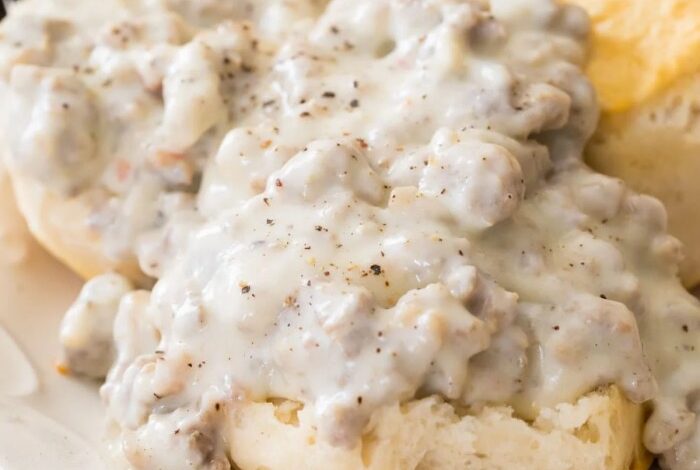
- Biscuits and Gravy:This classic pairing is a must-try for any gravy lover. The fluffy biscuits provide a delicious contrast to the rich and savory gravy.
- Breakfast Burritos:Add a layer of dairy-free sausage gravy to your breakfast burritos for a hearty and satisfying meal.
- Hash Browns:A simple yet satisfying dish, hash browns are enhanced by the addition of dairy-free sausage gravy.
- Mashed Potatoes:Dairy-free sausage gravy adds a unique twist to mashed potatoes, making them more flavorful and hearty.
- Chicken and Biscuits:This classic Southern dish is even more delicious with the addition of dairy-free sausage gravy.
- Eggs Benedict:Replace the traditional hollandaise sauce with dairy-free sausage gravy for a unique and flavorful twist on this brunch classic.
- Fried Chicken:Pour dairy-free sausage gravy over fried chicken for a delicious and satisfying meal.
Creative Presentations and Garnishes
There are many ways to elevate your dairy-free sausage gravy. Consider these creative presentations and garnishes:
- Drizzle over polenta:A creamy polenta topped with dairy-free sausage gravy makes for a hearty and satisfying dish.
- Spoon over roasted vegetables:Add a touch of savory flavor to your roasted vegetables with a drizzle of dairy-free sausage gravy.
- Serve with a side of fried onions:The sweetness of fried onions complements the savory flavor of dairy-free sausage gravy.
- Garnish with fresh herbs:Adding fresh herbs such as parsley or chives adds a touch of freshness and color to your gravy.
- Top with a dollop of dairy-free sour cream or yogurt:This adds a touch of tanginess and creaminess to the gravy.
Versatility in Culinary Applications
Dairy-free sausage gravy is a versatile ingredient that can be used in a variety of culinary applications.
- Soups and Stews:Add a layer of depth and flavor to your soups and stews with a dollop of dairy-free sausage gravy.
- Pasta Dishes:Use dairy-free sausage gravy as a sauce for pasta dishes, adding a unique twist to traditional recipes.
- Stuffings and Dressings:Add a savory kick to your stuffings and dressings with dairy-free sausage gravy.
- Dip for Vegetables and Bread:Dairy-free sausage gravy makes a delicious dip for vegetables and bread.
Cultural Influences: Dairy Free Savory Sausage Gravy
Sausage gravy, a staple in many cuisines, has a rich history and cultural significance. It’s a dish that has evolved over time, adapting to local ingredients and culinary traditions. Its presence in various cultures reflects the global appeal of comfort food and the ingenuity of cooks in creating flavorful and satisfying meals.
Regional Variations
The diverse nature of sausage gravy is evident in the many regional variations found around the world. These variations showcase the creative use of local ingredients and cooking techniques.
- Southern United States:In the American South, sausage gravy is typically made with pork sausage, flour, milk, and black pepper. It is often served over biscuits for a hearty breakfast or brunch.
- Germany:German sausage gravy, known as “Bratensauce,” often incorporates pancetta or bacon, onions, and a rich brown sauce. It is commonly served with dumplings, potatoes, or roasted meats.
- Italy:Italian sausage gravy, called “Sugo di Salsiccia,” features spicy Italian sausage, tomatoes, and herbs. It is a versatile sauce that can be used for pasta, polenta, or as a topping for grilled meats.
Visual Representation
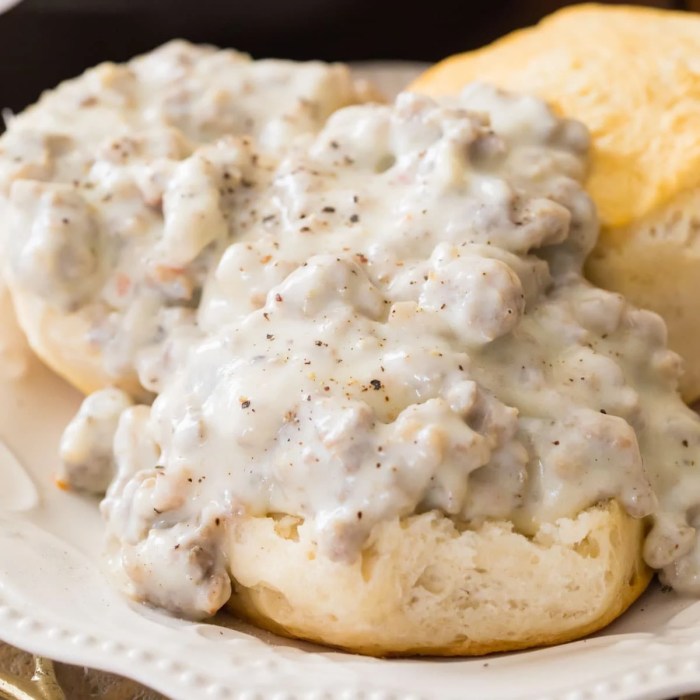
Imagine a steaming bowl of fluffy, golden-brown biscuits, nestled amidst a pool of creamy, savory sausage gravy. The gravy, a symphony of rich brown hues, shimmers with a subtle sheen, its surface dotted with tiny flecks of sausage and herbs.
The aroma, a tantalizing blend of savory sausage, earthy spices, and a hint of buttery richness, fills the air, promising a delicious experience.
Visual Appeal
The dairy-free sausage gravy, despite its lack of dairy, is anything but bland. It boasts a creamy, velvety texture that clings to the biscuits, creating a satisfyingly indulgent experience. The rich brown color, achieved through the careful caramelization of onions and the use of flavorful spices, is visually appealing, inviting you to savor each bite.
The sausage pieces, scattered throughout the gravy, add a touch of rustic charm and visual interest.
Presentation
The gravy can be served in various ways, each adding its own unique visual appeal. For a rustic touch, ladle the gravy over biscuits on a simple, wooden platter. For a more refined presentation, use individual ramekins, each filled with a generous portion of gravy, and garnish with a sprig of fresh herbs or a sprinkle of paprika.
No matter the presentation, the creamy, flavorful gravy will be the star of the show.