
Creamy Ricotta Pasta Sauce

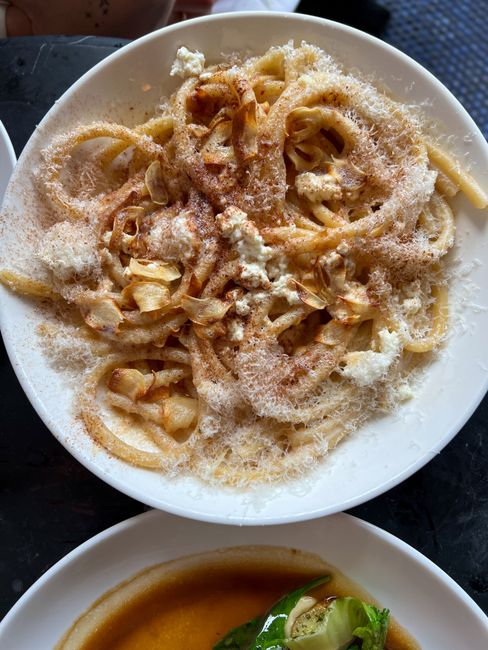
Creamy Ricotta Pasta Sauce: A Foundation for Flavor and Versatility
The allure of a perfectly creamy pasta sauce lies in its ability to coat each strand of pasta with rich, luxurious flavor, transforming a simple dish into a comforting culinary experience. Among the most satisfying and remarkably adaptable options is creamy ricotta pasta sauce. This foundational recipe, built upon the mild, milky sweetness of ricotta cheese, offers a canvas for an astonishing array of flavor profiles, making it a staple for home cooks seeking both simplicity and sophistication. Its inherent creaminess, achieved without relying solely on heavy creams, makes it a lighter yet equally decadent choice. The beauty of ricotta sauce lies not just in its taste but also in its ease of preparation and its ability to be customized. It’s a sauce that can be on the table in under 30 minutes, making it ideal for weeknight meals, yet elegant enough to impress guests. Understanding the core components and techniques behind a successful creamy ricotta pasta sauce unlocks a world of culinary possibilities, from vibrant spring vegetable infusions to deeply savory mushroom and herb creations. This article will delve into the essential elements of crafting this exquisite sauce, exploring ingredient selection, foundational techniques, and a multitude of inspiring variations, all while optimizing for search engines seeking comprehensive culinary guidance.
The cornerstone of any exemplary creamy ricotta pasta sauce is, naturally, ricotta cheese. The choice of ricotta significantly impacts the final texture and flavor. Opting for whole-milk ricotta will yield a richer, creamier sauce than its part-skim counterpart. The fat content in whole-milk ricotta contributes to a smoother emulsion and a more luxurious mouthfeel. Look for fresh, high-quality ricotta, ideally from a local dairy if possible. The texture should be creamy and relatively smooth, not overly watery or grainy. If your ricotta appears a bit wet, a simple draining process can be beneficial. Place the ricotta in a fine-mesh sieve set over a bowl and let it sit for about 30 minutes to an hour. This removes excess whey, concentrating the cheese’s flavor and ensuring a thicker sauce. Avoid pre-portioned, flavored ricotta varieties, as they often contain stabilizers and sweeteners that detract from the pure, fresh taste essential for this sauce’s versatility. The mild, slightly sweet profile of ricotta is its greatest asset, allowing it to meld seamlessly with other ingredients without overpowering them. It acts as a subtle enhancer, adding body and creaminess that is both satisfying and less heavy than traditional cream-based sauces. For a truly authentic Italian experience, look for ricotta made from sheep’s milk, though cow’s milk ricotta is more widely available and equally delicious. The natural tang of sheep’s milk ricotta can add an extra layer of complexity.
Beyond the star ingredient, a few supporting players are crucial for building the foundational flavor of creamy ricotta pasta sauce. Olive oil, a good quality extra virgin olive oil, is essential for sautéing aromatics and adding a subtle peppery note. Garlic is non-negotiable, its pungent aroma and flavor forming the backbone of many savory dishes. Fresh garlic, minced finely, will release its potent oils when gently sautéed. The key is to cook the garlic over medium-low heat to prevent burning, which imparts a bitter taste. Butter can be introduced to add richness and depth, working in harmony with the olive oil. A touch of acidity is often needed to balance the richness of the ricotta. Lemon juice, freshly squeezed, is a popular choice, its brightness cutting through the creaminess and awakening the palate. White wine, such as a dry Pinot Grigio or Sauvignon Blanc, can also be used to deglaze the pan after sautéing aromatics, adding a layer of complexity and acidity as it reduces. This step not only adds flavor but also helps to lift any browned bits from the bottom of the pan, contributing to a more nuanced sauce. Salt and freshly ground black pepper are, of course, fundamental for seasoning, enhancing all the other flavors. The quality of these basic ingredients directly influences the final outcome, so investing in fresh produce and good pantry staples will elevate your ricotta sauce significantly.
The fundamental technique for creating a creamy ricotta pasta sauce involves building flavor layers and then emulsifying the ricotta into a smooth, cohesive sauce. Start by gently heating olive oil and a knob of butter in a large skillet or pot over medium-low heat. Add finely minced garlic and sauté until fragrant and just beginning to turn golden, being careful not to burn it. This gentle sautéing extracts the garlic’s flavor without bitterness. If using shallots or onions, they would be added before the garlic and cooked until softened and translucent. Once the aromatics are fragrant, you can deglaze the pan with a splash of dry white wine, allowing it to bubble and reduce for a minute or two, scraping up any browned bits from the bottom. This step adds a layer of complexity and deglazes the pan, making future cleaning easier. Remove the pan from the heat momentarily. This is a critical step to prevent the ricotta from curdling or becoming grainy. Add the whole-milk ricotta cheese to the warm (not hot) pan. Stir vigorously to combine it with the residual heat and rendered aromatics. The residual heat of the pan is sufficient to warm the ricotta and create a smooth emulsion. If the sauce appears too thick, add a ladleful of the starchy pasta cooking water. The starch in the pasta water acts as an emulsifier, helping to bind the sauce and create a silken texture. Continue to stir until the sauce is smooth and creamy. Season generously with salt and freshly ground black pepper. Taste and adjust seasoning as needed. The final seasoning is crucial; the sauce should be well-balanced and flavorful.
The versatility of creamy ricotta pasta sauce is its most compelling attribute. It serves as an exceptional base for a multitude of flavor additions, allowing for endless culinary exploration. One of the simplest and most elegant variations is a Lemon-Herb Ricotta Sauce. After creating the foundational sauce, stir in the zest and juice of one to two lemons, depending on your preference for acidity. Fresh herbs like parsley, basil, chives, or dill, finely chopped, add freshness and vibrancy. This bright, zesty sauce is perfect for lighter pasta shapes like linguine or fettuccine and pairs beautifully with seafood or chicken. For a heartier, more rustic dish, consider a Mushroom and Garlic Ricotta Sauce. Sauté sliced mushrooms (cremini, shiitake, or a mix) in olive oil until golden brown and their moisture has evaporated. Add minced garlic and cook until fragrant, then proceed with the ricotta sauce base. A splash of balsamic glaze at the end can add a delightful sweet and tangy counterpoint. This sauce is excellent with robust pasta shapes like rigatoni or pappardelle and can be enhanced with a sprinkle of Parmesan cheese.
Another popular and deeply satisfying variation is a Roasted Red Pepper Ricotta Sauce. This can be achieved by puréeing roasted red peppers (from a jar or homemade) and then incorporating them into the ricotta base. The sweetness and smoky depth of the roasted peppers create a beautiful, vibrant sauce. A pinch of red pepper flakes can be added for a subtle kick. This sauce is fantastic with short, sturdy pasta shapes that can hold its rich texture. For a more indulgent experience, a Pancetta and Pea Ricotta Sauce offers a delightful combination of salty, savory, and sweet. Crisp finely diced pancetta, rendered in the skillet, provides a flavorful foundation. Sautéed or blanched fresh peas add bursts of sweetness and color. The pancetta fat can be used to sauté the aromatics before adding the ricotta. This is a truly comforting and complete meal in itself.
For those seeking a vegetarian or vegan adaptation, while true ricotta is dairy-based, the principles of a creamy sauce can be achieved with plant-based alternatives. Cashew cream, made by soaking raw cashews and blending them with water until smooth, can mimic the richness and creaminess of ricotta. Nutritional yeast can be used to impart a cheesy flavor, and lemon juice adds the necessary tang. While not a direct replacement for ricotta, these vegan alternatives can create a similarly satisfying creamy sauce.
The choice of pasta shape is also an integral part of the ricotta sauce experience. While any pasta can technically be coated in ricotta sauce, certain shapes lend themselves better to its texture. Longer, flatter pastas like fettuccine, tagliatelle, or linguine are excellent for capturing the creamy coating. Short, tubular pastas like penne, rigatoni, or ziti are ideal for trapping dollops of sauce within their crevices. Delicate, small pasta shapes like orzo or ditalini can also be used, creating a more integrated sauce experience. The starchy pasta water is the secret ingredient that truly bridges the gap between the pasta and the sauce, creating a cohesive, glossy finish. Always reserve at least a cup of this liquid gold before draining your pasta.
To elevate your creamy ricotta pasta sauce and make it truly shine, consider these finishing touches and serving suggestions. A generous grating of high-quality Parmesan cheese or Pecorino Romano cheese is almost always a welcome addition, adding a salty, nutty depth. Freshly chopped herbs, as mentioned previously, provide a burst of freshness and visual appeal. A drizzle of extra virgin olive oil, a sprinkle of red pepper flakes for heat, or a crack of black pepper can further enhance the flavor profile. Toasted breadcrumbs, sautéed until golden and crispy in olive oil or butter, offer a delightful textural contrast to the smooth sauce and tender pasta. A squeeze of fresh lemon juice over the finished dish can brighten all the flavors. When serving, ensure the pasta is coated evenly with the sauce. For larger gatherings or to make ahead, the ricotta sauce base can be prepared in advance and gently reheated before tossing with freshly cooked pasta. However, it is generally best enjoyed immediately after preparation to capture its optimal texture and flavor. The inherent simplicity of creamy ricotta pasta sauce allows it to be the star of the show or a supporting act to other ingredients. Its mild flavor profile makes it a forgiving base that can accommodate a wide range of flavor profiles, ensuring that every iteration is a delicious success. From a quick weeknight meal to an elegant dinner party, the creamy ricotta pasta sauce stands as a testament to the power of simple ingredients prepared with care.


