
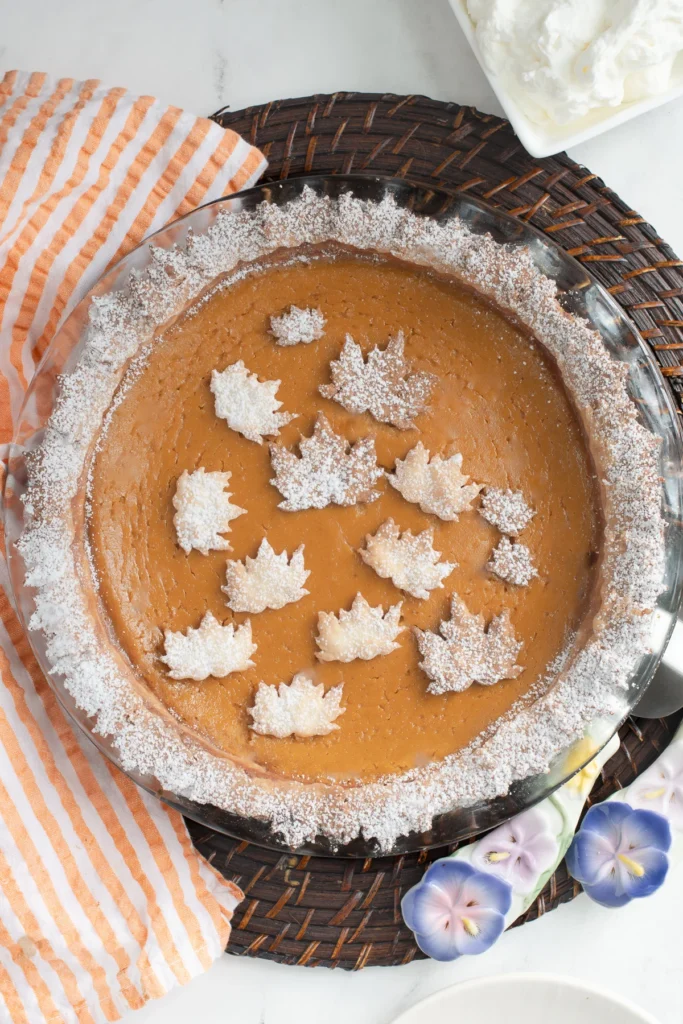
The holiday season brings a surge in demand for traditional baked goods, with the classic pumpkin custard pie remaining the cornerstone of seasonal dessert tables across North America. While often perceived as a simple recipe, the production of a high-quality pumpkin pie involves complex food chemistry, particularly regarding protein coagulation, starch gelatinization, and moisture management. Culinary experts and professional bakers have spent years refining the methodology to achieve a balance between a crisp, non-soggy crust and a silky, non-grainy custard. Achieving this standard requires strict adherence to temperature control and precise mixing techniques.
Historical Context and Culinary Evolution
Pumpkin pie, in its modern iteration, traces its roots to the early colonial period, though its current form—a spiced custard in a wheat-flour crust—did not become a standardized American staple until the 19th century. Early versions often involved baking spiced pumpkin directly inside a hollowed-out pumpkin shell. As baking technology improved, the use of pastry crusts became the industry standard.
Today, the challenge for the modern home baker lies in avoiding common pitfalls such as curdling, cracking, or "weeping." Food scientists note that these defects are almost exclusively the result of thermal mismanagement. A standard pumpkin pie is essentially a controlled egg-based custard. If the internal temperature exceeds 180°F, the egg proteins contract with enough force to expel trapped liquid, resulting in the dreaded syneresis, or "weeping," often observed on the surface of overbaked pies.
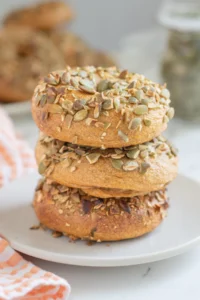
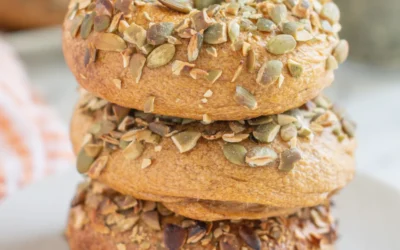
Sourdough Pumpkin Bagels: A Deep Dive into Artisanal Fermentation and Seasonal Baking Techniques
The Technical Methodology: A Three-Hour Process
The professional standard for a high-quality pie requires approximately three hours of total production time, including active preparation, par-baking, and the critical cooling phase.
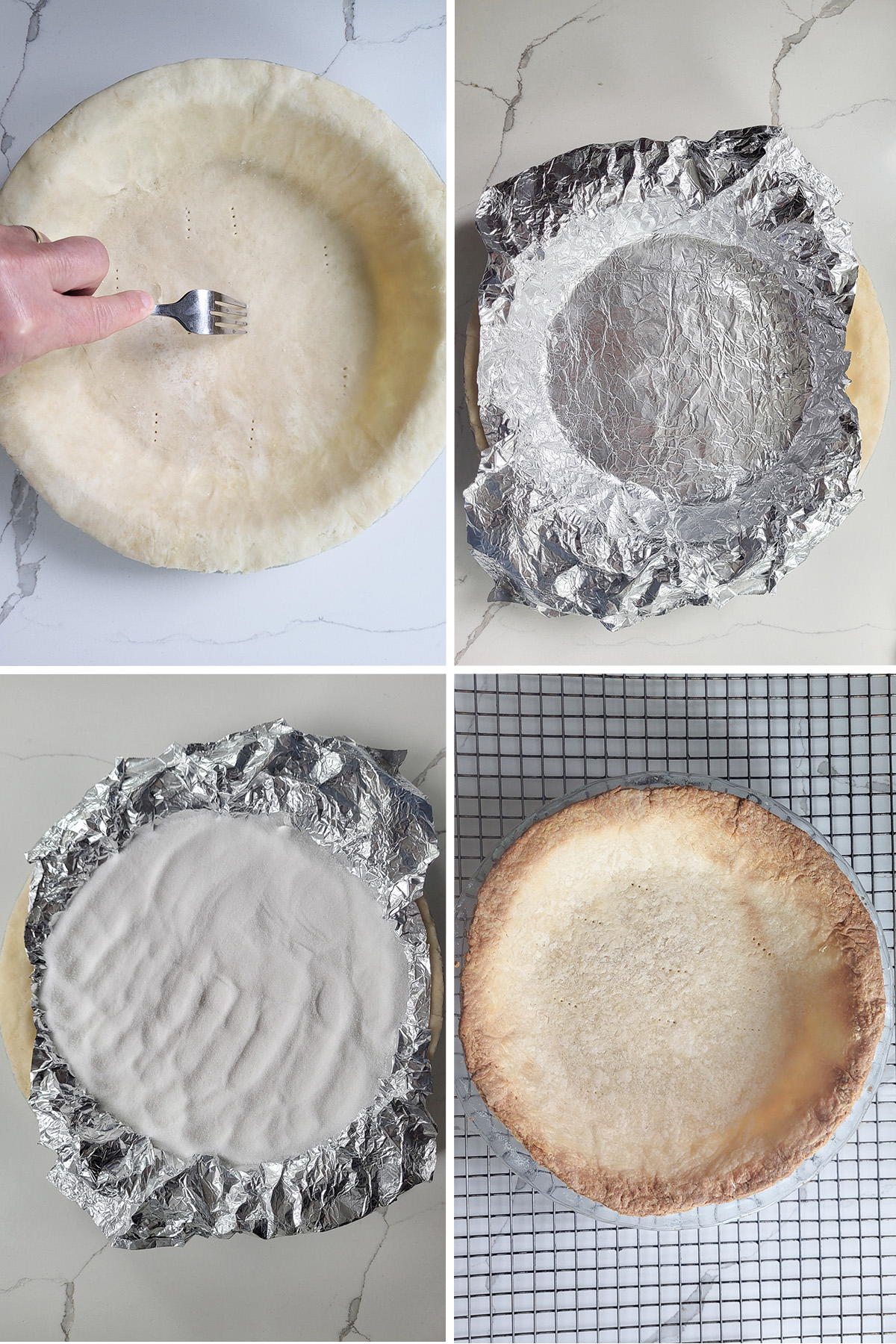
The process begins with the crust. To prevent the "soggy bottom" phenomenon, in which the liquid filling saturates the raw pastry before the fats can melt and set the structure, professionals employ a "par-baking" technique. By lining the crust with aluminum foil and utilizing weight—often in the form of granulated sugar or ceramic pie weights—the pastry is partially cooked until set. This creates a moisture barrier, ensuring the bottom remains crisp once the filling is added.
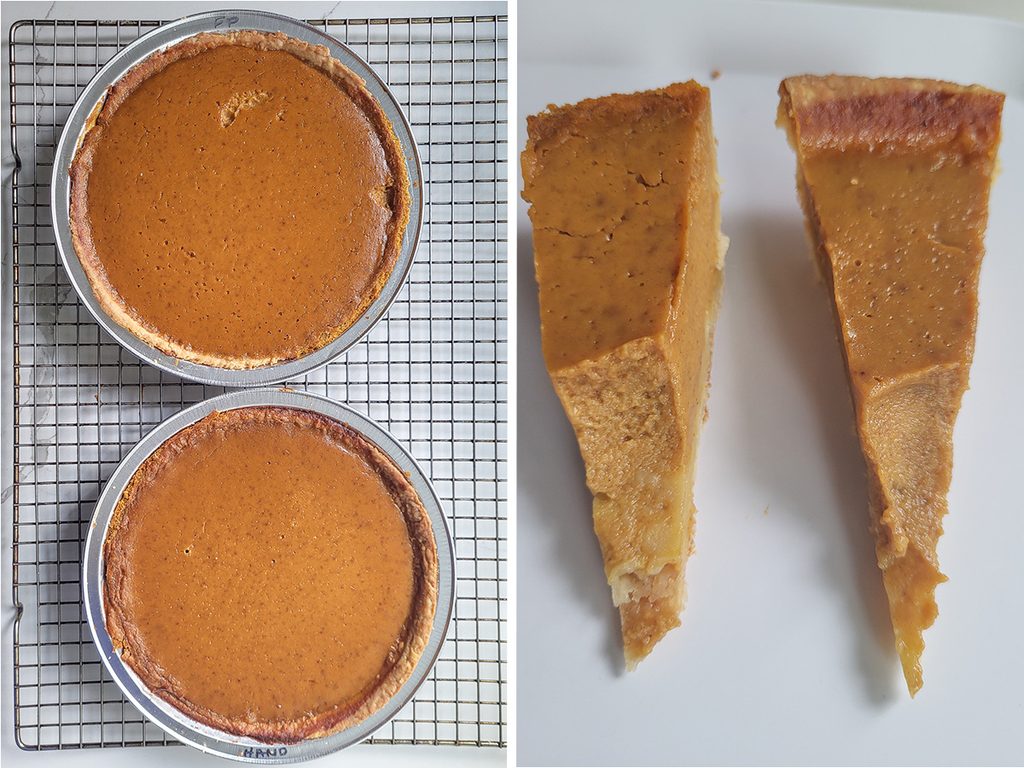
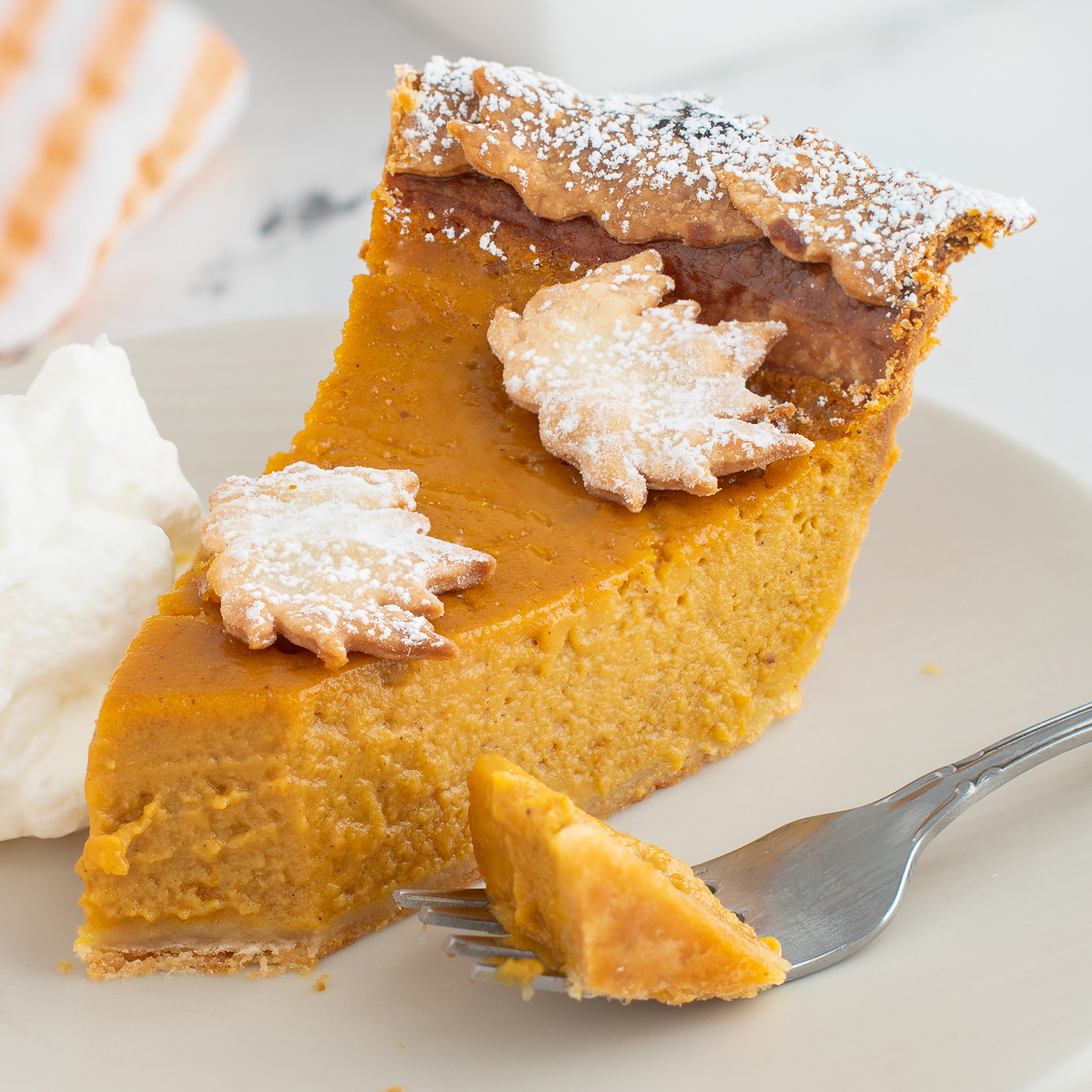
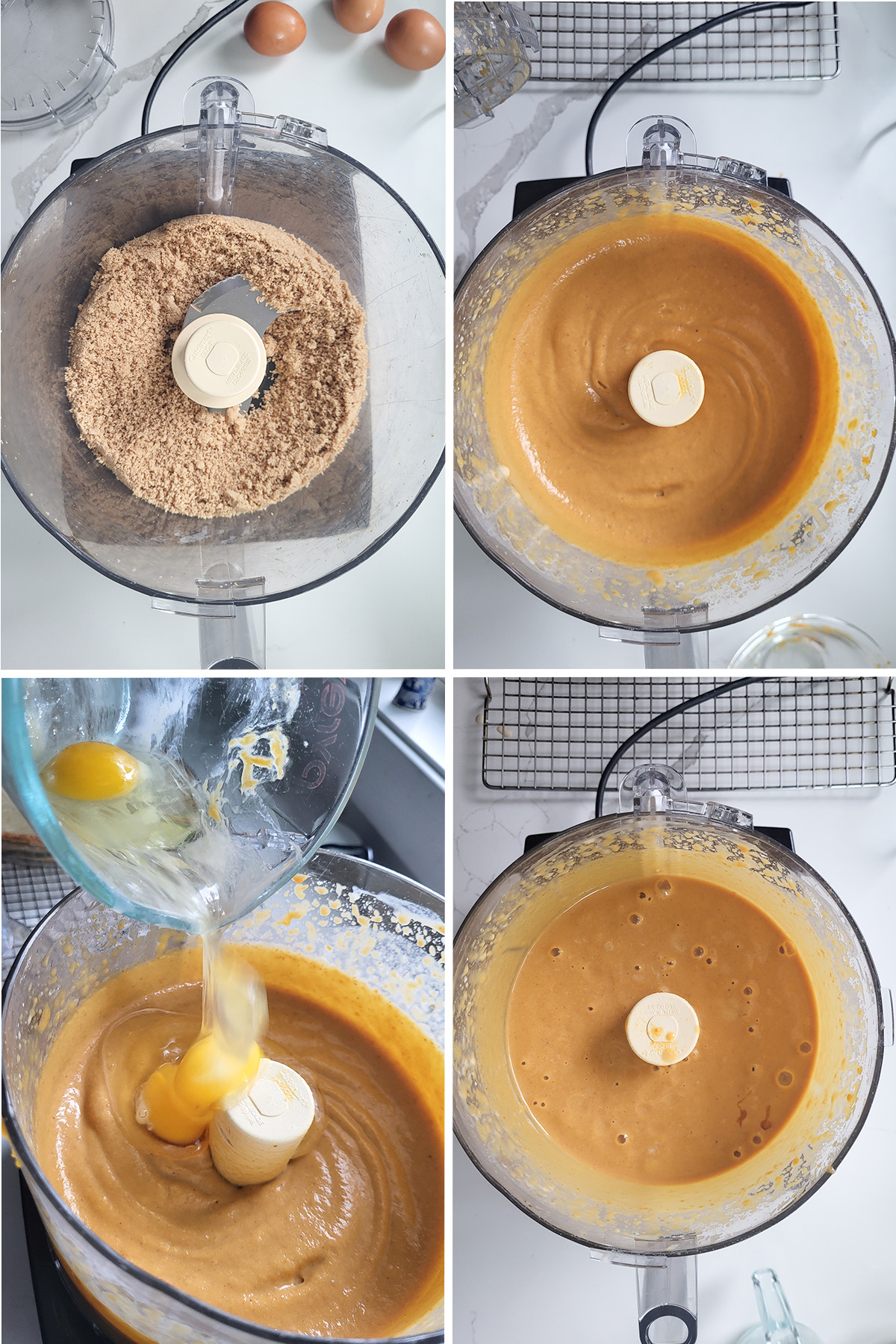
The filling construction is equally significant. While many traditional recipes utilize evaporated milk to provide structure, modern refinements favor a combination of whole milk and heavy cream. This adjustment enhances the mouthfeel, creating a more delicate, velvety texture. The use of a food processor for the blending stage is recommended by culinary experts; the high-speed blade breaks down the fibers of the pumpkin puree and ensures an even distribution of spices, which is difficult to replicate with manual whisking. Furthermore, straining the finished custard through a fine-mesh sieve is the final quality control measure, removing any remaining particulate matter or un-emulsified egg components that could lead to a grainy texture.
Scientific Troubleshooting and Quality Control
The culinary industry emphasizes specific benchmarks to determine when a pie has reached its optimal state of doneness. A common error is relying on a visual "clean knife" test; if a knife inserted into the center of a pumpkin pie emerges clean, the custard is already overbaked.
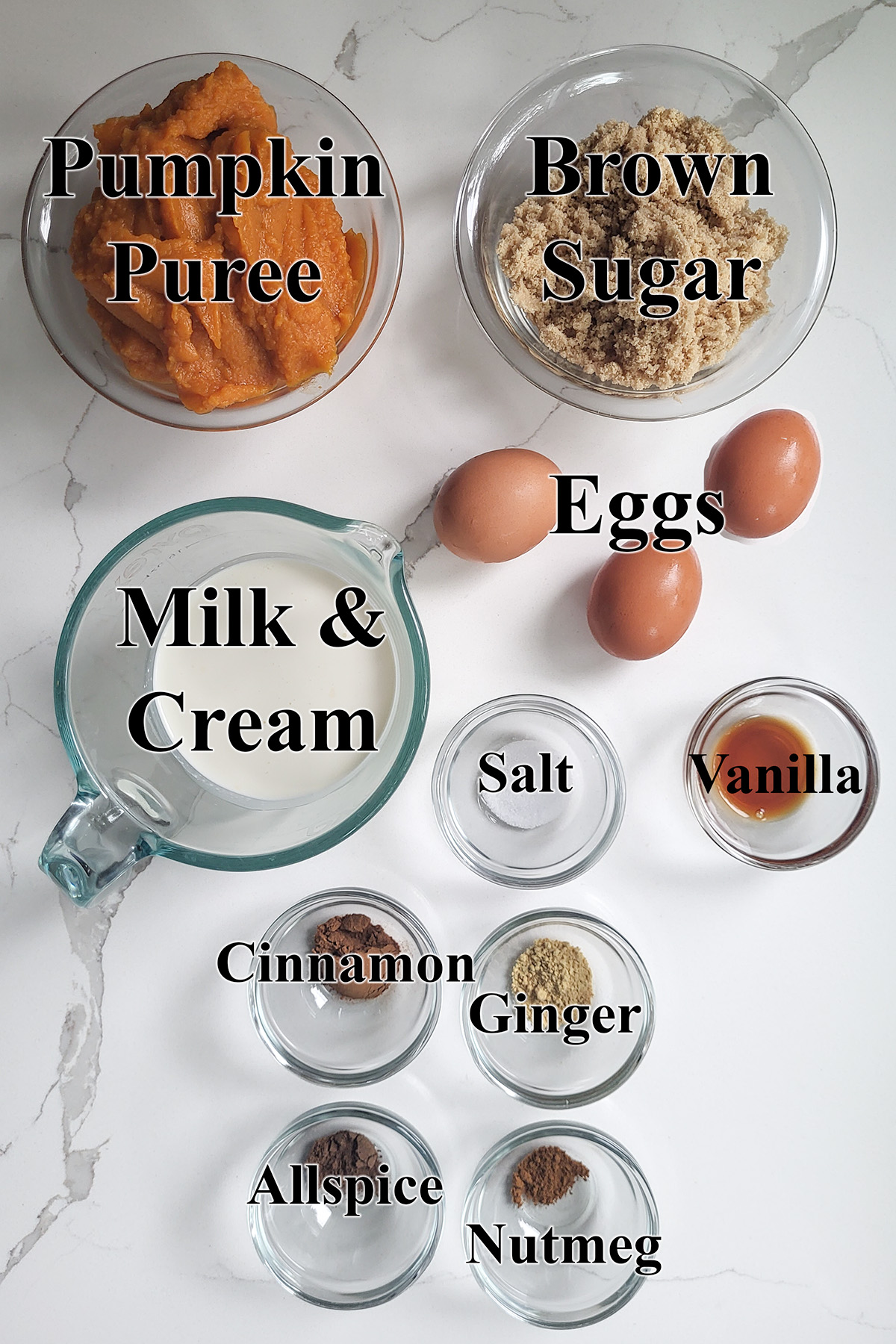
Instead, professional bakers utilize the "jiggle test" combined with thermometry. When the pan is nudged, the center two to three inches of the pie should exhibit a uniform, gel-like movement. An instant-read thermometer should register an internal temperature of approximately 175°F at the center. Once this threshold is met, the residual heat of the custard will complete the cooking process during the cooling phase.
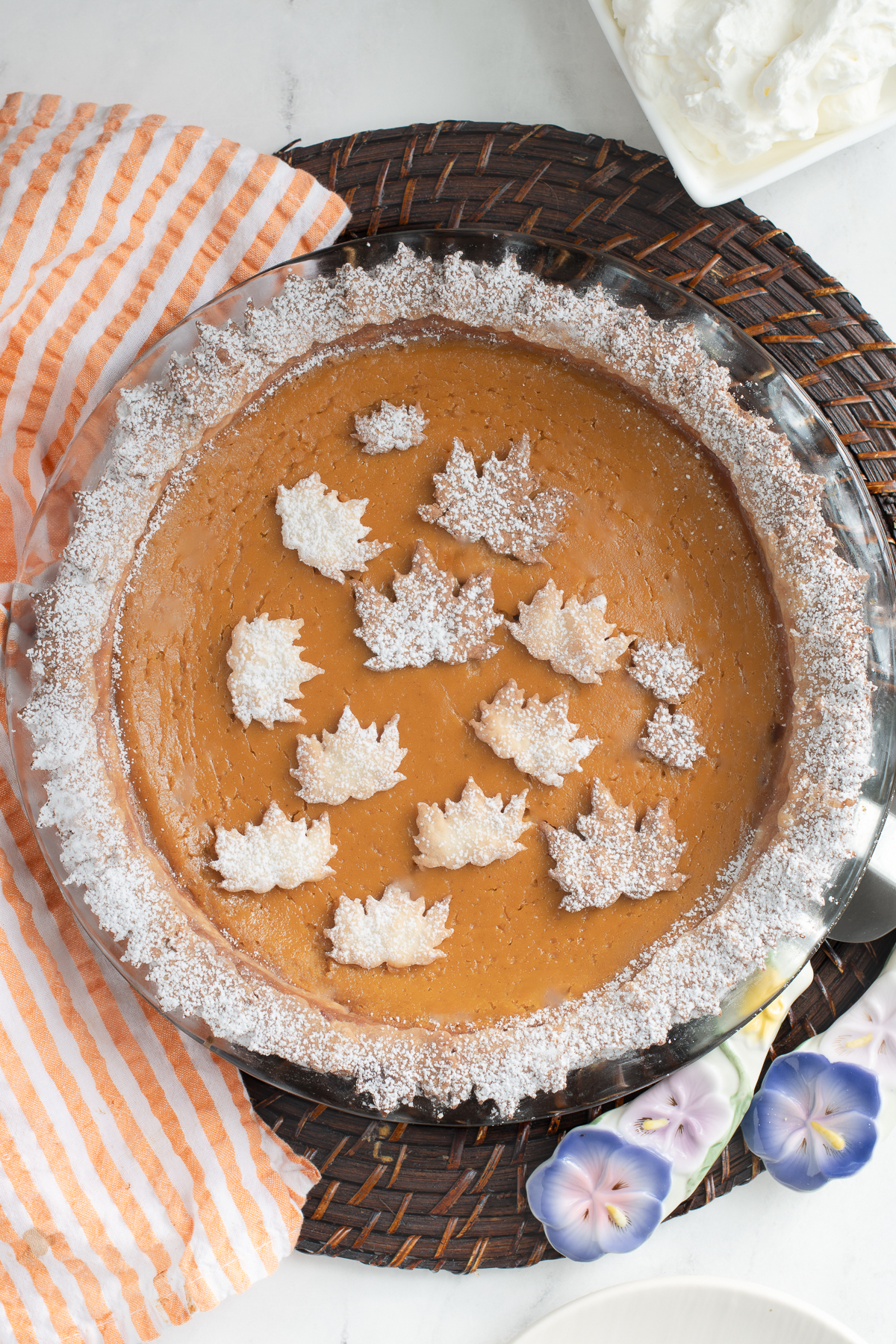
Cracking, another prevalent issue, is usually attributed to the rapid contraction of egg proteins when subjected to excessive heat or premature refrigeration. The recommended practice is to allow the pie to cool entirely at room temperature on a wire rack. This slow temperature descent allows the protein matrix to stabilize without structural failure. If cosmetic cracks do appear, they are not a sign of spoilage, but rather an indicator of thermal stress; they can be effectively mitigated with the application of decorative whipped cream or pastry cutouts.
Ingredient Economics and Sustainability
The cost of ingredients for a high-quality pie has seen moderate fluctuations, but the core components remain accessible. From an economic perspective, the shift toward using milk and cream over shelf-stable evaporated milk represents a move toward fresh, localized ingredient sourcing.
Data from the baking industry suggests that home-baking interest peaks between October and December, with pumpkin-based products seeing a 40% increase in search volume and grocery purchasing. The utilization of sugar for par-baking is a sustainable practice that reduces waste; the toasted sugar, having been repurposed as a heat-conducting medium, remains fully functional for future use in cookies, cakes, or other applications requiring caramelized notes.
Storage and Handling Best Practices
Proper storage is the final, often overlooked stage of the culinary process. Because pumpkin pie is a dairy-based custard, it is highly perishable. Food safety guidelines mandate that the pie must be refrigerated once cooled to room temperature. A shelf life of three days is standard for refrigerated product. For those looking to manage holiday schedules efficiently, freezing is a viable option; a fully baked and cooled pie can be stored for up to one month in a freezer. When thawing, it is imperative to do so within the refrigerator to prevent the growth of bacteria and to maintain the integrity of the custard’s texture.
Broader Implications for Home Baking
The resurgence of interest in "from-scratch" baking reflects a broader consumer trend toward culinary literacy. By understanding the underlying physics of the ingredients—why specific temperatures matter, how egg proteins function, and the necessity of starch setting in the crust—bakers are moving away from rigid, "blind" recipe following and toward a more intuitive, science-based approach.
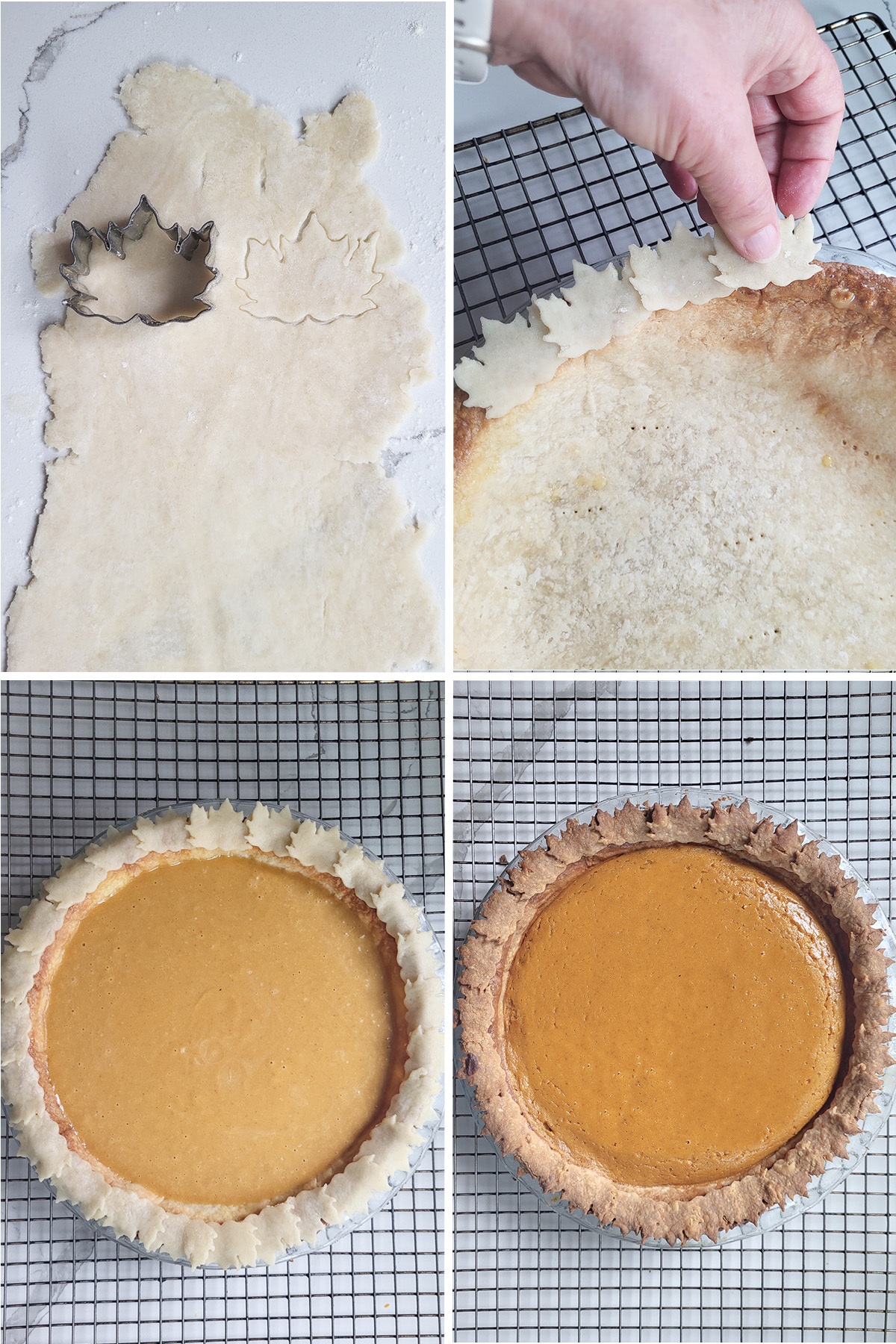
This transition from amateur to technical baking has significant implications for holiday food traditions. As home cooks become more proficient in managing the complexities of custards and pastry, the quality of traditional desserts continues to rise. The "standout" pumpkin pie is not the result of a secret ingredient, but rather the result of consistent, documented, and repeatable techniques. By prioritizing the structural integrity of the crust through par-baking and the silkiness of the filling through mechanical processing and straining, the modern baker ensures a consistent result that satisfies the aesthetic and textural expectations of the contemporary palate.
Ultimately, the goal of the seasonal baker is to balance the nostalgia of a classic flavor profile with the precision of modern culinary standards. By viewing the kitchen as a laboratory, the home cook can eliminate the variability that often leads to failure, ensuring that the centerpiece of the holiday table is as reliable as it is delicious. The shift toward these professional-grade methodologies underscores a wider appreciation for the skill required to execute a "simple" dish to perfection.



0 Komentar
Sampaikan opini dan diskusi yang membangun dengan bahasa yang santun.
No Comments Yet
Be the first to share your thoughts on this story.