The Best Fall Dessert Recipes and Seasonal Culinary Trends Shaping Home Kitchens

As the meteorological transition from late summer to autumn occurs, home bakers across North America adjust their culinary repertoires to align with the changing seasonal availability of produce and the psychological shift toward comfort-based baking. Data from food industry analysts indicates that the “Fall Baking Season,” which begins with the first consistent drop in morning temperatures in September and persists through the end of December, represents the most significant period of engagement for domestic baking activities. This phenomenon is characterized by a marked increase in the consumption of specific spices—namely cinnamon, nutmeg, ginger, and cloves—and the utilization of seasonal produce such as apples and pumpkins.

The Seasonal Shift in Domestic Baking
The transition into autumn is not merely a change in temperature but a comprehensive shift in consumer behavior within the domestic sphere. Industry reports from home-baking supply companies demonstrate a sharp spike in the sale of baking staples, such as flour, sugar, and various leavening agents, beginning in mid-September. This trend is driven by the desire to recreate traditional, nostalgic sensory experiences associated with the season.

Professional pastry chefs observe that the appeal of autumnal baking lies in its emphasis on warmth and texture. The popularity of recipes such as Apple Crisp or Pumpkin Bread is rooted in their ability to provide a sensory connection to the cooling weather. The "Sit and Stay Awhile Apple Crisp," a hallmark of this period, relies on a crunchy oat topping and minimal preparation, catering to the need for efficient yet satisfying domestic production. Similarly, the popularity of pumpkin-based goods, such as Pumpkin Bread with Walnuts, is bolstered by the biological fact that these items often exhibit improved flavor profiles 24 to 48 hours after baking, as the moisture and spices integrate more fully.

Culinary Chronology: A Season of Preparation
The progression of the autumn baking cycle generally follows a logical, seasonal timeline. Early September is marked by the harvesting of late-summer and early-autumn apple varieties, leading to a surge in recipes utilizing fresh fruit. By mid-October, the focus shifts toward pumpkin and deeper, more robust spice profiles. As November approaches, the culinary output moves toward large-format desserts suitable for communal gatherings and the impending Thanksgiving holiday.

This chronology is supported by search trends in culinary databases, which show a distinct shift from "quick, small-batch bakes" in September to "large-format, transportable cakes" by November. The "Apple Cinnamon Texas Sheet Cake," for instance, has emerged as a preferred solution for social hosts due to its high yield and ease of transport. The logistical efficiency of sheet cakes allows for the rapid service of guests, a recurring requirement as the social calendar becomes increasingly dense during the holiday season.

The Science and Economics of Seasonal Ingredients
The reliance on specific ingredients during this window is supported by agricultural data. The peak season for pumpkin and squash aligns perfectly with the cooling weather, providing a cost-effective and abundant resource for home cooks. Furthermore, the integration of browned butter—a technique involving the heating of butter until the milk solids caramelize—has become a dominant trend in modern home baking. This process creates a nutty, complex flavor profile that elevates standard recipes like Browned Butter Oatmeal Apple Cookies or Browned Butter Pumpkin Texas Sheet Cakes.

From an economic standpoint, the "baking at home" sector remains resilient. Even during periods of inflationary pressure, the cost-per-serving of a homemade dessert remains significantly lower than commercially purchased alternatives. Industry analysts note that this "lipstick effect" of the kitchen—where consumers spend small amounts on high-quality ingredients to produce premium experiences—drives consistent growth in the baking aisle during economic downturns.

Analysis of Modern Baking Trends: From Oven-Free to Complex Projects
Current culinary analysis identifies two distinct, diverging trends among home bakers: the demand for "low-effort, high-reward" recipes and the growth of "weekend project" baking.

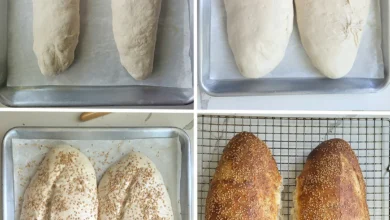
The preference for no-bake items, such as Pumpkin Spice Tiramisu, reflects a modern, fast-paced lifestyle where the oven may be occupied by main courses or where the baker desires a sophisticated result without the necessity of heat. Conversely, the rise of the "Overnight Apple Fritter Focaccia" points to a counter-movement: the hobbyist baker who seeks to utilize the extended time afforded by weekends to engage in complex, multi-stage fermentation and assembly processes.

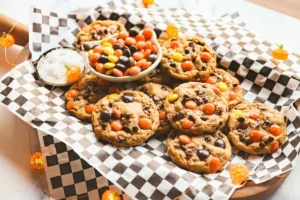
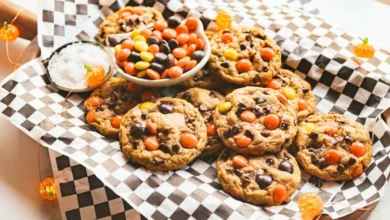
This bifurcation highlights a broader cultural trend in food preparation. The modern home cook is increasingly pragmatic, utilizing "one-bowl, one-pan" recipes like Candy Bar Blondies to address the practical reality of leftover holiday inventory (such as Halloween candy), while simultaneously seeking out high-craft experiences that offer personal satisfaction and tangible culinary output.

Sociological Implications of Shared Food
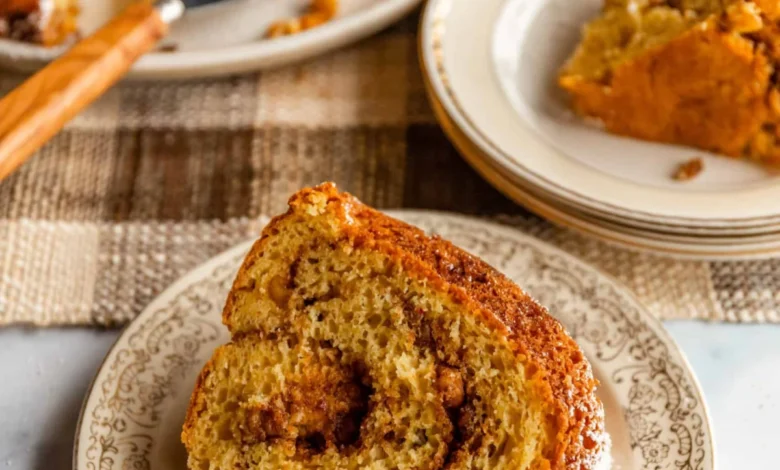
The act of baking during the autumn months serves a function beyond simple caloric intake; it acts as a social glue. The "Perfect Cinnamon Bundt Cake" is frequently cited in food studies as a primary example of "olfactory memory," where the scent of a kitchen acts as a trigger for comfort and domestic stability.

Expert culinary sociologists suggest that the repetition of these recipes—making the same pumpkin bread or apple crisp year after year—is a form of ritualized behavior. This behavior provides individuals with a sense of continuity in a changing environment. When recipes are passed down or associated with family history, they become cultural artifacts that define the "home" environment. This is perhaps best exemplified by the popularity of "Breakfast that is honestly dessert," such as Bread and Butter Bread Pudding or Browned Butter Banana Bread, which blur the lines between nourishment and indulgence, reinforcing the communal and comforting nature of the meal.

Broader Impact and Future Outlook
Looking toward the future, the integration of global spice profiles into traditional Western autumn desserts is expected to continue. The success of recipes like the Chai Sugar Cookies, which utilize a blend of black tea, cardamom, ginger, and cinnamon, indicates a more adventurous palate among home bakers. This evolution of the "traditional" fall flavor profile reflects a broader trend toward the diversification of domestic kitchens.

As we look at the trajectory of these culinary habits, it is evident that the "best" fall recipes are those that balance tradition with efficiency. Whether it is the quick, one-bowl blondie or the overnight, multi-stage focaccia, the common thread remains the same: the home oven continues to be the heart of the seasonal home. Industry experts anticipate that as technology continues to integrate into the kitchen—through smart ovens and precision tools—the complexity of these "weekend projects" will increase, while the demand for high-quality, reliable, "no-fuss" recipes will remain the bedrock of the home baking industry.

For those looking to refine their repertoire, the consensus among professional home-baking experts is to focus on mastering foundational techniques: the browning of butter, the proper preparation of fruit fillings, and the understanding of spice ratios. These skills, once established, allow for the adaptation of any recipe, ensuring that the warmth of the autumn season is preserved in the kitchen, regardless of the year. The longevity of these recipes—many of which have been staples for over a decade—serves as proof that while trends in food may fluctuate, the fundamental human desire for a warm, fragrant, and freshly baked treat remains a permanent fixture of the autumn season.