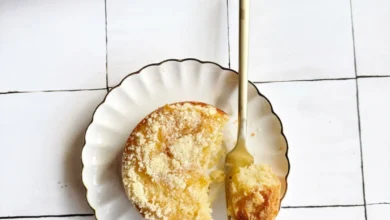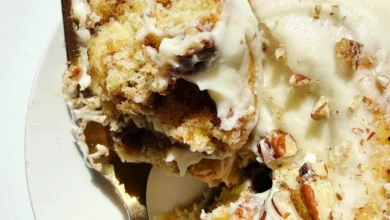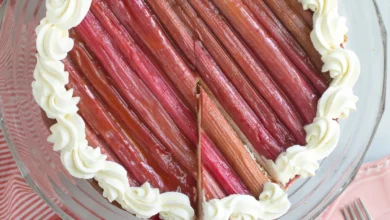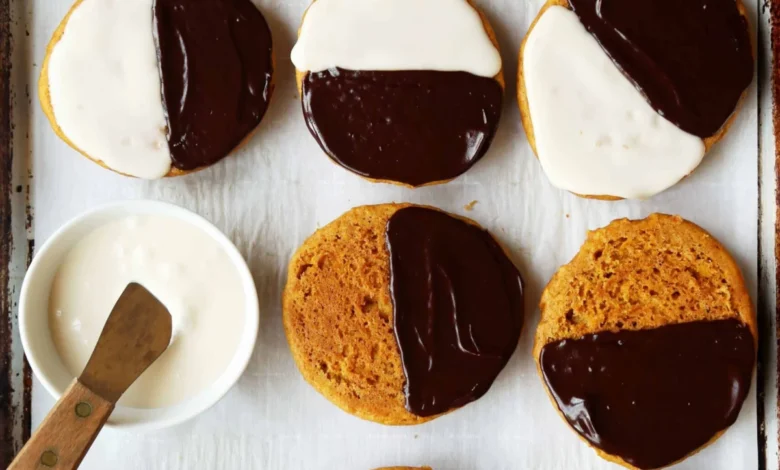
While Thanksgiving tradition has historically centered on the pie—pumpkin, apple, and pecan being the perennial leaders—a shifting culinary landscape has positioned the cookie plate as a strategic necessity for the modern host. Data from culinary market analysts suggests that while traditional desserts remain the centerpiece of the holiday meal, there is a growing consumer preference for portable, portion-controlled, and make-ahead alternatives. The cookie has emerged as the quiet MVP of the Thanksgiving dessert table, offering a solution to the limitations of traditional pies: they are easier to transport for travel, significantly more conducive to long-term preparation, and provide a vital alternative for guests who may not favor the density of a traditional custard or fruit-based pie.

The Evolution of the Thanksgiving Dessert Table
Historically, the Thanksgiving dessert menu in the United States has been rigid, dictated by harvest cycles and colonial-era traditions. However, the last decade has seen a notable diversification in the offerings presented at the conclusion of the feast. Professional bakers and home culinary enthusiasts alike have noted that the "crowd-pleasing" factor is increasingly important in a high-pressure holiday environment.
Market observations indicate that hosts are moving away from single-dish reliance toward "dessert stations." This allows for a wider range of flavor profiles, from warm, spiced autumn classics to more indulgent, high-texture confections. The inclusion of cookies allows for a tiered approach to hospitality, where specific items are curated for different demographics—ranging from sophisticated, coffee-infused treats for adults to nostalgic, peanut butter-heavy options for the younger generation.

Strategic Advantages of Cookie Preparation
The primary logistical hurdle of Thanksgiving is the reliance on a single oven, which is typically occupied by the turkey for several hours. The rise in cookie popularity is, in part, a reaction to this bottleneck. Cookies provide a unique logistical advantage due to their freezer-stability.
Industry standards for home baking suggest that high-fat, high-sugar doughs, such as those utilizing browned butter, maintain their structural integrity for up to three months when properly sealed in a freezer. By utilizing a "scoop-and-freeze" method, hosts can prepare the foundation of their dessert table weeks in advance, requiring only a brief oven window during the final hours of the holiday preparations. This shift reflects a broader trend in holiday hosting: the prioritization of efficiency and stress reduction without compromising the quality of the final product.

Profiles in Baking: Texture and Flavor Trends
The current trend in seasonal baking emphasizes the manipulation of butter—specifically the Maillard reaction achieved through browning—to create complex, toffee-like notes. The "browned butter" technique has become a gold standard in modern culinary blogs and test kitchens, as it elevates basic chocolate chip recipes into something perceived as more artisanal.
| Cookie Category | Primary Ingredient | Culinary Profile |
|---|---|---|
| Spiced/Seasonal | Chai, Pumpkin, Apple | High aromatic density; reflective of autumn harvest. |
| Brown-Butter Classics | Caramelized Butter | Toffee notes; deep, savory-sweet balance. |
| Nutty/Textured | Macadamia, Walnut, Brittle | High contrast in texture; crunch vs. chew. |
| Nostalgic/Novelty | Marshmallow, Peanut Butter | Low barrier to entry; high child-appeal. |
The adoption of viral recipes, such as those popularized by celebrities (e.g., chai-infused sugar cookies), demonstrates how social media influence has integrated into traditional holiday planning. These recipes are often characterized by a "cozy" sensory experience, aligning with the cultural desire for comfort during the cooling months of late November.

Analytical Overview of Holiday Baking Logistics
When analyzing the implications of this dessert shift, several key factors emerge. First, the reduction in labor intensity during the actual holiday ensures that the cook is not sequestered in the kitchen, allowing for greater social integration. Second, the cost-to-portion ratio of a cookie plate is generally more favorable than that of a multi-pie spread. A single batch of cookies can produce two dozen units, whereas a single pie serves eight to ten individuals, making cookies a more economical choice for large gatherings.
From a nutritional standpoint, cookies allow for greater moderation. While Thanksgiving is traditionally associated with overindulgence, the ability to select a small, single-serving cookie provides a psychological sense of completion without the caloric weight of a large slice of pie. This has contributed to the rise of the "cookie tin" tradition, where leftovers can be easily distributed to guests at the end of the evening, effectively clearing the kitchen of excess sweets.

Chronology of Preparation for Maximum Success
To achieve professional-level results, home cooks are advised to follow a strict timeline that separates the prep from the execution:
- Three Weeks Prior: Develop a menu that balances textures (soft vs. crunchy) and flavors (spiced vs. chocolate).
- Two Weeks Prior: Execute the mixing phase. Portion the dough into uniform balls and freeze on parchment-lined sheets.
- One Week Prior: Transfer frozen dough to airtight, freezer-safe containers or vacuum-sealed bags to prevent freezer burn and odor absorption.
- Thanksgiving Eve: Prepare any necessary glazes or brittle components that cannot be frozen.
- Thanksgiving Day: Bake from frozen. Most cookie recipes require only an additional 1–2 minutes of oven time when starting from a frozen state, allowing for fresh-from-the-oven quality while the oven is at its least congested.
The Role of Nostalgia and Innovation
The continued popularity of "Fluffernutter" style cookies and other childhood-inspired treats indicates that Thanksgiving remains a time for comfort-seeking. Culinary historians note that during periods of economic or societal uncertainty, consumers gravitate toward "nostalgia baking." The marriage of classic flavors—such as peanut butter and marshmallow—with modern techniques, such as the use of high-quality sea salts and browned butter, represents a synthesis of the traditional and the contemporary.

Furthermore, the inclusion of "grown-up" cookies, such as those featuring espresso or cappuccino notes, acknowledges that the holiday guest list is rarely homogenous. By catering to the refined palates of adult guests while providing high-sugar, high-fun items for children, the host creates an inclusive environment that acknowledges the diversity of the dinner table.
Broader Implications for Holiday Planning
As the Thanksgiving table continues to evolve, the shift toward a more modular dessert menu appears permanent. The decline of the single-dessert mandate in favor of a variety of high-quality cookies allows for a more flexible, less stressful, and more inclusive holiday experience. The ability to rely on freezer-friendly, make-ahead recipes ensures that the host can maintain the quality of the meal while participating in the event itself.

While the pie will likely remain the symbolic centerpiece of Thanksgiving, the cookie has firmly established itself as the operational backbone of the holiday feast. For those looking to streamline their holiday responsibilities, the evidence is clear: by shifting focus to a well-curated, prepared-in-advance cookie selection, one can satisfy the demands of a crowd, honor the flavors of the season, and reclaim the time that would otherwise be spent in the kitchen on the day of the celebration.
Related posts: