
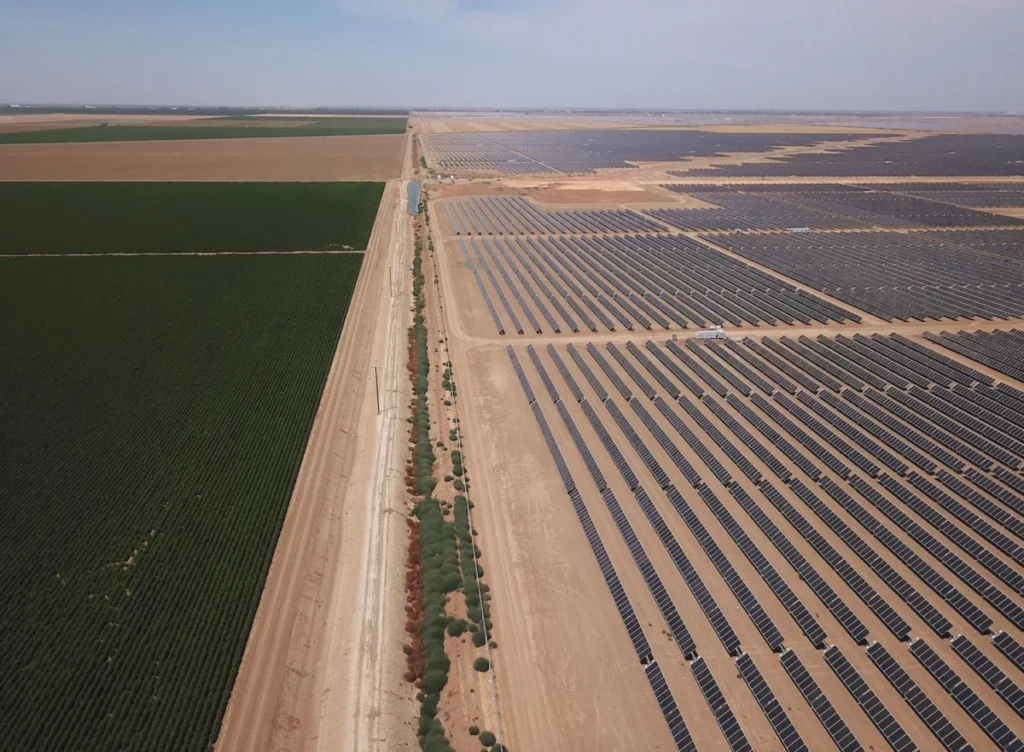
The global transition toward renewable energy has set off an unexpected land-use conflict across rural landscapes, pitting two vital climate solutions against one another: utility-scale solar installations and regenerative agriculture. As governments worldwide strive to meet aggressive carbon-reduction targets, agricultural land is increasingly viewed by renewable energy developers as prime real estate for photovoltaic arrays. At the same time, conservationists and soil scientists emphasize that preserving fertile topsoil and scaling up regenerative farming practices are equally critical mechanisms for sequestering atmospheric carbon and ensuring long-term global food security.
This tension creates profound economic and operational dilemmas for modern farmers. While transitioning to regenerative models—such as no-till farming, cover cropping, and holistic livestock grazing—offers a pathway to restore degraded ecosystems and combat climate change, the guaranteed, passive income generated by leasing land to solar developers often proves too lucrative to refuse. Industry analysts, policymakers, and agricultural stakeholders are now racing to determine whether these competing land uses must remain mutually exclusive, or if emerging technological frameworks can successfully bridge the gap between clean energy production and food security.
The Genesis of Regenerative Farming and Modern Land Pressures
Back around 2011, Jonathan Cobb and his wife, Kaylyn, embarked on what he described as a straightforward mission. Managing a few hundred acres of leased and family-owned farmland in Central Texas—ground that had spent decades dedicated to conventional row crops of corn and cotton—the couple resolved to restore natural vitality to the heavy clay soil. Their strategy centered on establishing a diverse canopy of native perennial plants, including silver bluestem, yellow Indian grass, and Maximilian sunflowers, whose deep root systems were intended to rebuild organic matter, enhance water-retention capacity, and accelerate nutrient cycling.
The Great Corporate Takeover: How Chain Restaurants Are Reshaping the American Dining Landscape
Operating under the banner of Green Fields Farm, the Cobbs eventually introduced rotational livestock grazing designed to mimic the historical migration patterns of wild bison herds. Their holistic approach was quickly championed by sustainability-focused nonprofits as a prime example of regenerative agriculture. By eschewing synthetic fertilizers, chemical pesticides, and traditional tilling, proponents argue that regenerative methods can transform agriculture from a major greenhouse gas contributor into a net carbon sink. Estimates suggest that increasing global soil carbon content by just two percent could effectively stabilize atmospheric greenhouse gas concentrations.
However, the day-to-day reality of maintaining a regenerative operation is fraught with financial and cultural hurdles. Farmers navigating the transition often face steep learning curves, steep equipment costs, and resistance from older generations accustomed to conventional, high-input farming methods. According to data from the American Farmland Trust (AFT), U.S. farmers lost roughly 11 million acres of agricultural land to development between 2001 and 2016 alone. Amid these persistent economic pressures, the rapid expansion of utility-scale solar developments—spurred by federal clean energy mandates and private corporate commitments—presents a compounding threat to the preservation of working agricultural lands.
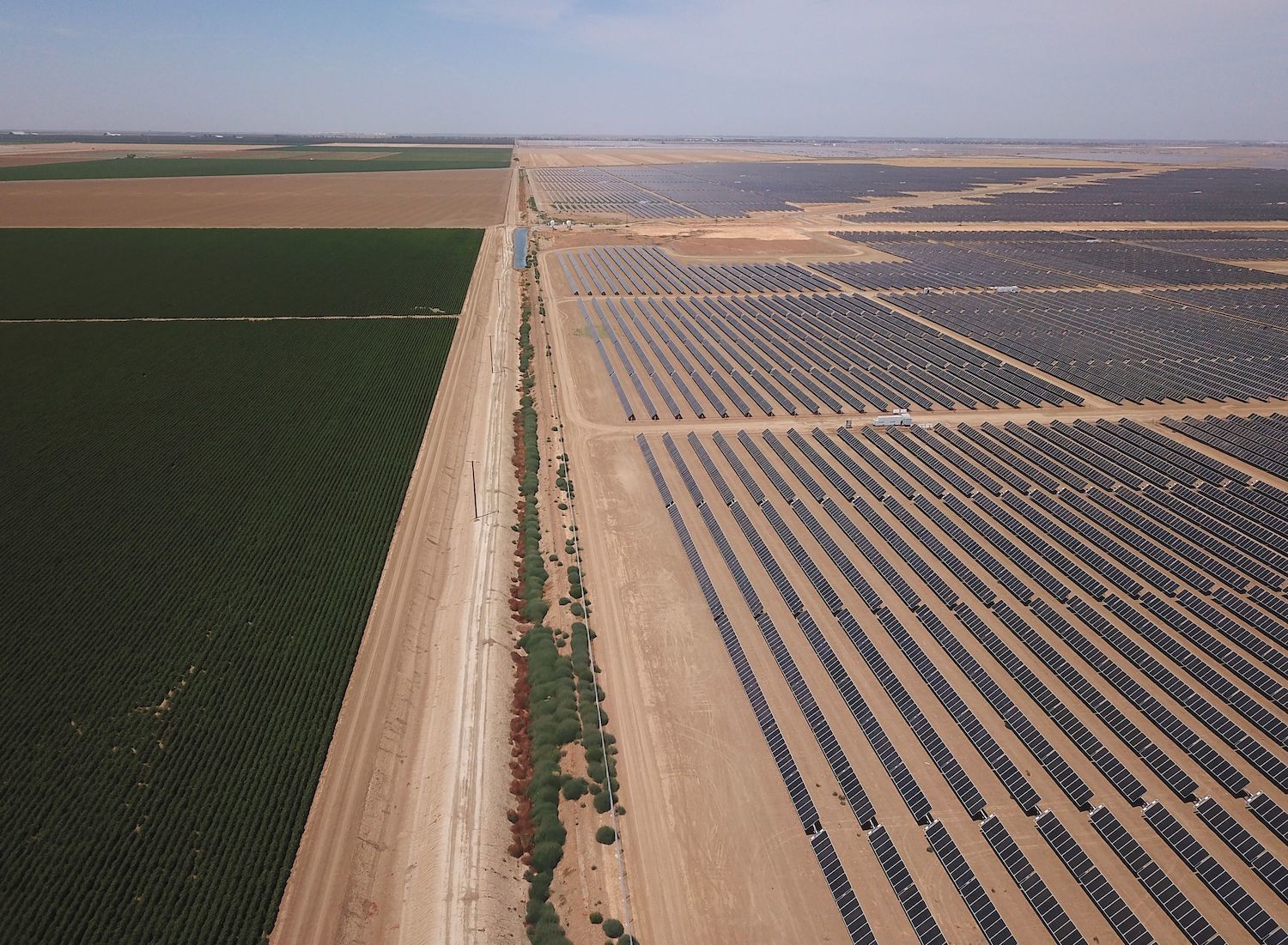
The Economic Pull of Clean Energy Versus Ecological Stewardship
The imperative for renewable energy infrastructure is undeniable. Meeting international climate objectives requires a massive expansion of solar generation capacity. In the United States, utility-scale solar capacity expanded by 26 percent between 2019 and 2020, a growth trajectory that continues to accelerate. Mitch Hunter, research director at the American Farmland Trust, underscores the necessity of this transition, noting that achieving national climate goals is impossible without substantial solar deployment.
Simultaneously, conventional agriculture remains a significant source of environmental degradation, emitting hundreds of millions of metric tons of carbon dioxide equivalent annually in the United States alone, alongside contributing to waterway pollution and habitat loss. Regenerative practices offer a scientifically backed antidote to these impacts, yielding soils that demonstrate superior resilience during severe droughts, resist erosion during extreme weather events, and support local biodiversity.
Despite these environmental benefits, the financial calculus heavily favors solar leasing. For landowners operating on thin profit margins or facing retirement on fixed incomes, signing a multi-decade lease with a solar developer provides predictable, passive revenue that dwarf the financial returns and inherent labor risks of farming. In Texas and other agricultural hubs, this economic disparity has driven a wedge into rural communities, displacing traditional crop and livestock production and eroding the specialized infrastructure and localized knowledge networks that sustain agricultural economies.
International Precedents and the Promise of Agrivoltaics
Recognizing the impending land-use crisis, governments and researchers internationally are exploring innovative frameworks to harmonize solar energy generation with agricultural production. Germany implemented legislative measures to open up agricultural land to solar installations through a dual-use model, permitting the parallel utilization of plots for both food crops and electricity generation. The German government established financial support frameworks for farmers integrating solar infrastructure across up to 15 percent of their landholdings, prioritizing national food security alongside renewable expansion.
Similarly, Japan has regulated agrivoltaics—the simultaneous use of land for both solar photovoltaic power generation and agriculture—since 2013. Under its "solar sharing" mandates, commercial solar projects established on farmland must actively facilitate ongoing crop cultivation or livestock grazing beneath or around the panel arrays.
In the United States, research into agrivoltaics is gaining institutional momentum, spearheaded by initiatives like the InSPIRE project led by Jordan Macknick at the National Renewable Energy Laboratory (NREL) in Golden, Colorado. Funded by the U.S. Department of Energy, NREL researchers are analyzing the performance of agrivoltaic systems across dozens of diverse geographic locations, studying variables such as crop yields, soil moisture retention, microclimate shading effects, and erosion control.
Technological and Financial Impediments to Scaled Integration
Despite its theoretical potential, widespread adoption of agrivoltaics faces significant structural and economic hurdles. Foremost among these is capital expenditure. Standard utility-scale solar arrays are mounted low to the ground to minimize structural costs and wind resistance. Elevating these panels to accommodate large agricultural machinery, tall native plants, or grazing cattle requires substantially more structural steel, driving up upfront construction costs.
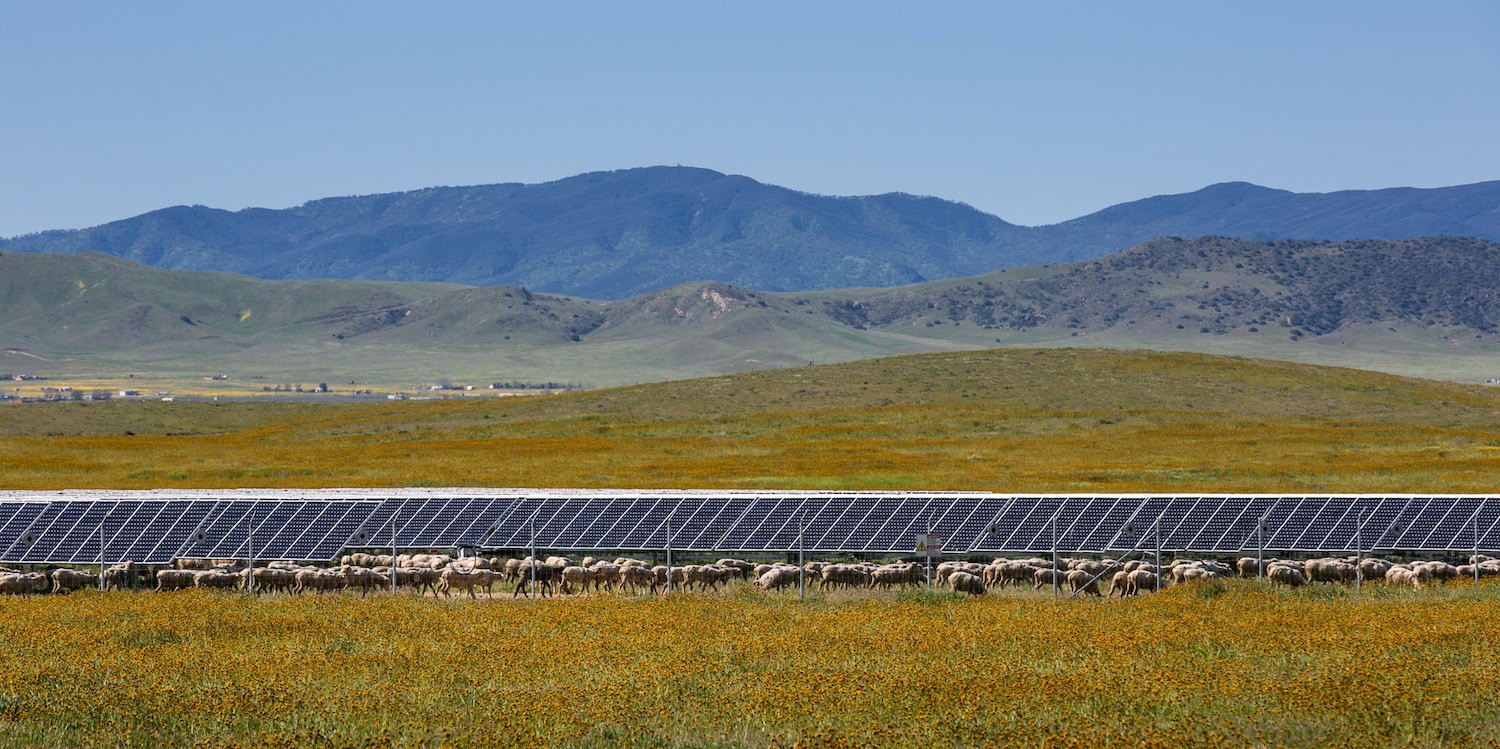
Consequently, current U.S. agrivoltaic applications are largely limited to lower-slung livestock, primarily sheep, which naturally graze the vegetation growing beneath panel arrays while simultaneously reducing maintenance costs for solar operators by replacing mechanical mowing. Developing "cutting-edge" tracking systems that dynamically adjust panel angles to optimize both solar energy capture and light transmission to underlying crops remains an expensive, developing frontier.
Experts emphasize that successful agrivoltaics requires collaborative design from the outset. Rather than merely elevating standard arrays, engineers and agriculturalists are experimenting with wider row spacing, optimized irrigation layouts, and strategically placed fencing to ensure unimpeded access for tractors and farm workers. Furthermore, industrial row-crop operations, which dominate prime agricultural acreage, remain poorly suited to agrivoltaic integration due to the sheer scale of heavy machinery required. Conversely, smaller-scale and regenerative operations present more natural synergies with compatible renewable energy infrastructure.
Implications and the Path Forward
As the renewable energy transition accelerates, agricultural communities face critical choices regarding land stewardship and economic survival. Preserving the integrity of the nation’s food-producing regions while aggressively deploying clean energy infrastructure will require sophisticated policy interventions, targeted financial incentives, and continued innovation in dual-use technologies.
Without proactive planning, the loss of working agricultural land threatens not only immediate food production capacities but also the generational transfer of agronomic knowledge and rural community infrastructure. Balancing these competing imperatives demands a nuanced, multidisciplinary approach—one that recognizes clean energy and regenerative agriculture not as adversaries competing for the same dirt, but as complementary pillars of a resilient, sustainable future.






0 Komentar
Sampaikan opini dan diskusi yang membangun dengan bahasa yang santun.
No Comments Yet
Be the first to share your thoughts on this story.