The Rise of Artisanal Fermentation: Mastering Traditional Sichuan Pickled Mustard Greens at Home

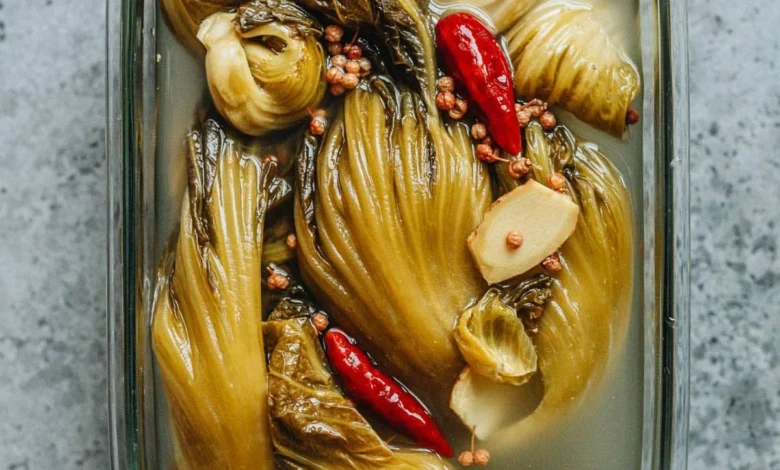
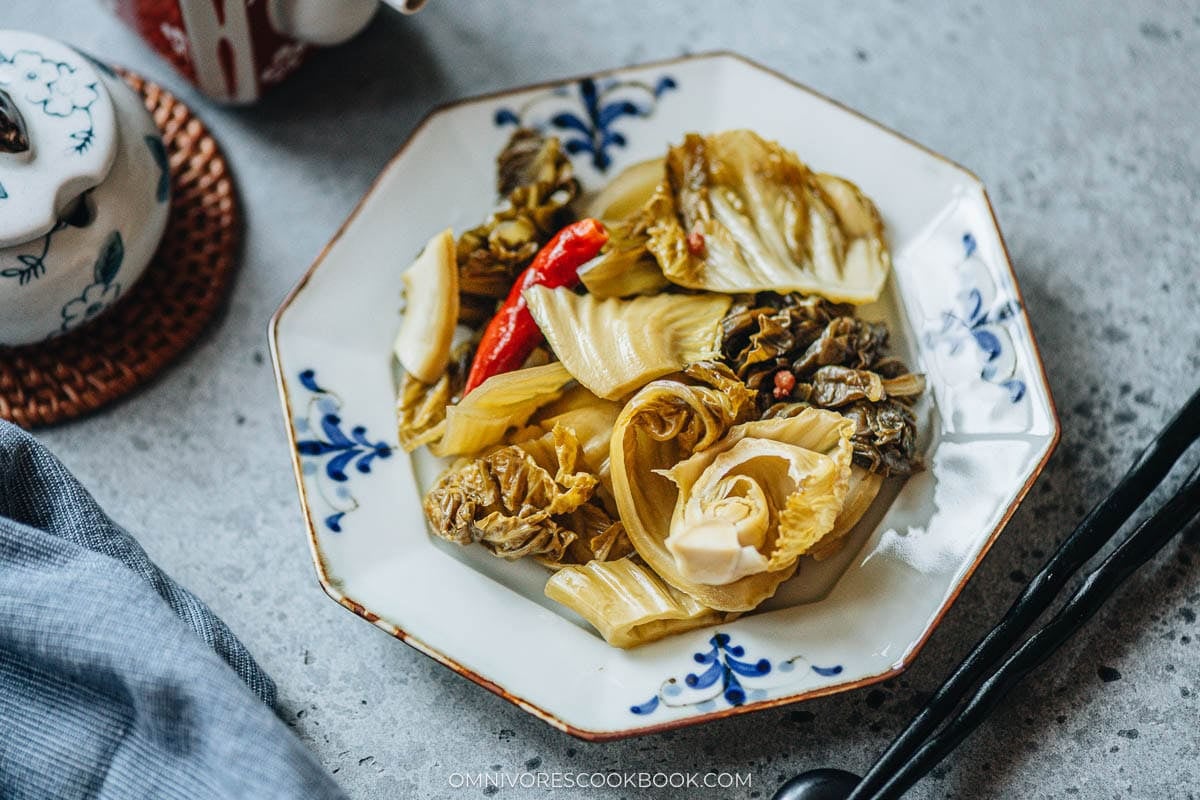
The culinary landscape of southern China has long relied on the complex, acidic notes of traditionally preserved vegetables to elevate everyday pantry staples. Among these, Sichuan pickled mustard greens—locally known as suan cai—occupy a foundational role. Far removed from the quick-pickling methods that utilize vinegar infusions, authentic suan cai achieves its characteristic flavor profile through lacto-fermentation. This biological transformation converts natural sugars within the plant matter into lactic acid, yielding a savory, deeply nuanced profile that commercial producers have struggled to replicate without heavy reliance on sodium and chemical preservatives.
Cultural Significance and Historical Context
Fermentation in Sichuan cuisine is not merely a method of food preservation; it is an culinary art form deeply embedded in the geography and climate of the region. Historically, regions characterized by high humidity and seasonal temperature fluctuations developed sophisticated preservation techniques to ensure food security year-round.
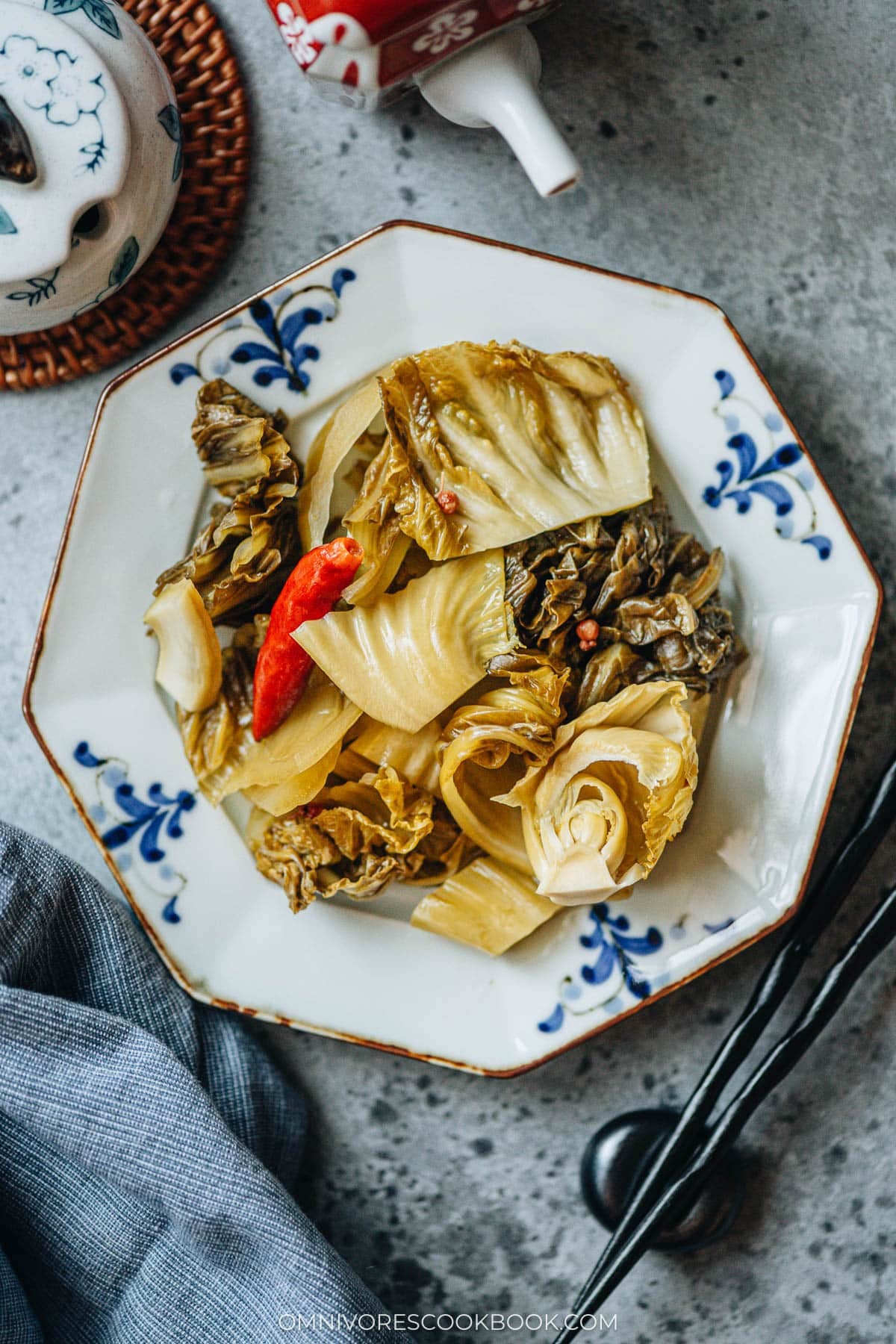
In contemporary kitchens, suan cai serves as an indispensable aromatic and flavor base for iconic dishes such as Suan Cai Yu (Sichuan fish soup), alongside countless stir-fries, noodle soups, and congee pairings. However, modern culinary enthusiasts have increasingly turned away from mass-market variants. Commercial iterations are frequently criticized by home cooks and traditionalists alike for their excessive salt content, singular dimension of flavor, and inclusion of artificial preservatives. Crafting these greens at home allows for precise control over salinity, fermentation duration, and the infusion of regional aromatics.
The Science of Lacto-Fermentation vs. Vinegar Pickling
Understanding the biochemistry of suan cai requires examining the distinction between quick-pickling and genuine fermentation. While quick pickles rely on an exogenous acid—typically vinegar—to instantly lower the pH of the food, lacto-fermentation is a biological process driven by endogenous lactic acid bacteria, primarily species of Lactobacillus.
When fresh mustard greens are submerged in a carefully calibrated saline solution, anaerobic conditions are created. These conditions inhibit the proliferation of pathogenic microorganisms while allowing halotolerant lactic acid bacteria to thrive. Over a period of several days to weeks, these bacteria consume the natural carbohydrates present in the mustard greens, producing lactic acid as a metabolic byproduct. This gradual acidification creates a rounded, harmonious sourness that cannot be artificially duplicated, accompanied by a subtle effervescence and umami enhancement.
Essential Ingredients and Preparation Protocols
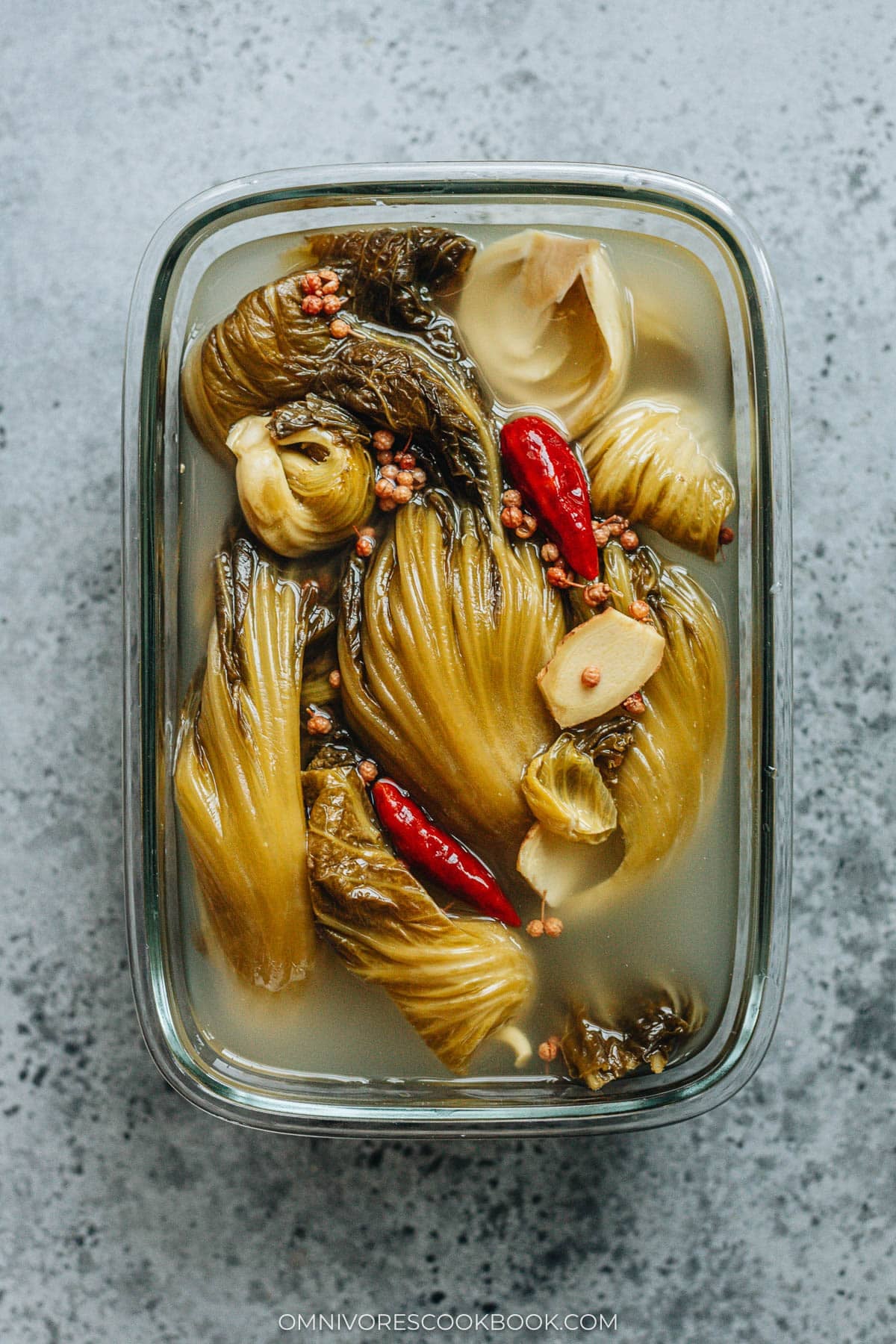
The successful execution of traditional Sichuan pickled mustard greens relies on a minimal yet precise roster of ingredients. The primary medium requires fresh mustard greens, selected for their robust structural integrity.
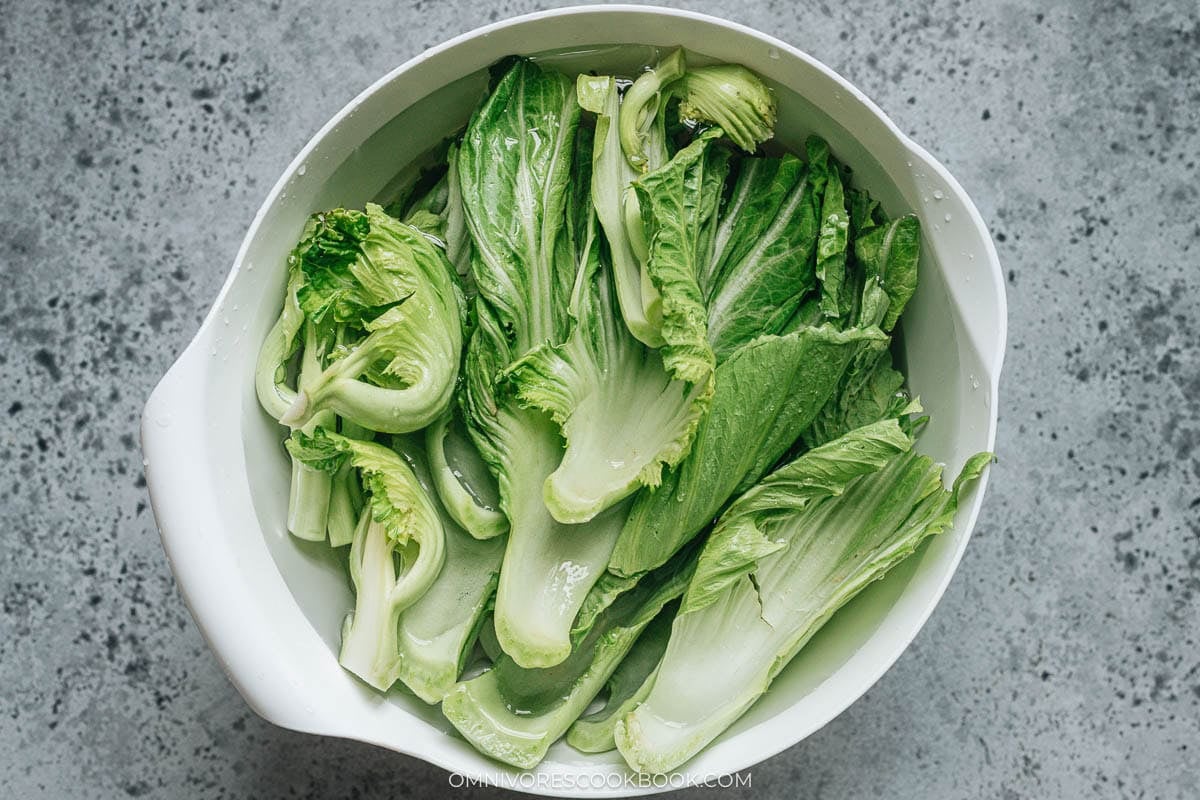
- Vegetable Selection and Preparation: Fresh mustard greens undergo a rigorous trimming process where tough root ends are discarded and cores are bisected to allow brine penetration. Unlike vegetables that are finely shredded prior to brining, keeping the leaves largely intact ensures that the final product retains a desirable, crisp textural snap.
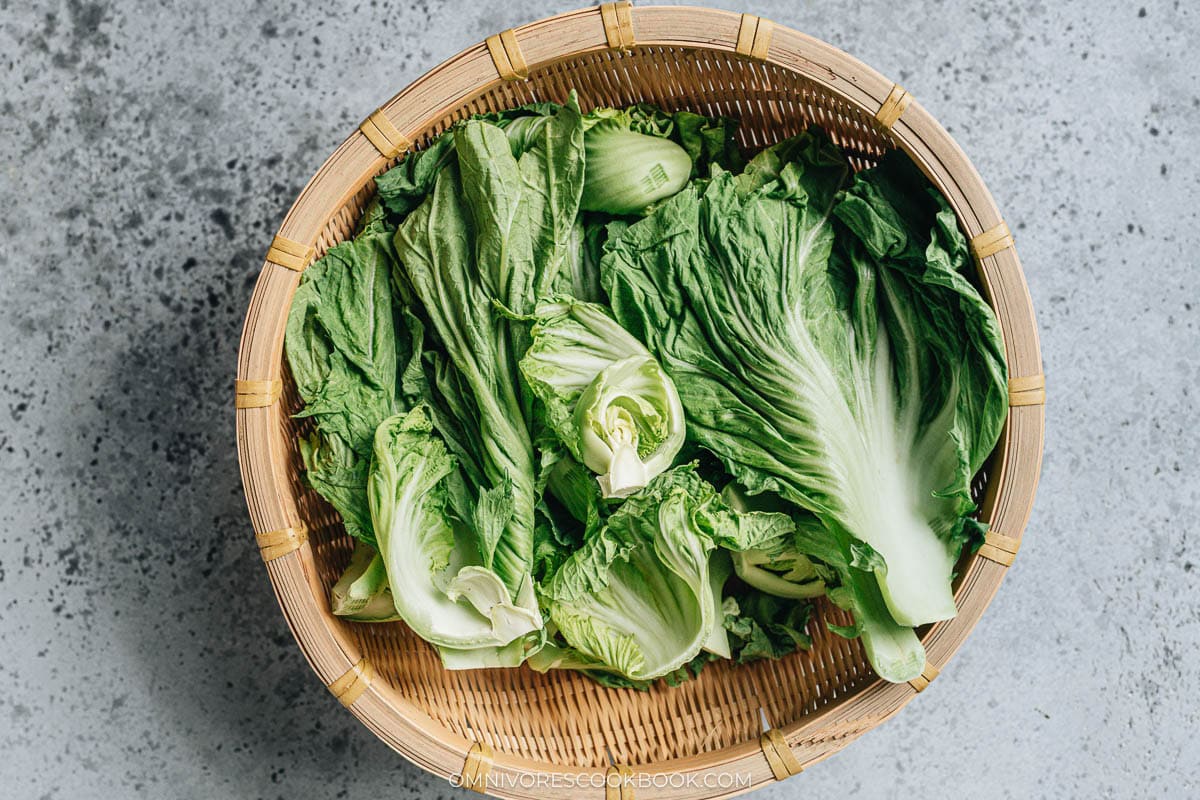
- The Wilting Phase: A critical step in authentic preparation involves air-drying or sun-drying the trimmed greens for several hours until the foliage becomes pliable. This wilting process reduces internal moisture content, concentrating the plant’s cellular structure and improving the absorption of the subsequent seasoning.
- Saline Concentration and Brining: Culinary experts recommend a standardized salinity ratio—typically utilizing approximately 40 grams of non-iodized pickling or kosher salt per liter of filtered water. This four-percent concentration establishes a safe environment for beneficial bacteria while preventing spoilage.
- Aromatic Infusion: The brine is further elevated through the incorporation of traditional Sichuan aromatics, including fresh ginger, dried Chinese chili peppers, and Sichuan peppercorns (Zanthoxylum) which impart numbing undertones and floral fragrance. A minimal quantity of sugar is introduced to supply immediate nutrition for the burgeoning bacterial colonies. Additionally, a small measure of baijiu (a traditional Chinese distilled liquor) or a neutral high-proof spirit such as vodka is frequently added. While the salt concentration provides the primary defense against spoilage, the alcohol discourages surface yeast and contributes an additional layer of ester-driven fragrance.
Equipment and Environmental Control
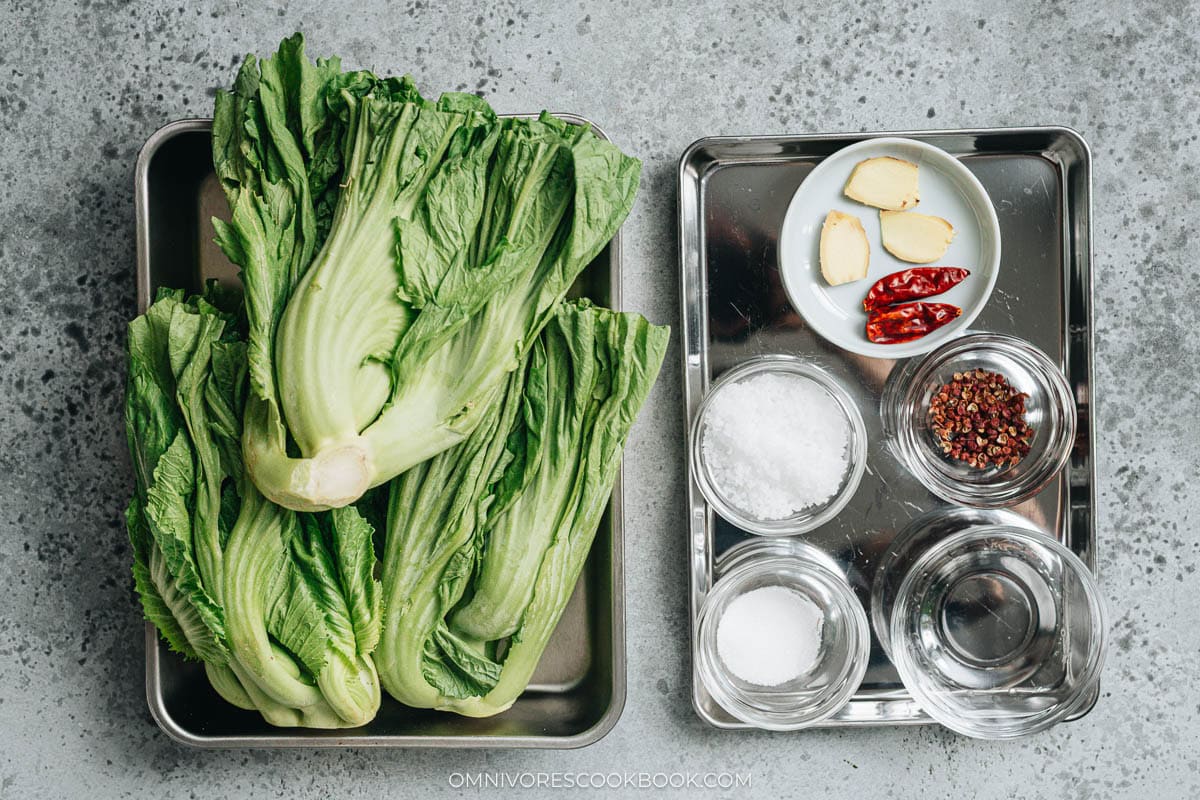
Achieving optimal fermentation results necessitates careful attention to container hygiene and environmental variables. While traditional earthenware water-seal jars—designed to vent fermentation gases while preventing the ingress of ambient oxygen—remain the gold standard, modern alternatives such as standard glass mason jars equipped with airlock lids prove equally effective.
Temperature management dictates the chronology of the fermentation cycle. Culinary chronologies indicate that ambient room temperatures heavily influence bacterial metabolic rates:
- Warm Environments (75°F to 82°F / 24°C to 28°C): Accelerated fermentation typically yields desired acidity within 5 to 7 days.
- Moderate Environments (68°F to 72°F / 20°C to 22°C): The process stabilizes over a 7 to 12-day window.
- Cool Environments (Below 65°F / 18°C): Fermentation may extend to two weeks or longer.
To prevent aerobic mold growth, the mustard greens must remain fully submerged beneath the brine level throughout the entire duration. The utilization of glass fermentation weights and a protective top layer composed of a broad mustard leaf ensures that all plant matter is shielded from atmospheric exposure.
Nutritional Profile and Dietary Implications
From a nutritional standpoint, naturally fermented vegetables offer distinct advantages over their non-fermented counterparts. The metabolic activity of lactic acid bacteria synthesizes various B-vitamins and preserves micronutrients such as Vitamin C and Vitamin A inherent in the raw brassica greens. Furthermore, the presence of live cultures contributes to a diverse dietary intake, supporting the human gut microbiome.
However, nutritionists advise moderation due to the elevated sodium content inherent in the brining process. A standard single-serving analysis of suan cai reflects a high sodium concentration—often registering around 600 milligrams of sodium per serving—while remaining exceptionally low in caloric density, carbohydrates, and dietary fats. Consequently, these preserved greens function primarily as a potent seasoning agent or side accompaniment rather than a primary vegetable dish.
Broader Culinary Applications and Storage
Once the brine achieves its characteristic yellow-green hue and a balanced, pungent acidity, the fermentation process must be arrested to prevent over-acidification. Moving the sealed vessel to refrigeration temperatures slows the metabolic rate of the lactic acid bacteria, allowing the product to be preserved for extended periods while the flavors continue to marry.
Culinary integration of homemade suan cai extends far beyond traditional soups. Chefs frequently incorporate the finely minced greens into fried rice preparations, pork stir-fries, and dumpling fillings. By reviving these heritage preservation techniques, modern home cooks can achieve a depth of flavor that honors traditional Sichuan gastronomy while exercising complete transparency over the ingredients entering their kitchens.