
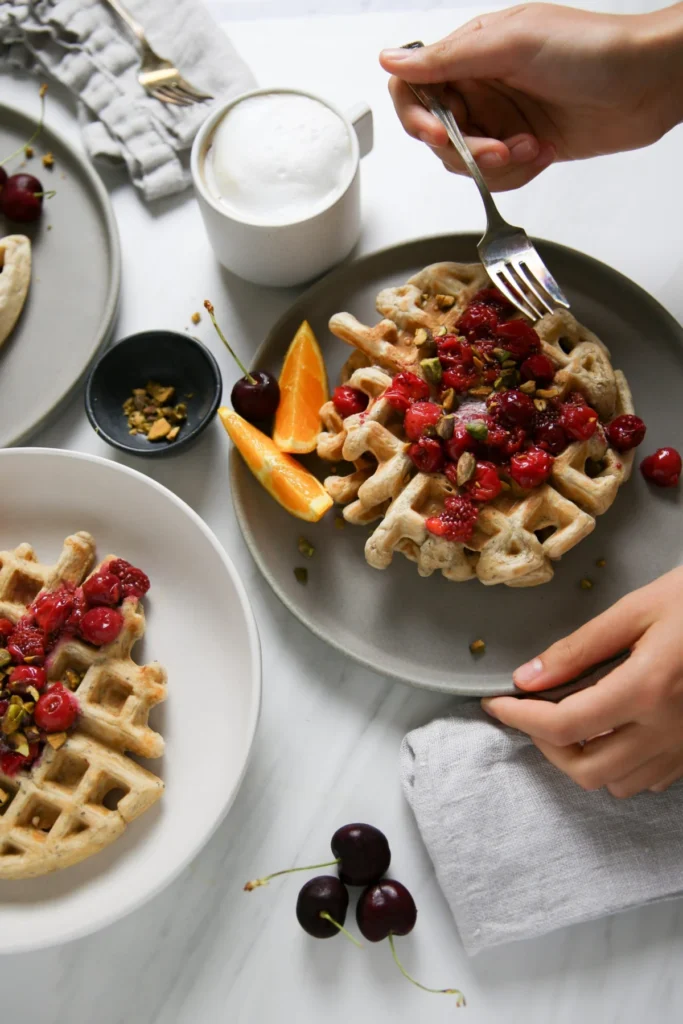
The modern consumer landscape is undergoing a permanent shift, driven by a growing demand for time-saving culinary solutions that do not compromise on nutritional integrity or ethical considerations. Among the myriad trends reshaping household kitchens, the intersection of plant-based eating and advanced meal preparation has emerged as a dominant force. A prime example of this evolution is the enduring popularity of whole-wheat vegan waffles, a recipe first popularized by culinary writer Alejandra Graf on her platform in August 2015. Over the past decade, simple yet strategic home-cooking innovations have transitioned from niche dietary experiments into mainstream staples, offering a blueprint for how individuals navigate the competing demands of health-conscious living and hectic weekday schedules.
Main Facts and Culinary Mechanics
At its core, the appeal of the whole-wheat vegan waffle lies in its minimalist ingredient profile and structural adaptability. Traditional breakfast pastries often rely on refined flours, eggs, and dairy fats, which can contribute to shorter shelf lives and higher caloric density with fewer micronutrients. In contrast, plant-based iterations utilize whole-wheat flour, which provides an elevated fiber content, paired with non-dairy milks to eliminate animal products entirely.
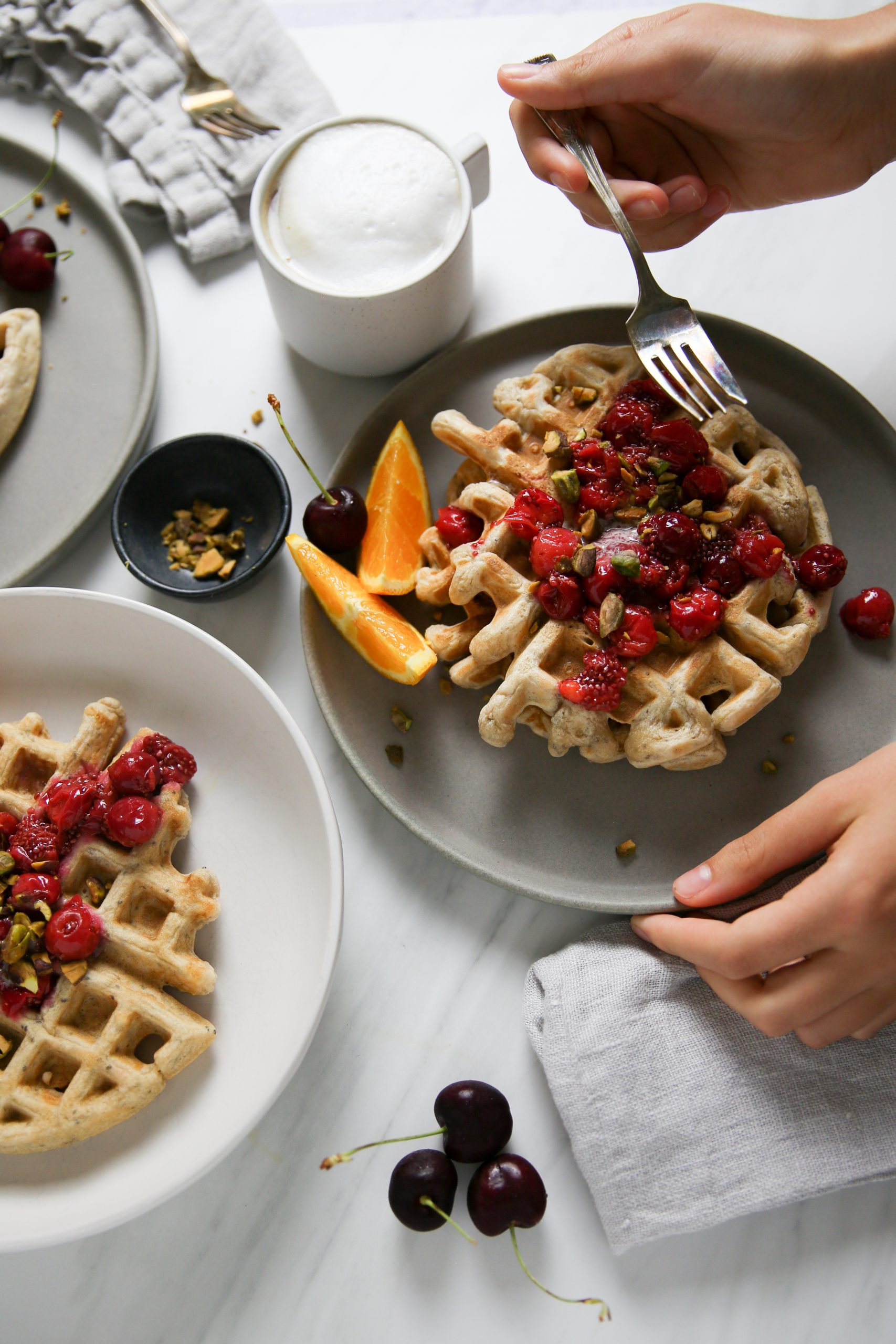
Nutritional data compiled from standard iterations of these home-prepared waffles indicate an average profile per serving of approximately 258 kilocalories, 50 grams of carbohydrates, 7 grams of protein, and roughly 2 grams of fiber, while maintaining very low levels of saturated fats. This composition offers a balanced macronutrient distribution that can be easily customized with toppings such as chia seed fruit compotes, nut butters, or maple syrup.
Beyond the nutritional merits, the primary innovation of this recipe is its high freeze-thaw stability. By preparing a large batch and freezing a portion for future use, consumers can bypass the ultra-processed, sodium-heavy frozen breakfast options found in commercial supermarkets. Reheating the waffles in a toaster or skillet restores their crisp exterior without requiring the lengthy preparation time associated from-scratch morning cooking.
Chronology and Evolution of the Trend
The trajectory of meal-prep culture and plant-based breakfast innovations has accelerated significantly since the mid-2010s.
- August 2015: Alejandra Graf initially publishes the whole-wheat vegan waffle recipe, targeting home cooks seeking practical, dairy-free, and egg-free breakfast solutions. During this period, plant-based cooking is still largely perceived as an alternative lifestyle choice rather than a mass-market movement.
- 2016–2019: The rise of social media platforms prioritizing visual content, alongside dedicated food blogs, fuels a surge in batch-cooking tutorials. Freeze-friendly meal prep transitions from a niche organizational tactic into a widely discussed productivity hack.
- 2020–2021: The global pandemic fundamentally alters eating habits. With restaurant dining restricted and consumers spending more time at home, interest in scratch-cooking, pantry staples, and freezer management reaches unprecedented levels. Recipes designed for longevity, such as freezable vegan waffles, experience a notable resurgence in web traffic.
- 2022–Present: Post-pandemic economic pressures, combined with a heightened awareness of ultra-processed foods, drive consumers toward home-based meal planning as a dual strategy for financial savings and nutritional control. The 2015 waffle recipe remains a frequently utilized asset in contemporary digital culinary archives, demonstrating the timelessness of practical kitchen solutions.
Supporting Data and Consumer Behavior Shifts
Recent market research into grocery purchasing habits highlights a broader societal pivot toward functional food preparation. Industry analysts note a steady year-over-year increase in the sales of alternative flours, plant-based milks, and kitchen appliances designed to streamline domestic food production, such as waffle makers, air fryers, and high-powered blenders.
Data from nutritional and culinary databases indicate that search queries related to "make-ahead breakfast recipes" and "freezer-friendly vegan meals" have grown by more than 40% over the last five years. Consumers are increasingly motivated by two primary factors: time scarcity during morning routines and a desire to reduce household food waste. By utilizing ingredients that are shelf-stable or easily preserved, home cooks can mitigate the risk of food spoilage while ensuring reliable access to balanced meals.
Furthermore, public health initiatives continue to emphasize the benefits of reducing consumption of ultra-processed commercial breakfast items, which frequently contain elevated levels of sodium, refined sugars, and chemical preservatives. Preparing foods at home allows individuals to maintain strict oversight of ingredient sources, aligning with broader dietary guidelines that advocate for whole-food consumption.

Official Responses and Industry Perspectives
Nutritional experts and culinary sociologists have weighed in on the longevity and cultural significance of accessible meal-prep strategies. Dr. Elena Vance, a specialist in consumer behavior and nutrition systems, notes that sustainable dietary changes are rarely born from rigid restriction; rather, they succeed when integrated seamlessly into daily logistics.
"The success of recipes that bridge the gap between plant-based eating and advanced meal preparation lies in their friction-reducing qualities," Vance explains. "When consumers are presented with a choice between a complex morning cooking process and an unhealthy convenience food, convenience almost always wins. However, if the friction of preparation is shifted to a weekend batch-cooking session, healthy eating becomes the path of least resistance."
Culinary educators similarly emphasize the educational value of mastering foundational recipes. By understanding how to substitute binding agents like eggs with plant-based alternatives and how to manipulate whole-grain flours for optimal texture, home cooks gain greater autonomy over their diets. This empowerment is viewed by public health advocates as a crucial step toward long-term wellness.

Broader Impact and Implications
The widespread adoption of home-based meal prep and plant-based baking carries significant implications across multiple sectors, including retail food markets, domestic economics, and environmental sustainability.
From an economic perspective, batch-cooking foundational items like whole-wheat waffles translates to measurable household savings. Purchasing bulk ingredients such as whole-wheat flour, plant-based milk alternatives, and staple pantry items significantly reduces the cost per serving compared to purchasing specialized, pre-packaged frozen breakfast foods. This financial efficiency is particularly relevant in periods of economic inflation, where households closely scrutinize grocery expenditures.
Environmentally, the shift toward plant-based recipes—even on a part-time or flexible basis—contributes to a reduction in individual carbon footprints. Animal agriculture is widely documented as a major contributor to greenhouse gas emissions and land degradation. By displacing dairy and egg consumption with plant-based alternatives, home cooks incrementally lower the environmental impact of their diets. Additionally, utilizing the freezer to extend the shelf life of freshly prepared meals directly combats household food waste, a critical target in global sustainability efforts.

As culinary trends continue to evolve, the enduring relevance of practical, wholesome recipes established years prior demonstrates that the future of home cooking relies not on complex gastronomic techniques, but on thoughtful efficiency. By merging nutritional mindfulness with strategic kitchen organization, consumers continue to find scalable ways to balance health, time, and sustainability in their everyday lives.









0 Komentar
Sampaikan opini dan diskusi yang membangun dengan bahasa yang santun.
No Comments Yet
Be the first to share your thoughts on this story.