
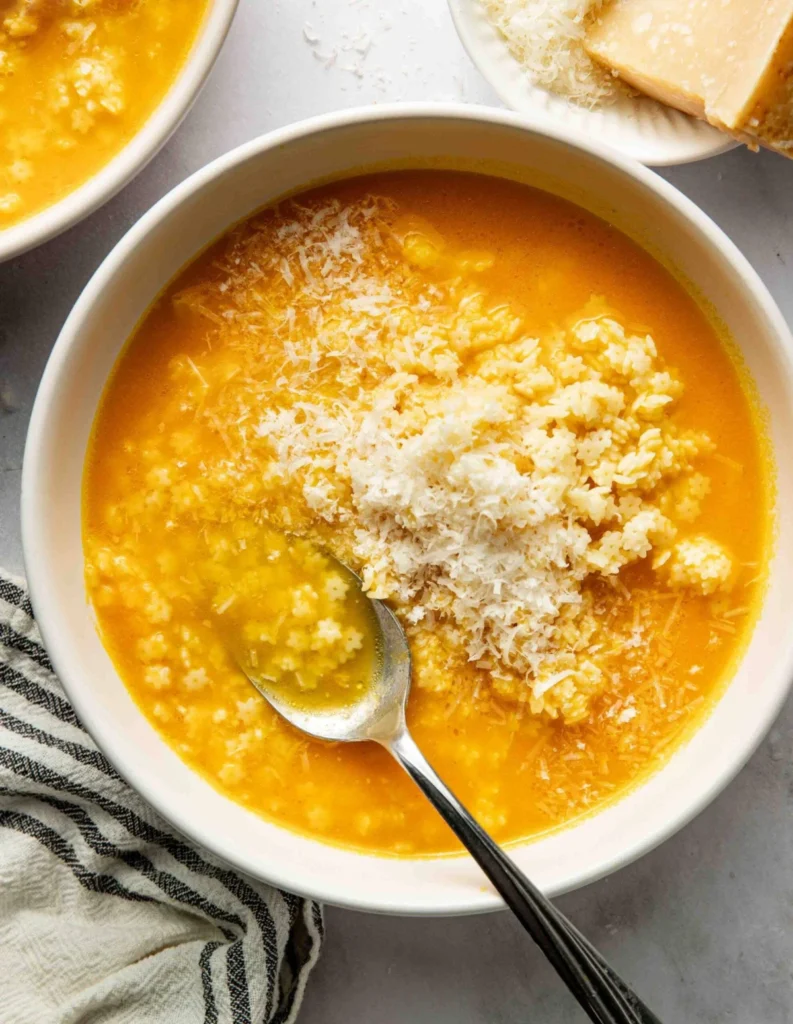
In an era defined by fast-paced culinary trends and viral social media phenomena, traditional comfort foods frequently experience unexpected revivals. Among the most prominent beneficiaries of this digital-age nostalgia is pastina soup, a modest dish historically prepared by generations of Italian grandmothers to nurse the ailing back to health. Recently propelled into mainstream popularity by platforms like TikTok, pastina—affectionately dubbed "Italian penicillin"—has evolved from a regional remedy into a globally recognized symbol of culinary comfort. As households navigate seasonal illnesses, this simple combination of minuscule star-shaped pasta and a nutrient-rich broth has captured the public imagination, bridging the gap between historical domestic traditions and contemporary digital food culture.
Historical Origins and Cultural Significance
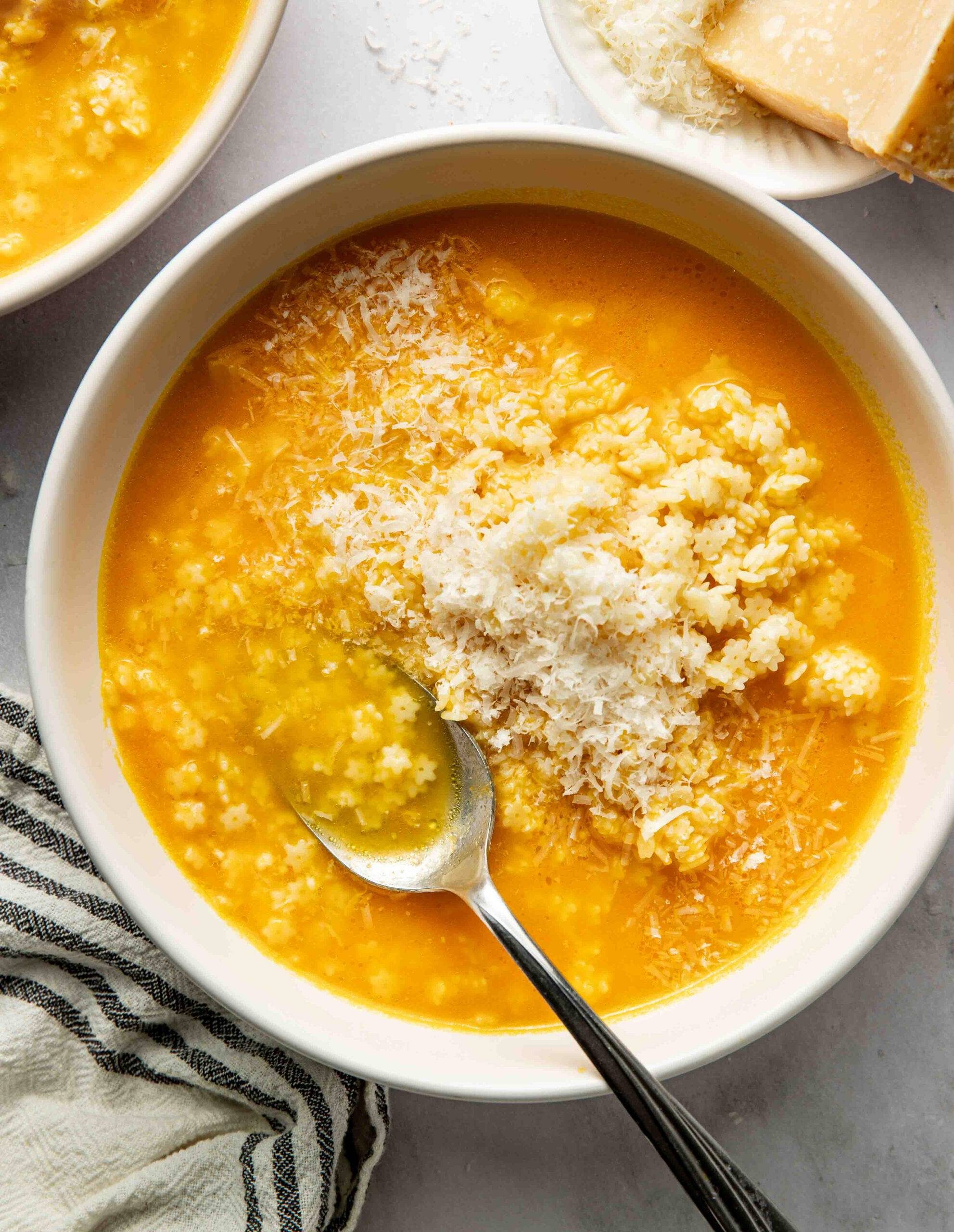
The roots of pastina trace back centuries within Italian and Italian-American households. The term "pastina," which literally translates to "little pasta," encompasses a variety of miniature pasta shapes, with stars (stelline) being the most iconic. Traditionally, these microscopic grains were utilized in clear broths specifically designed for infants, the elderly, and individuals recovering from illness.
Pumpkin Macaroni and Cheese

The moniker "Italian penicillin" is not a modern marketing invention but rather a long-standing affectionate term used within diaspora communities. Much like Jewish penicillin—the ubiquitous chicken soup—pastina in broth served as a psychological and physical balm. The dish relies on the principle of digestibility; the soft, easily swallowed pasta combined with a warm, savory liquid provides immediate hydration and comfort without taxing a compromised digestive system. For generations, the preparation of pastina was an act of caregiving, passed down orally through family lineages as an instinctive response to the common cold or influenza.
The Digital Resurgence: From Kitchen Secret to Social Media Phenomenon
The transformation of pastina from a quiet household remedy to a viral sensation unfolded gradually over the past several years, accelerated by food content creators and home cooks sharing their personal recipes during periods of widespread illness. During the COVID-19 pandemic and subsequent cold and flu seasons, search metrics for comfort foods spiked globally. Creators on platforms like TikTok began posting videos dedicated to the ritualistic preparation of pastina, emphasizing its soothing qualities and nostalgic appeal.
The appeal of the trend lies in its simplicity. Unlike complex sourdough baking or elaborate fermentation projects that dominated earlier phases of internet cooking trends, pastina requires minimal ingredients, basic culinary techniques, and very little active preparation time. Content creators highlighted variations ranging from the minimalist approach—pasta tossed simply with olive oil and Parmesan cheese—to more sophisticated preparations involving aromatic vegetable broths. This accessibility allowed amateur cooks of all skill levels to replicate the dish easily, fueling widespread adoption and user-generated content across social media channels.

Culinary Anatomy: The Modern Preparation of Pastina Soup
While traditional versions often relied on basic canned chicken broth or simple water and bouillon cubes, contemporary culinary adaptations have elevated the flavor profile of the dish while maintaining its core simplicity. Modern recipes frequently emphasize the creation of a robust, vegetable-infused broth base to maximize both flavor and nutritional value.
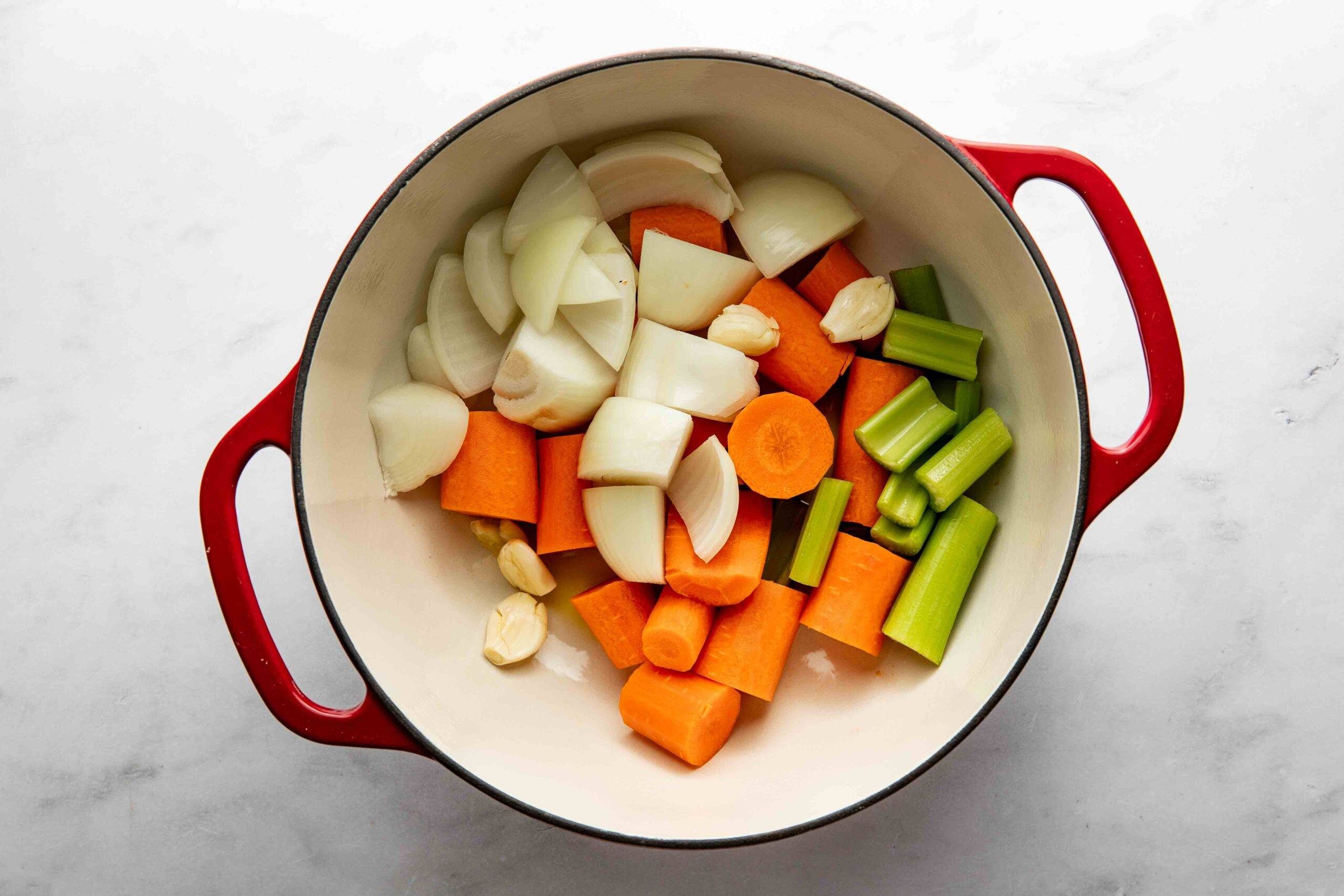
The standard contemporary preparation involves a specific sequence of culinary steps designed to maximize depth of flavor:
- Vegetable Sauté: Coarsely chopped aromatic vegetables—typically a mirepoix of onions, carrots, and celery—are gently sautéed in olive oil. This process releases natural sugars and builds a fragrant foundation for the broth.
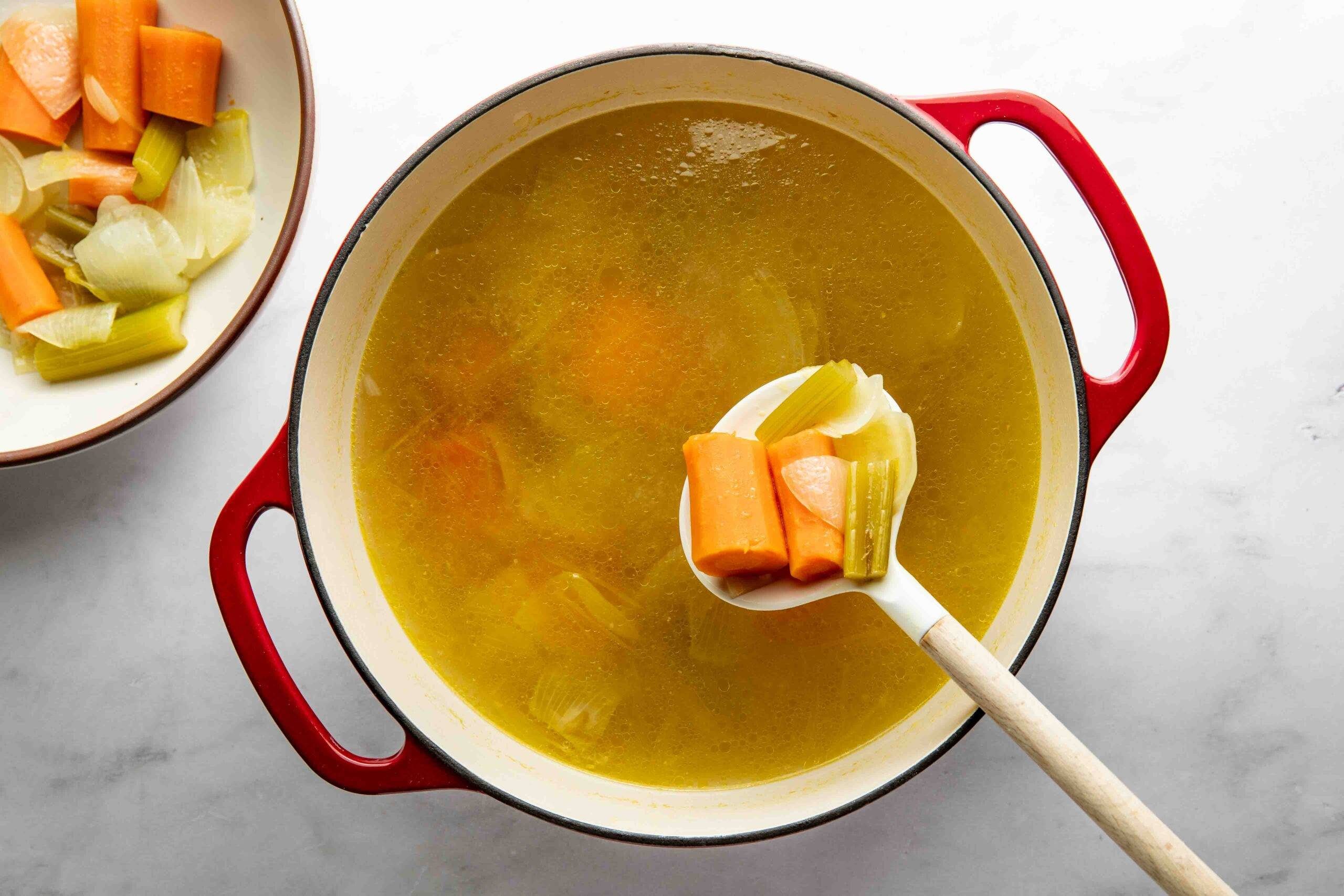
- Simmering: Water combined with a high-quality broth concentrate, such as vegetable or chicken-flavored bases, is added to the pot and simmered alongside the vegetables until tender.
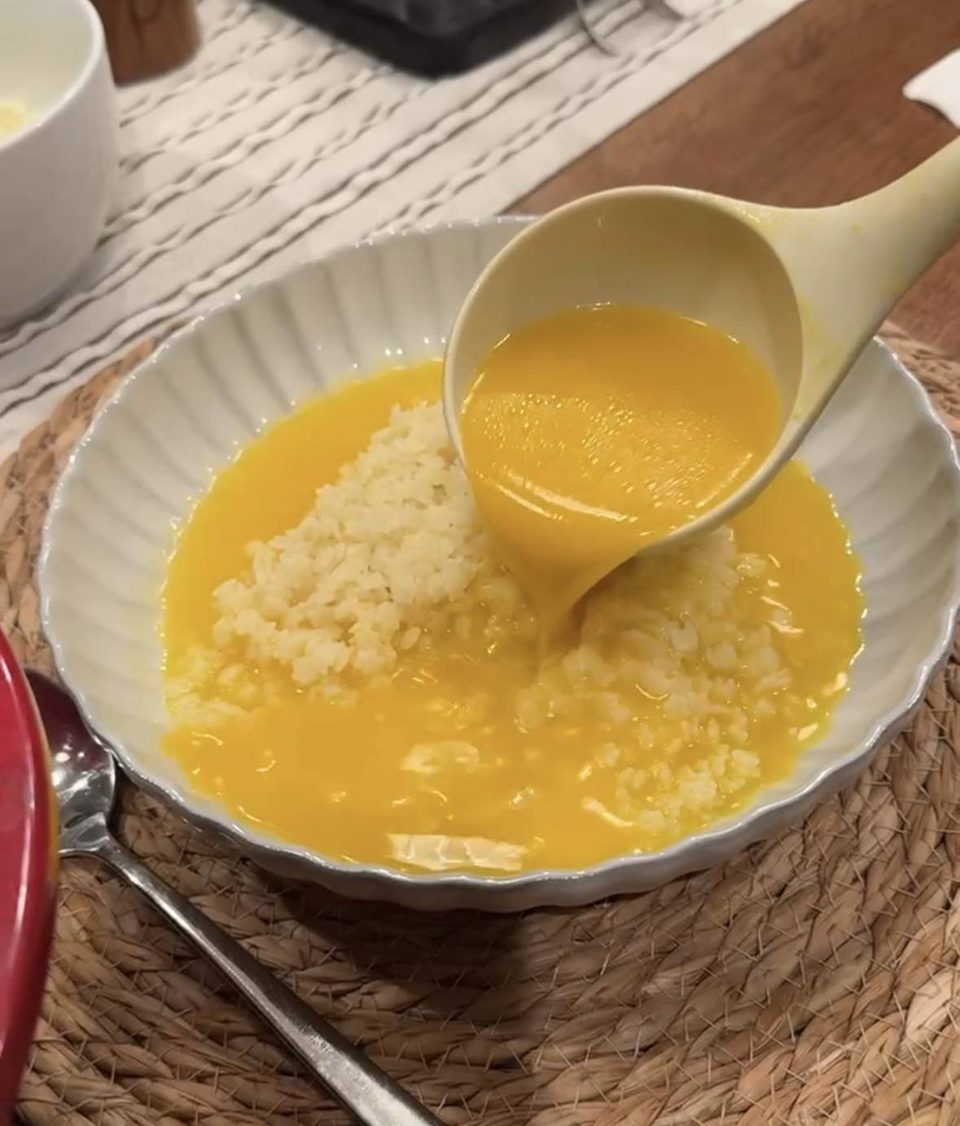
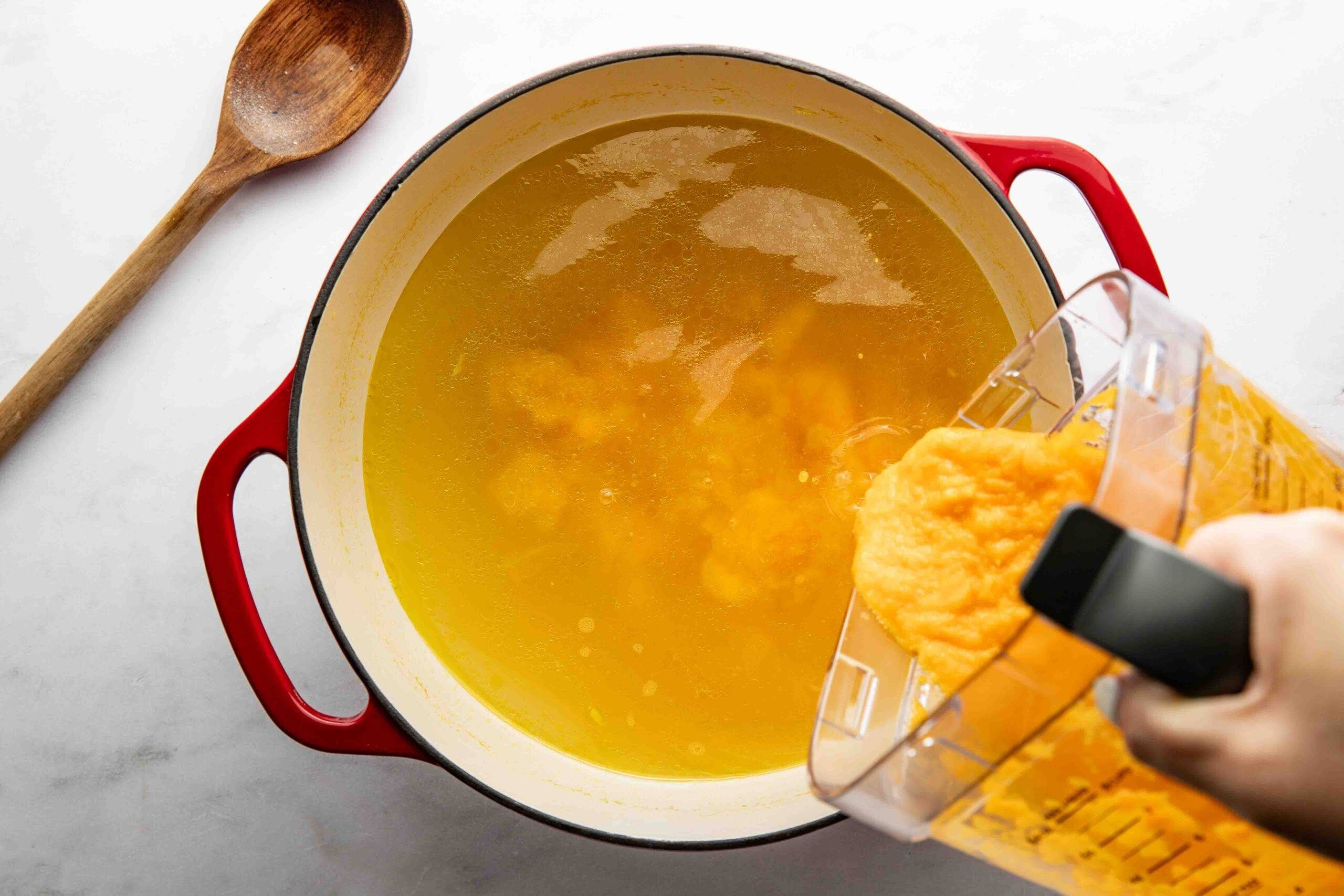
- Emulsification of the Broth: To achieve a richer, more velvety texture without the addition of heavy creams, the cooked vegetables are frequently removed, blended until smooth, and returned to the pot. This technique imparts body and a vibrant, golden hue to the liquid.
- Pasta Integration: The star-shaped pastina is cooked directly in the enriched broth or prepared separately and combined just before serving to prevent the starch from overly thickening the liquid.
- Garnishing: The dish is traditionally finished with a drizzle of extra virgin olive oil and a generous dusting of freshly grated Parmesan or Parmigiano-Reggiano cheese.
Nutritional and Psychological Implications
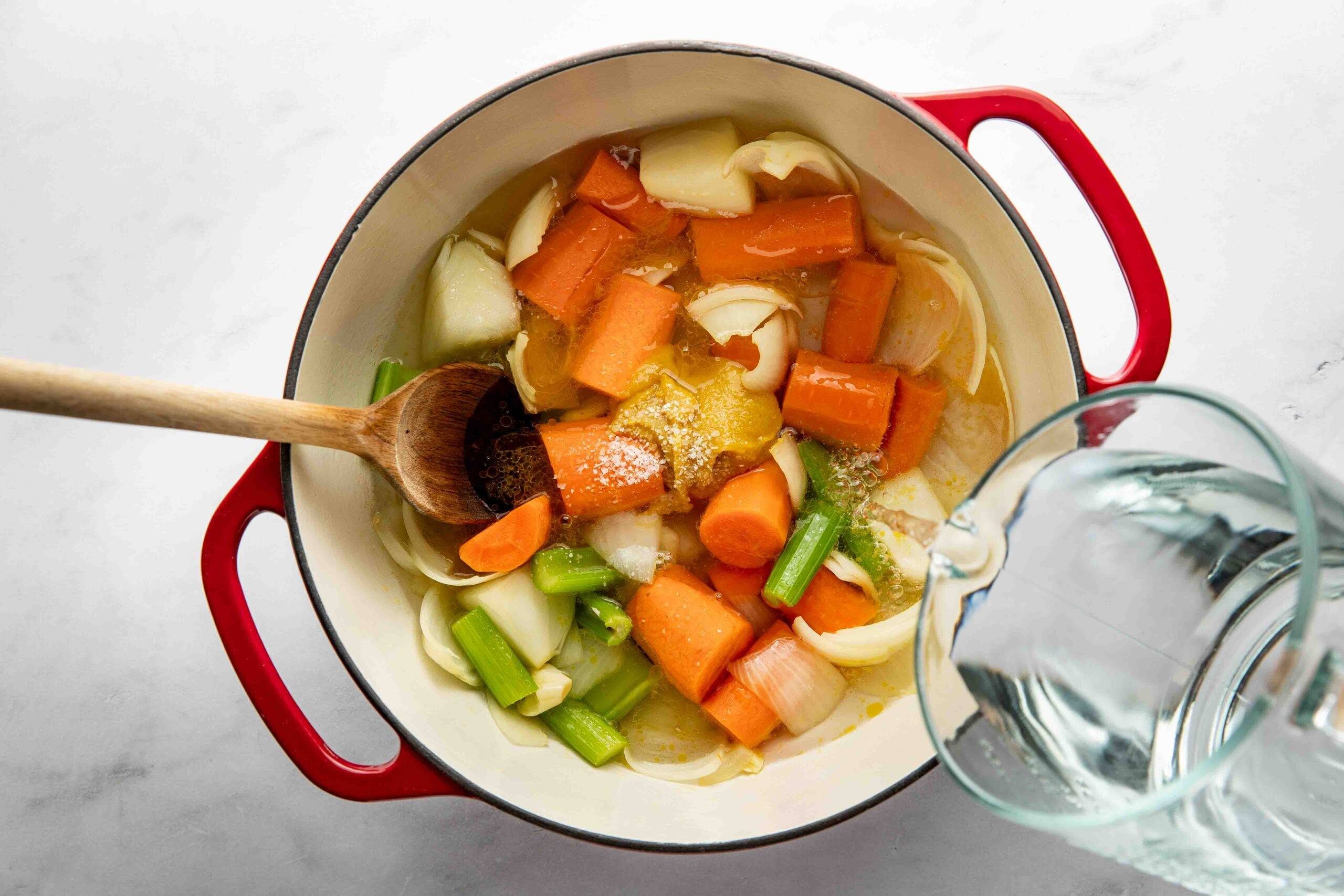
From a nutritional standpoint, pastina soup offers specific benefits for individuals experiencing diminished appetites due to illness. Medical and nutritional experts note that during acute phases of viral infections, maintaining hydration and electrolyte balance is paramount. Clear broths provide essential fluids and sodium, while the carbohydrates from the refined pasta supply easily accessible energy without requiring heavy metabolic effort from the gastrointestinal tract.
Beyond physical recovery, the psychological impact of comfort foods plays a critical role in wellness. Behavioral studies on food psychology frequently highlight the concept of "comfort eating" as a mechanism for emotional regulation and stress reduction. Nostalgic foods trigger memories of safety, parental care, and domestic tranquility. For adults navigating the stresses of modern life while managing household illnesses, preparing and consuming a bowl of pastina serves as a tactile connection to simpler times and familial care, effectively reducing the psychological burden of sickness.
Market Impact and Broader Culinary Trends
The resurgence of pastina has had tangible effects on the retail sector. Grocery chains and specialty Italian importers have reported increased demand for miniature pasta varieties, particularly stelline, acini di pepe, and pastina-specific brands like Barilla. Supply chain adjustments have followed, with retailers ensuring prominent shelf placement for these items during peak cold and flu months.
Furthermore, the popularity of pastina aligns with a broader post-pandemic consumer shift toward comfort, simplicity, and resourcefulness in the kitchen. As inflation and economic pressures influence consumer habits, recipes that utilize pantry staples—such as dried pasta, olive oil, and basic vegetables—have gained significant traction over expensive or specialty-ingredient dishes.
Conclusion
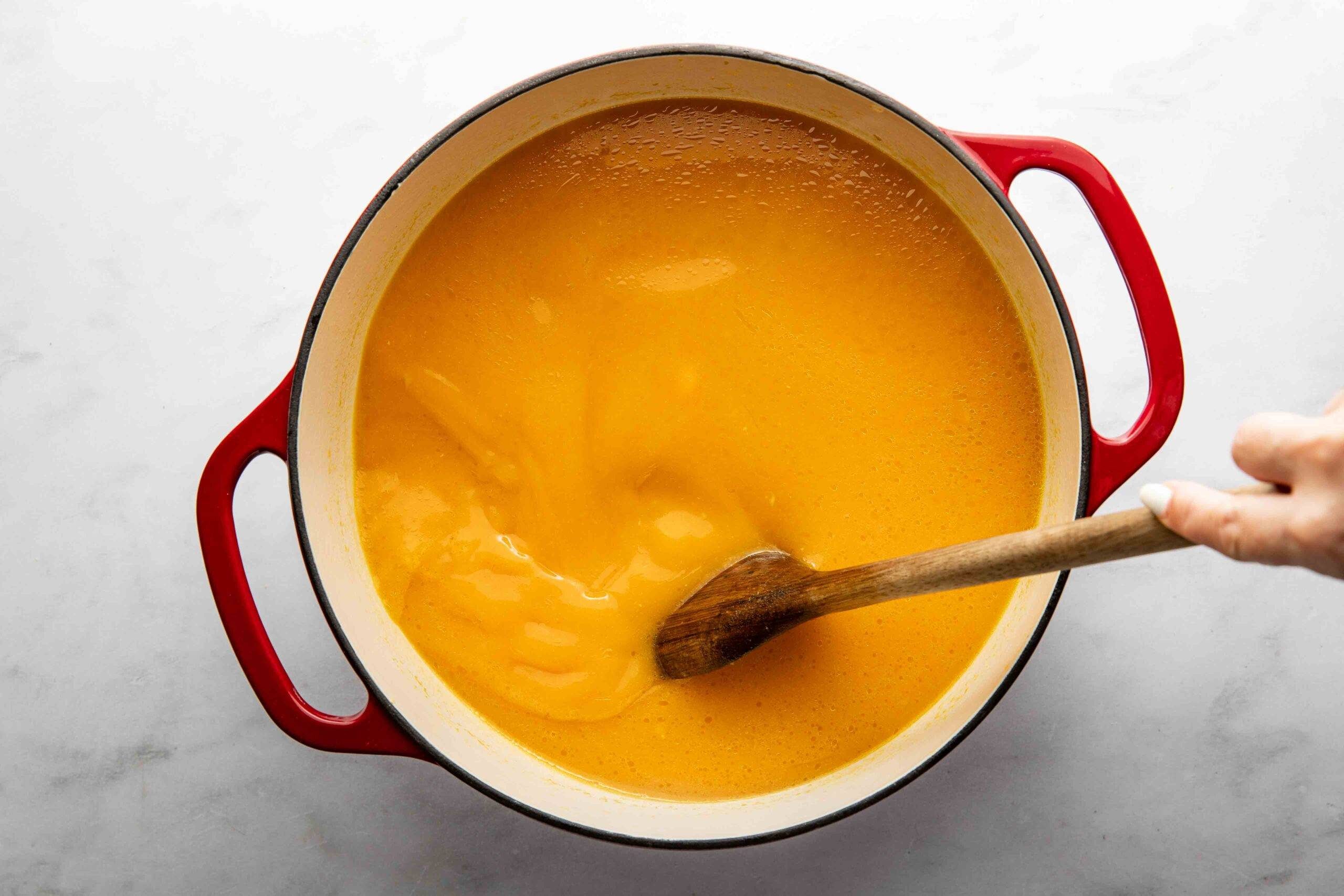
The enduring appeal of pastina soup, or Italian penicillin, underscores the timeless human desire for simple, nourishing remedies in times of vulnerability. What began as a domestic tradition handed down by Italian matriarchs has found a vibrant second life in the digital age, proving that the most effective comfort foods require neither complexity nor luxury. As long as seasonal illnesses persist, the gentle ritual of simmering vegetables, boiling star-shaped pasta, and ladling a golden broth into a warm bowl will remain a steadfast fixture of home care across cultures.





0 Komentar
Sampaikan opini dan diskusi yang membangun dengan bahasa yang santun.
No Comments Yet
Be the first to share your thoughts on this story.