The Culinary Science of Pumpkin in Savory Pasta
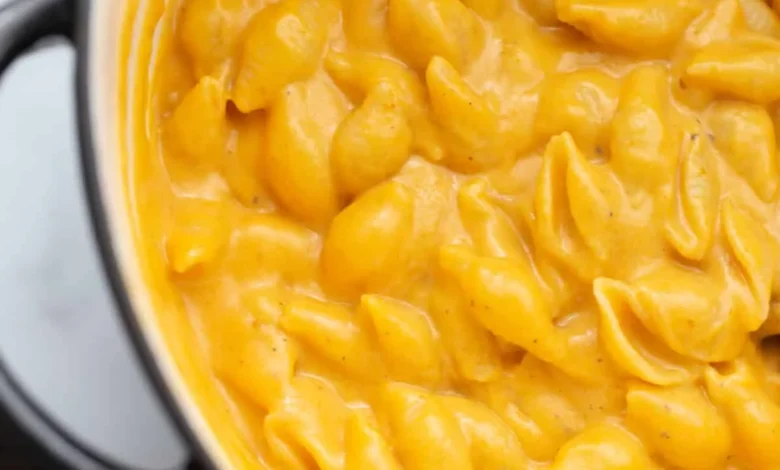
The incorporation of pumpkin into a roux-based cheese sauce serves both aesthetic and functional purposes. From a technical standpoint, pumpkin puree—typically derived from cultivars such as the Cucurbita pepo—contains high levels of beta-carotene and natural starches that assist in thickening sauces. When folded into a blend of shredded sharp cheddar and nutty, cave-aged Gruyere, the pumpkin contributes a velvety texture that mirrors the consistency of a traditional mornay sauce.

Contrary to popular misconceptions, the inclusion of pumpkin in this savory context does not align the dish with the profiles of sweetened holiday desserts. By avoiding common pumpkin spice adjuncts like cinnamon, cloves, and ginger, the dish maintains its integrity as a savory entrée. The subtle addition of nutmeg serves to bridge the gap between the dairy fats of the cheese and the earthy sugars of the squash, creating a balanced flavor profile that appeals to those seeking an alternative to standard mac and cheese recipes.
Historical Context and Evolution of Macaroni and Cheese
The history of macaroni and cheese in the United States dates back to the late 18th century, with Thomas Jefferson often cited as a key figure in popularizing the dish after encountering pasta in Italy. While early iterations involved simple baked pasta with parmesan, the dish underwent a radical transformation during the 20th century. The advent of mass-produced processed cheeses in the 1930s allowed for the democratization of the dish, turning it into an inexpensive, shelf-stable staple for American households during the Great Depression.

In the contemporary era, the "gourmet shift" has seen home cooks and professional chefs alike returning to artisanal techniques, such as the stovetop roux-based method. The Pumpkin Macaroni and Cheese variation represents a further maturation of this trend, reflecting a broader consumer interest in seasonal, whole-food ingredients. According to recent food industry data, the demand for pumpkin-flavored products has seen a steady annual growth rate of approximately 5% to 7% over the last decade, transitioning from a niche seasonal interest to a year-round culinary staple, particularly in the fall and winter months.
Methodology and Technical Preparation
Preparing a high-quality pumpkin-infused mac and cheese requires a structured, three-phase approach. The process begins with the preparation of the pasta. Utilizing short-cut varieties—such as cavatappi, rotini, or classic elbow macaroni—is essential, as these shapes provide the surface area required for the sauce to adhere effectively. The pasta must be cooked to an "al dente" state, ensuring it maintains a structural firmness that prevents it from breaking down when combined with the hot sauce.

The second phase involves the creation of the sauce, which relies on a standard flour-and-butter roux. Once the milk or cream is incorporated to form a béchamel base, the pumpkin puree is introduced. The final phase involves the incorporation of the cheese. Culinary experts recommend using freshly grated cheese rather than pre-shredded varieties, as the latter are often coated in cellulose to prevent clumping, which can interfere with the emulsion process and result in a grainy texture.
Nutritional Profile and Dietary Implications
A standard serving of this dish provides a complex macronutrient profile. While the exact values can fluctuate based on the specific fat content of the dairy used, a typical 6-serving yield results in approximately 841 calories per portion. The dish is notable for its high protein content—roughly 34 grams per serving—derived from the combination of pasta and cheese.

The presence of pumpkin adds a distinct nutritional advantage, offering significant amounts of Vitamin A and dietary fiber. From a dietary perspective, the dish serves as a dense, energy-rich meal. While it is classified as a comfort food, it also functions as a vehicle for vegetable consumption, a strategy often employed by nutritionists to increase the intake of micronutrients in family-oriented diets.
Broader Impact and Market Trends
The rise of such seasonal variations in home cooking is a direct reflection of the "seasonal eating" movement. Retail data suggests that sales of canned pumpkin puree spike significantly between September and November, with a noticeable trend toward consumers using the ingredient in savory recipes rather than traditional pies. This shift indicates a changing consumer attitude toward pumpkin, which is increasingly viewed as a versatile vegetable rather than solely a dessert ingredient.

Furthermore, the simplicity of the stovetop method aligns with the time-constrained lifestyles of modern consumers. As households prioritize efficiency, recipes that minimize equipment use—avoiding the oven, which requires preheating and long baking times—are seeing higher rates of adoption. This efficiency has made the recipe a frequent choice for Thanksgiving side-dish rotations, where oven space is often at a premium.
Expert Analysis on Flavor Balancing
Culinary analysts suggest that the success of the dish hinges on the quality of the cheese selection. The sharp cheddar provides the necessary acidity to cut through the creaminess of the pumpkin, while the Gruyere offers a depth of flavor that is essential for a balanced profile. When considering substitutions, chefs suggest avoiding overly mild cheeses like mild mozzarella, which may fail to provide enough contrast against the pumpkin. Fontina is frequently recommended as a viable alternative for those seeking a more pronounced, earthy profile.

For those looking to store the dish, the science of reheating is critical. Because the sauce contains a high percentage of starch from both the pasta and the flour-based roux, it is prone to thickening significantly upon refrigeration. The addition of a small amount of liquid—specifically milk or broth—during the reheating process is essential to re-emulsify the sauce and restore the desired consistency.
Conclusion: A Staple for the Modern Kitchen
The Pumpkin Macaroni and Cheese stands as a testament to the versatility of traditional pasta dishes. By integrating a seasonal element into a classic roux-based foundation, the recipe manages to bridge the gap between innovation and familiarity. Its rapid preparation time, combined with its ability to serve as both a vegetarian main course and a festive side dish, ensures its continued relevance in the evolving American culinary canon. As seasonal trends continue to influence home cooking, the emphasis on quality ingredients and straightforward, effective cooking methods will likely keep this dish at the forefront of autumnal dining.

Whether prepared for a weeknight dinner or a holiday gathering, the dish remains a reliable example of how simple, high-quality components can be manipulated to create a sophisticated result. Its place in the modern kitchen is secure, reflecting a broader commitment to creative, accessible, and seasonal nutrition.