The Rise of Pastina Soup: How Italian Penicillin Became the Ultimate Modern Comfort Food

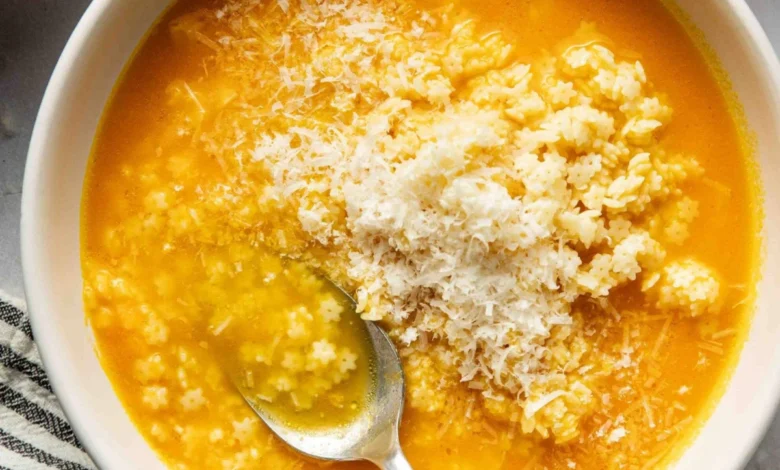
The humble bowl of pastina soup, long treasured across generations of Italian households as a traditional remedy for winter ailments, has experienced a remarkable cultural resurgence. Often affectionately referred to as "Italian penicillin," this comforting dish—consisting of microscopic star-shaped pasta swimming in a rich, nutrient-dense broth—has transitioned from family kitchens into the mainstream digital spotlight, propelled by viral food trends and a collective cultural craving for nostalgic, wholesome nourishment.
Main Facts and Origins of the Phenomenon
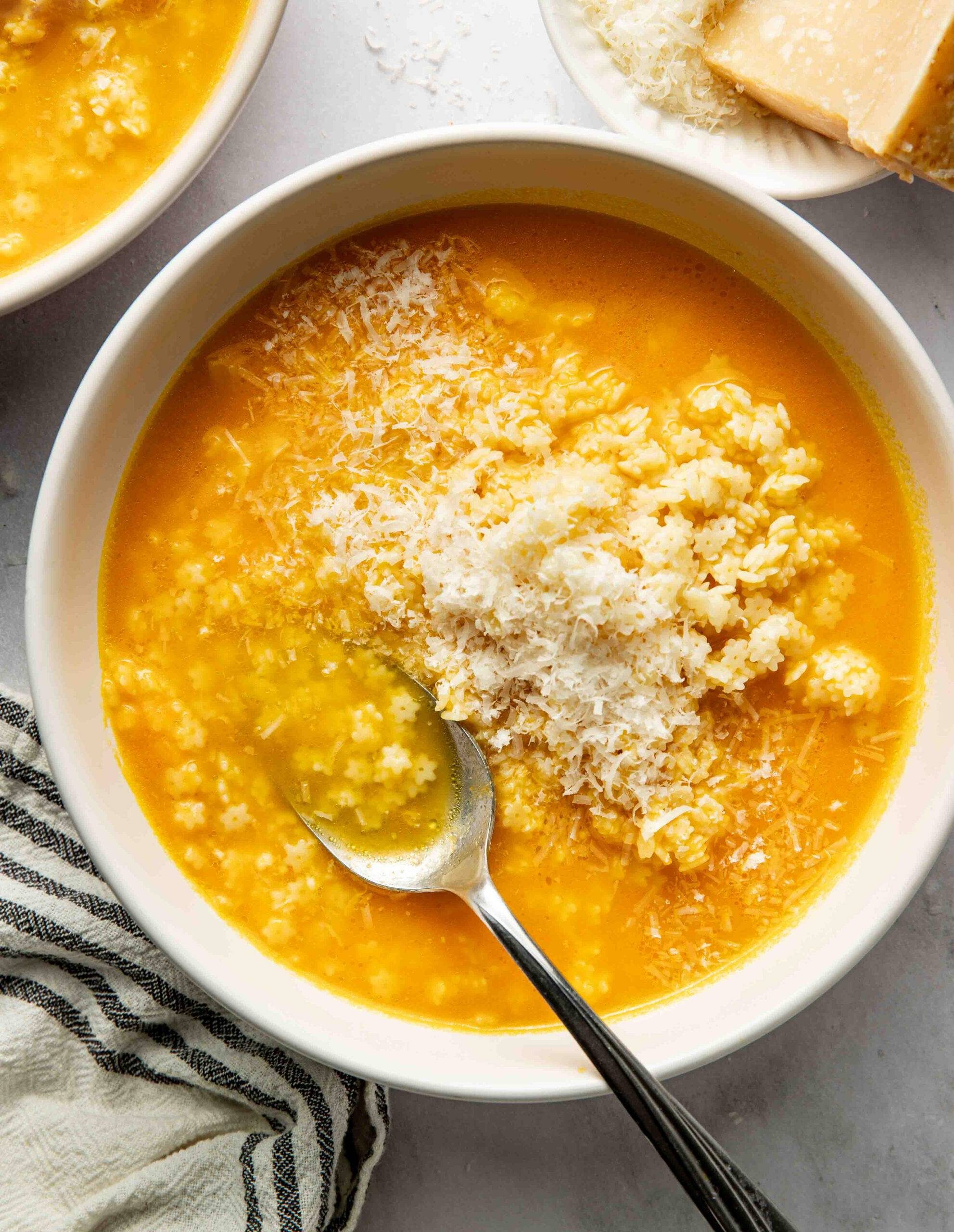
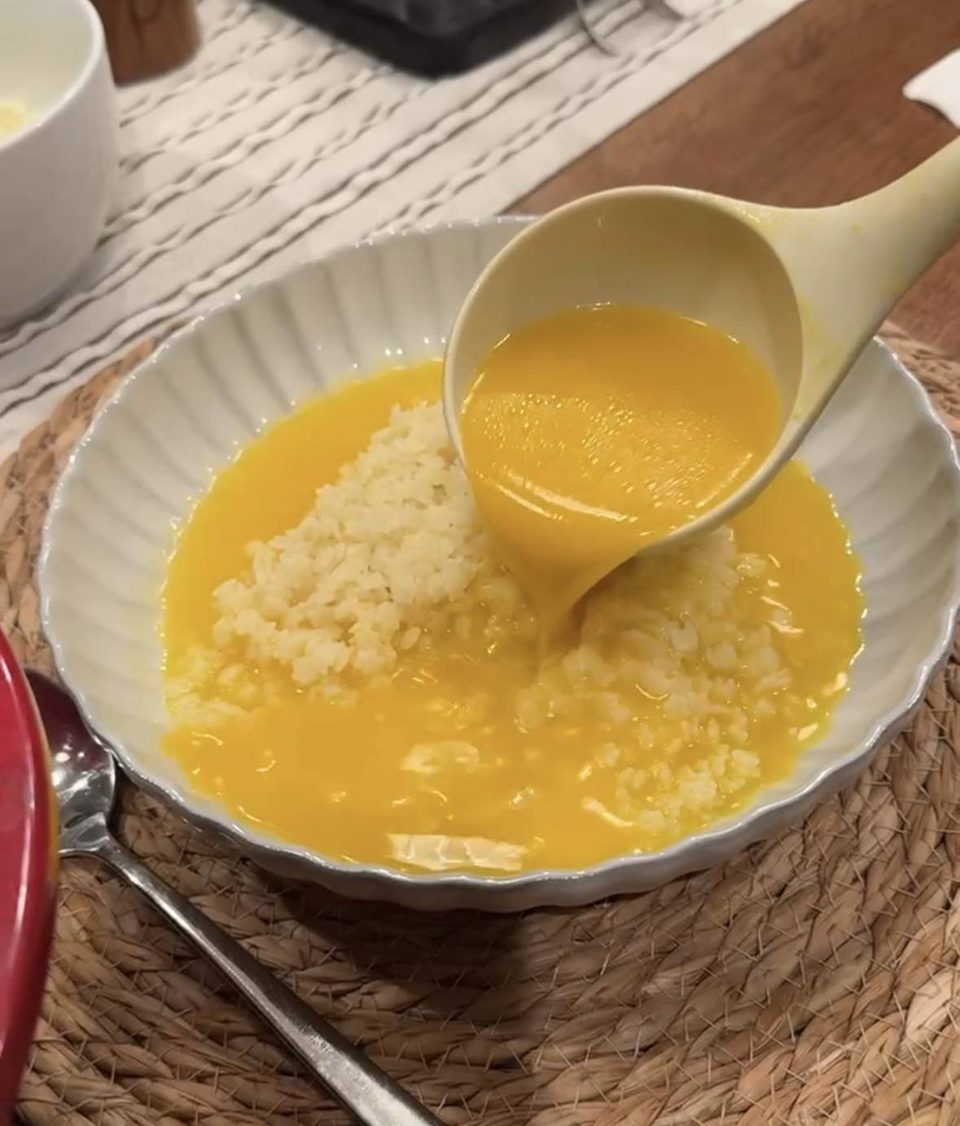
At its core, pastina refers to a category of ultra-small pasta shapes, with stelline (little stars) being the most iconic variation. Traditionally prepared by boiling the minuscule pasta directly in broth or water and serving it simply with a drizzle of olive oil and a generous dusting of Parmigiano-Reggiano, the dish is designed for ultimate digestibility and warmth.
The moniker "Italian penicillin" is a playful nod to its perceived curative properties. While not a pharmaceutical medication, the soup serves as a foundational culinary remedy across Italy, frequently prepared for children, the elderly, or anyone recovering from seasonal illnesses such as the common cold or influenza. The dish’s revival has been significantly amplified by social media platforms like TikTok and Instagram, where home cooks and culinary creators share variations of the recipe, introducing the heritage dish to a global audience seeking culinary comfort.
Chronology and the Modern Revival

While pastina has anchored Italian-American and Italian comfort food traditions for over a century, its recent trajectory from localized remedy to viral sensation unfolded rapidly over the past three years.
During the global health disruptions of the early 2020s, home cooking experienced an unprecedented renaissance. Consumers worldwide turned inward, seeking recipes that required pantry staples, minimal effort, and maximum emotional comfort. Pastina checked every box. By 2022 and 2023, food bloggers and digital creators began spotlighting upgraded versions of the classic dish—notably enhancing the flavor profile of the broth by incorporating whole vegetables, simmering them to a tender consistency, blending them back into the liquid for body and richness, and finishing the preparation with high-quality bouillon bases and artisanal cheeses.
By the winter illness season of 2023–2024, pastina soup cemented itself as a ubiquitous seasonal staple across North American food media. Grocery chains and specialty Italian importers reported surges in demand for tiny pasta shapes like stelline, acini di pepe, and ditalini, as families facing winter contagion cycles sought alternatives to traditional canned chicken noodle soup.
Supporting Data and Nutritional Insights
The enduring popularity of pastina soup is not merely sentimental; it is underpinned by practical nutritional and psychological benefits that resonate with modern consumers.
According to culinary and nutritional analysts, simple broth-based soups play an essential role in hydration and recovery during illness. The warm liquid helps soothe inflamed mucous membranes, while the sodium and potassium in a well-crafted broth assist in electrolyte balance. Furthermore, the inclusion of easily digestible carbohydrates—such as semolina-based pastina—provides immediate, non-taxing energy for a body fighting off infection.

Unlike heavier cream-based soups or complex stews, pastina requires minimal digestive exertion, making it ideal for individuals experiencing diminished appetites or gastrointestinal sensitivity. Culinary experts note that the psychological comfort associated with nostalgic foods triggers the release of dopamine and endorphins, lowering stress levels and contributing positively to the overall healing process—a phenomenon frequently studied under the umbrella of comfort food psychology.
Home Cooking and Preparation Evolution
The contemporary approach to pastina soup elevates the traditional preparation method while preserving its essential simplicity. Culinary enthusiasts and home cooks have refined the recipe into a structured, multi-step process designed to maximize flavor without complicating execution.
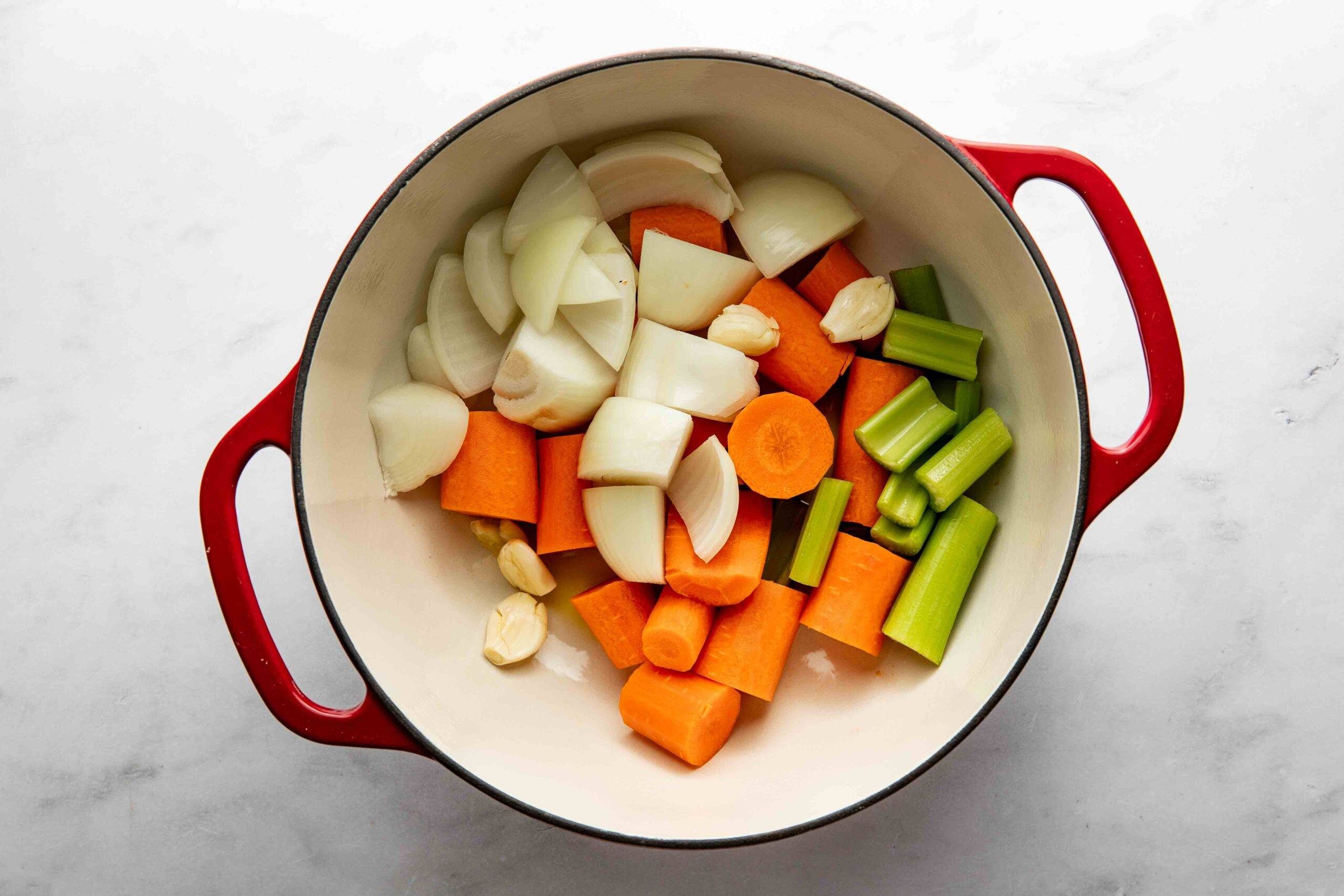
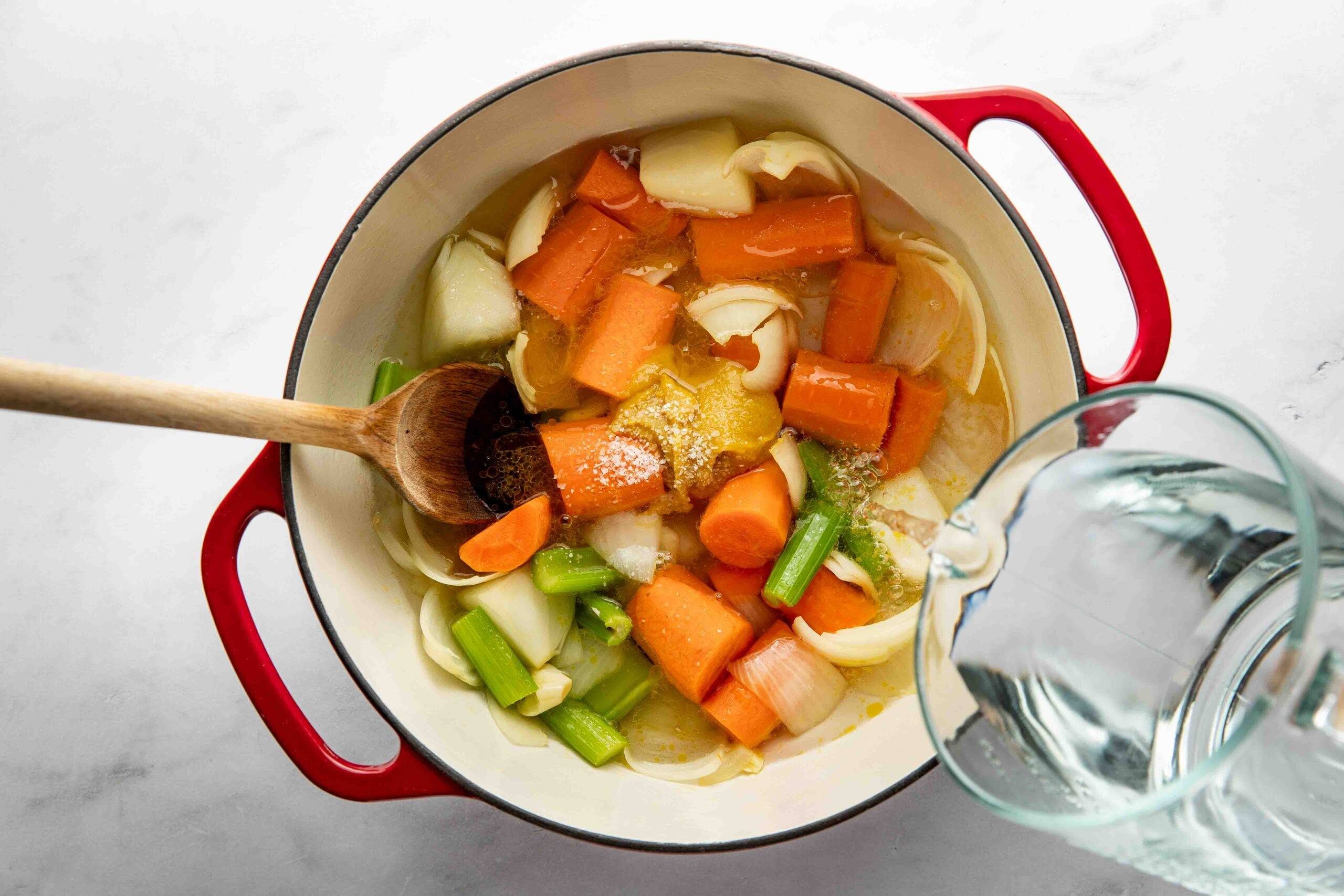
The modern preparation typically begins with the creation of a robust vegetable base. Carrots, celery, and onions are roughly chopped and lightly sautéed in extra virgin olive oil to release aromatic compounds and natural sugars. Water, combined with high-quality concentrated broth bases—such as vegetable or chicken formulations—is then added to the pot to simmer alongside the vegetables.
A defining characteristic of the modern pastina upgrade involves removing the softened vegetables after simmering, blending them into a smooth puree, and returning them to the broth. This technique yields a translucent yet deeply flavorful and slightly opaque liquid that coats the palate far more effectively than standard clear broths. Finally, the tiny star pasta is cooked separately or directly in the fortified broth, and the dish is completed with a finishing touch of grated Parmesan cheese and cracked black pepper.
Broader Impact and Cultural Implications
The resurgence of pastina soup reflects a broader cultural shift toward slow living, heritage cooking, and the rejection of hyper-processed convenience foods during times of vulnerability. In an era dominated by complex culinary trends and restaurant-style gastronomy at home, the return to pastina signifies a collective yearning for simplicity, lineage, and emotional grounding.
Food historians and sociologists observe that traditional comfort foods act as edible anchors during periods of societal stress. By embracing recipes passed down through generations—and sharing them across digital networks—communities construct a shared sense of resilience and care.
As winter seasons continue to bring predictable waves of seasonal illness, "Italian penicillin" has firmly secured its place outside the confines of the traditional Italian household. Whether utilized as a practical remedy for the sickbed or simply enjoyed as a comforting weeknight meal, pastina soup demonstrates that profound culinary satisfaction often lies in the smallest, simplest details.