
The transition into autumn necessitates a recalibration of household inventories, particularly within the kitchen and personal care domains. As seasonal temperatures fluctuate, consumer habits often shift toward pantry replenishment and the targeted management of physiological changes associated with the postpartum period. This intersection of domestic logistics and cultural revelations provides a unique window into current consumer trends, ranging from the sourcing of high-quality culinary ingredients to the reevaluation of long-held popular misconceptions.
The Seasonal Shift: Pantry Management and Culinary Standards
The culinary industry observes a distinct uptick in the demand for warm-profile spices as the Northern Hemisphere moves into the fourth quarter. Recent consumer data suggests that the shelf-life of ground spices is frequently overestimated, leading to a degradation in flavor profiles. Cinnamon, a staple of autumnal baking, undergoes a significant loss of volatile compounds within six to twelve months of grinding. Culinary experts increasingly advocate for the procurement of single-origin spices, such as those sourced from direct-trade suppliers, to ensure maximum potency.
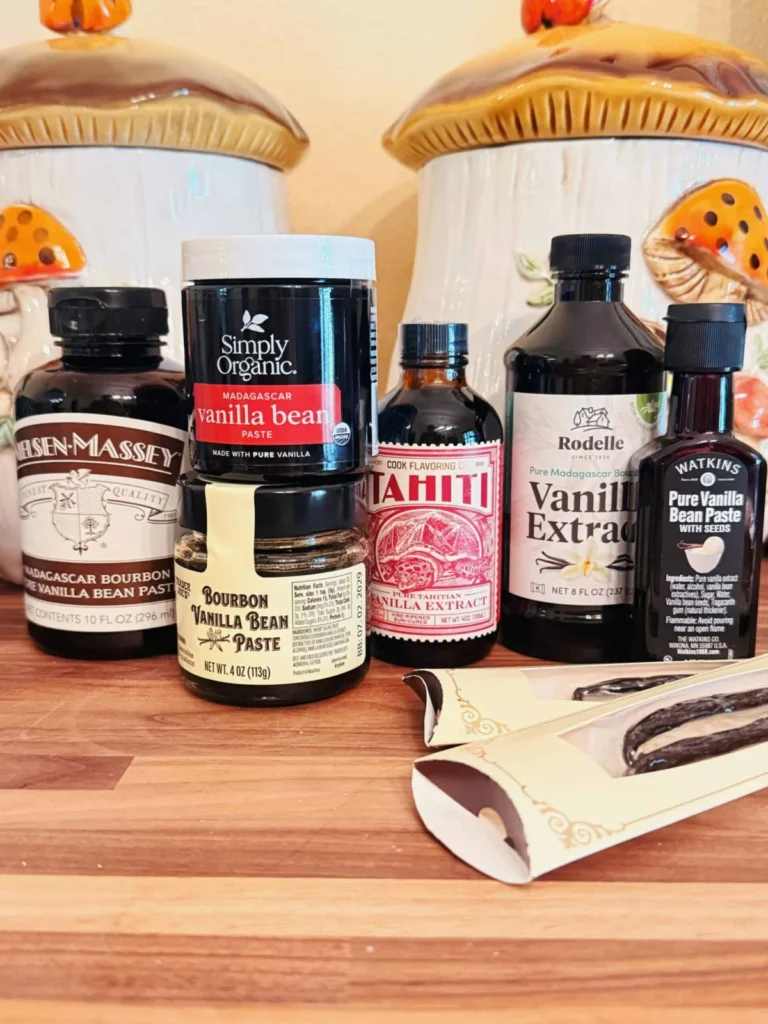
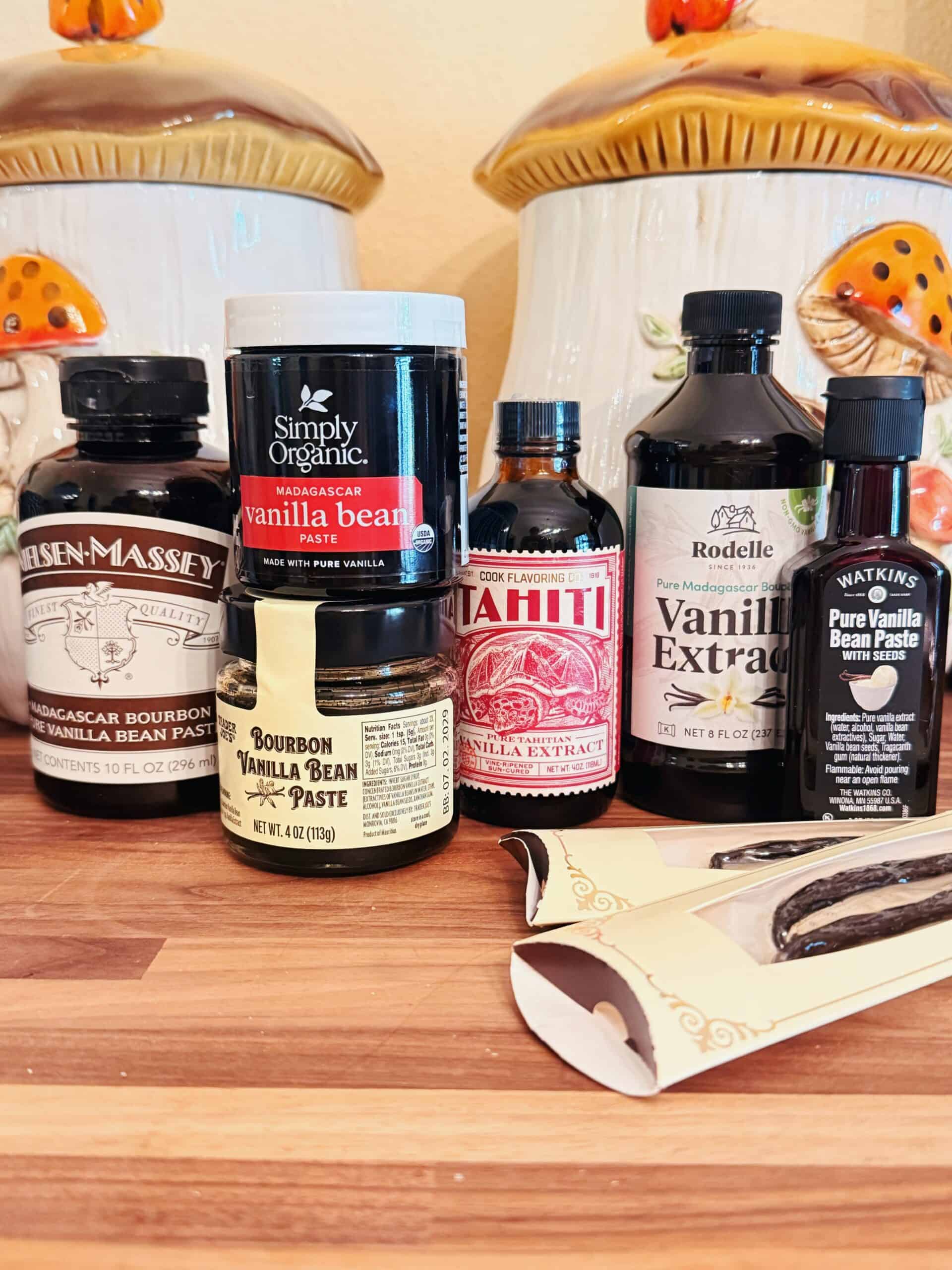
The preference for high-grade ingredients—often likened to the standard applied to premium extra-virgin olive oil—reflects a broader movement toward ingredient transparency. This shift is mirrored in the growing interest in artisanal vanilla production. The current trend toward utilizing whole vanilla beans for the creation of house-made pastes represents a departure from mass-produced extracts, which often contain stabilizers and sugar-based additives. By investing in organic vanilla beans, home bakers are prioritizing flavor intensity and chemical purity, signaling a shift toward more involved, process-oriented culinary practices.
Postpartum Physiological Changes and Consumer Spending
The postpartum experience is characterized by a complex array of biological shifts that often necessitate adjustments in personal care regimens. Among these, telogen effluvium—commonly referred to as postpartum hair loss—is a widely documented phenomenon occurring as estrogen levels decline following childbirth. Clinical data indicates that this shedding typically peaks between four and six months postpartum, causing significant distress for many new parents.
The market response to this condition has been robust, with a notable increase in the adoption of botanical-based hair care solutions. Products incorporating rosemary and biotin are frequently cited in dermatological literature as supportive, though not curative, measures for scalp health. While these products do not stop the natural shedding cycle, they play a functional role in maintaining hair texture and scalp moisture.
Simultaneously, the prevalence of postpartum melasma, or hyperpigmentation induced by hormonal fluctuations, has spurred increased consumer interest in medical-grade skin care. The transition from general-purpose skincare to targeted, clinical-grade formulations marks a significant change in postpartum purchasing behavior. Analysis of recent retail trends shows a growing willingness among new parents to invest in high-efficacy compounds, such as retinol-based serums and specialized depigmenting creams, to address long-term skin health.
Digital Curation and the Substack Ecosystem
The modern information landscape is increasingly dominated by curated newsletters, with platforms like Substack serving as essential hubs for niche knowledge. The current appetite for long-form, specialized content reflects a fatigue with algorithm-driven feeds. Readers are demonstrating a preference for "back-to-school" style organizational content, even among adult demographics, as a means to structure their domestic lives.
Content focusing on seasonal cooking—specifically techniques involving brown butter, winter squashes, and traditional French techniques—serves as a barometer for consumer domestic priorities. The synchronization of these digital interests with seasonal needs creates a predictable cycle of engagement. Data indicates that during the transition to winter, engagement with culinary newsletters increases by approximately 25%, as readers seek out comforting, heat-intensive recipes.
The Hootie & the Blowfish Misconception
Cultural literacy gaps often persist for decades, as evidenced by the widespread misunderstanding surrounding the identity of the band Hootie & the Blowfish. Formed in 1986 at the University of South Carolina, the band achieved massive commercial success in the mid-1990s with their debut album, Cracked Rear View. Despite the band’s global fame, a recurring point of confusion involves the identity of the lead vocalist.
Darius Rucker, the band’s frontman, has been the face of the group since its inception. However, the moniker "Hootie" was actually a nickname given to a friend of the band members, not a name for Rucker himself. The persistent confusion serves as a case study in how branding and stage names can detach from reality in the public consciousness. The song "Wagon Wheel," which Rucker re-recorded as a solo country artist, has further blurred the lines between the band’s original identity and Rucker’s later career, contributing to the continued misattribution of the name.
Socio-Economic Implications of Household Management
The aggregate of these domestic choices—refreshing a pantry, managing postpartum health, and curating digital information—illustrates a broader effort to exert control over one’s environment. In an era of rapid technological change and economic volatility, the return to "analog" domestic tasks provides a sense of stability.
- Supply Chain Impact: The rising demand for premium spices and whole ingredients encourages smaller, direct-trade farmers to expand their distribution networks, potentially impacting the traditional global supply chain for luxury agricultural goods.
- Medical Aesthetics: The growing consumer demand for clinical-grade skincare for postpartum conditions signals an evolution in the beauty industry, where the lines between cosmetic retail and medical dermatological treatment are increasingly blurred.
- Information Consumption: The shift toward Substack and other newsletter platforms suggests that consumers are willing to pay for expertise and curation, marking a pivot away from the free-access, ad-supported model of early internet media.
Conclusion
The convergence of these themes—culinary refinement, postpartum health management, digital content curation, and cultural clarification—highlights the multifaceted nature of contemporary domestic life. Whether through the pursuit of high-quality ingredients, the adoption of specialized skincare, or the rectification of long-standing pop-culture myths, individuals are actively refining their environments to suit a changing landscape. As these trends continue to evolve, they provide valuable insights into the shifting priorities of a demographic that values intentionality, efficacy, and accuracy in their daily lives. By addressing these small-scale, personal logistics, individuals are effectively navigating the broader seasonal and cultural transitions that define the current era.







0 Komentar
Sampaikan opini dan diskusi yang membangun dengan bahasa yang santun.
Belum Ada Komentar
Jadilah yang pertama memberikan tanggapan mengenai berita ini.