
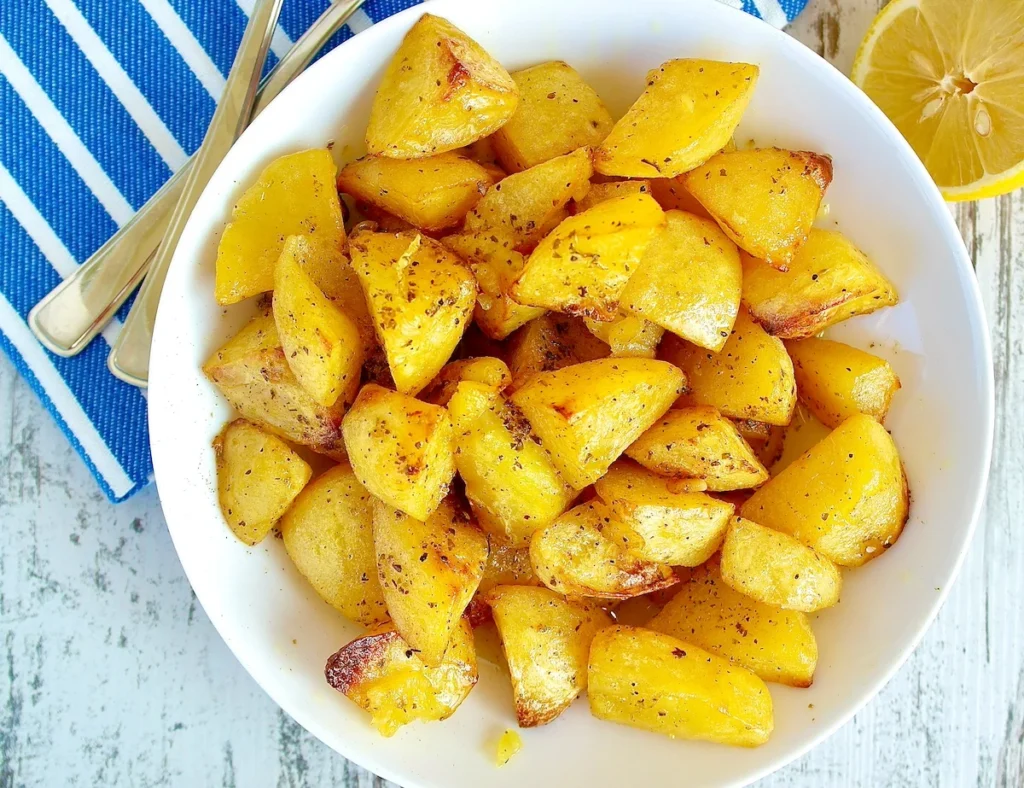
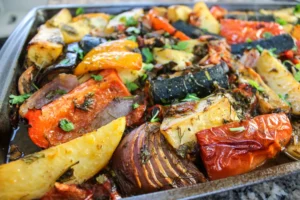
The global culinary landscape is saturated with adaptations of traditional comfort foods, yet few dishes evoke the cultural heritage and precise regional techniques of authentic Greek lemon potatoes, known locally as patates fournou lemonates. Developed over generations in Greek households and perfected through decades of domestic culinary practice, this classic side dish relies on a specific balance of whole ingredients and high-heat roasting methods. Unlike contemporary internet-driven adaptations that incorporate chicken broth, dairy toppings, or minced garlic, the authentic preparation relies strictly on the foundational pillars of Mediterranean cooking: premium extra virgin olive oil, fresh lemon juice, unpeeled garlic cloves, and dried Greek oregano, occasionally enhanced with subtle notes of clove and allspice.
Culinary Context and Cultural Significance

Roasted potatoes appear at virtually every traditional Greek gathering, frequently prepared in industrial quantities alongside roasted meats such as lemon chicken or whole-roast lamb. In traditional settings, these potatoes absorb the rendered fats and pan juices of accompanying proteins. However, the standalone iteration of patates fournou lemonates proves that the dish functions effectively as a primary focus without meat.
The preparation is deeply rooted in the broader Mediterranean diet, a nutritional framework recognized globally by health organizations for its high concentration of antioxidants and heart-healthy monounsaturated fats. The "holy trinity" of Greek cuisine—olive oil, lemon, and oregano—not only defines the distinct flavor profile of the region but also contributes significant nutritional value. Olive oil provides polyphenols and vitamin E, fresh lemon juice supplies ascorbic acid, and wild oregano delivers robust antimicrobial and antioxidant properties.
Dissecting the Authentic Recipe: Debunking Modern Modifications
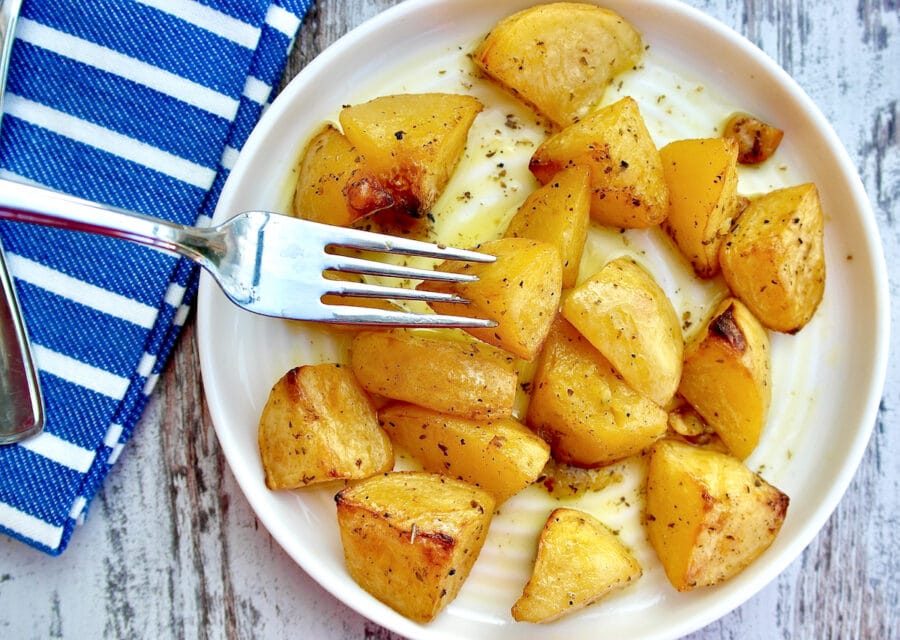
Over the past decade, food blogs and international cooking programs have popularized various modifications to traditional Greek potato recipes. According to culinary experts and traditional practitioners, these alterations compromise both the structural integrity and the authentic flavor profile of the dish.
The primary divergence in authentic preparation involves the quantity of olive oil. Traditional Greek roasted potatoes require a substantial volume of high-quality extra virgin olive oil to achieve their characteristic exterior crispiness and creamy interior. Recipes that reduce the oil volume by two-thirds—a common adjustment intended to lower calorie counts—frequently yield dry, unpalatable results.
Furthermore, authentic recipes strictly avoid the use of chicken or vegetable broth. Introducing additional liquid interferes with the direct emulsification of the olive oil and fresh lemon juice during the roasting process, diluting the sharp citrus notes and herbaceous oregano aroma. Similarly, the addition of crumbed cheeses such as feta or parmesan, or unconventional spices like paprika and parsley, masks the earthy flavor of the potato itself.
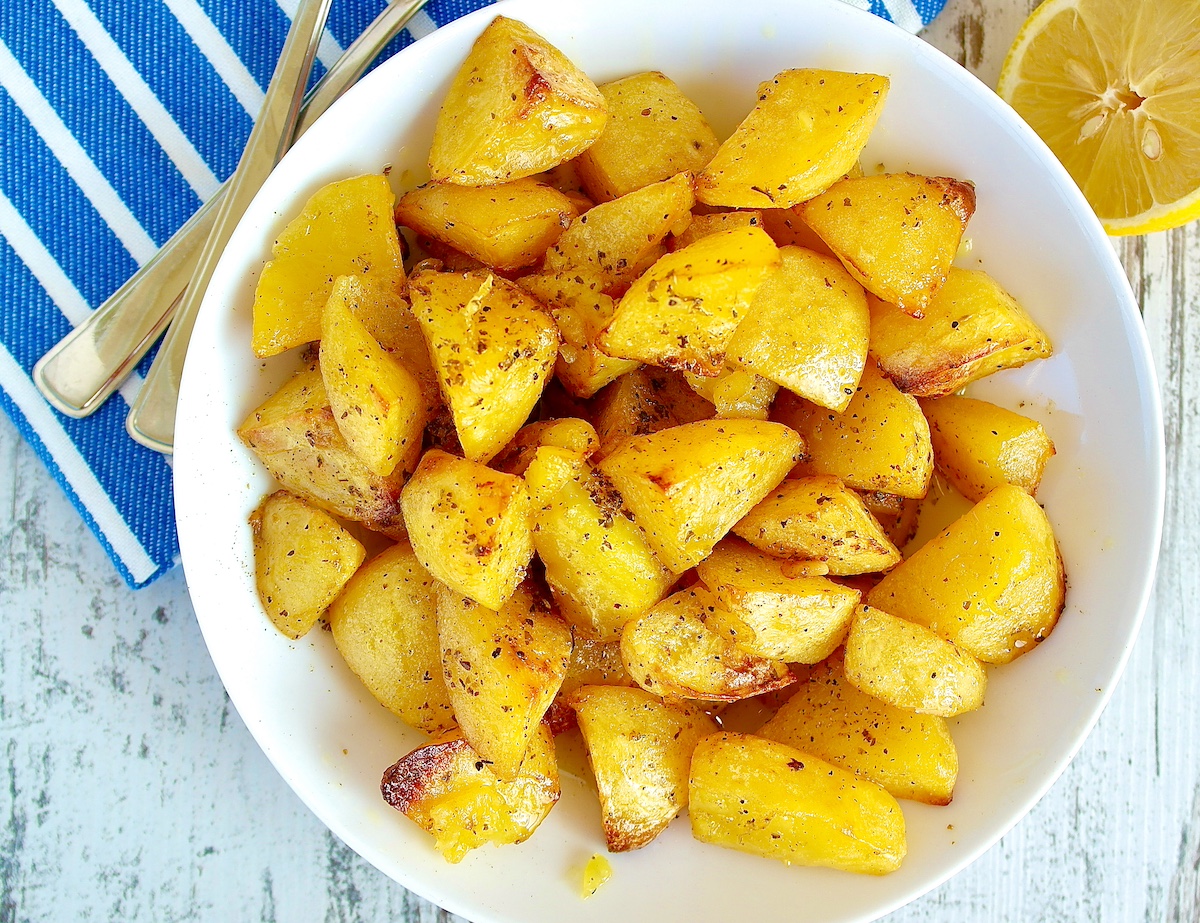
Garlic preparation also distinguishes authentic methods from casual approximations. Rather than mincing the cloves—a practice that increases the risk of burning the garlic and releasing acrid, overpowering flavors during high-heat roasting—traditional recipes call for whole cloves left unpeeled or merely halved and quartered. This infuses the oil and cooking juices with a mellow, aromatic backdrop without dominating the palate.
Anatomy of the Roasting Technique
The success of patates fournou lemonates depends heavily on mechanical and thermal execution rather than complex ingredient lists. Standardized culinary timelines emphasize that the potatoes should never be pre-boiled. Instead, raw potato wedges are tossed directly with the oil, lemon juice, water, and seasonings in the roasting pan, allowing the starches to interact natively with the acidic liquid and lipids.

The geometry of the cut plays a vital physical role in texture development. While modern presentations frequently feature long, uniform wedges, traditional home cooks often cut these wedges in half or thirds. Shorter, thicker cuts maximize surface area while preserving a dense, steamed interior. As the pan bakes at high temperatures—typically enhanced by convection fan settings—the bottom layer of the potato absorbs the boiling lemon-oil emulsion, softening completely, while the top and edges caramelize and crisp against the dry heat of the oven.
Chronological Preparation Guide
Preparation and assembly follow a strict chronological sequence to ensure optimal texture and flavor absorption:

- Potato Selection and Cutting: Select high-starch, all-purpose baking potatoes. Peel them and cut them lengthwise into thick wedges, then cross-cut them to achieve compact, dense chunks rather than elongated French fry shapes.
- Seasoning Integration: Transfer the potato pieces to a roasting pan. Generously coat them with authentic extra virgin olive oil, fresh-squeezed lemon juice, sea salt, freshly cracked black pepper, and high-grade Greek oregano. Add halved garlic cloves and, optionally, a minimal amount of whole cloves or allspice berries.
- Liquid Balance: Add a measured amount of water to the pan. The liquid should pool slightly at the base without submerging the potatoes entirely, facilitating initial steaming before the baking phase transitions into roasting.
- Thermal Processing: Place the pan into a preheated oven operating at high heat. If utilizing a convection fan, maintain standard high temperatures; if using a conventional static oven, elevate the temperature slightly to compensate for reduced air circulation.
- Roasting Phase: Bake undisturbed for the duration of the cooking cycle, allowing the water to evaporate, the oil and lemon to emulsify, and the exterior crust to form. Monitor the pan during the final stages to prevent burning while ensuring complete moisture reduction.
Nutritional and Economic Implications
From a nutritional standpoint, authentic Greek lemon potatoes provide a complex carbohydrate source delivered alongside healthy fats. Because the recipe relies entirely on plant-based ingredients—making it inherently vegan, vegetarian, and dairy-free—it accommodates a wide spectrum of dietary restrictions without requiring culinary substitutions.
Economically, the dish remains accessible, utilizing shelf-stable pantry staples, root vegetables, and fresh citrus. The reliance on whole ingredients underscores a traditional Mediterranean philosophy of resourcefulness, transforming inexpensive foundational components into a complex, texturally dynamic dish through precise application of heat and timing.

Broader Impact on Global Mediterranean Cuisine
The enduring popularity of patates fournou lemonates highlights a broader shift in international food culture toward regional authenticity. As consumers increasingly seek out heritage recipes with historical roots rather than modernized fusion interpretations, traditional preparation methods are preserved and validated. Culinary historians note that dishes like patates lemonates serve as culinary ambassadors for Greece, offering an accessible entry point into the domestic cooking traditions of the Mediterranean basin. By maintaining strict adherence to historical techniques—such as avoiding chicken broth, utilizing correct oil ratios, and preserving whole garlic cloves—cooks worldwide continue to replicate the exact sensory experience found in traditional Greek home kitchens.



0 Komentar
Sampaikan opini dan diskusi yang membangun dengan bahasa yang santun.
Belum Ada Komentar
Jadilah yang pertama memberikan tanggapan mengenai berita ini.