
Three Ingredient Shortbread Cookies

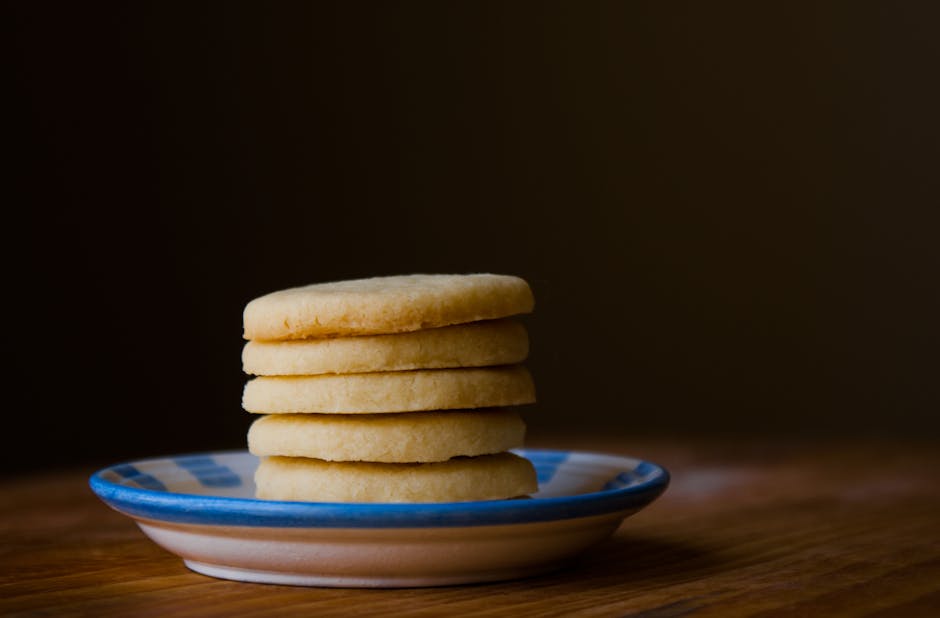
The Alchemy of Simplicity: Mastering Three-Ingredient Shortbread Cookies
The allure of shortbread cookies lies not in complexity but in the profound satisfaction derived from a handful of humble ingredients. At its core, true shortbread is a testament to culinary alchemy, transforming basic pantry staples into melt-in-your-mouth masterpieces. This article delves deep into the world of three-ingredient shortbread, exploring the foundational principles, the optimal choices for each ingredient, variations, troubleshooting, and the sheer joy of creating these iconic biscuits with minimal fuss. The magic of shortbread resides in its name: "short" referring to the high fat content, which inhibits gluten development, resulting in that signature crumbly, tender texture. While many recipes boast elaborate additions, the purest form, the three-ingredient wonder, requires only butter, sugar, and flour. Mastering this fundamental recipe opens the door to endless possibilities and a reliable go-to for any occasion.
The cornerstone of any exceptional three-ingredient shortbread is the butter. Its quality directly dictates the flavor, texture, and overall success of the cookies. For optimal results, unsalted butter is the universally recommended choice. This allows for precise control over the salt content, a crucial element in balancing the sweetness and enhancing the butter’s natural richness. Opting for high-quality, European-style butter, which typically has a higher fat content (around 82-84%) compared to standard American butter (around 80%), can elevate the shortbread’s luxurious mouthfeel and depth of flavor. The increased fat content contributes to a more tender crumb and a richer taste. Avoid using margarine or spreads, as these contain water and emulsifiers that will negatively impact the texture, leading to a greasy or less crumbly outcome. The butter must be at room temperature, but not softened to the point of being oily. It should yield gently when pressed, allowing for proper creaming with the sugar, which is essential for incorporating air and achieving a light texture. The ideal temperature ensures that the butter can be easily incorporated into the sugar, forming a homogenous mixture that will later bind the flour. Undermixing will result in tough cookies, while overmixing can lead to a greasy texture. Therefore, the initial creaming stage is critical for initiating the desired textural transformation.
The second vital component is the sugar. While granulated sugar is the most common choice, the type of sugar used can subtly influence the final cookie. Standard granulated sugar provides a clean sweetness and contributes to the crispness of the shortbread. Caster sugar, also known as superfine sugar, dissolves more readily than granulated sugar, leading to a smoother dough and potentially a more tender cookie. Its finer grain size allows for easier incorporation into the butter, reducing the risk of grittiness. Confectioners’ sugar, or powdered sugar, is another option. While it will yield a very tender and almost melt-in-your-mouth shortbread, it also tends to produce a cookie that is more prone to spreading during baking, which can alter the classic shortbread shape. For the quintessential three-ingredient shortbread, a balance between tenderness and structure is often desired, making caster sugar or good quality granulated sugar the preferred choices. The ratio of sugar to butter is also significant. Too little sugar can result in a bland, crumbly cookie, while too much sugar can lead to excessive spreading and a cookie that burns easily. The traditional shortbread ratio often leans towards equal parts butter and sugar by weight, or a slight preponderance of butter, which is the defining characteristic of "short" dough.
The final, and arguably most simple, ingredient is the flour. All-purpose flour is the standard and most accessible option for three-ingredient shortbread. Its protein content (around 10-12%) provides sufficient structure to hold the cookie together without becoming tough. The key is to avoid overworking the flour. Overmixing develops gluten, which will result in a chewy or tough shortbread, directly counteracting the desired crumbly texture. Therefore, the flour should be incorporated gently until just combined. Some bakers advocate for using cake flour or a pastry flour blend, which have lower protein content, to further enhance tenderness. However, the difference might be subtle, and all-purpose flour, when handled correctly, delivers excellent results. Sifting the flour before adding it to the butter-sugar mixture can help aerate it and ensure an even distribution, contributing to a lighter final product. The goal is to achieve a dough that is cohesive but not elastic. When pressed together, it should hold its shape without being sticky or stringy. The flour absorbs the moisture from the butter and sugar, creating the dry, crumbly composition that defines shortbread.
The traditional method for creating three-ingredient shortbread is remarkably straightforward, relying on the creaming of butter and sugar followed by the gentle incorporation of flour. Begin by creaming the softened, room-temperature butter with the sugar until the mixture is pale yellow and fluffy. This process can be done by hand with a wooden spoon or a whisk, or more efficiently with an electric mixer on medium speed. The aim is to incorporate air, which contributes to the cookie’s lightness. Once creamed, gradually add the flour, mixing on low speed or by hand until just combined. The dough will likely appear crumbly at this stage. Bring the dough together by hand, gently pressing it into a cohesive mass. Avoid kneading. Once the dough has formed, it’s ready for shaping.
Shaping shortbread offers several classic approaches. The most traditional is pressing the dough into a round or rectangular pan, scoring it into wedges or bars before baking. This "in-pan" method ensures uniformity and ease of serving. Alternatively, the dough can be rolled into a log, chilled, and then sliced into rounds. This method yields perfectly uniform cookies. For a more rustic appeal, the dough can be simply pressed out and cut into shapes using cookie cutters. Regardless of the shaping method, chilling the dough before baking is a crucial step, particularly if using granulated sugar, as it helps to prevent excessive spreading. A chilling time of at least 30 minutes in the refrigerator will firm up the butter, leading to crisper, more defined cookies.
Baking time and temperature are critical for achieving the desired golden hue and tender texture. Three-ingredient shortbread typically bakes at a moderate temperature, around 300-325°F (150-160°C). A lower temperature and longer baking time help to ensure that the cookies bake through evenly without browning too quickly. The cookies are done when the edges are lightly golden and the centers are set. They will continue to firm up as they cool. Overbaking will result in a hard, dry cookie. It’s important to keep a close eye on the cookies during the latter stages of baking. The visual cues of a pale golden edge are more reliable than strict timing, as oven temperatures can vary.
The simplicity of three-ingredient shortbread makes it a versatile canvas for experimentation. While the classic recipe is divine in its purity, subtle additions can unlock new flavor dimensions. A pinch of salt, even when using unsalted butter, can enhance the overall flavor profile and cut through the sweetness. A teaspoon of vanilla extract, while technically introducing a fourth ingredient, adds a comforting aromatic depth. For a citrusy twist, a teaspoon of finely grated lemon or orange zest can be incorporated with the dry ingredients. In the realm of truly three-ingredient variations, consider replacing a portion of the flour with finely ground nuts, such as almonds or hazelnuts, for a richer flavor and a more complex texture. Another intriguing variation involves using browned butter. Browning the butter before incorporating it with the sugar will lend a deep, nutty, caramelized flavor to the shortbread, transforming its character entirely. The key to successful variations lies in maintaining the fundamental butter-to-sugar-to-flour ratio and ensuring that any added ingredients do not disrupt the delicate textural balance.
Troubleshooting common shortbread issues is essential for consistent success. If your shortbread is spreading too much, the butter might have been too soft, the oven temperature too high, or the dough not chilled sufficiently. Conversely, if your shortbread is too hard or tough, you likely overmixed the flour, developing the gluten. If the cookies are crumbly and falling apart before baking, it could be due to too much flour or not enough butter, or that the ingredients were not properly combined to form a cohesive dough. Ensuring ingredients are at the correct temperature and measuring accurately, especially the flour, are vital preventive measures. Using a kitchen scale for precise measurements of flour and butter can significantly improve consistency, as flour volume can vary greatly depending on how it’s scooped.
The storage of three-ingredient shortbread is straightforward. Once completely cooled, these cookies can be stored in an airtight container at room temperature for up to a week. Their high butter content helps to preserve them. For longer storage, they freeze exceptionally well. Baked and cooled shortbread can be frozen in a single layer on a baking sheet, then transferred to a freezer-safe bag or container for up to three months. They can also be frozen as dough logs or cut cookies before baking, to be baked from frozen with a slight increase in baking time.
In conclusion, the beauty of three-ingredient shortbread lies in its elegant simplicity and its profound capacity for deliciousness. By understanding the role of each fundamental ingredient – the rich butter, the balancing sugar, and the structural flour – and by employing gentle techniques, anyone can unlock the magic of this timeless cookie. Whether enjoyed in its purest form or as a foundation for subtle variations, three-ingredient shortbread remains a testament to the power of minimal ingredients yielding maximum flavor and satisfaction. Its accessibility makes it an ideal choice for novice bakers, while its inherent charm and deliciousness ensure its place in the repertoire of seasoned culinary enthusiasts. The crumbly texture, the buttery aroma, and the satisfying snap are all hallmarks of a perfectly executed three-ingredient shortbread, a true delight that requires no fanfare, only the finest ingredients and a gentle hand.


