
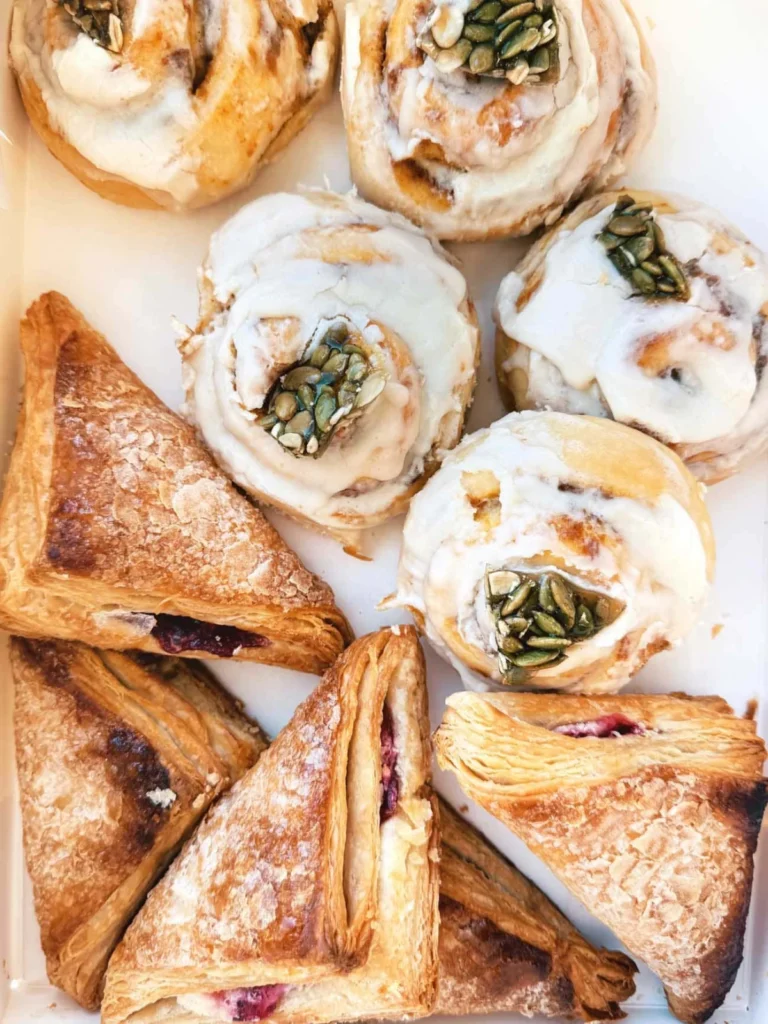
The days following major holiday celebrations, particularly Thanksgiving, often leave households across North America with a familiar logistical challenge: the management of surplus food. While roasted meats and traditional side dishes are frequently repurposed into sandwiches or soups, certain elements of the traditional feast present distinct culinary hurdles. Among these, leftover cranberry sauce consistently ranks as one of the most polarizing components of the Thanksgiving table. Often served in quantities that far exceed consumption during the primary meal, cranberry sauce routinely migrates from the refrigerator to the back of the shelf, where it faces eventual disposal. However, a growing trend among culinary professionals and home cooks alike highlights innovative ways to redirect these seasonal surpluses into viable breakfast pastries and desserts, most notably through the creation of cranberry sauce turnovers.
Main Facts and the Culinary Mechanics of Turnovers
The transformation of tart cranberry sauce into a handheld pastry relies on a delicate balance of contrasting textures and flavors. Culinary experts emphasize that the inherent tartness of cranberries requires a stabilizing element to prevent the filling from overwhelming the palate. By combining residual cranberry sauce with a rich cream cheese filling, home cooks can achieve a harmonious balance that subdues the sharp fruit acidity while maintaining the vibrant flavor profile associated with the holiday season.
Exploring the Unrivaled Versatility of the 9×13-Inch Baking Pan: A Culinary Cornerstone for Home Bakers
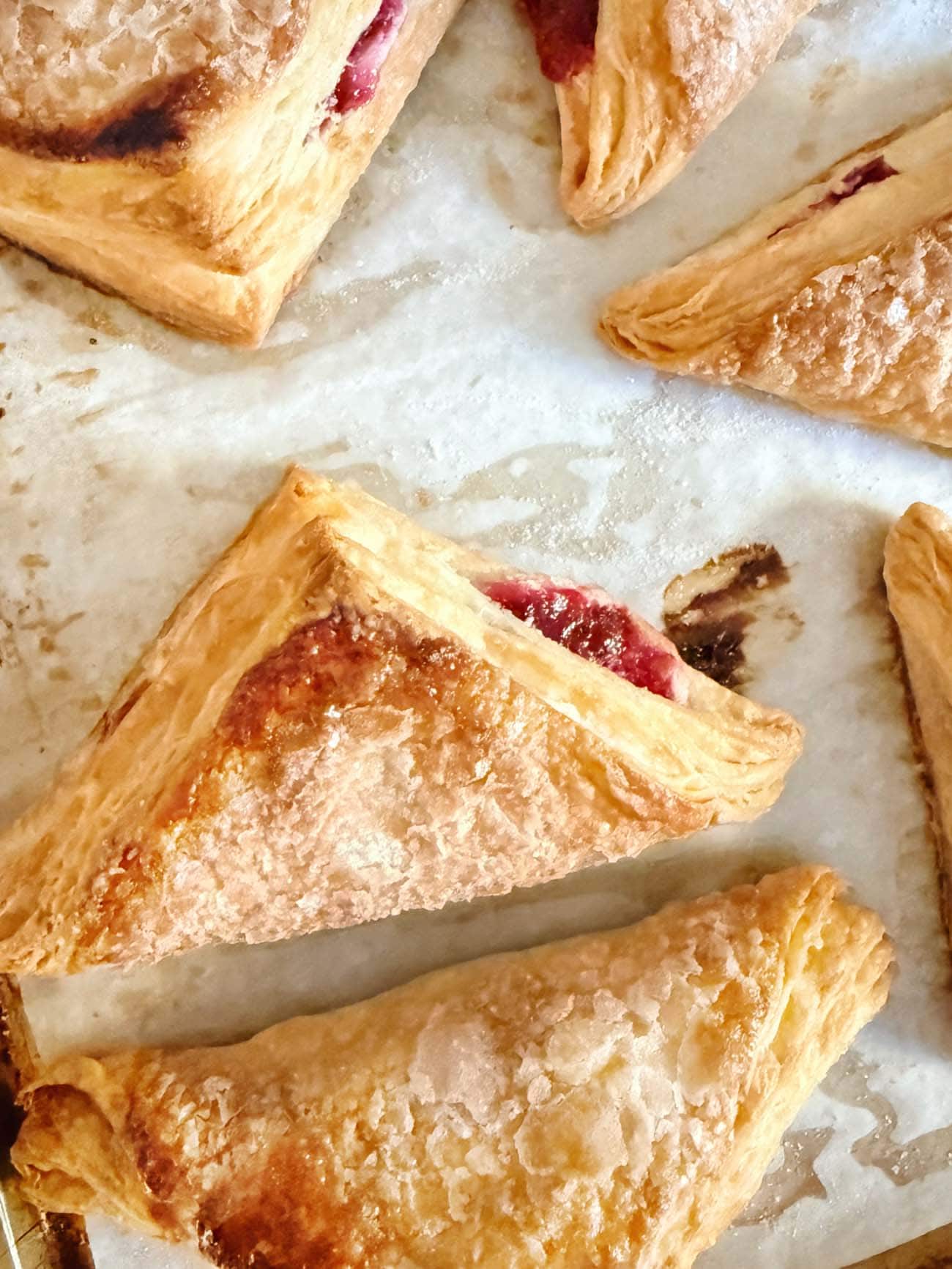
At the structural heart of this recipe is the puff pastry, a laminated dough renowned for its flaky, buttery layers. Whether utilizing a meticulous homemade rough puff pastry or a convenient store-bought alternative, the quality of the fat used in the dough remains a critical variable. Food scientists and master bakers consistently advise consumers to select commercial puff pastry brands manufactured with real butter rather than vegetable oils or shortening. Butter provides not only superior flavor but also contributes to the steam-driven expansion of the dough layers during baking, resulting in the characteristic rise and delicate shatter of a well-made turnover.
Chronology of Holiday Leftover Innovation
The evolution of repurposing Thanksgiving leftovers has undergone a significant shift over the past decade. Historically, post-holiday meals in the mid-to-late 20th century were characterized by repetition: consecutive days of cold turkey plates, hot turkey sandwiches with gravy, and basic casseroles. Innovation was largely limited to combining existing elements without altering their fundamental form.
By the early 2000s, culinary media and food blogs began introducing the concept of deconstruction and reconstruction—taking leftover ingredients and embedding them into entirely new dishes. The cranberry turnover emerged as a popular iteration of this movement during the 2010s, bridging the gap between traditional American holiday ingredients and classic European pastry techniques. The modern iteration, popularized through various digital food platforms, incorporates strategic freezing methods that allow individuals to assemble the pastries ahead of time and bake them on demand, reflecting contemporary consumer demands for convenience and waste reduction.
Supporting Data and Food Waste Statistics
The urgency behind finding creative uses for leftover cranberry sauce aligns with broader global and domestic data concerning food waste during the holiday season. According to estimates by environmental and agricultural agencies, the United States experiences a dramatic spike in municipal solid waste between Thanksgiving and New Year’s Day, with household food waste increasing by an estimated 25 to 30 percent.
Within this seasonal waste stream, perishable side dishes and condiments account for a substantial percentage of discarded items. Cranberry sauce, due to its distinct flavor profile and limited application in standard daily meal planning, is disproportionately represented in post-holiday refrigerator clear-outs. Culinary economists note that initiatives encouraging the repurposing of items like cranberry sauce, stuffing, and roasted vegetables not only contribute to household budget management but also actively reduce the environmental burden associated with holiday consumption. By converting a cup of leftover sauce into a batch of eight handheld pastries, households can successfully mitigate unnecessary food loss while maximizing the utility of their initial grocery investment.
Preparation Methodology and Practical Considerations
For those preparing cranberry sauce turnovers, adherence to specific technical parameters ensures optimal results. The preparation process begins with the careful division of the pastry dough into manageable portions—typically two half-pound sections when utilizing standard commercial formats or equivalent homemade equivalents.
Culinary technicians advise practicing restraint when applying the filling. While the natural inclination of home cooks is to maximize the amount of fruit and cream cheese within each pastry pocket, overloading the turnovers frequently leads to structural failure during the baking process. As the butter in the puff pastry melts and releases steam in a high-heat oven, excessive internal pressure combined with liquefied fruit can cause the seams to breach, resulting in filling leakage. While minor leakage is considered a normal occurrence and does not compromise the structural integrity or flavor of the pastry, excessive overflow can lead to burning on the baking sheet.
Furthermore, the integration of a freezing protocol offers significant logistical advantages for modern households. By assembling the turnovers, placing them on a lined baking sheet to firm up for approximately one hour, and subsequently transferring them to airtight freezer-safe bags, consumers can store the unbaked pastries for up to two weeks. This methodology transforms a seasonal leftover into a versatile convenience food suitable for unexpected holiday visitors or weekend mornings when extensive meal preparation is impractical. When baking from a frozen state, a slight extension of the standard baking time ensures that the interior reaches the appropriate temperature while the exterior achieves a golden-brown, flaky finish.
Broader Impact and Socioeconomic Implications
The rising popularity of sophisticated leftover recipes points to a deeper cultural shift regarding domestic resourcefulness and culinary literacy. As inflation and economic pressures influence consumer habits, maximizing the value of every purchased grocery item has regained prominence in household management strategies.
Food historians and sociologists observe that the reinvention of holiday remnants serves a dual purpose: it honors the celebratory nature of the initial feast while adapting to the fast-paced realities of modern life. The ability to seamlessly transition a traditional Thanksgiving condiment into a breakfast pastry or afternoon accompaniment demonstrates a practical approach to modern cookery that values sustainability, efficiency, and flavor. As digital communities continue to share and refine these methodologies, the traditional anxiety surrounding holiday leftovers is steadily being replaced by a spirit of culinary creativity.




0 Komentar
Sampaikan opini dan diskusi yang membangun dengan bahasa yang santun.
No Comments Yet
Be the first to share your thoughts on this story.