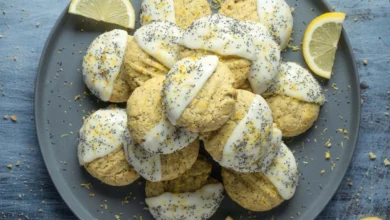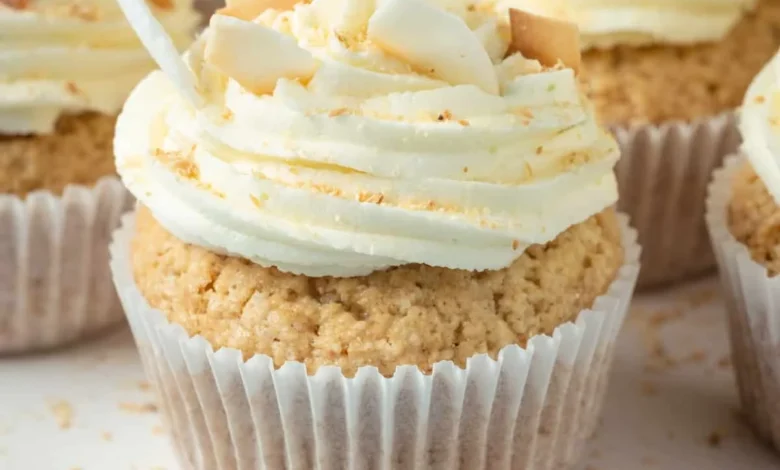
The culinary landscape has undergone a significant shift in recent years, with plant-based alternatives moving from niche markets to the center of mainstream baking. A primary example of this evolution is the emergence of high-quality vegan dessert recipes, such as the recently developed vegan coconut cupcake. These confections demonstrate the technical progress in ingredient science, utilizing plant-based fats and emulsifiers to replicate the texture and flavor profiles traditionally associated with dairy-heavy baking. The rising demand for these products is largely driven by health-conscious consumers, individuals with lactose intolerance, and those adhering to ethical dietary guidelines.

Market Context and Consumer Trends
The global market for plant-based food products has seen an unprecedented expansion, with a compound annual growth rate (CAGR) exceeding 12% in the last five years. According to industry analysis from organizations such as the Good Food Institute, the "bakery" category is a major growth driver within the vegan sector. Consumers are increasingly seeking treats that maintain the sensory appeal of conventional desserts while aligning with personal values or dietary restrictions.

This particular recipe utilizes desiccated coconut, a processed coconut product that offers both flavor and structural integrity. In conventional baking, eggs and dairy fat provide the structure and moisture necessary for a stable crumb. In the context of vegan baking, the recipe relies on the interaction between plant-based lipids and specific starch ratios to ensure the final product is not only moist but also capable of holding a substantial buttercream topping.

Technical Composition and Culinary Methodology
The development of these cupcakes involves a precise balancing of ingredients to overcome the common pitfalls of vegan baking, such as excessive density or a lack of cohesion. Unlike traditional sponge cakes that rely on the aeration of egg whites, this recipe leverages the chemical leavening reaction between baking powder and acidity—often introduced through plant-based milk alternatives—to achieve its rise.

The incorporation of shredded coconut into the batter serves a dual purpose. Beyond imparting flavor, the fiber content of the coconut acts as a structural agent, adding a distinct texture that distinguishes these cupcakes from traditional vanilla-based iterations. The accompanying coconut-lime buttercream frosting represents an application of flavor-pairing science; the high fat content of coconut cream is stabilized with powdered sugar and brightened by the citric acid found in lime juice, which cuts through the richness of the fat to provide a balanced sensory experience.

Chronology of Culinary Innovation
The transition toward accessible, home-friendly vegan baking began in earnest during the early 2010s, as readily available commercial substitutes for butter and cream became standard in grocery retail. The refinement of the "coconut cupcake" formula follows a specific developmental timeline:

- 2012–2015: Initial experimentation with flax-eggs and basic plant-based fats; focus primarily on stability.
- 2016–2019: Refinement of texture; shift toward high-fat coconut milk and refined flour blends to improve the "crumb" and moisture retention.
- 2020–2025: Optimization of flavor layering, specifically the integration of citrus profiles to enhance the profile of coconut, which can often be perceived as one-dimensional.
Nutritional Implications and Dietary Considerations
While vegan desserts are often perceived as a "healthier" alternative to traditional options, nutritional analysis indicates that they remain a caloric indulgence. A single unit of this recipe contains approximately 447 kcal, primarily sourced from carbohydrates and plant-based fats.

Dietary experts note that while the removal of dairy eliminates cholesterol and lactose, the sugar content remains consistent with conventional cupcakes. For individuals with celiac disease or gluten sensitivities, the adaptability of this recipe is a critical feature. By substituting the standard wheat-based all-purpose flour for a professional-grade gluten-free blend, bakers can maintain the structural integrity of the cupcake. However, practitioners of this substitution must be aware that gluten-free blends typically have higher hydration requirements, often necessitating a slight increase in the oil-to-flour ratio to prevent excessive dryness.

Industry and Expert Perspectives
Food scientists and pastry chefs have noted that the "veganization" of classic recipes is no longer about imitation, but about innovation. Professional bakers highlight that the challenge of creating a vegan cupcake is primarily one of emulsification. "The goal is to match the mouthfeel of butter-creamed sugar, which is essentially a stable emulsion of air, fat, and sugar," notes one industry consultant. "Using coconut as both a flavor agent and a texture modifier is a sophisticated way to bypass the need for traditional dairy-based stabilizers."

Furthermore, the popularity of such recipes indicates a broader trend toward transparency in home cooking. Modern consumers are increasingly interested in the "why" and "how" of their food, moving away from pre-packaged, highly processed plant-based alternatives toward scratch-made versions that use whole ingredients like shredded coconut and fresh citrus.

Broader Impact on Home Baking
The accessibility of these instructions—often found on digital platforms—serves as a democratizing force in the culinary world. By removing the barrier of complex, expensive, or hard-to-find ingredients, the recipe empowers home cooks to participate in a dietary movement that was once confined to professional vegan bakeries.

The implications for the future of baking are clear: as plant-based ingredient technology continues to advance, the distinction between "vegan" and "conventional" desserts will continue to blur. Future iterations of this recipe may see the integration of alternative sweeteners or pulse-based flours to further improve the nutritional profile. For now, however, the current iteration stands as a benchmark for how well plant-derived ingredients can be utilized to replicate—and in some cases, enhance—the traditional cupcake experience.

Conclusion and Practical Guidance
For those looking to replicate this at home, success is contingent upon the accurate measurement of ingredients and the proper handling of the batter. Because the desiccated coconut absorbs moisture, the batter will appear thicker than standard cake mixtures. This is a normal occurrence and should not be mistaken for an error in the recipe.

Proper storage is also essential to maintain quality. Given the absence of preservatives found in commercial baked goods, these cupcakes should be stored in an airtight container at room temperature for up to three days, or refrigerated for up to a week. For long-term storage, freezing is a viable option, provided the cupcakes are protected from freezer burn, allowing for a shelf life of up to three months. Through careful preparation, this recipe provides a high-quality, plant-based alternative that meets the rigorous standards of modern culinary expectations.