
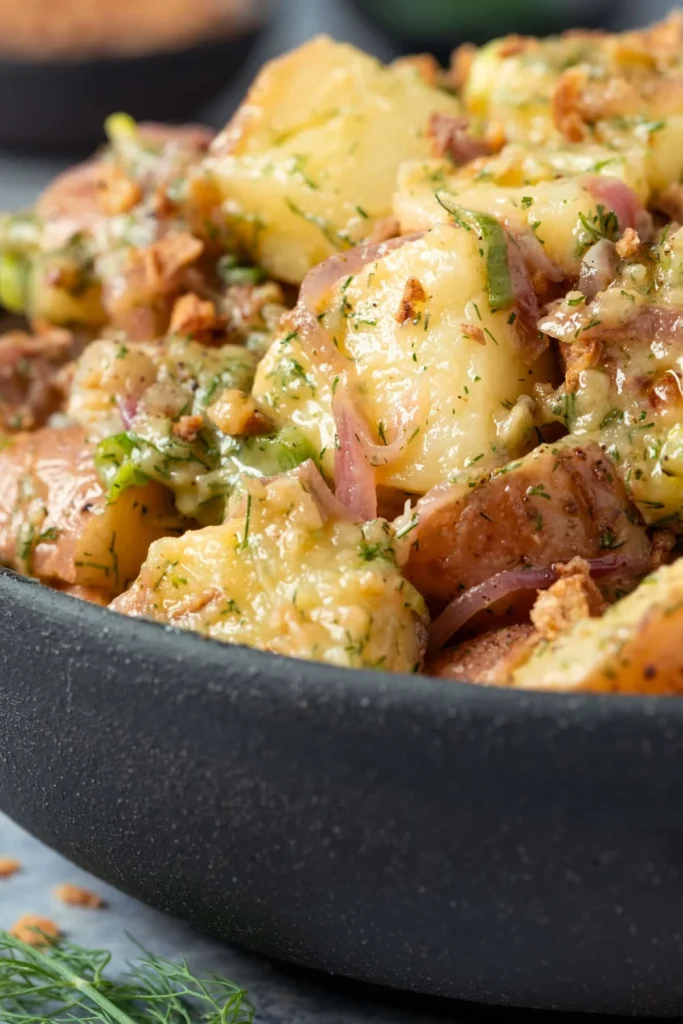
Historical Context and Culinary Evolution
The history of potato salad dates back to the 17th century in Germany, where the tuber became a dietary staple following its introduction from the Americas. Regional variations across Germany are vast; in the southern regions, particularly in Bavaria and Swabia, potato salad is traditionally prepared with a vinegar-based dressing, broth, and sometimes mustard, bacon, or onions. In contrast, northern German regions often incorporate mayonnaise.

The transition to a vegan model of this classic dish involves replacing traditional animal-derived ingredients—such as bacon fat or beef stock—with high-quality plant-based alternatives. The modern iteration, which focuses on smoky seasonings and olive oil-based vinaigrettes, retains the traditional "warm serving" profile while adhering to modern dietary preferences. Culinary historians note that the shift toward plant-based versions of regional European dishes reflects a broader trend in European gastronomy, where chefs and home cooks alike seek to preserve cultural heritage while accommodating ethical and health-conscious consumer segments.

Nutritional Profile and Dietary Implications
A standard serving of this vegan German potato salad provides approximately 283 kilocalories. The macronutrient breakdown includes 34 grams of carbohydrates, 3 grams of protein, and 15 grams of fat, with a modest 3 grams of dietary fiber. The dish is naturally cholesterol-free and contains no dairy or eggs, making it suitable for those with common food allergies or those following a strictly plant-based lifestyle.

From a nutritional standpoint, the use of potatoes as a base provides a significant source of potassium and Vitamin C. When boiled and then dressed in a vinegar-based vinaigrette, the glycemic index of the potato is potentially moderated, particularly if the salad is allowed to cool slightly before serving, which encourages the formation of resistant starch. This dietary fiber acts as a prebiotic, supporting digestive health. The addition of fresh herbs, such as dill, provides small amounts of essential micronutrients, including manganese and iron, while the inclusion of onions offers beneficial sulfur compounds known for their antioxidant properties.

Preparation Methodology: A Chronological Approach
The preparation of an authentic-style vegan German potato salad requires attention to the texture of the potato. The process typically follows a specific sequence:

- Potato Selection and Preparation: The use of waxy potatoes, such as Yukon Gold or fingerling varieties, is recommended to ensure they hold their shape after boiling. The potatoes are typically sliced into quarter-inch rounds, a size that allows for adequate absorption of the vinaigrette.
- Boiling Phase: Potatoes are placed in cold, salted water and brought to a boil, a technique that ensures even cooking. The duration is generally limited to approximately 10 to 12 minutes to maintain a firm, non-mushy texture.
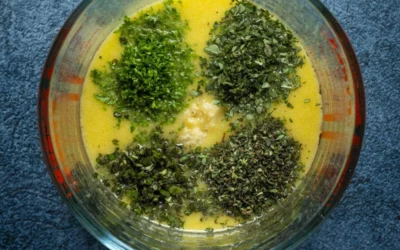
- Vinaigrette Development: This is the most critical stage. The dressing requires an acidic base, usually apple cider vinegar or white wine vinegar, combined with a sweetener like maple syrup to counteract the sharp acidity. A high-quality Dijon mustard acts as an emulsifier.
- Sautéing Aromatics: Red onions or yellow onions are sautéed until translucent, which deepens their flavor profile. Once the aromatics are combined with the vinegar-maple reduction, the heat is turned off to incorporate the olive oil, preventing the oil from breaking down at high temperatures.
- Assembly: The warm, drained potatoes are combined with the dressing. The residual heat of the potatoes helps the starch absorb the flavors of the vinaigrette more effectively. Final additions include fresh dill, green onions, and smoky seasonings, such as smoked sea salt or liquid smoke, which mimic the traditional depth usually provided by bacon.
Industry Response and Market Trends
The culinary industry has observed an increased interest in plant-based side dishes that function as center-of-plate items. Professional chefs have noted that the "savory-tangy" profile of German potato salad makes it an ideal candidate for vegan modification. Unlike cream-based salads, which can feel heavy during summer months or warm-weather events, the vinaigrette-based salad offers a lighter, more versatile option.

According to data from food service analysts, demand for "classic comfort foods" with a "vegan twist" has increased by approximately 15% year-over-year. This trend is driven by a younger demographic that prioritizes sustainability and animal welfare without sacrificing traditional flavor profiles. The "make-ahead" nature of this salad—where the flavor profiles deepen after sitting in a refrigerator for 24 hours—also aligns with the growing demand for meal-prep-friendly recipes.

Broader Impact on Consumer Behavior
The shift toward dishes like vegan German potato salad suggests a change in how consumers view traditional European comfort food. There is a move away from the binary perception that "traditional" must mean "animal-based." Instead, there is an emphasis on technique and flavor extraction. By utilizing ingredients like smoked sea salt or high-quality vinegars, home cooks are able to replicate the complex, smoky, and salty notes traditionally derived from animal proteins.

Furthermore, the storage longevity of this dish—up to 5 days when refrigerated—makes it a practical solution for institutional food services, such as caterers and deli-style restaurants looking to offer reliable, shelf-stable, and broadly appealing vegan options. As global food supply chains continue to focus on sustainable plant-based proteins and vegetables, the reliance on such time-tested, vegetable-forward recipes is expected to grow.

Summary of Findings
The vegan German potato salad represents a successful intersection of historical culinary techniques and modern dietary requirements. Its structural integrity, reliance on fresh herbs, and the deliberate use of acidity create a dish that is both nutritionally balanced and culturally resonant. By moving away from heavy, mayonnaise-based dressings, the dish offers a sophisticated, lighter alternative that meets the needs of a diverse range of dietary patterns. As culinary technology and ingredient availability continue to evolve, the capacity to further refine these traditional recipes will remain a priority for both home cooks and professional chefs, ensuring that such staples remain relevant in an increasingly plant-forward food landscape.

Future developments in this sector may include further exploration of regional variations, such as incorporating different types of vinegars—like sherry or balsamic—or experimenting with root vegetable substitutes to vary the fiber and nutrient content. Regardless of these iterations, the core principles of the salad—a warm, acidic, and herb-forward composition—ensure its continued status as a versatile and enduring side dish.



0 Komentar
Sampaikan opini dan diskusi yang membangun dengan bahasa yang santun.
Belum Ada Komentar
Jadilah yang pertama memberikan tanggapan mengenai berita ini.