The Evolution of Plant-Based Condiments
Historically, Italian dressing has relied on a base of vegetable oil, vinegar, water, and a blend of spices. Traditional versions often incorporate stabilizers, preservatives, and occasionally additives derived from animal sources to achieve a desired consistency or "cheesy" flavor profile. The modern iteration of vegan Italian dressing represents a departure from these processed norms. By leveraging the umami properties of nutritional yeast and the emulsifying power of Dijon mustard, culinary developers have successfully replicated the sensory experience of a traditional vinaigrette without relying on animal-derived products or artificial thickeners.

This shift aligns with broader trends in the food industry. According to market research reports from 2023 and 2024, the plant-based dressing and condiment sector is projected to maintain a compound annual growth rate (CAGR) of over 8% through the end of the decade. This growth is driven by a demographic of health-conscious consumers who prioritize ingredient transparency, favoring recipes that can be replicated with whole, fresh components.
Analytical Breakdown of Ingredient Functionality
The efficacy of a high-quality vegan Italian dressing is determined by the precise balance of its components. From a biochemical perspective, the dressing relies on the emulsification process, where Dijon mustard acts as a surfactant, bridging the gap between the hydrophilic elements—such as vinegar and lemon juice—and the hydrophobic olive oil.

- Nutritional Yeast: Beyond its role as a seasoning, nutritional yeast is a primary source of B-vitamins and provides a savory, nutty, or "cheesy" depth that compensates for the absence of Parmesan or other dairy-based additives.
- Acidic Balance: The interaction between the acetic acid in vinegar and the citric acid in lemon juice creates a layered brightness. This complexity is essential for balancing the richness of high-quality olive oil.
- Sweetness Regulation: A small addition of maple syrup serves as a rounding agent. It mitigates the sharp bite of the vinegar, ensuring that the dressing provides a cohesive flavor profile rather than an overly aggressive acidity.
- Herb Integration: While dried herbs are often used for convenience, botanical analysis confirms that the essential oils in fresh herbs—such as basil, oregano, and parsley—provide a more volatile and aromatic experience. Fresh herbs contain higher concentrations of water-soluble flavor compounds that dissipate quickly, which is why their addition is typically reserved for the final stages of preparation.
Chronology of Culinary Preparation
The preparation of this dressing follows a systematic approach designed to maximize emulsion stability. While the process is relatively brief, the sequence of operations is critical for achieving the correct texture:
- Emulsification Phase (Minutes 0–3): The base ingredients—vinegar, lemon juice, mustard, and maple syrup—are whisked with the oil. The objective is to create a stable suspension before the addition of particulates.
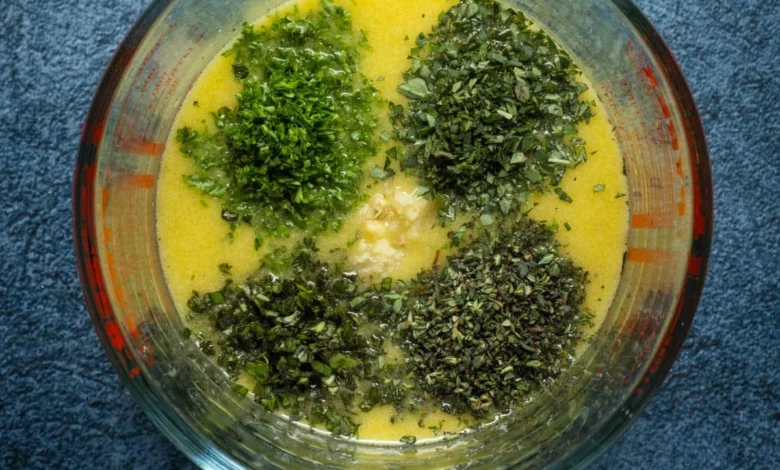
- Flavor Infusion (Minutes 3–5): Finely minced garlic and fresh herbs are introduced. The resting period is vital here; allowing the mixture to sit for at least ten minutes enables the garlic’s sulfur compounds and the herbs’ essential oils to permeate the oil base, significantly enhancing the final flavor intensity.
- Maturation Phase (Refrigeration): Unlike many other dressings, this preparation benefits from a resting period in an airtight environment, such as a glass mason jar. This allows the flavors to stabilize, with a recommended shelf life of up to five days under constant refrigeration (at or below 40°F/4°C).
Nutritional Context and Health Implications
From a dietary standpoint, this dressing serves as a functional food. A standard serving contains approximately 145 kilocalories, primarily derived from monounsaturated fats found in olive oil. These fats are associated with improved cardiovascular health, particularly when replacing saturated fats found in mayonnaise-based dressings.

With 14 grams of fat and only 5 grams of carbohydrates per serving, it is a suitable addition to ketogenic or low-glycemic diets. The inclusion of garlic and herbs also contributes to the intake of polyphenols, which are recognized for their antioxidant properties. However, as with all oil-based products, portion control remains a factor for individuals monitoring total caloric intake, as the energy density of the olive oil remains high relative to the volume of the serving.
Industry and Consumer Perspectives
Industry experts note that the rising popularity of these recipes reflects a "do-it-yourself" (DIY) movement fueled by social media and a growing skepticism regarding the ingredient labels of ultra-processed food products. Professional chefs who advocate for this approach highlight that the primary benefit is the elimination of "hidden" sugars and sodium-heavy preservatives often found in commercial dressings.

"The move toward making one’s own dressing is not just about dietary restriction; it is about flavor optimization," notes a consultant in the plant-based food sector. "When you control the ratio of acidity to fat, you are essentially customizing the dressing to the specific produce you are consuming. That level of control is simply not possible with shelf-stable products that have been processed for shelf-life longevity."
Broader Market Impact
The widespread adoption of these simple, high-impact recipes has implications for the retail sector. As consumers learn that they can achieve superior quality in under ten minutes using five to seven pantry staples, traditional bottled dressing sales are facing increased competition from the "fresh-made" segment.

Furthermore, the environmental implications are noteworthy. By reducing the demand for commercially bottled products, households can effectively decrease their consumption of single-use plastics and lower the carbon footprint associated with the shipping and storage of refrigerated, heavy glass or plastic bottles.
Conclusion
The resurgence of the homemade vegan Italian dressing is more than a fleeting culinary trend; it is a symptom of a broader societal shift toward intentional consumption. By emphasizing the use of fresh herbs, high-quality oils, and natural emulsifiers, the recipe provides a viable alternative to the industrial standards of the 20th century. Whether served as a dressing for a leafy green salad or as a marinade for roasted vegetables, the preparation represents a fusion of traditional Italian flavor profiles with modern nutritional awareness. For the modern home cook, the value lies in the intersection of speed, simplicity, and the profound improvement in quality that fresh, whole-food ingredients bring to the table.