Watercress Wonton Soup Reinvigorates Traditional Dim Sum Cuisine with a Fresh, Peppery Twist

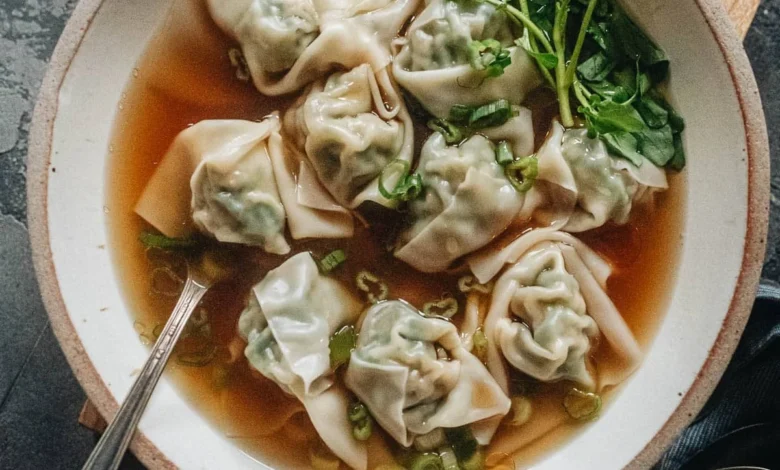
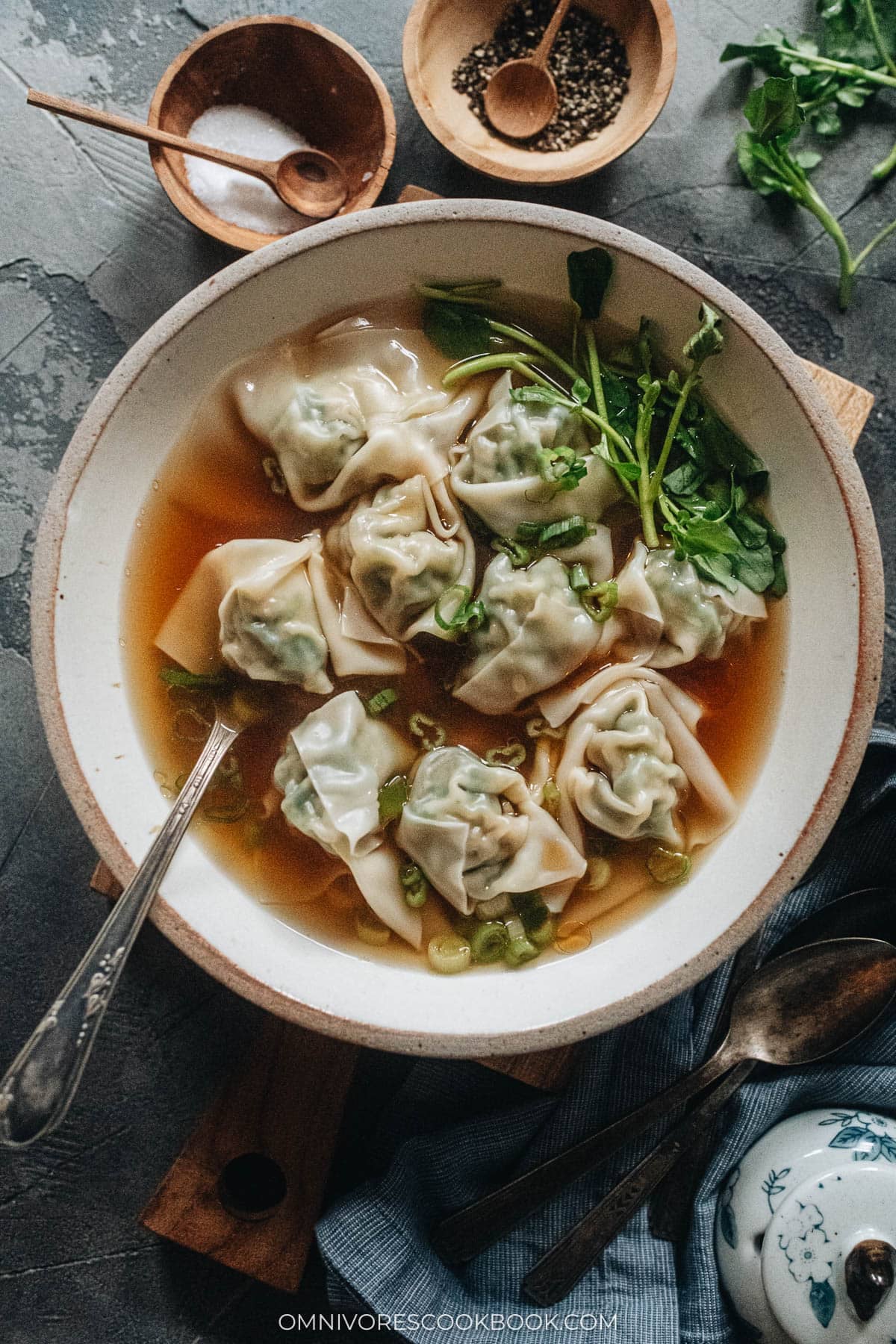
Culinary traditions surrounding comfort foods often evolve through regional adaptations and seasonal availability, yet few dishes capture the essence of home-style Chinese cooking quite like wonton soup. In recent culinary developments, home cooks and professional kitchens alike are turning their attention toward a vibrant, nutrient-dense variation of the classic comfort dish: pork and watercress wontons served in a clear chicken broth. This modern interpretation blends the rich, savory profile of ground pork with the crisp, peppery notes of fresh watercress, offering a sophisticated update to traditional dim sum offerings.

The resurgence of watercress in contemporary dumpling fillings highlights a broader culinary movement toward incorporating leafy greens that offer both structural integrity and robust flavor. Historically, Chinese wonton fillings have varied widely by family and region, ranging from pure pork and shrimp variations in Cantonese cuisine to heavier, vegetable-dense fillings found in Shanghai. The introduction of watercress—a semi-aquatic plant belonging to the Brassicaceae family, which includes mustard, cabbage, and radishes—brings a distinct peppery bite that cuts through the richness of the pork, creating a balanced and harmonious flavor profile.
Culinary Preparation and Technical Precision
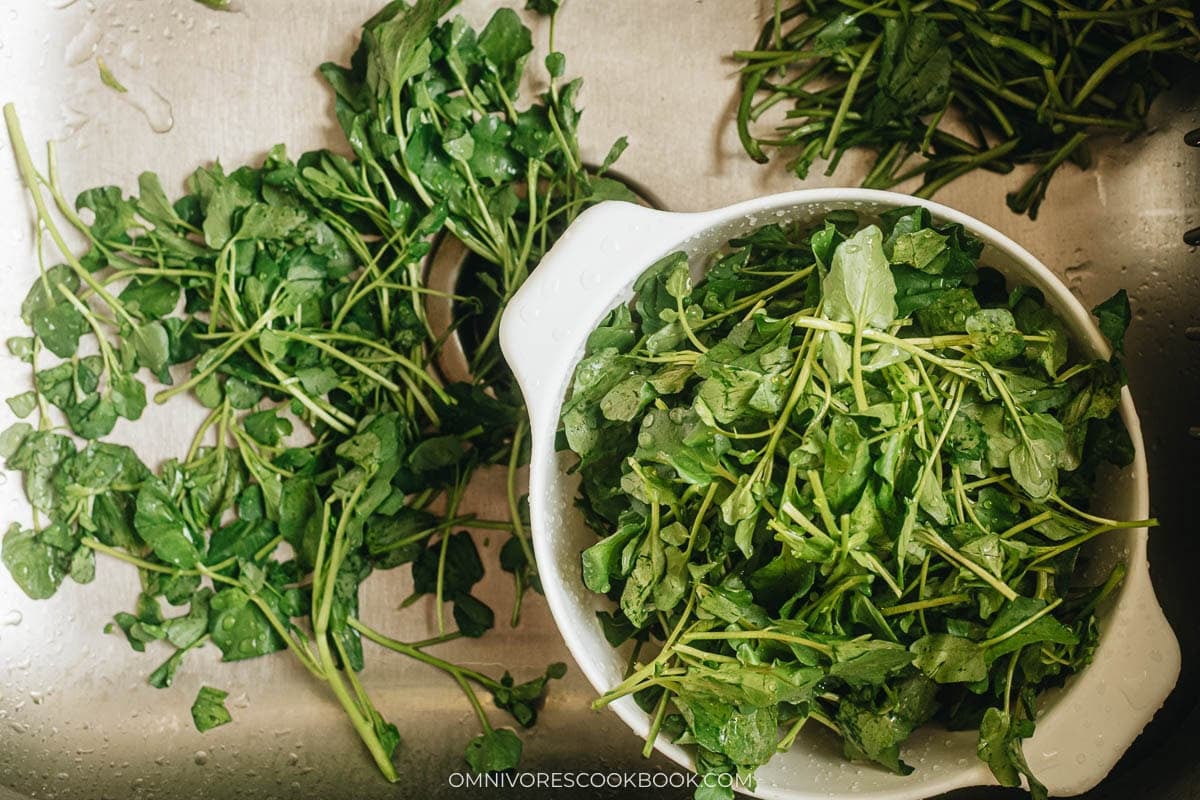
Preparing watercress for wonton fillings requires a high degree of technical precision to ensure the structural integrity of the dumpling. Unlike cabbage or spinach, watercress contains fibrous stems and a high moisture content that, if left unmanaged, can compromise the texture of the filling and cause the delicate wonton wrappers to tear or split during the boiling process.
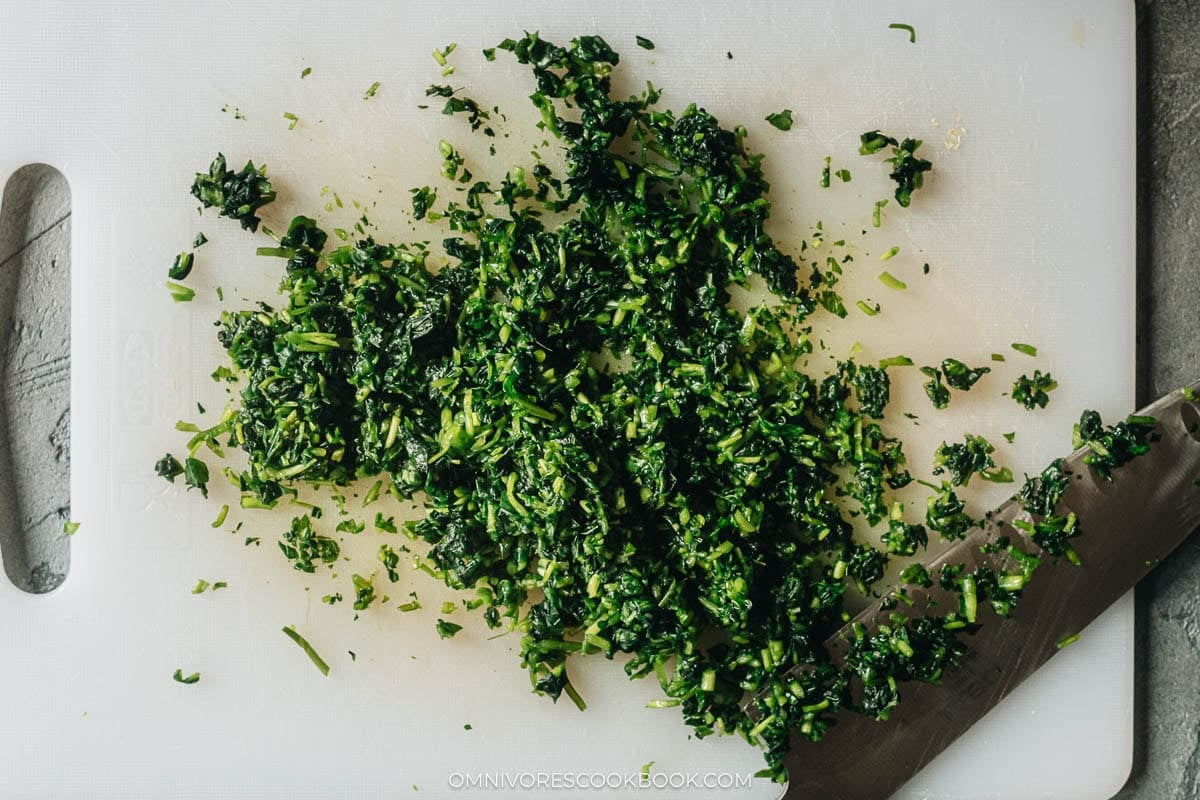
Professional and home culinary guidelines dictate a multi-step preparation process designed to eliminate excess water while retaining the green’s signature flavor. The procedure begins with rigorous cleaning to remove field debris, followed by the manual removal of tough lower stems. The remaining tender leaves and stems are then treated with salt—a culinary technique known as drawing out moisture through osmosis—and allowed to rest for approximately ten minutes. Following this resting period, the watercress is manually squeezed until virtually bone dry before being finely minced and folded into seasoned ground pork.
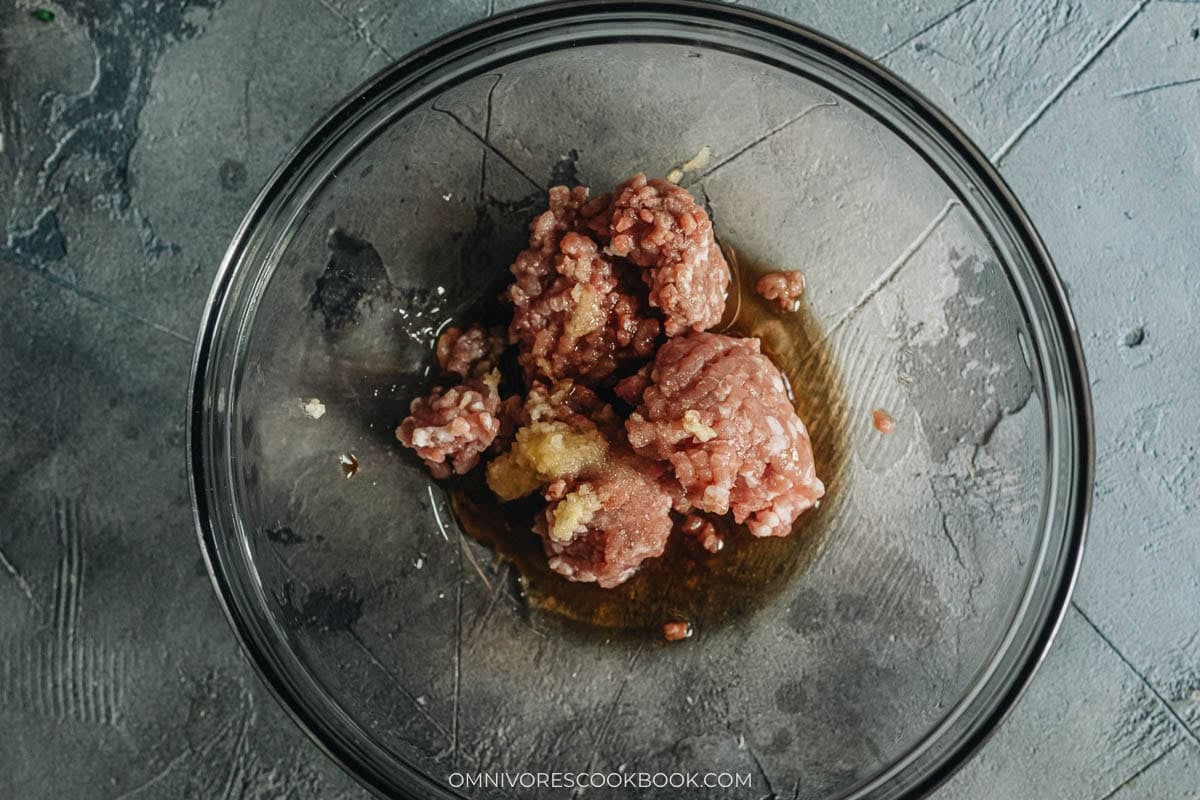
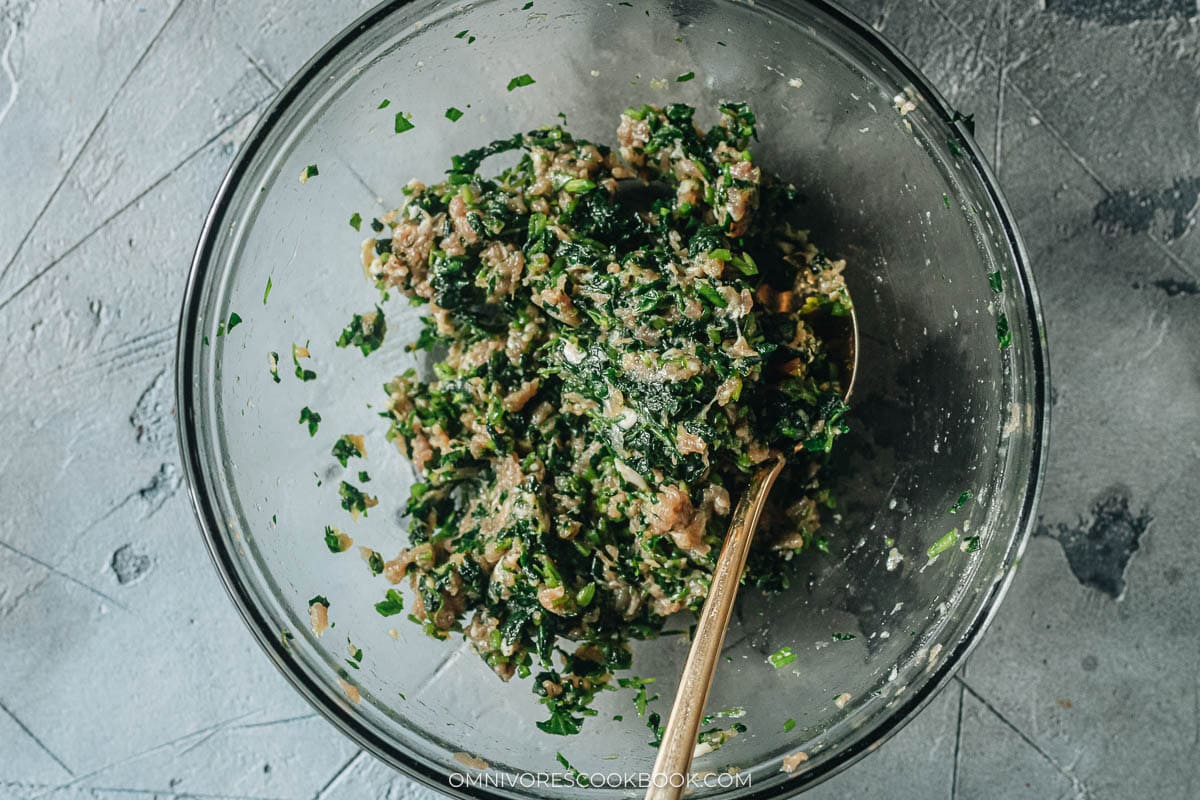
The pork filling itself relies on a precise emulsion technique. Ground pork is combined with pantry staples including light soy sauce, Shaoxing rice wine, toasted sesame oil, a touch of sugar, and grated garlic. Vigorously stirring this mixture for roughly five minutes transforms the meat into a cohesive, sticky paste, which ensures the filling remains tender and juicy after cooking.
Chronology of the Culinary Process
The creation of authentic watercress wonton soup follows a structured timeline that balances efficient batch preparation with meticulous cooking execution:
- Preparation Phase: Fresh watercress is trimmed, washed, salted, drained, and thoroughly minced, taking approximately 15 to 20 minutes.
- Emulsification and Assembly: Ground pork is seasoned and stirred into a sticky paste before the minced watercress is evenly incorporated. Thin, square wonton wrappers are filled with approximately one teaspoon of the mixture, folded, and sealed using water to eliminate trapped air. This process yields roughly 28 to 30 wontons.
- Preservation and Storage: Wrapped wontons not intended for immediate consumption are arranged on trays and sealed tightly for freezer storage, where they can maintain quality for up to one month.
- Broth Development: A light chicken stock is combined with sliced green onions, minced garlic, and a splash of light soy sauce, then brought to a simmer for a minimum of five minutes to build a fragrant base.
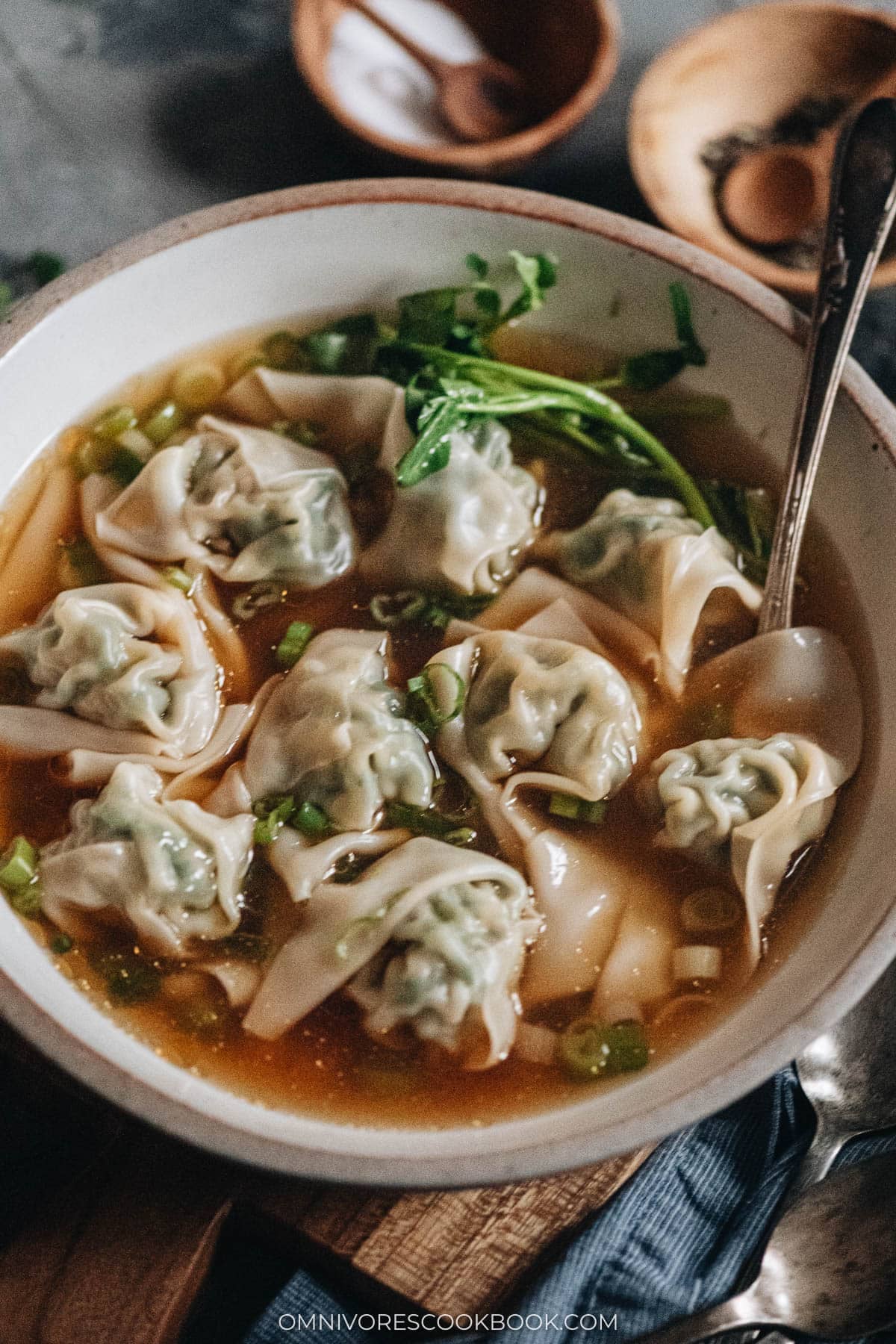
- Independent Boiling: Wontons are cooked in a separate pot of boiling water rather than directly in the broth. This critical step prevents residual wrapper starch from clouding the soup, ensuring a crystal-clear presentation. Once the wontons float to the surface, they are boiled for an additional one to two minutes to guarantee the pork filling is thoroughly cooked.
- Final Assembly: The cooked wontons are transferred directly into serving bowls, topped with the hot seasoned broth, and finished with a drizzle of toasted sesame oil and optional chili oil.
Nutritional Analysis and Dietary Implications
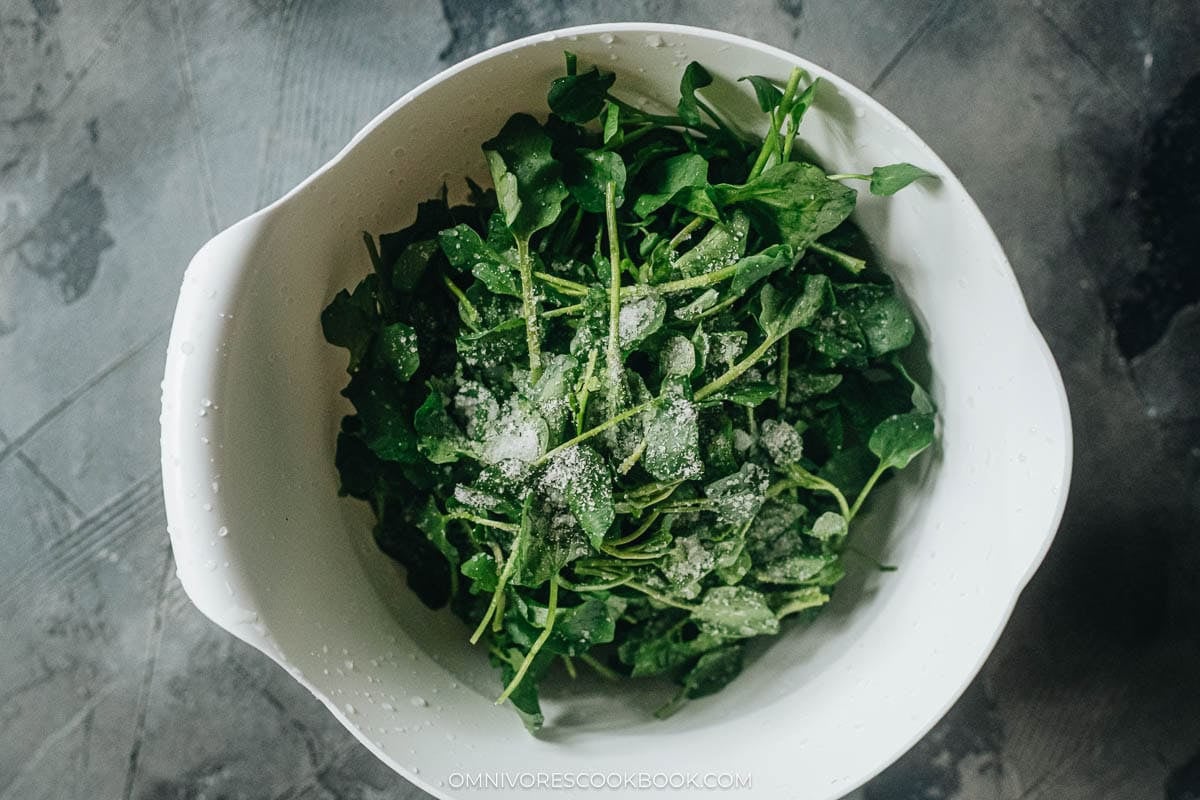
From a nutritional standpoint, the integration of watercress significantly elevates the health profile of traditional wonton soup. Watercress is widely recognized by nutritional scientists as a powerhouse vegetable, boasting high concentrations of vitamins A, C, and K, as well as essential antioxidants and minerals such as calcium and potassium.
Standard nutritional data for a single serving of the watercress wonton soup—calculated based on a yield of 28 servings—indicates a balanced macronutrient distribution. A typical serving contains approximately 138 kilocalories, 9.9 grams of carbohydrates, 11.6 grams of protein, and 5.4 grams of fat, with a low saturated fat content of 1 gram. While the dish provides valuable dietary fiber (1.2 grams) and essential micronutrients, culinary analysts note that sodium levels remain a notable factor, averaging roughly 1,200 milligrams per serving primarily due to the inclusion of soy sauce and salted broths. Home cooks seeking to modify sodium intake can easily adjust the quantity of soy sauce or opt for low-sodium chicken stock without sacrificing the core flavor profile.
Storage Longevity and Freezer Convenience
The operational efficiency of making watercress wontons in large batches has contributed significantly to their popularity among busy households. Because the wrapped dumplings freeze exceptionally well, culinary experts recommend doubling the recipe during weekend preparation sessions.
Proper storage protocols dictate that raw, wrapped wontons should be placed on a parchment-lined tray, covered securely, and frozen solid before being transferred to airtight freezer bags. When preparing meals on demanding weeknights, these frozen wontons can be dropped directly into boiling water—requiring only one to two additional minutes of cooking time compared to fresh dumplings. This convenience allows consumers to enjoy an authentic, restaurant-quality dim sum experience in approximately ten minutes, bridging the gap between traditional scratch-cooking and modern time constraints.
Broader Impact and Culinary Trends
The enduring appeal of dishes like watercress wonton soup reflects a broader consumer shift toward comforting, transparently sourced meals that prioritize fresh produce over heavily processed convenience foods. By replacing conventional dumpling greens with nutrient-dense watercress, home cooks are continuing a long-standing culinary tradition of adapting regional Chinese recipes to fit local ingredients and modern nutritional preferences.
As interest in authentic regional Asian cuisine continues to expand globally, recipes that emphasize foundational techniques—such as separating the cooking water from the broth to maintain clarity, and mastering the fine art of dumpling sealing—empower home cooks to replicate sophisticated dim sum experiences within their own kitchens. Whether served as a light starter, a comforting main course during cooler months, or a quick weeknight solution utilizing freezer stores, watercress wonton soup remains a testament to the enduring versatility and rich heritage of Chinese comfort food.