

The Evolution of Domestic Meal Planning
In the contemporary culinary landscape, meal planning has transitioned from a simple household chore into a sophisticated strategy for optimizing both nutrition and budget. Data from the Bureau of Labor Statistics and various culinary research institutes indicate that the average American household spends approximately 10 to 12 percent of its income on food, with a significant portion of that budget often lost to food waste due to impulsive purchasing and lack of preparation.
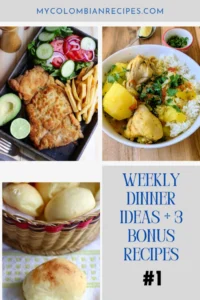
By providing structured, week-long dinner plans, platforms like My Colombian Recipes aim to mitigate these inefficiencies. The methodology involves the selection of six distinct dinner entries—covering Monday through Saturday—complemented by a selection of supplementary recipes that include breakfast options, appetizers, desserts, and beverages. This approach not only provides nutritional variety but also serves as a pedagogical tool for those looking to integrate traditional Colombian flavors into a modern, fast-paced lifestyle.
Historical and Cultural Context: The Thanksgiving Intersection
Thanksgiving represents the most significant culinary event in the American calendar. Rooted in both colonial history and indigenous harvest traditions, the modern iteration of the holiday has become a melting pot of global influences. For diaspora communities, such as the Colombian-American population, the holiday is often characterized by a fusion of traditional American staples—such as turkey and cranberry sauce—with ancestral dishes that honor cultural heritage.
Erica Dinho, the founder of My Colombian Recipes, emphasizes the importance of bridging these culinary worlds. Born and raised in Colombia and now residing in the northeastern United States, Dinho’s work serves as a conduit for cultural preservation. The inclusion of traditional techniques, such as the preparation of arepas, sancocho, or empanadas, within a weekly plan allows families to maintain a connection to their roots while navigating the logistical requirements of a high-stress holiday week.
Chronological Overview of Weekly Meal Planning
The systematic approach to weekly meal preparation is designed to reduce the "decision fatigue" that occurs during the work week. The following chronological structure highlights the organizational philosophy behind the current meal plan:
- Monday and Tuesday: Focus is placed on high-protein, relatively quick-prep meals that allow households to transition from the weekend into the work week without excessive labor.
- Wednesday: Often designated for "prep-ahead" meals, this day serves as a precursor to the major holiday preparations, allowing for the slow-cooking or marinating of ingredients.
- Thursday (Thanksgiving): The focal point of the week, requiring a shift toward traditional centerpiece dishes. The plan provides guidance on how to integrate the celebratory meal into the broader weekly nutritional strategy.
- Friday and Saturday: These days are prioritized for utilizing leftovers, a key practice in sustainable food management, while introducing lighter fare to balance the caloric density of the holiday feast.
Economic and Nutritional Implications
The implications of structured meal planning extend beyond mere convenience. Economists observe that organized meal preparation leads to a measurable decrease in grocery expenditures. By purchasing ingredients in bulk and utilizing them across multiple recipes, households can maximize their food budget. Furthermore, the nutritional profile of home-cooked meals is generally superior to that of processed or restaurant-prepared food, as it allows for the strict control of sodium, sugar, and fat intake.
In the context of the current inflationary environment, where food costs remain a concern for the average consumer, the ability to curate a menu that balances cost-effectiveness with cultural authenticity is increasingly valuable. This "Weekly Dinner Ideas" series acts as a stabilizer, providing a predictable roadmap for families to follow, thereby reducing the likelihood of last-minute, expensive, and less nutritious food choices.
The Role of Digital Content in Culinary Education
The rise of culinary blogs and digital meal planning services signifies a shift in how food culture is transmitted. Historically, recipes were passed down through oral tradition or handwritten family cookbooks. Today, digital platforms facilitate the democratization of these techniques. By offering a subscription-based model for weekly plans, content creators ensure that their audience receives consistent, high-quality guidance, while also fostering a sense of community.
The feedback loop—wherein readers interact with the author through comments, shares, and recipe testing—creates an iterative process of improvement. This engagement is vital for refining recipes to suit different kitchen capabilities, equipment availability, and ingredient accessibility in various regions of the United States.
Broader Impact on Household Dynamics
The act of preparing a meal is inherently social. It serves as a cornerstone of family interaction, particularly during the holiday season. The "Weekly Dinner Ideas" initiative seeks to alleviate the pressure associated with hosting and daily cooking, allowing families to spend more time engaging with one another rather than laboring over complex, unplanned meals.
As households move toward the final quarter of the year, the logistical burden of food preparation is often exacerbated by holiday shopping, travel, and social obligations. Providing a reliable framework for daily nutrition enables individuals to reclaim time, which is perhaps the most scarce resource during the holiday season. The integration of "bonus recipes"—such as specialized appetizers or holiday-specific drinks—adds a layer of sophistication to the meal plan, ensuring that the user is prepared for both intimate family dinners and larger social gatherings.
Conclusion: Looking Ahead to the New Year
As this specific cycle of weekly meal planning concludes with the Thanksgiving holiday, the emphasis shifts toward preparation for the winter season and the upcoming year. The consistency of these weekly releases underscores the importance of habit formation in the kitchen. By establishing a routine, even amidst the chaos of the holiday period, families can ensure that their dietary needs are met with both efficiency and enjoyment.
The success of such platforms suggests a growing appetite for curated, meaningful content that serves a practical purpose in the lives of busy individuals. As we move forward, the evolution of these meal plans will likely continue to reflect the changing needs of the modern family, incorporating more sustainable practices, diverse dietary requirements, and the continued fusion of traditional and contemporary culinary techniques. Through the efforts of contributors like Erica Dinho, the preservation of cultural heritage and the pursuit of efficient daily living continue to find a harmonious balance in the modern American kitchen.





0 Komentar
Sampaikan opini dan diskusi yang membangun dengan bahasa yang santun.
Belum Ada Komentar
Jadilah yang pertama memberikan tanggapan mengenai berita ini.