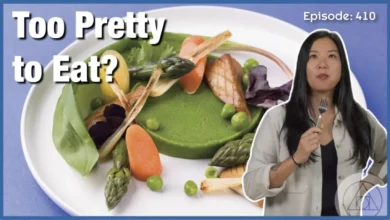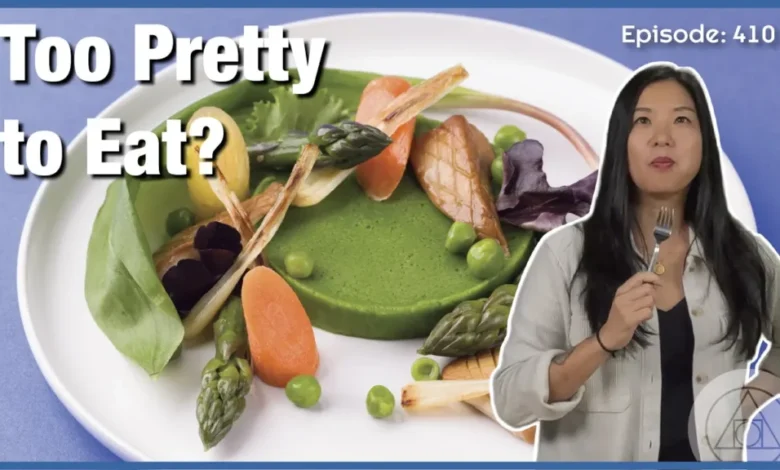
The evolution of modernist cuisine has long sought to challenge the traditional boundaries between sweet and savory flavor profiles, a movement currently exemplified by the recent debut of the Spring Pea Panna Cotta Salad. Featured in episode 410 of the long-running digital series "We Transform Food," this dish represents a technical shift in how vegetable-based starches and proteins are utilized in fine dining. By deconstructing the classic Italian dessert—traditionally a sweetened, gelatin-set cream—and reassembling it using seasonal spring peas and plant-based stabilizers, culinary innovators are demonstrating that the "panna cotta" format is as versatile as it is visually striking. This development highlights a broader trend in professional kitchens where texture-based gastronomy takes precedence over conventional menu categorizations.
The Origins of the Modernist Panna Cotta
The panna cotta, literally translating to "cooked cream," traces its culinary roots to the Piedmont region of Italy, historically reliant on the use of isinglass or, in modern iterations, bovine gelatin to achieve its signature "wobble." Over the last two decades, the rise of Modernist Cuisine—spearheaded by chefs such as Ferran Adrià and Nathan Myhrvold—has fundamentally altered the preparation of these dishes. By introducing hydrocolloids such as agar-agar, kappa carrageenan, and gellan gum, chefs have moved beyond animal-derived gelling agents.
The transition to a vegetable-centric panna cotta is not merely a stylistic choice; it is a technical exercise in emulsion and stability. The Spring Pea Panna Cotta Salad utilizes the natural starch and sugar content of fresh Pisum sativum, balanced against modern thickening agents, to create a structural integrity that withstands the addition of raw, crisp components like asparagus and shaved forest mushrooms.
Chronology of Modernist Food Media
The "We Transform Food" series, produced by Modernist Pantry, has served as a digital repository for these culinary experiments since its inception. The platform has spent years documenting the application of scientific tools in a home-kitchen environment, effectively lowering the barrier to entry for complex molecular techniques.
- 2015-2018: Early adoption of liquid nitrogen and sous-vide techniques in amateur culinary media.
- 2019-2021: A shift toward ingredient-driven transformation, focusing on plant-based alternatives and the "veganization" of classic French and Italian desserts.
- 2022-2024: The current era, characterized by "composed" dishes—salads and savory courses that utilize dessert-making methods to create unexpected sensory experiences.
The release of episode 410 marks a significant milestone in this timeline, as it showcases the synthesis of raw vegetable aesthetics with high-precision laboratory techniques, signaling that the "modernist" movement has moved from novelty to a standard component of creative recipe development.
Technical Analysis: The Science of the Spring Pea
The primary challenge in creating a pea-based panna cotta lies in the inherent fiber content of the legume. To achieve the requisite "silky" texture described in the episode, the peas must undergo a high-speed homogenization process followed by precise filtration.
Data from food science journals indicates that fresh peas contain approximately 5% sugar and 14% carbohydrates, providing a natural sweetness that pairs effectively with the umami profile of the mushrooms and the bitterness of spring greens. By replacing heavy cream with a pea-emulsion, the dish significantly lowers its saturated fat content while maintaining the mouthfeel associated with dairy. The stability of the dish is reliant on the ratio of hydrocolloids, which must be carefully calibrated to prevent the "weeping" of syneresis—a common failure point in vegetable-based jellies.
Culinary Implications and Industry Response
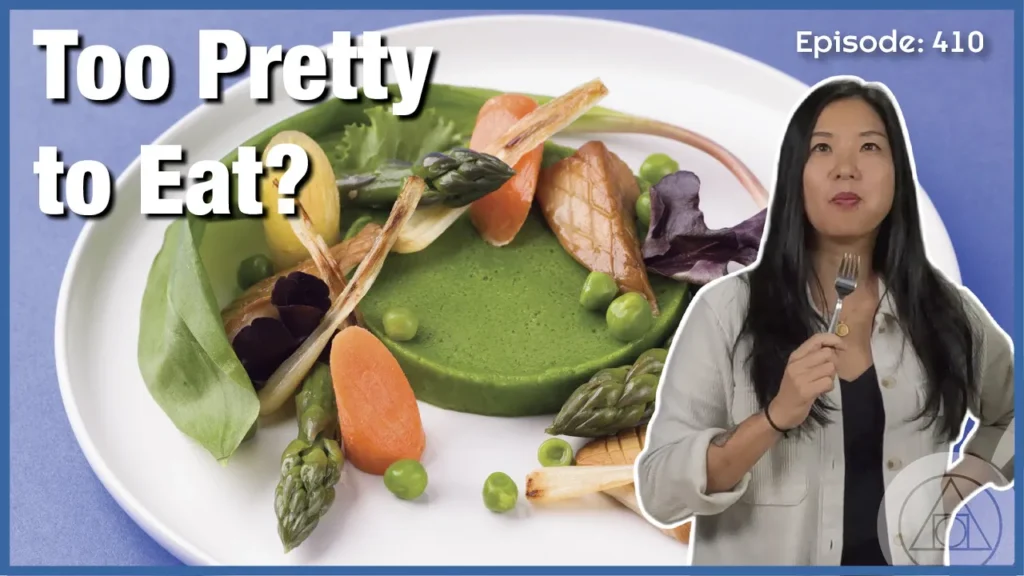
Professional chefs and food scientists have noted that the "savory panna cotta" is indicative of a wider industry move toward "clean eating" that does not sacrifice presentation. The aesthetic of the dish—vibrant green against the earth tones of shaved vegetables—appeals to the contemporary diner’s demand for visually engaging, high-quality, plant-forward cuisine.
Industry analysts observe that such dishes are increasingly appearing on the tasting menus of Michelin-starred establishments. The use of savory jellies as a base for salads allows chefs to play with temperature and texture in a way that raw greens alone cannot accommodate. "The structural shift in the dish allows for a deliberate pacing of flavors," notes a recent report from the Culinary Institute of Research. "By grounding the salad in a panna cotta, the chef controls the rate at which the palate interacts with the acidity of the dressing and the crunch of the vegetables."
Ingredient Innovation and Sustainability
The reliance on spring peas as a base ingredient also touches upon the sustainability movement currently reshaping global food production. Peas are a nitrogen-fixing crop, making them one of the most environmentally efficient ingredients available to chefs. As culinary media continues to push the narrative of "transformation," the choice of ingredients is becoming as important as the technique itself.
The "We Transform Food" series serves as a bridge between the high-tech equipment available to home enthusiasts and the professional kitchen. By providing links to specialized stabilizers, the platform encourages the democratization of these techniques. This trend suggests a future where home cooks are no longer limited by the constraints of traditional recipe books, but instead act as experimentalists using the same tools as those in professional laboratory settings.
Broader Impact on Home Gastronomy
The impact of this approach is being felt in the retail sector as well. Modernist Pantry and similar purveyors have seen an uptick in the sale of precision scales, emulsifiers, and gelling agents over the last three years. This trend suggests that the "foodie" demographic is evolving into a "gastronomic engineer" demographic, where the success of a dinner party is measured by the successful manipulation of texture and chemical composition.
The Spring Pea Panna Cotta Salad, while appearing as a simple seasonal dish, serves as a case study for this transition. It requires the home cook to move beyond the traditional stovetop methods and embrace a more systematic approach to cooking. When one considers the pedagogical role of the "We Transform Food" series, it becomes clear that the goal is not merely to provide a recipe, but to teach the principles of food physics.
Conclusion: The Future of the Composed Salad
As the culinary world continues to blur the lines between categories, the "composed salad" is likely to evolve further. The Panna Cotta format, historically tethered to the dessert course, has effectively been liberated. The success of the Spring Pea Panna Cotta Salad highlights a shift toward a more scientific, intentional, and ingredient-conscious way of preparing food.
For the modern culinary enthusiast, the lesson is clear: the kitchen is a laboratory, and every ingredient, no matter how humble—like the common garden pea—has the potential for radical transformation. By mastering the balance between stabilizers, temperature, and fresh seasonal produce, home cooks can achieve a level of sophistication previously reserved for the world’s elite dining rooms. As the industry looks toward the next cycle of seasonal trends, one can expect to see more of these boundary-pushing compositions, proving that the most memorable culinary experiences are often those that defy expectation. The integration of technology into the home kitchen, as documented in the "We Transform Food" series, remains a primary catalyst for this ongoing gastronomic revolution.