Green Beans With Almonds And Caramelized Shallots
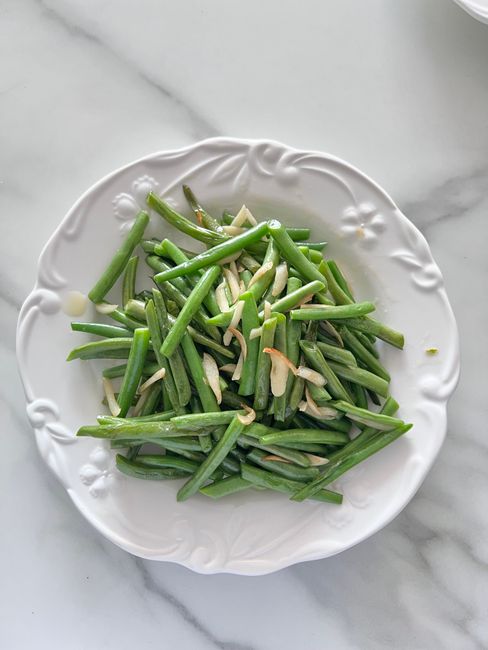
Green Beans with Almonds and Caramelized Shallots: A Culinary Masterpiece
This dish, a harmonious confluence of textures and flavors, elevates humble green beans into a sophisticated and deeply satisfying side. The crisp-tender snap of perfectly cooked green beans is beautifully complemented by the rich, nutty crunch of toasted almonds. Further complexity is introduced by the sweet, savory depth of caramelized shallots, their tender, almost jam-like consistency dissolving on the tongue. This ensemble offers a delightful interplay of vegetal brightness, earthy nuttiness, and profound umami, making it a versatile accompaniment to a wide range of main courses, from roasted poultry and grilled fish to hearty steaks and vegetarian stews. The visual appeal is equally compelling, with the vibrant green of the beans providing a fresh counterpoint to the golden-brown hues of the almonds and shallots. Mastering this recipe not only unlocks a delicious side but also a fundamental understanding of balancing simple ingredients to achieve remarkable culinary results.
The Quintessential Green Bean: Selecting and Preparing for Perfection
The foundation of this dish lies in the quality of the green beans. For optimal flavor and texture, opt for fresh, firm beans that snap when bent. Look for vibrant green pods with no wilting or bruising. Avoid beans that are overly thick, as they can be tough and fibrous, or excessively thin, which might overcook too quickly. French green beans, also known as haricots verts, are particularly well-suited due to their slender profile and delicate flavor, offering a more refined eating experience. However, standard green beans are perfectly acceptable and readily available.
Preparation begins with washing the beans thoroughly under cool running water. Trim the ends of each bean. This can be done by snapping them off individually or by lining up a batch and making a single cut across the ends with a sharp knife. For a more polished presentation, some cooks prefer to "French" the beans, which involves removing the stringy side seam. This can be achieved by using a vegetable peeler to run along the seam from one end to the other. While this step is optional, it contributes to a more tender and aesthetically pleasing final product.
The Art of Blanching: Unlocking Vibrant Color and Crisp Texture
Blanching is a crucial technique for achieving the perfect texture and vibrant green color of the beans. This involves briefly submerging the trimmed beans in rapidly boiling water, followed by an immediate immersion in ice-cold water. The boiling water cooks the beans just enough to tenderize them without them becoming mushy, while the ice bath halts the cooking process, preserving their crispness and preventing the loss of their brilliant green hue.
To blanch, bring a large pot of salted water to a rolling boil. The salt not only seasons the beans from within but also raises the boiling point of the water, facilitating a more efficient cook. Add the prepared green beans to the boiling water. The cooking time will vary depending on the thickness of the beans, but typically ranges from 2 to 4 minutes for standard green beans and 1 to 2 minutes for haricots verts. They should be bright green and still have a firm bite.
Immediately remove the blanched beans from the boiling water using a slotted spoon or a spider strainer and plunge them into a bowl filled with ice water. Allow them to chill for at least as long as they were blanched, or until they are completely cool. This rapid cooling is essential for stopping the enzymatic action that would otherwise lead to overcooking and discoloration. Once cooled, drain the beans thoroughly. Patting them dry with a clean kitchen towel or paper towels is also recommended to remove any excess moisture, which can prevent them from properly searing in subsequent steps.
Caramelizing Shallots: A Sweet and Savory Revelation
Shallots, with their delicate, sweet flavor profile, are the star of the caramelized element in this dish. Unlike onions, which can sometimes be overpowering, shallots offer a more nuanced sweetness that deepens and intensifies with slow cooking.
To caramelize shallots, begin by peeling them. This can be done by trimming off the root end and then making a shallow slice down one side, allowing the skin to peel away easily. Slice the peeled shallots thinly and uniformly. Even slicing is key to ensuring they cook at the same rate and achieve consistent caramelization.
Heat a tablespoon or two of unsalted butter or olive oil in a skillet over medium-low heat. It is crucial to cook the shallots slowly over low heat to allow their natural sugars to break down and caramelize without burning. Add the sliced shallots to the skillet and stir to coat them in the fat. Cook them slowly, stirring occasionally, for 15 to 30 minutes, or until they have become deeply golden brown, tender, and jammy. Be patient during this process; rushing it will result in burnt shallots with a bitter taste. As they cook, the shallots will shrink significantly. If they start to brown too quickly, reduce the heat further or add a splash of water to prevent burning. A pinch of salt added towards the end of the caramelization process can help draw out moisture and enhance their sweetness.
Toasting Almonds: Enhancing Nutty Depth and Crunch
Toasted almonds provide a vital textural contrast and a rich, nutty flavor that beautifully complements the other components of the dish. Whole blanched almonds, slivered almonds, or sliced almonds can all be used. Slivered or sliced almonds offer more surface area for toasting, resulting in a quicker and more even browning.
There are several methods for toasting almonds. The most common and efficient is in a dry skillet over medium heat. Add the almonds to a cool skillet and place it over medium heat. Stir them frequently to prevent burning, as they can go from perfectly toasted to burnt in a matter of seconds. They are ready when they become fragrant and turn a light golden brown. Another method is to toast them in a preheated oven at 350°F (175°C) for 8 to 12 minutes, again watching them closely for browning. For a quicker, albeit more hands-on approach, they can be toasted in a microwave on high power for 1 to 2 minutes, stirring every 30 seconds. Regardless of the method, the goal is to achieve a golden hue and a pronounced nutty aroma. Once toasted, remove the almonds from the heat immediately to prevent residual heat from overcooking them.
Assembling the Masterpiece: Bringing Flavors and Textures Together
With all the components prepared, the final assembly is straightforward and brings the dish to its full potential.
In the same skillet used for caramelizing the shallots (or a clean one), melt a tablespoon of unsalted butter or olive oil over medium heat. Add the blanched and dried green beans to the skillet. Sauté them for 2 to 3 minutes, allowing them to heat through and gain a slight sear. This brief sautéing further enhances their flavor and texture, adding a subtle char.
Add the caramelized shallots and toasted almonds to the skillet with the green beans. Gently toss everything together to distribute the shallots and almonds evenly. Season the dish with salt and freshly ground black pepper to taste. A final drizzle of good quality olive oil or a knob of butter can add a touch of richness and gloss.
For an extra layer of flavor, consider adding a squeeze of fresh lemon juice just before serving. The bright acidity cuts through the richness of the shallots and almonds, awakening the palate. Freshly chopped herbs like parsley or chives can also be added for a burst of freshness and visual appeal.
Variations and Enhancements: Tailoring the Dish to Your Palate
While the classic combination of green beans, almonds, and caramelized shallots is exceptional, this recipe offers numerous avenues for customization and enhancement.
- Garlic Infusion: For those who enjoy a garlic undertone, mince a clove or two of fresh garlic and add it to the skillet with the green beans during the sautéing process. Cook for about 30 seconds until fragrant, being careful not to burn it.
- Spicy Kick: A pinch of red pepper flakes, added during the sautéing of the beans or sprinkled over the finished dish, can introduce a subtle warmth and heat.
- Umami Boost: A splash of soy sauce or tamari, added during the final toss, can enhance the savory depth of the dish. Be mindful of the salt content if using these additions.
- Herbal Notes: Beyond parsley and chives, consider adding chopped fresh thyme or rosemary, which pair wonderfully with the earthy flavors of the beans and nuts.
- Different Nuts: While almonds are traditional, walnuts, pecans, or even pine nuts can be substituted for a different nutty profile and texture. Ensure they are toasted to perfection.
- Balsamic Glaze: A drizzle of balsamic glaze over the finished dish can add a sweet and tangy complexity that elevates the overall flavor profile.
- Crispy Shallots: For an even more pronounced shallot flavor and crispy texture, consider frying thinly sliced shallots until golden and crispy and then sprinkling them over the dish.
Culinary Significance and SEO Optimization
The "Green Beans with Almonds and Caramelized Shallots" recipe is a testament to the power of simple, quality ingredients prepared with thoughtful technique. Its popularity stems from its versatility, its ability to impress with minimal effort, and its inherently satisfying flavor profile.
SEO Keywords and Considerations:
- Primary Keywords: green beans almond, green beans caramelized shallots, almond green beans recipe, caramelized shallot green beans.
- Secondary Keywords: French green beans recipe, haricots verts recipe, toasted almonds recipe, how to caramelize shallots, blanched green beans, best green bean side dish, holiday side dish, Thanksgiving green beans, easy vegetable side dish, gourmet green beans.
- Long-Tail Keywords: how to make green beans with almonds and caramelized shallots, simple recipe for green beans with nuts, elegant vegetable side for dinner party, quick and healthy green bean recipe.
Content Structure and Readability:
The article is structured logically, moving from ingredient selection and preparation to cooking techniques and final assembly, followed by variations. Headings and subheadings are used to break up the text and improve scannability.
Image Optimization (Conceptual):
If this were a visually-driven platform, high-quality images showcasing the vibrant green beans, glistening caramelized shallots, and toasted almonds would be crucial. Image alt text should incorporate relevant keywords, e.g., "Close-up of perfectly blanched green beans with toasted almonds and deeply caramelized shallots."
Internal and External Linking (Conceptual):
Linking to other relevant recipes on the same website (e.g., "Roasted Chicken Recipe," "Pan-Seared Salmon") would improve user engagement and SEO. External links to reputable culinary resources or ingredient guides could also be considered.
Conclusion (Implied through comprehensive coverage):
The detailed exploration of each step, from selecting the freshest beans to the nuances of caramelization and toasting, aims to provide readers with a comprehensive understanding and the confidence to recreate this exquisite dish. The emphasis on technique and flavor balance ensures that this recipe transcends a simple instruction set, becoming a culinary lesson in its own right. The inherent appeal of this dish ensures its continued relevance and searchability, making it a valuable addition to any recipe repertoire.