
Chicken Fajita Pasta Bake

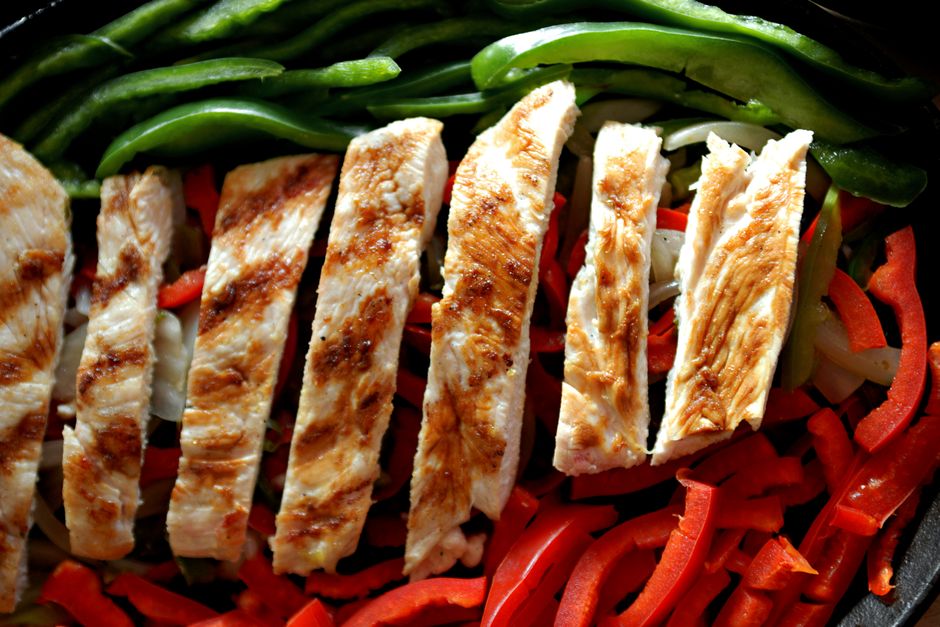
Chicken Fajita Pasta Bake: A Spicy, Cheesy, One-Pan Meal
The chicken fajita pasta bake emerges as a highly accessible and satisfying weeknight dinner solution, blending the robust flavors of classic fajitas with the comforting embrace of a baked pasta dish. This culinary fusion offers a symphony of textures and tastes, from tender, marinated chicken and crisp-tender bell peppers and onions to the creamy, cheesy sauce that binds it all together. Its inherent versatility makes it a prime candidate for customization, allowing home cooks to tailor it to individual preferences and dietary needs. The preparation process itself is designed for efficiency, often involving a single baking dish, minimizing both cooking and subsequent cleanup time. This makes it an attractive option for busy families or individuals seeking a flavorful yet uncomplicated meal. The inherent appeal of combining pasta, a universally loved staple, with the zesty, slightly smoky notes of fajita seasoning creates a dish that is both familiar and exciting. The visual presentation, with its vibrant colors from the assorted vegetables and the golden-brown cheesy topping, adds to its allure as a centerpiece for any casual dining occasion. Furthermore, the adaptability of the recipe, from the type of pasta used to the spice level of the seasoning, ensures that this dish can be a regular feature on meal rotation without becoming monotonous. The core concept revolves around maximizing flavor with minimal effort, a principle that resonates strongly in contemporary home cooking.
Understanding the Core Components: Chicken, Fajita Seasoning, and Pasta
At the heart of this dish lies a trifecta of essential ingredients: succulent chicken, aromatic fajita seasoning, and a pasta base. The chicken, typically chicken breast or thighs, serves as the primary protein, providing a hearty foundation for the bake. Its mild flavor profile readily absorbs the vibrant spices of the fajita seasoning, transforming it into a tender, flavorful component. Chicken thighs, with their higher fat content, tend to remain moister during the baking process, offering a more forgiving option for novice cooks. Chicken breasts, while leaner, can be equally delicious when not overcooked. The marination phase is crucial for infusing the chicken with the characteristic smoky, spicy, and slightly tangy notes that define fajitas. This typically involves a blend of chili powder, cumin, paprika, garlic powder, onion powder, oregano, salt, and pepper, often augmented with a touch of lime juice or vinegar for acidity and a drizzle of oil to facilitate flavor distribution.
The fajita seasoning is the undisputed flavor powerhouse of this dish. While pre-made fajita seasoning packets are readily available and offer convenience, creating a homemade blend allows for greater control over the intensity of each spice and the overall heat level. A typical homemade blend might include: 2 tablespoons chili powder, 1 tablespoon ground cumin, 1 teaspoon smoked paprika, 1 teaspoon garlic powder, 1 teaspoon onion powder, ½ teaspoon dried oregano, ¼ teaspoon cayenne pepper (for heat, adjustable), and salt and black pepper to taste. The paprika, especially smoked paprika, contributes a crucial smoky depth that is reminiscent of grilled fajitas. The chili powder and cayenne pepper provide the characteristic warmth and spice.
The pasta serves as the comforting, starchy vehicle that carries the fajita flavors and the creamy sauce throughout the bake. Penne, rotini, farfalle, or even elbow macaroni are excellent choices due to their ability to hold sauce and their pleasant bite when baked. The pasta should be cooked al dente, meaning it has a slight resistance to the bite, as it will continue to cook in the oven, preventing it from becoming mushy. The size and shape of the pasta can also influence the overall texture and mouthfeel of the final dish. Smaller, more intricate shapes like rotini or farfalle can trap more sauce, while larger shapes like penne offer a more substantial bite.
Building the Flavor Profile: Peppers, Onions, and Aromatics
Beyond the core trio, the inclusion of sautéed bell peppers and onions is paramount to replicating the authentic fajita experience. These vegetables, when cooked until tender-crisp, release their natural sweetness and contribute a delightful textural contrast to the tender chicken and pasta. A medley of bell pepper colors – red, yellow, and green – not only enhances the visual appeal of the dish with their vibrant hues but also offers a nuanced range of flavors. Red and yellow peppers tend to be sweeter, while green peppers possess a slightly more robust and peppery taste. Slicing the peppers and onions uniformly ensures even cooking.
The sautéing process for the vegetables is typically done in the same pan or skillet that will later be used for assembling the bake, or in a separate pan if a baking dish is the primary vessel. A moderate amount of oil, such as vegetable oil, olive oil, or even a neutral-flavored oil like canola, is heated over medium-high heat. The vegetables are then added and cooked until they soften and develop a slight char, a process that intensifies their sweetness and adds a subtle smoky note.
Aromatics like minced garlic and sometimes a touch of jalapeño pepper (for those who desire extra heat) are incorporated during the sautéing of the vegetables. Garlic, minced finely, releases its pungent aroma and flavor as it cooks, infusing the oil and the vegetables with its distinctive essence. The jalapeño, if used, should be seeded and minced, with the seeds and membranes removed to control the spice level. The cooking time for these aromatics is crucial; they should be cooked until fragrant but not browned, as burnt garlic can impart a bitter taste.
The Creamy Binder: Sauce and Cheese
The transformation from a simple pasta and vegetable mixture into a cohesive, indulgent bake hinges on the creation of a creamy, flavorful sauce. This sauce acts as the binder, coating every morsel of chicken, pasta, and vegetables, and infusing them with richness. The base of the sauce can vary, but a common and highly effective approach involves utilizing condensed cream soup, such as cream of chicken or cream of mushroom, or a béchamel sauce made from scratch.
Using condensed cream soup offers unparalleled ease and speed. The concentrated nature of the soup provides a rich, savory base that readily emulsifies with other liquids. Cream of chicken soup is a natural fit for this dish, complementing the chicken protein. Cream of mushroom offers a more earthy and umami-rich flavor profile. When using condensed soup, it’s often thinned with a liquid like milk, half-and-half, or even chicken broth to achieve the desired consistency for coating the pasta.
Alternatively, a homemade béchamel sauce provides a more refined and customizable option. This involves melting butter in a saucepan, whisking in flour to create a roux, and then gradually whisking in milk until a smooth, thickened sauce forms. This method allows for complete control over the ingredients and can be seasoned to perfection. For this fajita bake, a béchamel could be enriched with a splash of lime juice or even a bit of the fajita seasoning blend.
Cheese is the indispensable crowning glory of any pasta bake, and this chicken fajita iteration is no exception. A generous amount of shredded cheese is crucial for achieving that desirable golden-brown, bubbly topping. A blend of cheeses often yields the most complex and satisfying flavor. Monterey Jack, with its mild, buttery flavor and excellent melting properties, is a classic choice. Cheddar, particularly a sharp or medium cheddar, adds a tangy depth and a beautiful orange hue. A touch of Colby Jack, a blend of Colby and Monterey Jack, offers a balance of flavors and textures. Some recipes also incorporate a small amount of a spicier cheese, like pepper Jack, to amplify the fajita heat. The cheese is typically layered on top of the assembled mixture before baking, allowing it to melt and meld into a glorious, gooey crust.
The Assembly and Baking Process
The assembly of the chicken fajita pasta bake is a straightforward process, designed for maximum flavor infusion and minimal fuss. Begin by preheating your oven to the recommended temperature, typically around 375-400°F (190-200°C). This ensures the bake cooks evenly and the cheese achieves a desirable browning.
In a large bowl, combine the cooked and drained pasta, the sautéed chicken and vegetables (including any rendered juices from the chicken), and the prepared sauce. Toss everything together thoroughly, ensuring each piece of pasta and chicken is well-coated with the sauce. This step is critical for distributing the flavors evenly throughout the dish.
Transfer the mixture into a greased baking dish. A 9×13 inch baking dish is a common and suitable size for this recipe. Spread the mixture evenly within the dish. If you’ve chosen to add a layer of toppings, such as extra cheese or a sprinkle of cilantro, this is the point at which to do so.
The baking time will vary depending on the oven and the depth of the baking dish, but typically ranges from 20 to 30 minutes. The goal is to heat the bake through completely, allowing the flavors to meld, and for the cheese topping to melt and become golden brown and bubbly. To prevent the cheese from burning before the bake is heated through, you can loosely tent the dish with aluminum foil for the initial portion of the baking time and then remove the foil for the last 10-15 minutes to allow for browning.
Variations and Customization for SEO Reach
The inherent adaptability of the chicken fajita pasta bake makes it a highly searchable and shareable recipe. Here are key areas for customization that can be leveraged for SEO:
Protein Variations: Beyond chicken, consider exploring "ground turkey fajita pasta bake," "shrimp fajita pasta bake," or "black bean fajita pasta bake" for vegetarian/vegan options. These variations cater to a broader audience and specific dietary searches.
Vegetable Additions: Encourage the inclusion of other vegetables like corn, zucchini, mushrooms, or even a can of diced tomatoes for added moisture and flavor. Phrases like "veggie-loaded chicken fajita pasta bake" or "fajita pasta bake with corn and black beans" can attract specific searches.
Spice Level Adjustments: Explicitly mention options for controlling heat. "Mild chicken fajita pasta bake," "spicy chicken fajita pasta bake with jalapeños," or "mild fajita seasoning pasta bake" all target different user preferences.
Cheese Combinations: Highlight popular cheese blends. "Cheddar and Monterey Jack fajita pasta bake," "queso fresco fajita pasta bake" (though less common for baking, it’s a distinct flavor profile), or "spicy cheese fajita pasta bake" can draw in those looking for specific cheese profiles.
Dietary Adaptations:
- Gluten-Free: Suggest using gluten-free pasta and ensuring all seasoning packets or homemade blends are gluten-free. Keywords: "gluten-free chicken fajita pasta bake."
- Dairy-Free: Recommend dairy-free cheese alternatives and using a plant-based milk or broth for the sauce. Keywords: "dairy-free chicken fajita pasta bake."
- Low-Carb: While challenging with pasta, suggest alternative bases like cauliflower rice or shirataki noodles, or focus on the "fajita chicken and vegetable bake" without pasta, noting it’s a "low carb fajita bake."
Topping Suggestions: Beyond cheese, offer ideas like a dollop of sour cream or Greek yogurt, fresh cilantro, sliced avocado, or crushed tortilla chips for added crunch. "Chicken fajita pasta bake with avocado topping" or "crunchy chicken fajita pasta bake" can be effective.
Time-Saving Hacks: Emphasize the ease of using pre-cooked rotisserie chicken or pre-sliced vegetables. "Quick chicken fajita pasta bake" or "easy rotisserie chicken fajita pasta bake" are excellent SEO phrases.
Regional or Cultural Twists: While the core is Tex-Mex, subtle hints of inspiration from other cuisines could be explored, though this is less common for a straightforward bake.
By strategically incorporating these keywords and offering a range of modifications, the "Chicken Fajita Pasta Bake" article can achieve significant visibility in search engine results, catering to a wide spectrum of home cooks and their specific culinary needs. The inherent appeal of a one-pan, flavorful, and adaptable meal ensures its enduring popularity.


